

 Tiếng Việt
What Is Vải Đũi (Linen Fabric)? Origin, Characteristics & Production Process
Today there are many different types of fabric used in garment making, such as lace fabric, vải đũi, raw fabric, burlap, canvas, khaki… But when the sweltering summer season arrives, customers prefer fabrics that are lightweight, cool, and breathable for their clothing.
And vải đũi is the fabric that best meets all of those criteria. Yet when asked the question “what is vải đũi?” — what its advantages and disadvantages are — not everyone knows the answer.
Understanding this, in the short article below, May Hop Phat would like to share with customers all the useful information about this premium vải đũi fabric. Read on to find out!
What Is Vải Đũi?
Vải đũi is a type of silk fabric — also known as linen fabric — which is another name for this widely used material. Vải đũi fabric is woven from linen fibers and dyed using natural mặc nưa fruit.
What is vải đũi in English? This fabric material is called Linen in English.
Because of this natural origin, the finished product — while very natural and rustic in appearance — gives the wearer an air of refined elegance, yet without being overly ornate or ostentatious. Vải đũi is a lightweight, breathable fabric with an exceptionally strong sweat-absorption capacity and very fast drying time.
Truly worthy of being called premium vải đũi fabric, it becomes softer and softer with every wash without changing its structure. The fine, delicate wrinkles that appear after washing actually enhance the beauty of the product and are a characteristic feature of this material.

The Origin of Vải Đũi
Vải đũi is produced from đũi yarn — a fiber material that is actually the leftover byproduct of the silkworm cocoon reeling process. This waste material accounts for up to 60% of the total yield during silk cultivation. Only the remaining 40% is used to weave silk. To avoid wasting this precious natural fiber resource, people developed vải đũi.
In practice, users also know it by the alternative name vải đũi lụa (silk linen fabric), though it is far more rustic and simple in character. In general, the two fabric types differ only in weaving technique, raw materials, and processing methods — yet craftspeople can create beautifully attractive bags and backpacks from vải đũi material.

The 5 Most Popular Types of Vải Đũi Today
Below are the 5 most favored types of vải đũi currently on the market.
Raw Vải Đũi (Vải Đũi Thô)
Raw vải đũi, also known as Tussah silk, is a popular material in the fashion industry. Compared to regular silk, it retains a light sheen but still has a characteristically rough surface texture.
Raw vải đũi fabric has very good heat-retention properties, making it the fabric of choice for fashion designers to create shirts, vests, shorts, and even beautiful winter dresses for women.

Cotton Vải Đũi (Vải Đũi Cotton)
Cotton vải đũi is also one of the most widely used fabric varieties today. Manufacturers have leveraged the outstanding inherent properties of cotton and combined them with vải đũi to produce a range of products known collectively as vải đũi cotton.
Plain Vải Đũi (Vải Đũi Trơn)
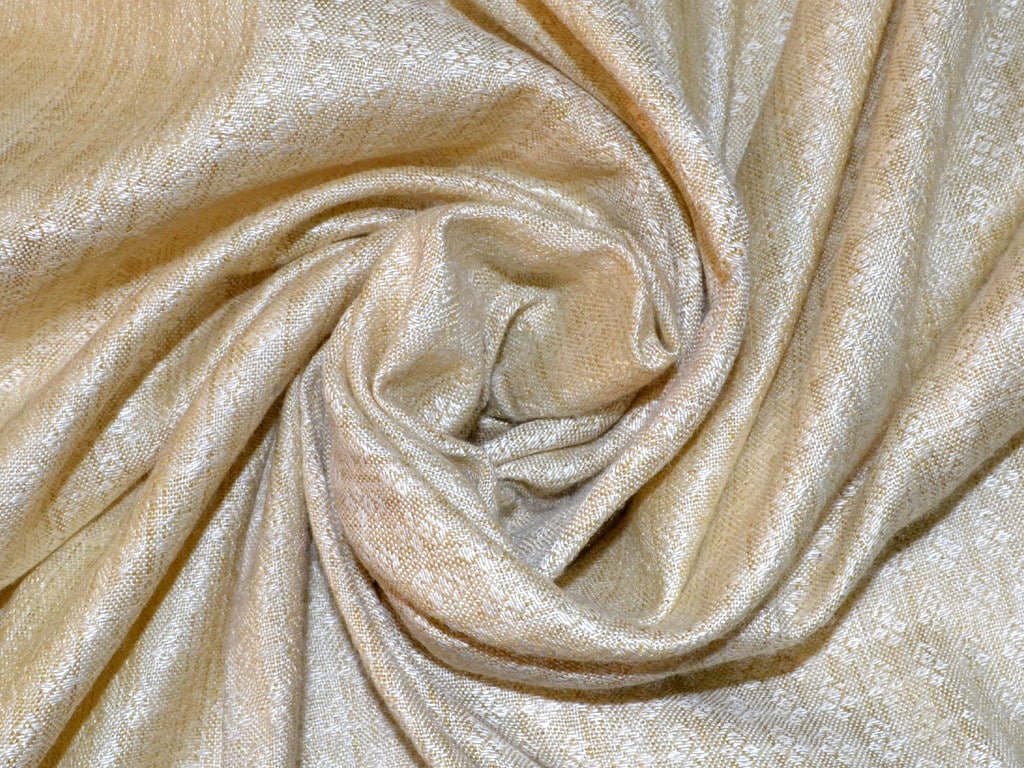
If the surface of textured vải đũi (vải đũi xước) shows visible lines and ridges, plain vải đũi is the complete opposite. Although it is not as perfectly smooth as cotton fabric or raw vải đũi, plain vải đũi is still considered quite smooth with minimal grain texture. Plain vải đũi typically comes only in neutral colors such as beige, grey, and white, making it suitable for a wide range of ages.
Plain vải đũi is made from 100% natural đũi fiber, so it has a soft, smooth, and airy surface. The loosely interwoven fibers provide a comfortable and pleasant wearing experience. However, this fabric type is prone to wrinkling during wear.

Thai Vải Đũi (Vải Đũi Thái)
Thai vải đũi also boasts outstanding characteristics such as being ultra-lightweight, cool and breathable, and highly moisture-absorbent. But this fabric material further wins over users with its excellent dyeability and perfectly soft, supple texture.

Embroidered Flower Vải Đũi (Vải Đũi Thêu Hoa)
Embroidered flower vải đũi is a variety that young people — especially women — absolutely love, for its youthful, modern, and fashionable appeal. This fabric material has received many reviews praising it as trendy and versatile.
Embroidered flower vải đũi can be used to make many different garment styles and designs: with its beautiful, eye-catching patterns, it is also widely favored for making traditional áo dài (Vietnamese long dresses). It is equally popular for making skirts, scarves, and more.

In addition, vải đũi is also known to customers in many other versions, combinations, and variations — for example: textured vải đũi (vải đũi xước), Japanese vải đũi, Korean vải đũi (vải đũi Hàn)… Each manufacturer and designer has their own way of blending and adapting the material to suit their finished product requirements.
The Production Process of Vải Đũi You Should Know
Typically, the production process of vải đũi involves the following 4 steps:

Step 1: Cooking the Cocoons
Generally, the entire vải đũi production process is carried out by hand. As mentioned above, vải đũi is woven directly from đũi silkworm fiber, also known as raw silk.
Raw silk is derived from mulberry silkworm cocoons — just like regular silk — but the fiber of vải đũi is thicker. The đũi silkworm fiber originates from a very special material: the cocoons are boiled thoroughly so that the fiber can soften and become pliable.
Step 2: Drawing into Yarn
After the silkworm fiber has been thoroughly cooked, the skilled hands of the weaver draw it into yarn threads in a basin of water. This step is also called “kéo cũi” (cage-pulling), and it is the most important stage in the entire vải đũi production process.
Step 3: Drying the Đũi Yarn
After completing Step 2, the yarn is wound into skeins on a reel, then these long strands are taken out to dry. Once the đũi yarn is completely dry, the weaver brings it back in and proceeds to the next stage.
Step 4: Weaving the Vải Đũi
This is the final stage of the vải đũi production process. After drying, the weaver uses the đũi yarn bundles to weave them into beautiful vải đũi fabric panels. From these fabric panels, they create fashionable and captivating áo dài, dresses, shorts, shirts, and more.
Outstanding Characteristics of Vải Đũi
It can be said that vải đũi is a fabric with many outstanding advantages that not every material possesses — specifically: it creates a feeling of lightness and comfort, has a cooling effect, and is composed entirely of natural ingredients.

Outstanding Advantages of Vải Đũi
- Vải đũi is very airy and lightweight, and in particular does not cling to sweat or cause discomfort — creating a comfortable wearing experience for all products made from this fabric.
- This premium vải đũi material has natural origins, making it very safe and having no adverse effects on the health of the wearer. In particular, this fabric is very cool, making it the best choice for summer clothing.
- In addition, this fabric does not accumulate static electricity, nor does it have the rough feeling of other fabric types such as raw burlap or coarse canvas.
- Especially, it is very easy to wash and dry. One remarkable characteristic of this material is that the more it is washed, the softer it becomes, without any change in its structure — and it retains its fabric properties and dries quickly.
Disadvantages of Vải Đũi
Like all other product types, despite having many advantages, vải đũi — being of natural origin — is very prone to creasing and wrinkling more so than other fabric materials. This is also the main weakness of this fabric type.
So, Is Vải Đũi Expensive?
Today’s market offers many types of fabric, but vải đũi is perhaps the most affordable among them. Its current price ranges from just 100,000 to 250,000 VND/meter. As a result, finished products made from this fabric are also reasonably priced, typically around 300,000 VND per set.
Hop Phat hopes that the information researched, updated, and shared above has provided you with useful knowledge about vải đũi fabric — giving you one more ideal fabric option for both your summer and winter wardrobe. Wishing you all the best!
Tags: vải thô đũi, vải đũi lụa, quần ống rộng vải đũi, vải đũi cao cấp, chất vải đũi, vải đũi hàn, vải xô đũi, vải đũi có nhăn không, chất vải đũi là gì, quần áo vải đũi, sơ mi vải đũi, vải đũi xốp, vải đũi lạnh
Related fabric articles: Canvas Fabric | Linen Fabric | Non-Woven Fabric | Brocade Fabric | Oxford Fabric | Backpack Fabrics | Chiffon Fabric | Wool Fabric | Burlap Fabric | Kate Cotton Fabric | Tuyết Mưa Fabric | Tote Bag Fabrics | Polyester Fabric | Cotton Fabric | Vải Đũi | Mango Fabric