

 Tiếng Việt
Wool fabric is very familiar and widely used. Have you ever wondered about the origins of this fabric? Let’s explore wool fabric together with May Hop Phat — one of the most popular warm fabrics available today.
What Is Wool Fabric?
Wool fabric is a type of fabric that originates from the fleece of various animal species. While most people associate the word “wool” with sheep, in reality there are many different types of wool that manufacturers source from animals other than sheep.
To make wool, manufacturers harvest animal fleece and spin it into yarn. This yarn is then woven into garments or other textile forms.
Wool fabric is known for its durability and insulating properties. Depending on the type of fleece used to make the wool, this fabric can benefit from natural insulating effects that help keep the animals that produce the fleece warm throughout winter.

Throughout many centuries, wool and cotton fabric have competed for the top position as the most widely used fabric in the world. Today, each fabric fills a specific niche market, and wool remains highly valued for its unique properties.
While cotton consists almost entirely of plant-based cellulose, wool contains approximately 97% protein and 3% fat, making it particularly well-suited for certain applications where cotton falls short.
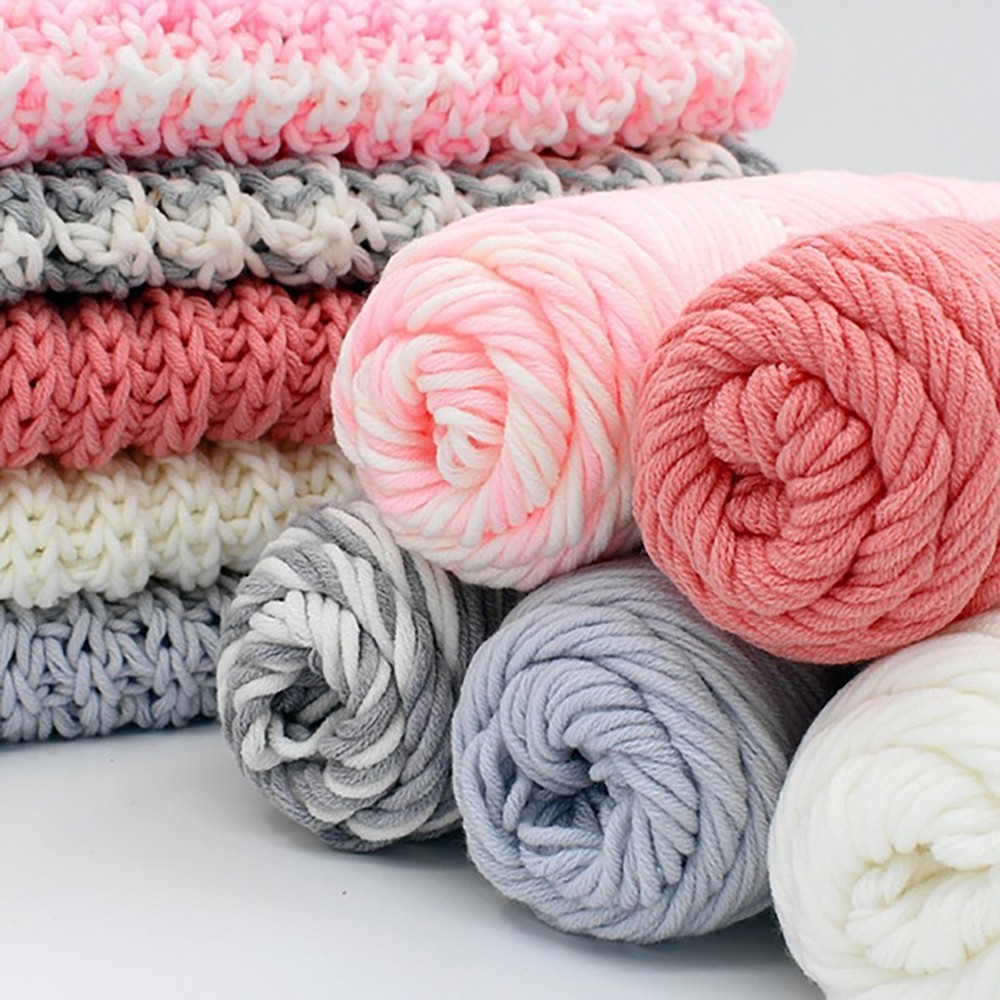
When woven into textiles, wool has a natural softness known as “crimp.” This crimp contributes to wool’s insulating properties, which exist because the porosity of wool fabric naturally traps air. Some types of wool have more crimp than others — the more crimp in a wool garment, the greater its insulating capability.
Compared to cotton and other plant-based or synthetic textile materials, wool has high fire resistance. It does not spread flames; instead, it chars and self-extinguishes. This makes this textile very useful in applications where minimizing flammability is desired.
According to Wikipedia: Wool is a textile fiber obtained from sheep and some other animals, including goats, camels, etc. Wool provides raw material for weaving, knitting, and manufacturing sweaters — a commonly used warm clothing item worldwide, especially in cold-climate countries.
Pros and Cons of Wool Fabric
Advantages of wool fabric:
- Natural, lightweight, soft, and wrinkle-resistant
- Reusable many times over
- Warm and excellent heat-retaining properties, ideal for cold climates
- Environmentally friendly material
- Good elasticity and stretch
- Excellent heat resistance, insulation, and moisture absorption
Disadvantages of wool fabric:
- Prone to pilling
- Does not perform well in alkaline environments
- Susceptible to absorbing odors and developing mold
Wool Fabric Production Process
The production of wool fabric begins with shearing the fleece from wool-bearing animals. Some animals are shorn once a year, while others are shorn multiple times a year.
Next, the raw wool is cleaned and sorted into bales. There are many ways to remove the greasy lanolin from raw wool, but most large wool manufacturers use chemical catalysts for this process.
Once the wool fibers are clean and sorted, they are carded — a process that separates and aligns the wool fibers into long strands. These carded fibers are then spun into yarn, and after a final wash, this yarn can be woven into garments and other wool textile products.
Finally, the finished textiles may undergo various post-production processes to develop certain properties. For example, fulling involves soaking a piece of wool in water to make the fibers bond together, and crabbing is the process of permanently setting this bonded lock. Lastly, wool fabric manufacturers may decatize their products for shrink-proofing purposes, and on rare occasions, they may also dye their finished wool products.
Applications of Wool Fabric and Types of Wool on the Market
Over the years, humanity has found hundreds of ways to use wool. While wool fabric is primarily used in consumer applications, it is also popular in industrial applications due to its durability and fire-resistant qualities.
Applications of Wool Fabric in Fashion and Clothing
Wool fabric is a common fabric in fashion and clothing. You can style it in many clothing forms — especially in winter, wool fabric is undoubtedly the fabric that dominates everyone’s cold-weather wardrobe due to its excellent heat-retaining properties.
Although finer types of wool can be used to make garments that come into direct contact with the skin, it is far more common to find wool used for outerwear or other clothing that does not directly touch the body.
Additionally, it can be transformed into fashionable and stylish bags.

Applications of Wool Fabric in Home Furnishings
Wool fabric has insulating and fire-resistant properties, making it widely applied in the production of home furnishing items. Examples include carpets, certain insulating and electrical insulation components. Wool fabric can also be used to make blankets, bed sheets, pillows, mattresses, curtains, upholstery, and more.
In addition, wool fabric today can also be used to create handmade decorative products. Some handmade items you can make or buy include: scarves, knitted hats, bracelets, earrings, and more.
Types of Wool Fabric on the Market
Merino Wool Fabric
Merino wool fabric is one of the most popular types of wool in the world. The majority of merino sheep are raised in Australia, and wool from merino sheep is used to make all kinds of garments and various industrial materials.
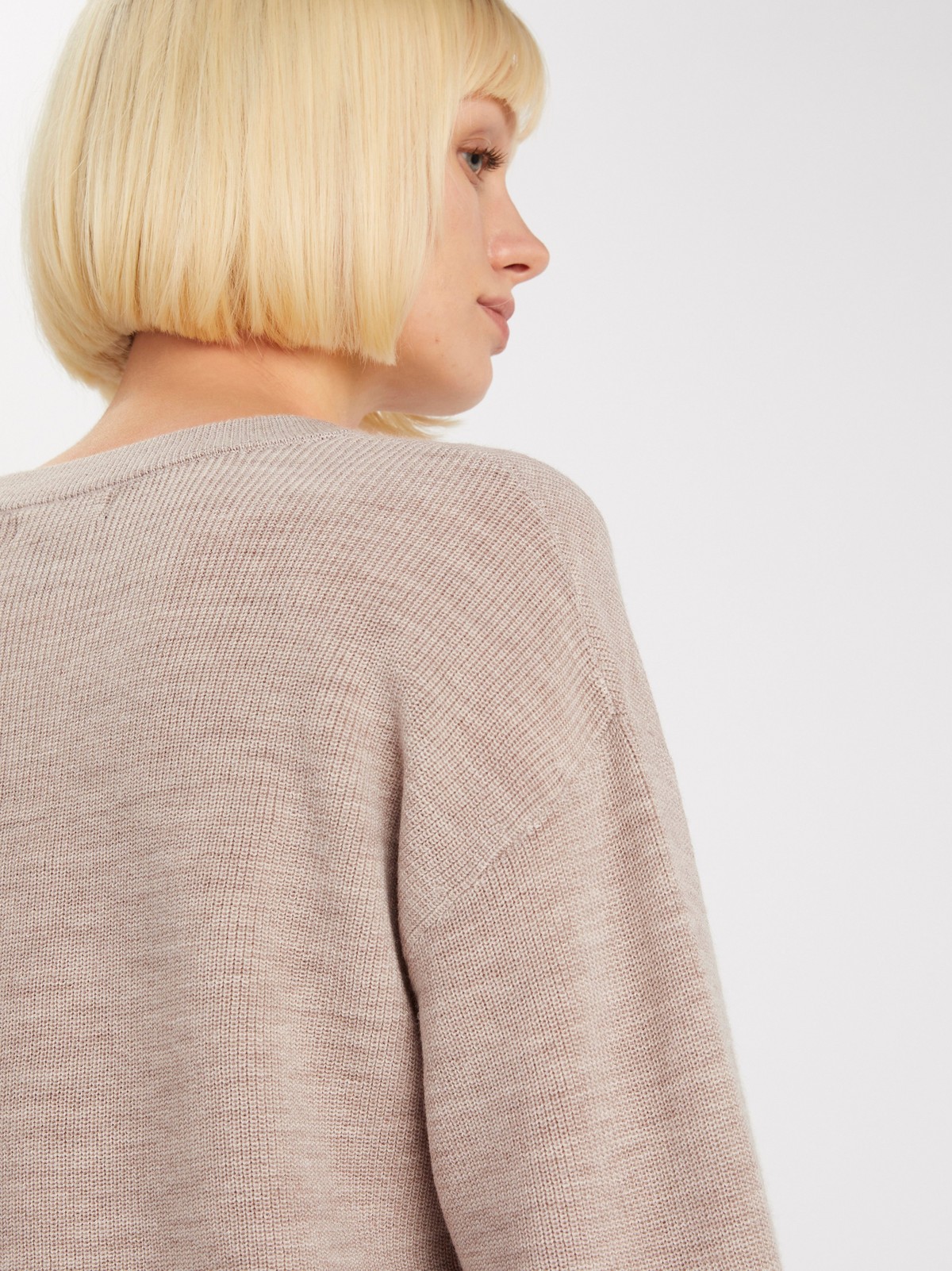
Merino wool fabric can have a fiber diameter of less than 20 microns, making it one of the finest wools in existence. While merino sheep were originally bred in Spain, virtually no merino wool production still takes place in this European country. Because merino wool is relatively greasy before processing, the lanolin must be removed from this textile before it can be spun into yarn.
Cashmere Wool Fabric
Cashmere is one of the most expensive and luxurious types of wool. The name “cashmere” originates from the Kashmir region of India, which is where the fleece-bearing goats that supply cashmere wool originated.

With a fiber diameter as small as 18 microns, cashmere is as soft and fine as merino wool. However, the high price of cashmere stems from the fact that cashmere goats can only produce approximately 150 grams of wool per year, making this type of wool a highly prized commodity.
Mohair Wool Fabric
Mohair wool fabric comes from the Angora goat, which has extremely thick and wavy fleece. Although wool can be collected from Angora goats without harming them, the wool industry has been mired in controversy for generations over the widespread mistreatment of these fleece-bearing animals.
While other types of wool may not have high crimp, the naturally wavy coat of Angora goats gives rise to wool fabrics with high crimp levels. In the 1970s and 1980s, mohair was very fashionable — trendy urban dwellers wore mohair sweaters and laid mohair rugs in their homes until widespread animal abuse in the mohair industry was brought to light.
Alpaca Wool Fabric
People in South America have been breeding alpacas for their wool for thousands of years. Younger alpacas can yield fibers as fine as 15 microns, but alpaca fleece becomes coarser as the animal ages, making the fiber of older alpacas unusable for clothing purposes.
There are a few different alpaca breeds that breeders use for wool production, and Suri alpaca wool is one of the most highly regarded varieties of this natural textile.
While some manufacturers use pure alpaca wool to make clothing, most manufacturers blend this wool with cheaper wool types to take advantage of the crimping qualities of alpaca fiber without incurring unreasonable costs.
Camel Wool Fabric
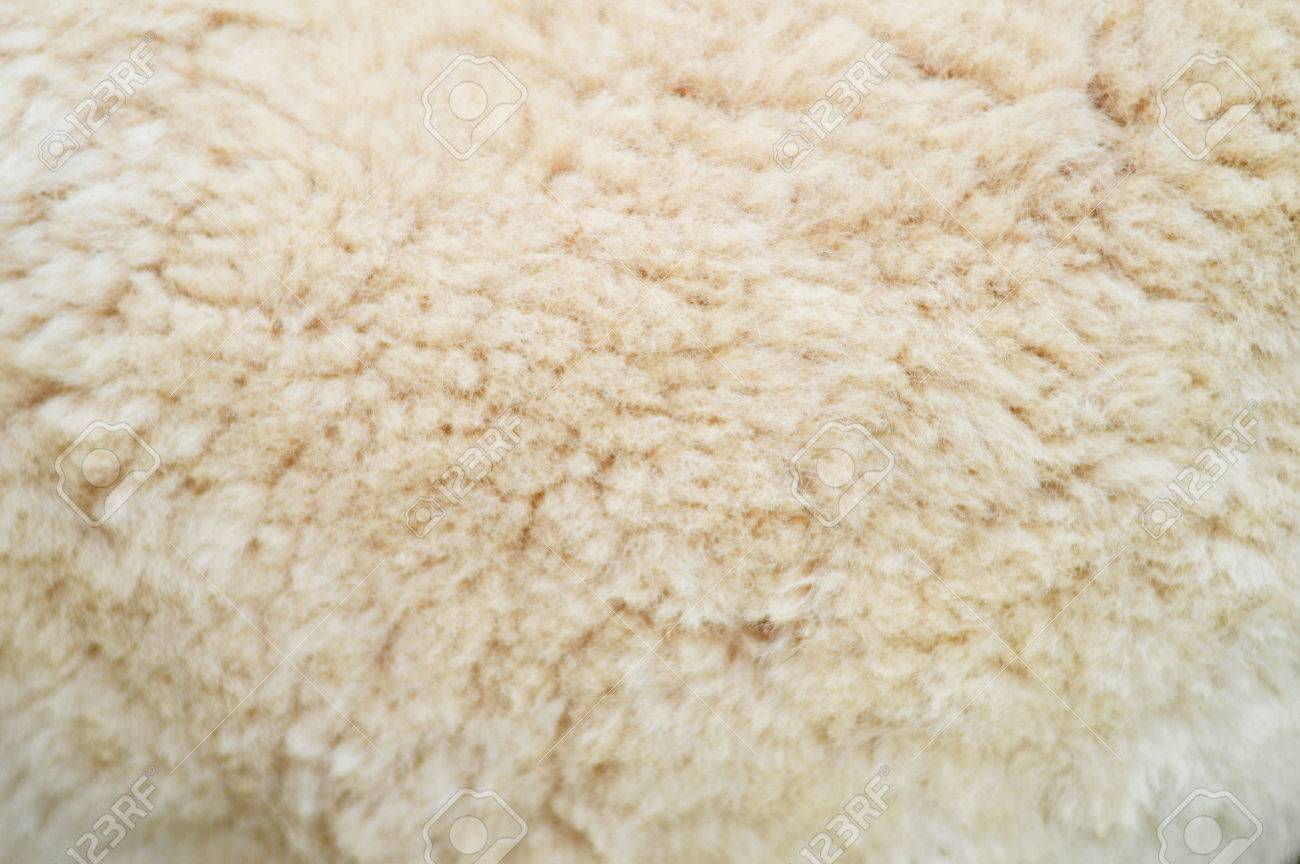
In the early twentieth century, camel hair garments became fashionable. Camel wool has extremely high sound-insulating properties, but it is also less durable than other types of wool. Because camel hair is relatively coarse, it is not suitable for any type of clothing that comes into direct contact with the skin.
Virgin Sheep Wool Fabric
Virgin sheep wool fabric is pure wool made from the very first shearing of a sheep. The term may also refer to wool that has not been recycled.

Angora Wool Fabric
Angora fleece comes from a special breed of rabbit with extremely fine and soft fur. Angora wool fabric is very expensive, and the rabbits that produce it are often not raised in humane conditions.
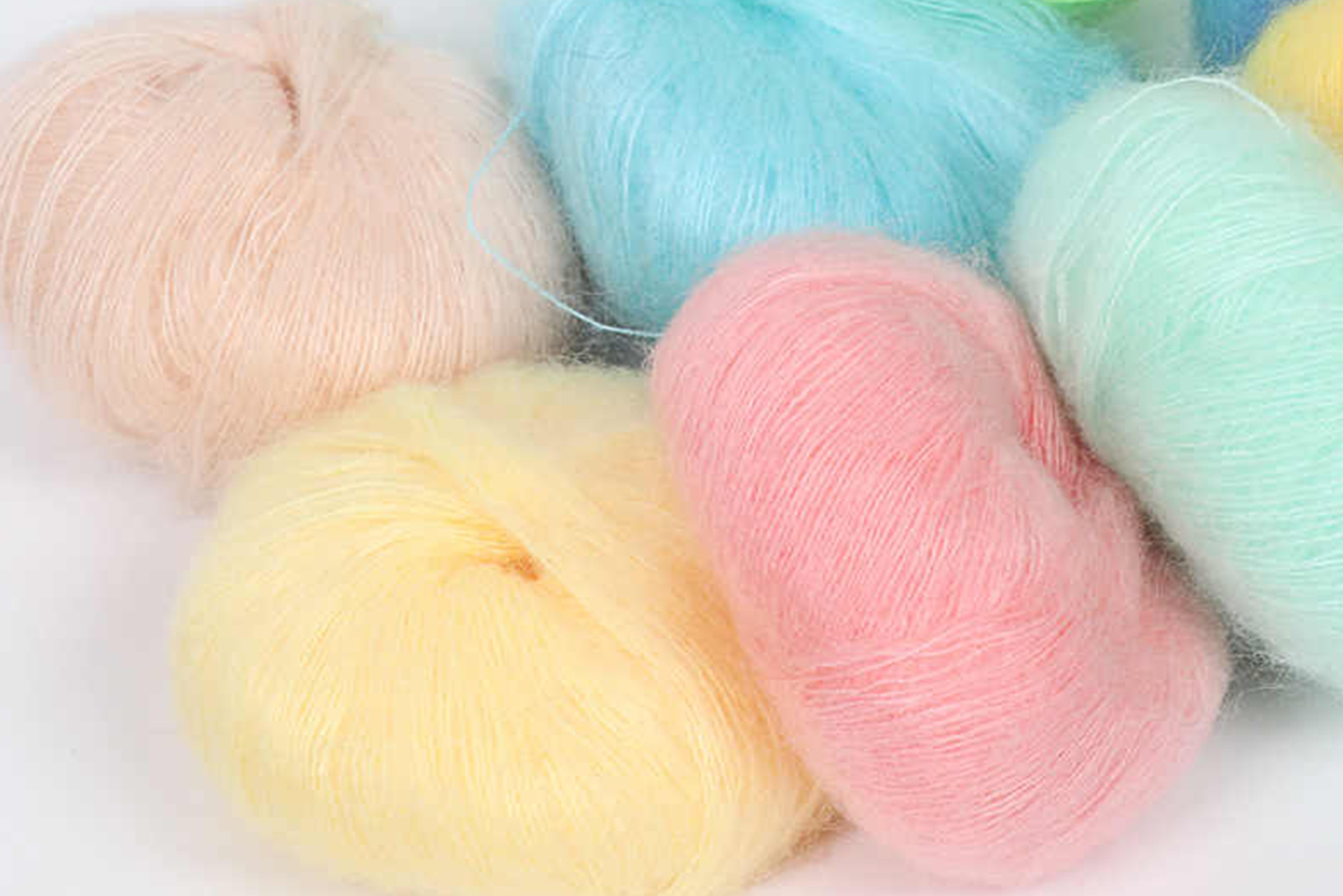
The above are some of the most common types of wool fabric available on the market — a fabric characteristic of winter that is widely applied in daily life, fashion, accessory decoration, and now even bags, making for a very unique and stylish look.
Where to Buy Wool Fabric in Ho Chi Minh City
To ensure quality, it is recommended to visit wool fabric workshops in person to inspect the products and avoid low-quality wool. Some reputable addresses for purchasing wool fabric in Ho Chi Minh City include:
- Wholesale fabric markets in the city: Soai Kinh Lam, Kim Bien Market, Tan Binh Market
- Wool fabric shops on Le Van Sy Street, District 3
- Buying fabric by the meter on e-commerce platforms such as Lazada, Shopee, Tiki — be sure to choose shops with good quality ratings and reviews
How to Store Wool Fabric
Wool fabric is a highly applicable fabric but requires careful storage to keep your woolen clothes and items durable and beautiful. May Hop Phat shares the following tips for storing wool fabric:
- When washing wool garments, avoid using soap with strong bleaching agents — use only neutral soap with minimal detergent to keep wool colors vibrant.
- When drying, you can dry in sunlight and let it air-dry naturally, but do not leave it out too long or over-dry wool garments. The best approach is to dry in the shade for just the right amount of time.
- After winter, wash your wool garments and wool items thoroughly before storing them in a wardrobe or suitcase. Note: be sure to include moisture-absorbing packets to ensure your clothes and items do not develop mold or other issues after winter.
These are some common ways to store wool fabric to keep it beautiful and long-lasting. With proper care, wool items can be reused many times and remain like new for years without going out of style.
How to Wash Wool Fabric
To keep wool fabric always maintaining its superior properties, pay attention to the following important points during washing and cleaning:
- Remove excess dust and dirt from wool fabric by firmly shaking the garment or using a specialized device.
- Do not soak wool fabric in hot water or use strong detergents. Mix a sufficient amount of neutralizing vinegar into the wash water to preserve the color of the wool fabric.
Closing Note
Wool fabric is a highly applicable and widely used textile. With the above information, May Hop Phat hopes to have provided useful knowledge about this fabric type.