

 Tiếng Việt
Sewing machines are no longer a novelty for most people. Today, there are countless modern electronic sewing machines powered by advanced electrical technology. But vintage sewing machines remain timeless tools with outstanding features that continue to win people over.
One of the most popular vintage sewing machines today is the vintage Singer sewing machine. The attributes of Singer machines have always stood out compared to other old sewing machine brands. If you appreciate a touch of nostalgia but don’t want to sacrifice functionality compared to modern machines, Singer is the top choice for your used sewing machine purchase. Today, Hop Phat shares some practical tips for buying a vintage Singer sewing machine — let’s dive in.
A Brief History of the Singer Sewing Machine
In the late 1800s, many manufacturers competed fiercely for the top position in the sewing machine market. All of these vintage sewing machines used their own personalized components, which are very difficult to find today. Many of them used a long shuttle instead of the bobbin we are more familiar with today. These shuttles were very hard to find and did not function as well as modern bobbins.

Singer didn’t necessarily manufacture the best sewing machines, but they were exceptionally skilled at marketing. They offered smart installment payment plans to customers purchasing Singer machines and encouraged trade-ins to keep people buying more machines. Singer gradually dominated the sewing machine market. These vintage Singer sewing machines were built to last. Many Singer machines outlived their original owners and were passed down through multiple generations without ever becoming obsolete.
Tips for Buying a Vintage Singer Sewing Machine
General Tips When Buying a Vintage Singer Sewing Machine
- The handwheel should turn smoothly.
- The needle (or needle bar) must move up and down in sync with the handwheel and presser foot.
- The foot pedal of the sewing machine must move evenly and smoothly with each rotation of the handwheel.
- The bobbin case must rotate or oscillate when the handwheel is turned.
- Look for any obviously missing or broken parts, missing screw holes, etc.
- Vintage Singer sewing machine equipment manufactured between the 1920s and 1950s was built very well and does not require non-standard bobbins, shuttles, or needles.
- Vintage Singer sewing machines are arguably the most popular type of old sewing machine available today, so you should research the various Singer machine models online thoroughly to better understand the type of machine you need.
- Compare prices across multiple popular Singer models to find a vintage Singer sewing machine that is practical yet affordable.
-
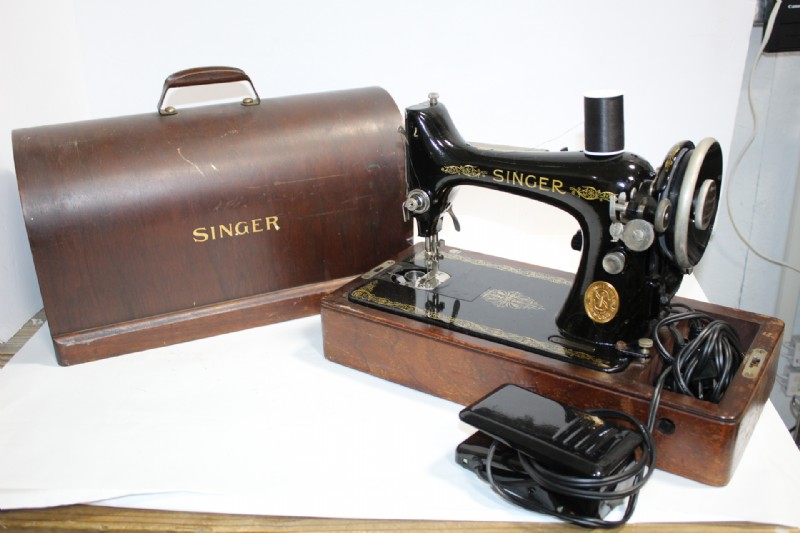
Vintage Singer sewing machine
This is a general checklist of tips when choosing to buy a vintage Singer sewing machine. Vintage sewing machines have notable functional advantages that make it easy to control stitching on complex designs such as garments, various types of bags, and specialized backpacks. Hop Phat will analyze the different types of vintage Singer machines in a future article so you can better understand the features of each type and choose the right vintage sewing machine for your budget and needs.
Bobbins and Sewing Needles
If you own a modern sewing machine, it typically uses a Class 15 or Class 66 bobbin. These were originally used in the vintage Singer model 15 and Singer 66 machines, and the widespread popularity of these two models set an industry standard that most brands adopt today — and that sewing workshops prioritize above all else. Similarly, your modern sewing machine likely uses the standard 2020 needle (also known as 15×1 or HA1 — all the same needle type). Once again, this is an industry standard set by the popularity of early-generation Singer sewing machines.
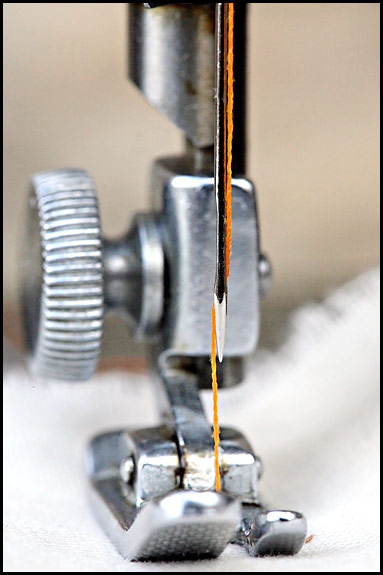
The great thing about vintage Singer sewing machines is that you can generally use standard needles, bobbins, presser feet, and accessories. It is also fairly easy to find compatible replacement parts since there are so many people still using vintage Singer sewing machines today. For most vintage Singer models, you will easily find detailed guides online on how to clean, oil, troubleshoot, repair, operate, service, and read parts diagrams.
These vintage Singer sewing machines are highly recommended for purchase because they were manufactured in large quantities and there is a wealth of information about them available online — you can easily look up everything you need to know. Vintage Singer sewing machines feature metal gears (rather than plastic, as is common today) and are well-designed to stand the test of time. In terms of production dates, they range from the early years all the way through the 1960s. To this day, vintage Singer sewing machines continue to be widely used, even in their manual form.
Components Inside a Vintage Singer Sewing Machine
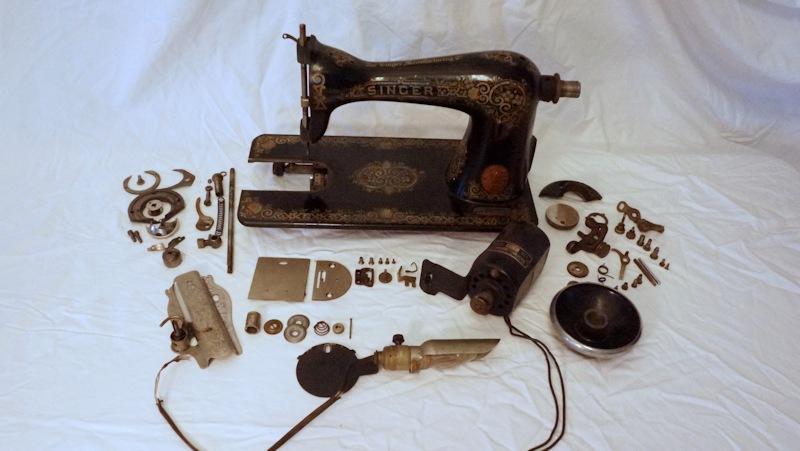
If you want to buy a vintage Singer sewing machine, you will need replacement parts when the machine encounters issues. Be cautious with sellers — it is best to go in person to inspect the components and negotiate the ability to test the parts you purchase with the machine, ensuring that any defects can be exchanged or returned. This helps you avoid counterfeit or low-quality floating goods. You can also check reviews for reputable shops that have a long track record of selling vintage sewing machine components. The parts for vintage Singer sewing machines tend to be quite costly, so if you find them at a low price, inspect them carefully to avoid wasting both money and effort.
Conclusion
That wraps up Hop Phat’s shared tips for buying a vintage Singer sewing machine. We hope this information helps you better understand the various vintage Singer sewing machine models so you can find the one that is the right fit for you. If you need further advice or are interested in our bag and backpack manufacturing services, feel free to contact us at hotline 0909 938 333 or visit https://mayhopphat.com.