

 Tiếng Việt
Jute bags are the leading choice for fashionable and eco-friendly accessories. However, proper cleaning methods remain a major concern. Are you wondering how to keep your bag durable and beautiful, without shrinking or fading after washing? Don’t worry! This article will share detailed instructions on how to wash jute bags properly, keeping your bag looking like new.
I. Why Wash Jute Bags Properly?
1. Benefits of Proper Bag Hygiene
Protecting health and personal hygiene is the primary reason you need to care about cleaning premium jute bags. Bags used daily will accumulate bacteria, dust, and odors from the surrounding environment. When not cleaned regularly, these contaminants can cause skin irritation or respiratory problems.

Extending lifespan is an undeniable benefit. Natural jute fibers have high durability, but without proper care, they will quickly deteriorate. Regularly washing jute bags helps remove harmful agents, keeping the material soft and resilient.
Maintaining aesthetics and style is also very important. A clean bag not only makes a good impression but also demonstrates the meticulous personality of the user. Bright colors and beautiful shapes will help you stay confident in all circumstances.
2. Harmful Effects of Incorrect Washing Methods
Fading and loss of color sharpness is the first consequence when you apply incorrect jute bag washing methods. Using water that’s too hot or strong detergents will break down the natural color structure of jute fibers, making the bag look dull and unattractive.

Shrinkage and deformation is another serious problem. Jute fibers have the property of contracting when exposed to high temperatures. If you use excessively warm water or dry in harsh sunlight, the bag will lose its original shape and cannot be restored.
Reduced durability and torn spots often occur when rubbing too hard. Though durable, jute fibers need gentle handling. Using stiff brushes or strong mechanical action will break fabric fibers.
II. Preparing Necessary Tools for Washing Jute Bags
1. List of Tools to Prepare
| Tools | Purpose | Important Notes |
|---|---|---|
| Cold/moderately warm water | Dilute detergent | Temperature below 30°C |
| Mild soap | Clean ordinary stains | Dilute before use |
| Soft brush | Handle stubborn stains | Soft bristles, won’t fray fabric |
| White cloth | Wipe and absorb water | Avoid color bleeding onto bag |
| Large basin | Contain wash water | Wide enough to soak bag |
| Rubber gloves | Protect hands | When using detergent |
Clean water is the most important element in the jute bag cleaning process. You should use filtered tap water or purified water to avoid impurities that can cause yellowing. The ideal water temperature is 25-30°C – warm enough to dissolve dirt but won’t shrink fibers.
Specialized detergent also plays a key role. May Hop Phat recommends choosing products with neutral pH, containing no bleach or strong enzymes. Handmade soap from coconut oil or olive oil is an excellent choice for natural jute fibers.
2. Choosing Appropriate Detergents
Natural cleaning agents are always prioritized when washing jute bags. White vinegar has natural deodorizing and antibacterial abilities without harming fabric fibers. Baking soda helps remove stains and brighten colors safely.

Toothpaste without abrasive particles is also an effective cleaning secret. The fluoride component in toothpaste helps break down protein in food stains. Lemon juice combined with toothpaste creates a powerful cleaning solution for stubborn stains.
Absolutely avoid products containing chlorine, ammonia, or strong acids. These substances not only destroy jute fiber structure but can also leave long-lasting unpleasant odors on bags.
III. Step-by-Step Detailed Jute Bag Washing Instructions
1. Step 1: Check and Remove Items from Bag
Carefully checking every compartment is the first indispensable step in washing jute bags properly. You need to turn over every nook and cranny to ensure no items are left behind. Small paper pieces, chewing gum, or broken pens can cause disastrous stains during washing.
Remove hard objects like locks and hooks if detachable. These metal accessories can scratch or deform the bag when in contact with water and detergent. Check stitching to detect places about to tear that need reinforcement before washing.
Special attention to fresh stains. If you discover blood stains, ink stains, or grease stains, you need immediate treatment with cold water to prevent stains from penetrating deep into fabric fibers.
2. Step 2: Treating Light Stains with Soapy Water
Diluting soap in a 1:10 ratio (1 part soap, 10 parts water) is the golden formula for daily jute bag cleaning. This solution is strong enough to remove dirt but gentle enough not to harm natural fibers.
Soak a soft cloth in the solution and wipe gently following the horizontal direction of fabric fibers. Avoid rubbing vertically as it may stretch and deform the weave structure. Apply moderate force – enough to remove dirt but not fray the surface.
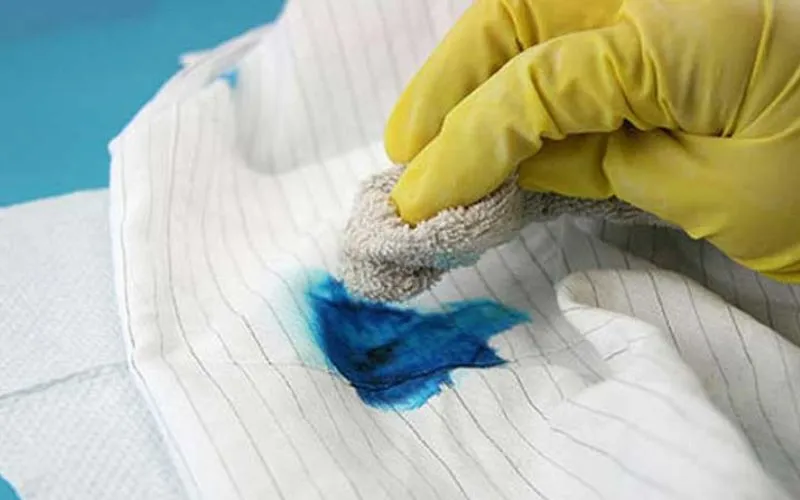
The ideal action time is 3-5 minutes for the active ingredients in soap to completely break down contaminants. Then rinse clean with cold water and pat dry with a clean cloth.
3. Step 3: Treating Heavy Stains with Javel
Using Javel should only be applied to extremely stubborn stains where regular methods are ineffective. The safe dosage is 1/4 cap of Javel diluted with 1 liter of cold water. This concentration is strong enough to break down stain protein structure without harming jute fibers.
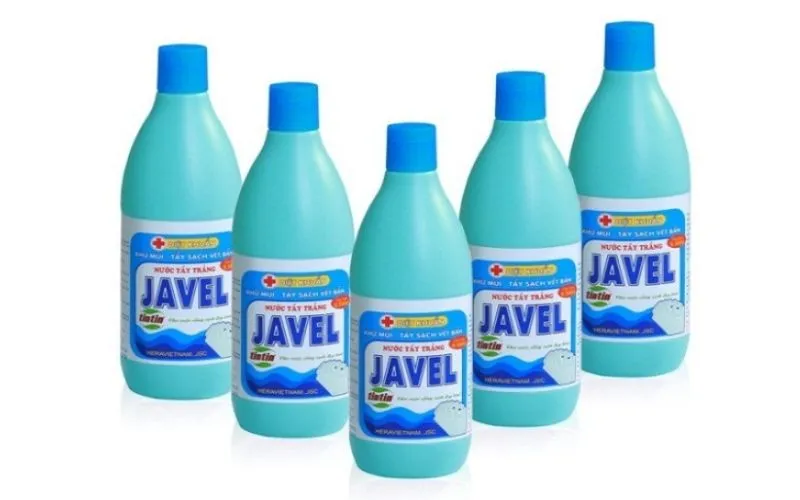
Soak the bag in solution for no more than 5 minutes. This is the maximum time limit that jute fibers can endure without fading or weakening structure. Wear rubber gloves throughout the process to protect hands from chemical effects.
Rinse thoroughly multiple times with cold water until no Javel smell remains. Residual chemical odor can cause skin irritation when using the bag. Check the bag’s color after treatment to ensure no fading.
IV. Methods for Treating Stubborn Stains
1. Toothpaste and Lemon Trick
Combining toothpaste and lemon juice creates an extremely effective natural cleaning solution for protein stains like blood, sweat, or food. The perfect ratio is 2 tablespoons toothpaste mixed with 1 tablespoon fresh lemon juice.
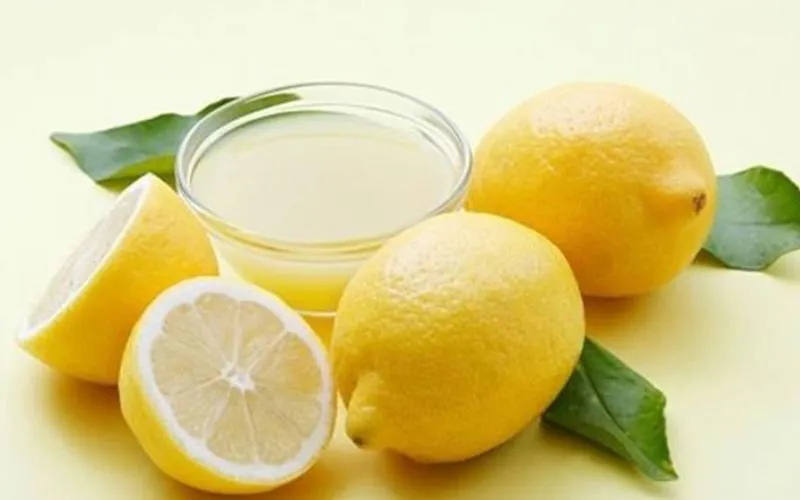
Enzymes in toothpaste combined with citric acid in lemon create a gentle chemical reaction that breaks down stains without harming fabric fibers. Apply the mixture evenly on stains and let it work for 10-15 minutes.
Use an old toothbrush to gently scrub in circular motions. This technique helps the solution penetrate each fabric fiber without causing damage. Rinse clean with cold water and check results.
2. White Vinegar Method
White vinegar is a natural cleaning superstar with deodorizing, antibacterial, and yellowing removal abilities. Dilute vinegar with warm water in a 1:3 ratio to create a safe cleaning solution for jute bags.
Soak the bag in vinegar solution for about 20-30 minutes for acetic acid to have enough time to break down bacteria and mold structure. This method is especially effective for bags with mold from improper storage.
After soaking, gently scrub with a soft brush then rinse thoroughly multiple times. The vinegar smell will completely evaporate after drying, leaving the natural scent of jute fibers.
V. How to Dry and Store Jute Bags After Washing
1. Proper Drying to Prevent Fading
Turning the bag inside out before drying is an important secret to protect colors and prints on the surface. The inside of the bag is less sensitive to sunlight than the dyed outer surface.
Choose an ideal drying location with natural breeze, indirect light, and low humidity. A shaded balcony or near a window are perfect positions. Avoid direct drying in harsh sunlight from 10 AM-2 PM as it can fade colors and stiffen fabric fibers.

Stretch the bag to maintain shape during the drying process. Use wooden clips instead of metal clips to avoid leaving stain marks on the bag. The ideal drying time is 4-6 hours depending on fabric thickness and weather conditions.
2. Storing Bags After Drying
Checking for complete dryness before storage is the deciding factor for bag lifespan. Residual moisture can cause mold and unpleasant odors. Touch bag corners and bottom to ensure complete dryness.
Folding bags properly saves space without wrinkling. Place stiff cardboard or newspaper inside the bag to maintain form, then fold along seams gently.
The ideal storage location is a dry, cool closet avoiding direct light. Place moisture absorber packets next to the bag to maintain stable humidity. Check periodically every 2-3 months to detect early signs of mold or insects.
VI. Important Notes When Washing Jute Bags
1. Common Mistakes to Avoid
Using water that’s too hot is the most common mistake many people make. Temperatures above 40°C will shrink jute fibers and deform the bag. Even warm water needs careful temperature control to ensure safety.
Soaking bags too long in detergent solution can weaken fibers and fade colors. Maximum time for each soak should not exceed 30 minutes with mild detergent and 5 minutes with strong detergent.
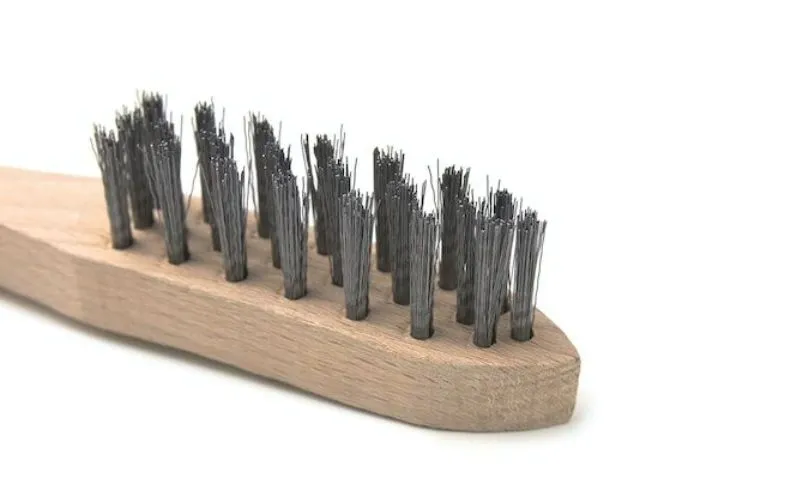
Rubbing too hard with stiff brushes or scrubbing pads will damage weave structure and create ugly fraying. Applying gentle force and patience will bring much better results.
Improper drying such as drying against the wind, drying in humid rooms, or drying too close to heat sources can all damage the bag. Understanding drying principles well will help bags last beautifully longer.
Hopefully with the detailed instructions above, you now clearly understand how to wash jute bags properly, helping protect natural materials and keep bag shape durable and beautiful long-term. Proper care is how you extend the lifespan of this environmentally friendly product. If you need to manufacture jute bags in large quantities for advertising campaigns, or need deeper consultation about materials, don’t hesitate to contact us at 0909.938.333.