

 Tiếng Việt
Professional Bag Manufacturing Technology Process 2025
I. Overview of Vietnam’s Bag Manufacturing Industry
1. Global Bag Market
The global bag market currently reaches a value of over $65 billion, with a stable growth rate of 6.8% annually. Vietnam is holding 3rd position in the list of world’s leading bag exporting countries, only after China and Italy.
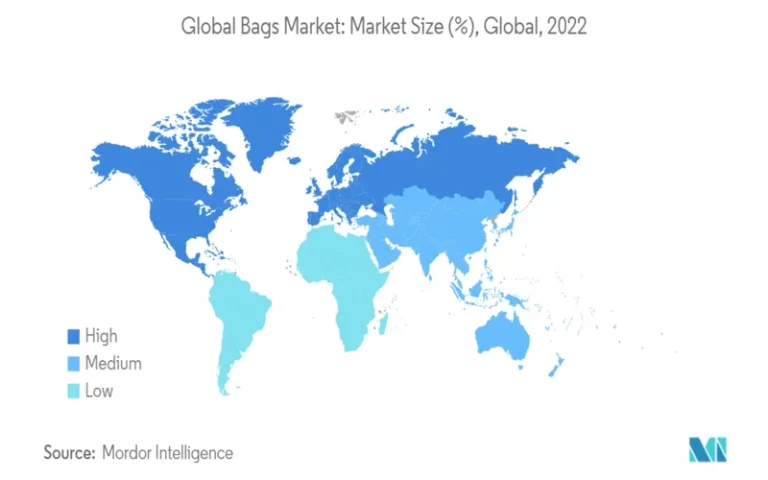
Vietnam’s main export markets include:
| Market | Share | Product Characteristics |
|---|---|---|
| USA | 35% | High-end fashion bags |
| Japan | 25% | Premium quality office bags |
| Europe | 20% | Eco-friendly bags |
| South Korea | 15% | Trendy K-fashion bags |
| Others | 5% | Diverse segments |
Hop Phat Manufacturing has successfully exported over 2 million products to 15 countries, affirming its position in Vietnam’s garment industry.
2. Modern Manufacturing Technology Trends
Industry 4.0 technology is completely changing the way bags are produced. Artificial Intelligence (AI) helps optimize fabric cutting, reducing material waste by 15-20%. Internet of Things (IoT) allows real-time product quality monitoring.

Advanced technologies applied:
- Automatic laser cutting machines with precision up to 0.1mm
- ERP systems managing the entire production process
- AI cameras automatically detecting product defects
- Sewing robots performing repetitive operations
II. 12 Steps of Professional Bag Production Process
1. Preparation and Design Phase
Step 1: Receiving Customer Requirements
Customer requirement analysis is the foundation of the entire process. Hop Phat Manufacturing uses detailed questionnaires to understand customer needs:
- Purpose of use: Office bags, travel, fashion?
- Target users: Men, women, children?
- Expected budget: Which price segment?
- Production quantity: Order scale?
- Delivery time: Specific timeline?

Material consultation based on 15 years of experience in the industry:
- Genuine leather → High-end bags, long-lasting
- Simili → Affordable price, diverse colors
- Canvas fabric → Eco-friendly, youthful
- Waterproof fabric → Water-resistant, suitable for travel
Step 2: Design and Create Paper Samples
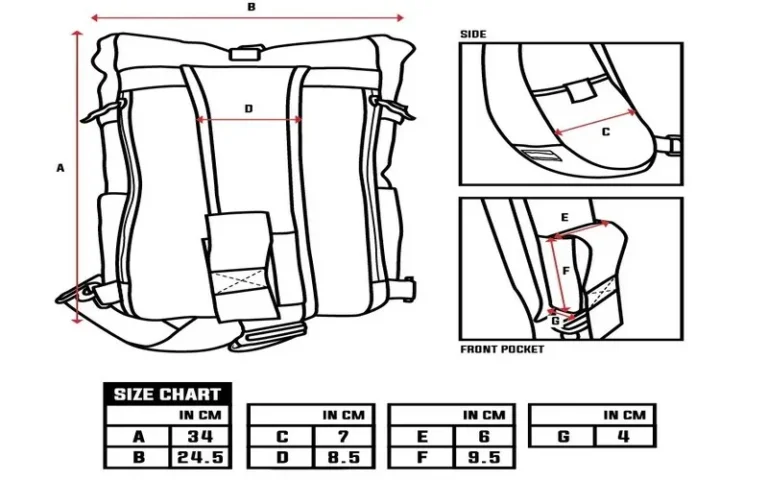
Professional CAD software like Lectra or Gerber is used to create accurate 3D designs. Hop Phat’s design engineers can adjust designs according to specific requirements within 2-3 hours.
Pattern makers are created with high precision, including:
- Main fabric pieces (bag body, flap, bottom)
- Accompanying accessories (straps, side pockets)
- Cutting and sewing lines in detail
- Step-by-step assembly instructions
Step 3: Material Selection
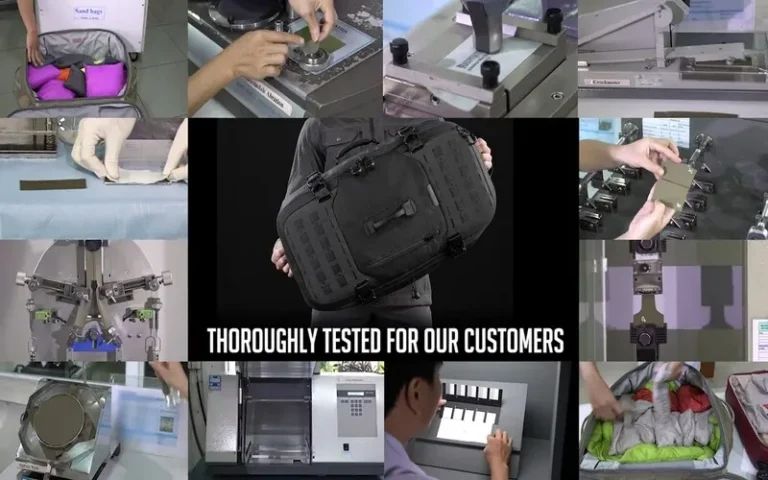
Hop Phat’s fabric selection standards:
| Criteria | Requirement | Testing Method |
|---|---|---|
| Durability | >1000 stretch cycles | Martindale durability tester |
| Color | No fading after 50 washes | Colorfastness testing |
| Thickness | 0.8-1.2mm | Thickness gauge measurement |
| Water resistance | Level 3 or higher | Spray rating test |
Material calculation is performed using specialized software, ensuring 99% accuracy and cost savings.
Related articles:
– Online bag sewing courses help you master techniques from basic to advanced with detailed instructions. – Bag sewing technical documentation from design to product completion, helping sewers master standard production processes.
2. Sample Production Phase
Step 4: Creating Handmade Prototype
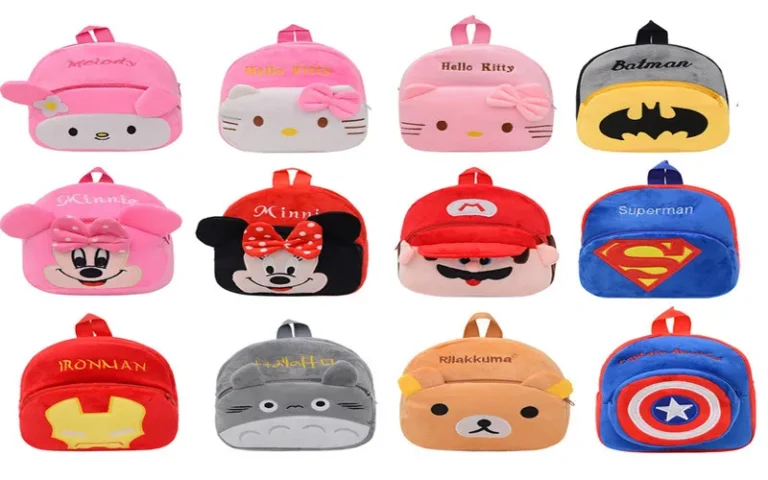
High-end sewing craftsmen with over 10 years of experience will perform prototype sewing. This process requires absolute meticulousness as it determines the quality of the entire batch.
Sewing steps:
- Cutting fabric according to designed pattern
- Test sewing main seams
- Temporary accessory installation
- Size and proportion checking
- Overall aesthetic evaluation
Sample creation time: 2-3 working days for simple samples, 5-7 days for complex samples.
Step 5: Sample Approval and Adjustment
Hop Phat’s standardized feedback process:
- HD images from multiple angles
- Demonstration video of functionality
- Detailed technical report
- Improvement suggestions if needed
Customers can request adjustments up to 3 times without additional costs. Satisfaction rate from the first sample reaches 85%.
Step 6: Mass Production Preparation
Bulk material ordering helps significantly reduce costs. Hop Phat Manufacturing has partnership relationships with over 20 reputable suppliers domestically and internationally.
Production planning includes:
- Labor allocation for each stage
- Optimal machine scheduling
- Time estimation with 15% buffer
- Warehouse and packaging preparation

3. Scale Production Phase
Step 7: Industrial-Scale Fabric Cutting
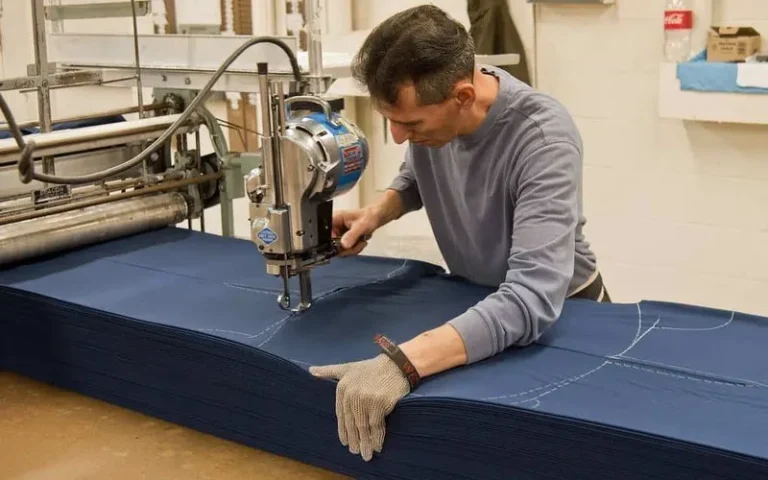
CNC automatic cutting machines allow cutting 50-100 fabric layers simultaneously, increasing productivity 10 times compared to manual cutting. Accuracy reaches ±0.5mm, ensuring product uniformity.
Fabric usage optimization:
- Nesting software efficiently arranges patterns
- Waste reduction to below 5%
- Reusing excess fabric for by-products
Fabric cutting productivity: 3000-5000 pieces/day depending on complexity.
Step 8: Sewing and Assembling Components
Hop Phat’s professional sewing line is divided into specialized stages:
- Bag body sewing – 5 professional workers
- Strap attachment – 2 experienced workers
- Zipper installation – 3 meticulous staff
- Detail finishing – 4 skilled workers
- Preliminary inspection – 2 dedicated QC staff
Industrial sewing machines used:
- Juki DDL-8700 for straight stitching
- Brother S-7300A for zigzag sewing
- Singer 20U for overlock sewing
- Durkopp 867 for thick leather sewing
4. Finishing and Shipping Phase
Step 9: Logo Printing, Embroidery and Decoration
Modern printing technologies available:
| Method | Advantages | Suitable for |
|---|---|---|
| Heat transfer printing | Vibrant colors | Complex logos |
| Computer embroidery | Elegant, durable | Simple logos |
| Screen printing | Low cost | Large quantities |
| Embossing | 3D effect | Premium logos |
Hop Phat Manufacturing owns Tajima 12-head embroidery machine with speed of 1200 stitches/minute, allowing precise logo embroidery to every detail.
Step 10: Final Quality Inspection
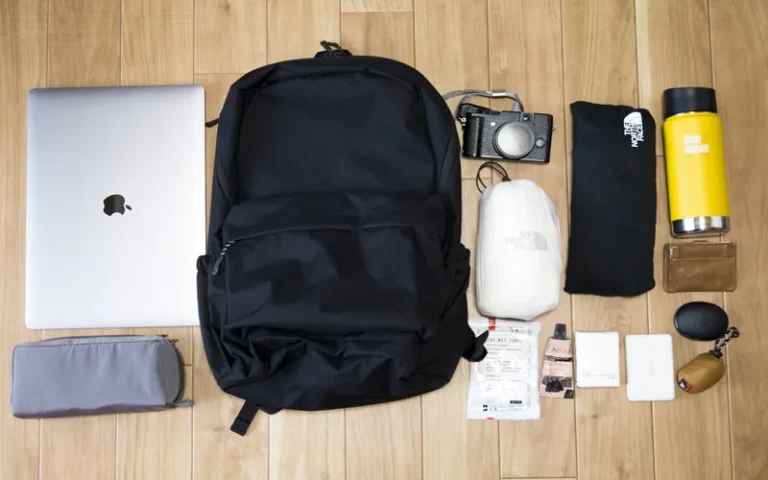
3-tier QC system:
- Level 1 – Self-inspection: Each worker self-checks products
- Level 2 – Team inspection: Team leader checks 20%
- Level 3 – Final QC: QC department checks 100%
Inspection criteria:
- Stitching straight, even, no broken threads
- Dimensions accurate to design ±2mm
- Colors uniform, no stains
- Accessories functioning smoothly
- Cleanliness clean, no dirt marks
Product pass rate: 98.5% from first inspection.
Step 11: Packaging and Delivery
Professional packaging specifications:
- Transparent PE bags protecting from dust
- Product information tags
- Acid-free wrapping paper preventing moisture
- 5-layer sturdy carton boxes

Logistics and transportation:
- Careful packaging avoiding impacts
- On-time delivery 99.2% of orders
- Real-time tracking
- Comprehensive goods insurance
III. Modern Technology and Machinery
1. Essential Machinery in Production
Hop Phat Manufacturing invests over 8 billion VND in modern machinery lines:
Juki DDL-8700 Industrial Single-Needle Sewing Machine:
- Sewing speed: 5500 stitches/minute
- Low noise: <75dB
- Energy saving: 30% compared to old machines
- Lifespan: 15-20 years
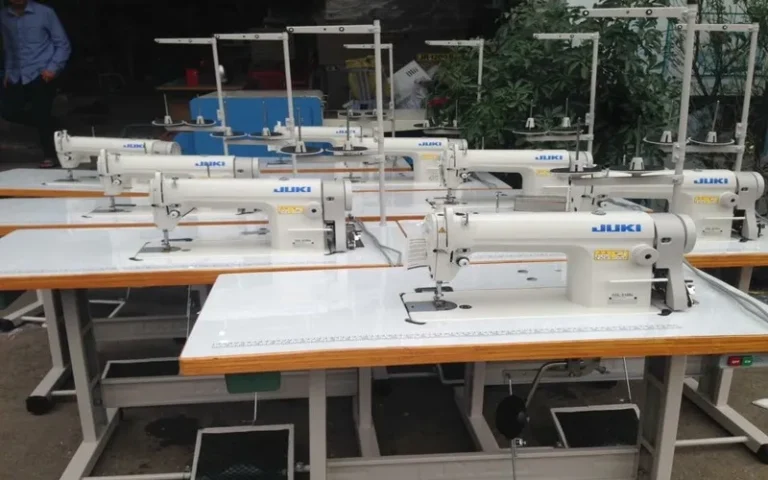
Essential Machinery
Gerber Z1 Automatic Fabric Cutting Machine:
- Cutting area: 1.8m x 25m
- Cutting thickness: Up to 50mm
- Cutting speed: 60 m/minute
- Accuracy: ±0.1mm
Tajima TMEF-620 Multi-Head Embroidery Machine:
- Number of heads: 6-20 heads
- Embroidery speed: 1200 stitches/minute
- Resolution: 0.1mm
- Memory: 100 million stitches
2. Automation Technology
Comprehensive ERP system management:
- Order tracking from A-Z
- Real-time warehouse management
- Automatic cost calculation
- Periodic performance reports
IoT in production:
- Temperature and humidity sensors in warehouse
- 24/7 machinery monitoring
- Instant failure alerts
- Smart predictive maintenance

AI in quality inspection:
- Smart cameras detecting defects
- Machine learning algorithms learning from data
- Accuracy rate: 99.7%
- Inspection speed: 10x faster than humans
IV. Quality Management and Standards
1. ISO 9001 Quality Management System
Hop Phat Manufacturing has been ISO 9001:2015 certified since 2018, confirming quality commitment:
Input control:
- Supplier evaluation every 6 months
- Material inspection 100% of shipments
- Sample storage for every production batch
- Complete traceability

Process monitoring:
- Checklists for each stage
- Daily performance measurement
- Root cause analysis when issues occur
- Continuous process improvement
2. International Export Standards
CE certification for European market:
- Chemical safety testing
- Mechanical durability checking
- Environmental impact assessment
- REACH regulation compliance
CPSIA standards for US market:
- Lead limit <90ppm
- Phthalates testing for children’s products
- Tracking label for traceability
- Independent third-party testing
This article has helped you master each stage in bag production, enabling businesses to optimize costs, enhance quality, and meet export standards. Contact Hop Phat Manufacturing at 0909 938 333 for more sharing about professional and effective bag manufacturing technology process.