

 Tiếng Việt
Fashion jute bags are not only environmentally friendly but also durable. However, do you know how to properly store jute bags to keep them looking brand new? A few small tips can help your jute bags last longer, avoid damage, and maintain their natural beauty. In this article, May Hop Phat will share simple yet effective secrets, from proper cleaning to smart storage methods, so you can maximize the use of your favorite bag.
I. Why Do Jute Bags Need to Be Properly Stored?
1. Characteristics of Natural Jute Fiber Material
Natural jute fiber has a special porous structure that allows the bag to “breathe” naturally but also easily absorbs dust and moisture from the environment. This material is woven from jute plant bark, creating highly durable fibers that require careful care.

Unlike plastic bags or leather bags, jute bags have good absorption capabilities, which is both an advantage and a challenge in the storage process. When exposed to humid air, jute material can develop mold if not handled properly.
2. Benefits of Proper Storage
Properly storing jute bags brings many practical benefits:
- Extends lifespan from 2-3 years to 5-7 years
- Maintains natural colors without fading
- Preserves shape without deformation
- Saves costs on replacing new products
According to research by May Hop Phat, properly stored bags can maintain 85% of their original beauty after 3 years of use, while those not properly cared for only retain 40% quality.
II. Understanding Jute Bag Material
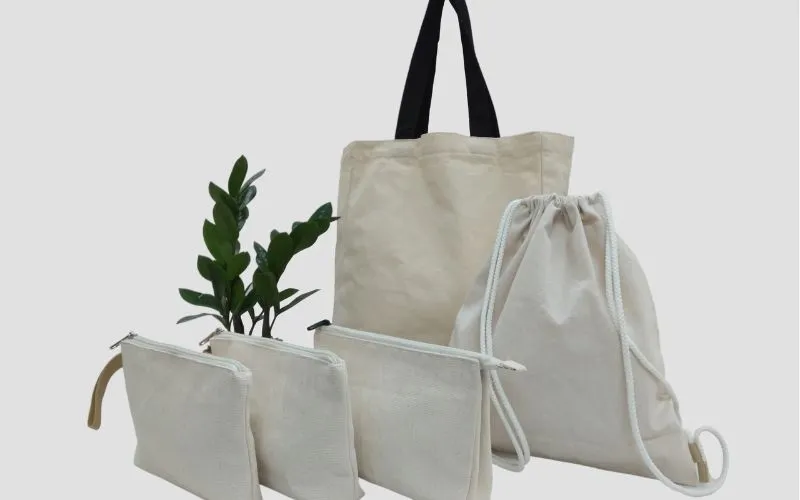
1. 100% Natural Jute Bags
Pure jute bags are made entirely from jute plant fibers, with a characteristic natural brown color. This type of bag is highly durable but quite rough, easily affected by sunlight and high humidity.
Identification characteristics:
- Surface has slight fuzziness
- Uniform brown color
- Light natural plant smell
- Slightly rough to the touch
2. Jute Linen Bags (Faux Jute)
Jute linen bags are actually products made from polyester fibers processed to resemble jute fibers. This type is softer, easier to print on, but not as environmentally durable as natural jute.

How to distinguish:
- Smoother surface
- Diverse colors
- Less water-absorbent
- Usually higher price
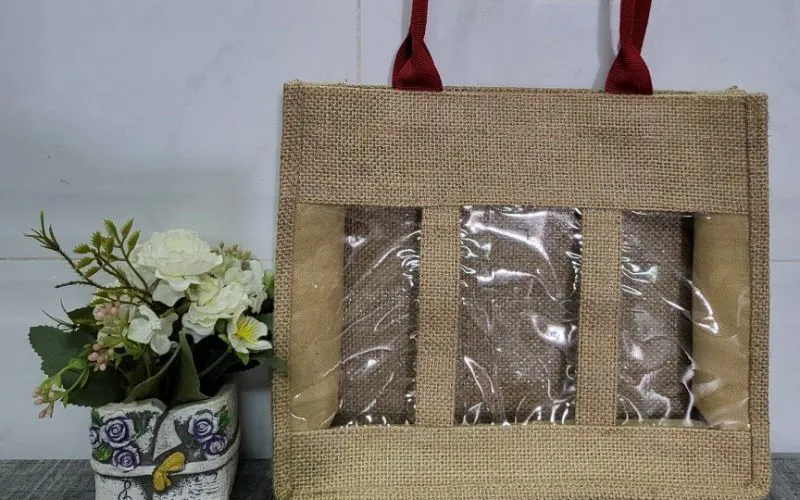
3. Jute Canvas Bags with Protective Coating
Some premium jute bags are coated with a thin polymer layer to increase water and dust resistance. This type requires special jute bag storage methods to avoid damaging the coating.
III. Daily Maintenance Routine
1. Cleaning After Each Use
Daily cleaning is the most important step in how to store jute bags. After each use, you should:
- Remove all items from the bag
- Pat gently to remove dust
- Use a soft brush to clean corners
- Let the bag air out for at least 30 minutes
Expert tip: If the bag has an unusual smell, sprinkle some baking soda inside, leave overnight, then vacuum clean. This is a safe and effective bag deodorizing method.
2. How to Safely Wash Jute Bags
Washing jute bags properly determines the product’s lifespan. May Hop Phat recommends the following process:
Hand Washing (Recommended):
- Prepare warm water at 30-35°C
- Mix neutral soap without bleach
- Soak bag for 15-20 minutes
- Gently scrub with soft brush
- Rinse thoroughly multiple times

Machine Washing (Carefully):
- Use gentle wash cycle
- Water temperature not exceeding 40°C
- Place bag in laundry mesh for protection
- Do not use fabric softener
| Stain Type | Treatment Method | Time | Effectiveness |
|---|---|---|---|
| Regular dust | Dry brush | 2-3 minutes | 95% |
| Oil/grease | Baking soda powder | 30 minutes | 80% |
| Ink | 70% alcohol | 15 minutes | 70% |
| Coffee | Cold water + vinegar | 20 minutes | 85% |
3. Proper Drying Method
Improper drying can cause jute bags to fade and lose shape. Follow these principles:
- Avoid direct sunlight – dry in a windy, shaded area
- Maintain bag shape by stuffing with newspaper inside
- Flip the bag periodically to dry evenly
- Drying time should not exceed 6 hours

IV. Handling Common Issues
1. Treating Stubborn Stains
When jute bags have long-standing stains, cleaning requires special techniques:
Oil/grease stains: Sprinkle cornstarch or baking soda on the stain, leave for 2-3 hours to absorb oil, then brush clean and wash normally.
Ink stains: Dab medical alcohol on cotton, press gently on ink stain from outside to inside. Avoid rubbing hard which spreads the ink.

Blood stains: Use cold water immediately, then use natural enzymes from pineapple or papaya juice to break down blood proteins.
2. Fixing Fading Problems
Faded jute bags are a common issue, especially with natural-colored bags:
Main causes:
- Strong sunlight exposure
- Using chlorine bleach
- Washing at high temperatures
- Storing in humid environments
Solutions:
- Soak bag in black tea for 30 minutes to restore natural brown color
- Use coconut oil applied lightly to brighten colors
- Avoid strong bleaches in the future
3. Handling Mold and Unpleasant Odors
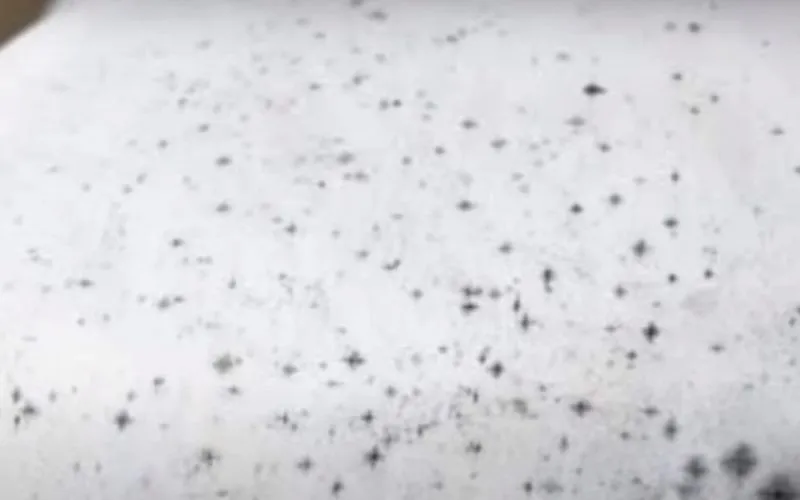
Mold on jute bags usually appears when stored in humid environments:
Early warning signs:
- Light moldy smell
- Small white spots
- Damp feeling when touched
Treatment methods:
- Take bag outside to dry naturally
- Brush away mold with dry brush
- Wipe with white vinegar diluted 1:1 with water
- Dry completely before storing
V. Long-term Preservation and Storage Methods
1. Preparation Before Storage
Before long-term jute bag storage, complete all steps:
- Clean thoroughly according to guided procedures
- Check and repair minor damages
- Dry 100% – this is the most important factor
- Treat any remaining stains
2. Ideal Storage Environment
Long-term jute bag storage requires suitable environment:
| Factor | Ideal Level | Harm If Wrong |
|---|---|---|
| Temperature | 18-25°C | Shrinkage, cracking |
| Humidity | 45-55% | Mold, odor |
| Light | Dark, ventilated | Fading |
| Ventilation | Air circulation | Stuffiness |
3. Storage Methods
May Hop Phat recommends 3 effective bag storage methods:
Method 1 – Using newspaper:
- Stuff old newspaper inside bag to maintain shape
- Wrap outside with breathable cotton fabric
- Place in cardboard box with ventilation holes
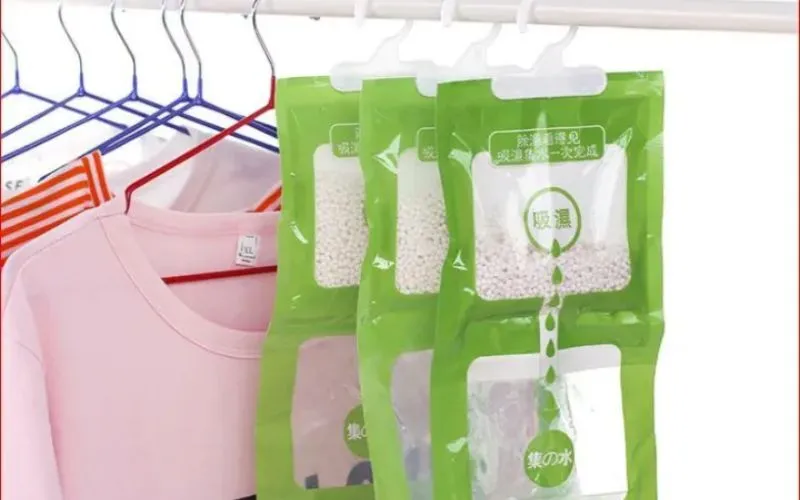
Method 2 – Hanging in closet:
- Use non-rust hangers
- Ensure bags don’t touch each other
- Place moisture absorbers in closet
Method 3 – Flat storage:
- Fold bag carefully along natural creases
- Stack no more than 3 bags on top of each other
- Place moisture-proof paper between layers
VI. Expert Tips and Experience
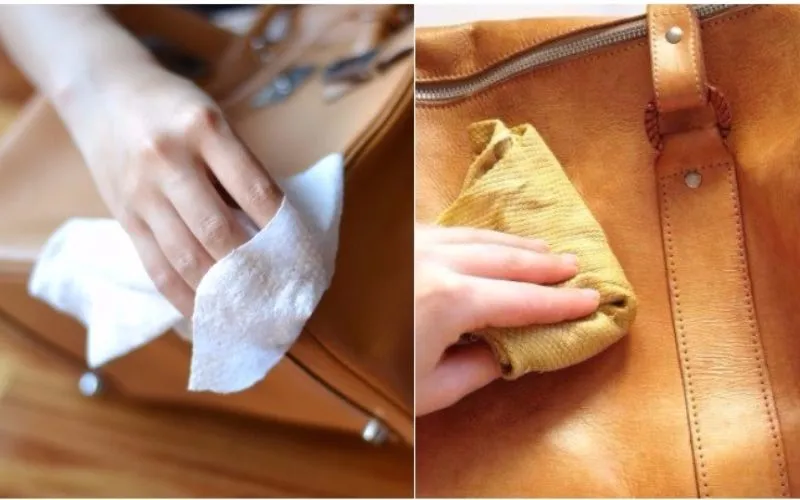
1. Maintenance Support Products
Some bag care products can help effectively:
Natural fabric protection spray: Creates thin film preventing water and dust. Use once per month.
Silica gel moisture absorbers: Place inside bag when storing to control humidity. Replace every 3 months.
Specialized cleaning solution: For natural fabric bags, contains no toxic chemicals.
2. Regular Maintenance Schedule
Weekly:
- Check bag condition
- Light dust cleaning
- Let bag air out
Monthly:
- General cleaning
- Check and treat stains
- Replace moisture absorbers if needed
Seasonal:
- Deep maintenance
- Change storage location
- Check storage environment
3. Signs Requiring Replacement
Although proper jute bag storage can significantly extend lifespan, there are times when replacement is needed:
- Fiber threads broken in multiple places
- Color faded beyond restoration
- Persistent mold smell that won’t go away
- Repair cost higher than buying new
This article has shared practical secrets about how to properly store jute bags, helping you avoid unnecessary damage like fading or tearing. From proper drying to regular checks, everything is simple and effective. The result? Long-lasting beautiful bags, time savings, and contribution to environmental protection. Contact our team for consultation and quick product orders!