

 Tiếng Việt
How to Sew Fabric Bag Strap Loops at Home. Did you know that small details like strap loops determine the durability of the entire bag? To ensure your handmade products are not only beautiful but also sturdy, you need to know how to sew bag strap loops with proper technique. This article from Hop Phat bag manufacturing workshop will provide detailed step-by-step guidance to create durable and beautiful straps, save costs, and express personal style in just 30 minutes.
I. Why Should You Sew Your Own Bag Straps?
Making your own bag straps is not merely a creative handicraft activity. It’s how you express your unique personality and completely control product quality.

Significant cost savings: Instead of spending hundreds of thousands of dong for a commercial strap, you only need to invest 20,000-50,000 VND for materials. This number is truly impressive compared to market purchase prices!
Customize according to personal style: Do you want pastel-colored gentle straps or vintage pattern personality? Every decision belongs to you. This creates complete difference compared to mass-produced products.
Controllable quality: When sewing yourself, you know exactly the fabric material, thread durability, and processing technique. No more worrying about poor quality straps!
Handmade creative joy: The feeling of completing a handmade product brings pride and indescribable joy. It’s a priceless spiritual experience that money cannot buy.
II. Materials and Tools to Prepare
1. Choose Appropriate Fabric for Straps
Canvas fabric: This is the top choice for beginners. Canvas has superior durability, easy to sew, and reasonable price. Especially, this fabric doesn’t wrinkle easily and keeps shape very well.
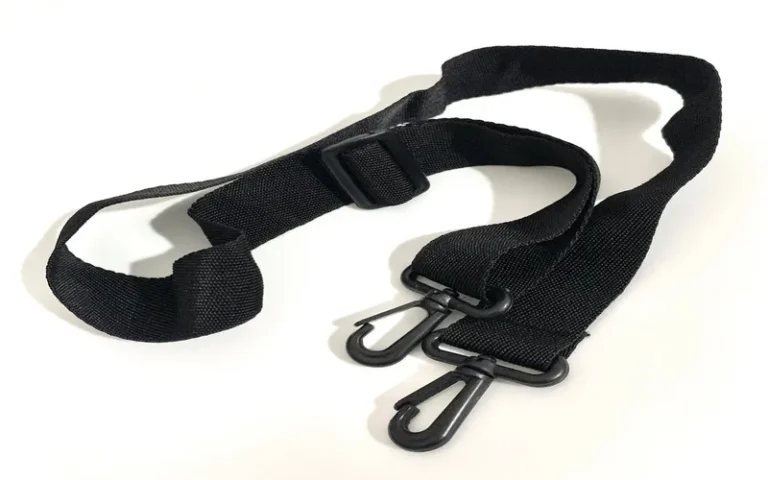
Thick cotton: If you prefer softness and comfort when wearing, thick cotton is the ideal choice. This fabric is skin-friendly, easy to wash, and has many colors to choose from.
Denim: For those who love personality and dynamic style, denim brings a dusty appearance. This material is extremely durable and never goes out of style.
Canvas cloth: This is the most economical choice but still ensures good quality. Canvas cloth is easy to find, cheap, and suitable for first trial projects.
| Fabric Type | Durability | Price | Sewing Difficulty | Suitable For |
|---|---|---|---|---|
| Canvas | ⭐⭐⭐⭐⭐ | Medium | Easy | Beginners |
| Thick cotton | ⭐⭐⭐⭐ | Low | Very easy | Everyone |
| Denim | ⭐⭐⭐⭐⭐ | Medium | Medium | Experienced people |
| Canvas cloth | ⭐⭐⭐ | Very low | Easy | New experimenters |
2. Necessary Sewing Tools
Sewing machine or needle and thread: Sewing machine helps speed up and ensure even stitching. However, if you don’t have a sewing machine, you can completely hand sew with specialized needle and thread.
Specialized fabric scissors: Invest in a sharp and specialized scissors for fabric. This helps cut accurately and doesn’t fray fabric threads.
Measuring tape and tailor’s chalk: Accurate measuring is the most important step. Flexible measuring tape and easy-to-erase chalk will be useful tools.

Safety pins and iron: Safety pins help fix fabric during sewing. Iron ensures flat fabric and neat stitching lines.
D-ring metal loops: This is an important accessory that helps attach straps to bags securely and professionally.
III. Step-by-Step Guide to Sewing Strap Loops ✨
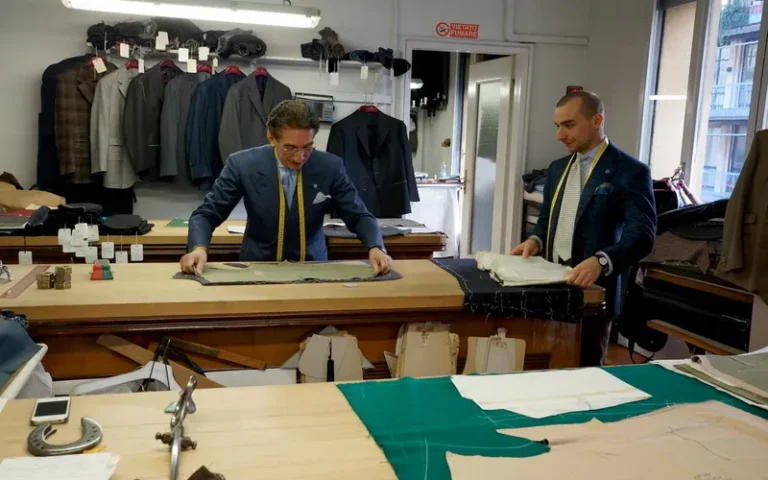
1. Measure and Cut Fabric Accurately
Determine desired strap length: This is the key step determining the convenience of the bag. For shoulder bags, length 60-80cm is most suitable. Crossbody bags need straps 100-120cm.
Cut fabric in 4:1 ratio: If you want a 3cm wide strap, cut fabric 12cm wide. This formula ensures sturdy strap after folding and sewing.
Leave 5cm extra at each end: This extra part is extremely important for attaching metal loops. Don’t skimp at this step as it affects overall durability.
2. Prepare and Fold Fabric
Press fabric flat: This step helps remove wrinkles and creates a perfect foundation for sewing. Flat fabric will give more beautiful stitching.
Fold in half lengthwise: Place right sides of fabric facing each other. This ensures the beautiful side will be outside after completion.
Fold again to hide fabric edges: This step creates neat edges and hides unattractive fabric edges. Result will be much more professional.
3. Sew Strap Edges
Sew straight line along folded edge: Keep even distance from edge about 0.5-1cm. This creates sturdy stitching while remaining aesthetic.
Use straight or zig-zag stitch: Straight stitch for classic appearance, zig-zag stitch increases elasticity and prevents fraying.
Ensure even and secure stitching: Slow but steady speed will give better results than fast but flawed sewing.

4. Attach Metal Loops
Thread loop onto strap end: Choose loop with appropriate size for strap thickness. Loop too wide will not grip tightly, too narrow will be difficult to thread.
Fold strap end back and sew securely: Fold about 3-4cm and sew into rectangle shape. This is the main stress point, needs special attention.
Sew overlapping 2-3 times to increase durability: First sewing layer fixes position, second layer increases durability, third layer ensures absolute safety.
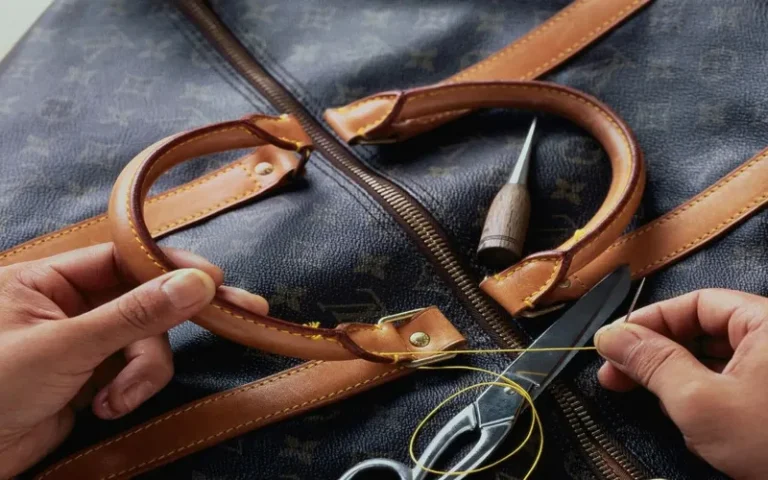
5. Attach Strap to Bag
Determine strap attachment position on bag: Position 5-7cm from bag opening and 8-10cm from side edge is usually most balanced. Measure accurately before sewing.
Sew securely with X-shaped stitching: This is the classic technique ensuring even force distribution across attachment area. Cannot be replaced by other methods.
Test durability by pulling: After completion, test pull with moderate force. If there are signs of looseness, reinforce immediately.
IV. Useful Tips for Durable and Beautiful Straps 💡
1. Reinforcement Stitching Techniques
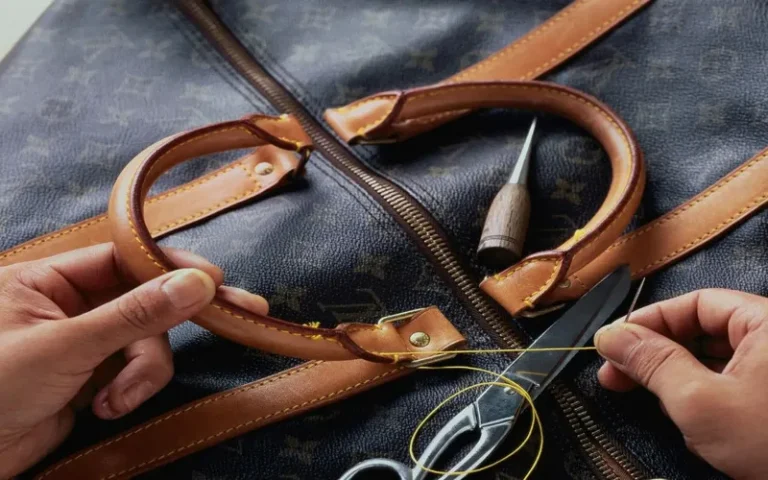
Sew 2-3 times at stress points: Loop attachment points and bag connection need special attention. Time investment at this step will save much repair effort later.
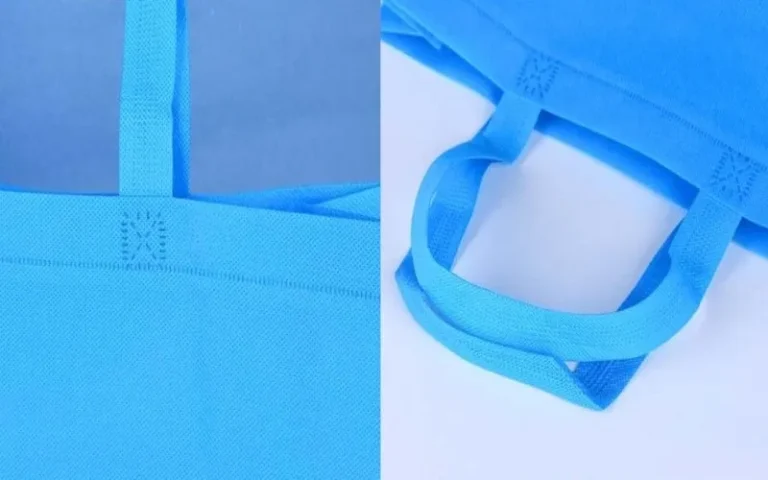
Use high-durability thread: Polyester or nylon thread is more durable than regular cotton thread. Price difference is not significant but durability increases many times.
Sew in X or square shape: X shape distributes force in multiple directions. Square shape creates large contact area. Both are more effective than straight stitching.
2. How to Choose Suitable Colors
Neutral colors easy to match: Black, brown, beige are classic colors that match any outfit. Safe choice for beginners.
Contrasting colors create highlights: Red, yellow, green on black or white background creates eye-catching effect. Suitable for those who love standing out.

Patterns suitable for vintage style: Stripes, polka dots, small flowers bring retro vibes. Excellent choice for classic style.
V. Troubleshooting Common Issues
1. Strap Breaking During Use
Main causes: Fabric too thin, weak stitching, or overloading. Analyzing causes helps avoid repeating mistakes.
Effective repair: Reinforce with new fabric piece placed over damaged area. Sew thoroughly to ensure no recurrence.

2. Metal Loop Becoming Loose
Regular inspection: Once a month, check tightness of loops. Early detection helps timely handling.
Reinforce when necessary: Sew a few more stitches at loop attachment position. Use thick thread and matching color to not affect aesthetics.
VI. Care and Maintenance of Bag Straps
1. Regular Cleaning
Hand wash with cool water: Too hot water can shrink fabric and fade color. Cool water protects material best.
Avoid strong detergents: Mild soap or diluted dish soap is safer than industrial cleaners. Strap will be more color-fast.
Air dry naturally: Avoid direct sunlight and dryer. Dry in cool, ventilated place helps keep shape and doesn’t stiffen fabric.

2. Proper Storage
Hang bag when not in use: Hanging instead of laying flat helps strap not get pressed and keeps original shape.

Avoid damp places: High humidity causes mold and bad odor. Dry, ventilated place is the ideal environment.
Regularly check sewing points: Once a month, observe main stitching lines. Early detection helps timely handling.
VII. Cost and Benefits of Self-Sewing
1. Specific Cost Comparison
| Item | Self-Sew | Buy Ready-Made | Savings |
|---|---|---|---|
| Canvas fabric (50cm) | 15,000 VND | – | – |
| Sewing thread | 5,000 VND | – | – |
| Metal loops | 10,000 VND | – | – |
| Total cost | 30,000 VND | 150,000-300,000 VND | 80-90% |
Impressive savings: With 30,000 VND, you can create yourself products equivalent or better quality than products 150,000-300,000 VND in the market.
2. Long-Term Benefits Beyond Price
Useful sewing skills: Learn once, use for life. This skill helps you confidently handle many situations in life.
Confidence to customize accessories: No longer dependent on available products. You can create the most unique accessories according to your own ideas.
Joy from creativity: Feeling of achievement when completing handmade products brings happiness and indescribable pride.
Connect with handmade community: Joining handmade enthusiast community helps expand relationships and learn experiences.

So the above instructions have made you more confident with how to sew bag strap loops. Each stitch and thread not only reinforces durability but also shows the craftsman’s sophistication. Self-repairing or designing bags will bring you interesting experiences. Start with a small project and gradually improve your skills. If you want more professional products, contact us immediately for consultation.