

 Tiếng Việt
Raw materials and accessories for backpack and bag manufacturing determine 70% of the final product quality. This article provides detailed guidance for factory owners and manufacturing businesses on how to professionally select materials, optimize costs, and enhance product quality.
I. Primary Materials – Professional Backpack Fabrics
1. Classification of Backpack Fabrics by Material
Canvas fabric is considered the top choice for premium backpack production. With its densely woven cotton fiber structure and superior load-bearing capacity, canvas fabric ensures durability of up to 10 years of use. Popular canvas types include:
- Canvas 600D: Medium thickness, suitable for student backpacks
- Canvas 1680D: Super durable, designed for professional travel backpacks
- Canvas PVC coating: Completely waterproof

Fabric Classification
Waterproof nylon fabric provides an optimal solution for products requiring water resistance features. Polyester 210D and 420D PU coating are the two most popular choices. Nylon fabric advantages:
- Lightweight, easy to transport
- 100% water resistance capability
- Reasonable cost for large-scale production
Polyester mesh fabric plays an important role in designing ventilation compartments and accessory pockets. The mesh structure allows air circulation, increasing user comfort.
2. Criteria for Evaluating Fabric Quality
Fabric thickness is measured in Denier (D) units – this index directly determines product durability. Fabrics with higher Denier ratings are thicker and more durable:
| Fabric Type | Denier | Application |
|---|---|---|
| Thin fabric | 210D-420D | Light backpacks, fashion bags |
| Medium fabric | 600D-900D | Student backpacks, office bags |
| Thick fabric | 1200D-1680D | Travel backpacks, military use |
Water resistance is evaluated through PU (Polyurethane) or PVC (Polyvinyl Chloride) coating. PU coating is more environmentally friendly, but PVC offers higher durability in harsh environments.
Color fastness is an important factor to maintain product appearance over time. High-quality fabrics have color fastness level 4-5 according to ISO standards, ensuring no fading after multiple washes.
3. Detailed Comparison of Fabric Types
Each fabric type has its own advantages and disadvantages, suitable for specific purposes:

Canvas Cotton:
- Advantages: Super durable, eco-friendly, easy to print and embroider
- Disadvantages: Heavy, absorbs water without coating
- Price: 45,000-65,000 VND/meter
Nylon Ripstop:
- Advantages: Lightweight, tear-resistant, good waterproofing
- Disadvantages: Attracts dust easily, high cost
- Price: 55,000-85,000 VND/meter
Polyester Oxford:
- Advantages: Affordable, diverse colors, easy maintenance
- Disadvantages: Average durability, less eco-friendly
- Price: 25,000-40,000 VND/meter
II. Professional Zipper and Closure Accessories
1. Premium Zipper Systems
Nylon zipper tape is the most common choice in backpack and bag manufacturing. With teeth made from high-quality mono fibers, nylon zippers ensure smooth and durable operation. Common zipper sizes:
- Size #3: For small bags, wallets
- Size #5: Student backpacks, laptop bags
- Size #8: Travel backpacks, large sports bags

Premium Zippers
Polyester zippers have higher durability than nylon, especially suitable for heavy-duty products. The solid teeth structure can withstand pulling pressure up to 50kg.
Zipper pullers play an important role in creating aesthetic highlights. Common puller types:
- Plastic pullers: Lightweight, diverse colors
- Metal pullers: Durable, elegant
- Logo pullers: Increase brand recognition
2. Selecting Zippers According to Quality Standards
High-quality zippers must meet strict criteria. Durability is tested through 10,000 consecutive open-close cycles. Water resistance is especially important for travel backpacks – good zippers can resist water at 1-meter depth for 30 minutes.

Rust-resistant zippers use special alloys that don’t oxidize in humid environments. This is the ideal choice for outdoor products.
Brass and stainless steel zippers provide premium solutions for high-end product lines. Although costs are higher, durability and aesthetics are superior.
3. Professional Zipper Installation Techniques
Proper zipper installation techniques determine product longevity. Heavy-duty thread and reinforced bar-tacking techniques are applied at critical junction points.

May Hop Phat recommends using high-durability polyester thread, combined with 3-layer sewing techniques at zipper start and end positions to enhance load-bearing capacity.
III. Specialized Strap and Webbing Accessories
1. High Load-Bearing Strap Systems
Polypropylene webbing is the number one choice for products requiring high durability. With load-bearing capacity up to 200kg and optimal elasticity, PP webbing ensures absolute safety for users.

Nylon webbing has higher softness, suitable for straps requiring comfort. Nylon webbing has a smooth surface that doesn’t scratch skin during prolonged contact.
Standard industry webbing widths:
- 20mm: Drawstrings, accessory straps
- 25mm: Hand carry straps
- 38mm: Main shoulder straps
- 50mm: Waist belts
2. Professional Adjustment Accessories
Adjustable buckles (tri-glides/ladder locks) allow strap length adjustment according to usage needs. Plastic buckles are suitable for standard products, metal buckles for premium lines.
Multi-purpose cord locks feature intelligent design with 2-4 holes, compatible with various webbing types. High-grade ABS plastic material ensures durability and good heat resistance.

Safety snap buckles are designed with dual-lock mechanisms, preventing self-opening during impact. Common snap buckle types:
- Plastic snap buckles: Lightweight, affordable
- Metal snap buckles: Durable, solid
- Hook snap buckles: Multi-functional
3. Load-Bearing Point Reinforcement Techniques
Junction points between webbing and backpack body require special reinforcement. Diamond-shaped sewing technique is applied at high-stress positions, increasing force distribution area and preventing fabric tearing.
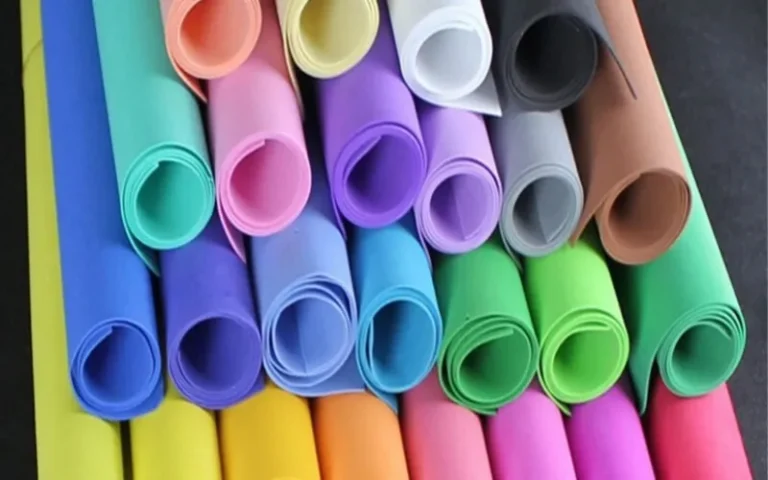
EVA 8 foam pressing on shoulder straps helps reduce shoulder pressure for users. Foam thickness of 8-12mm is optimal, ensuring comfort without adding excessive weight.

IV. Decorative and Protective Accessories
1. Protective Padding Systems
EVA foam padding has closed-cell structure with excellent shock absorption capability. Especially important for laptop backpacks and electronic devices. Foam density of 35-50 kg/m³ ensures elasticity and long lifespan.
Breathable lining fabric uses polyester mesh material, creating ventilation space inside the backpack. 3D mesh structure allows free air circulation, reducing moisture.
PE foam layer with thickness of 2-5mm plays a role in insulation and light impact protection. Commonly used in backpack bottom lining and soft item compartments.
2. Aesthetic Enhancement Details
Metal accessories include key hooks, round rings, decorative rivets. Common metal types:
- Zinc alloy: Affordable, diverse colors
- Stainless steel: Durable, non-oxidizing
- Anodized aluminum: Lightweight, high gloss

Metal Accessories
Plastic accessories have advantages in weight and cost. ABS and PC plastics are the two most commonly used types. Impact resistance and color fastness of high-quality plastics are equivalent to metal.
Brand logos can be executed using various techniques:
- Screen printing: Low cost, suitable for large quantities
- Computer embroidery: Premium, color-fast
- Embossing: Elegant, dimensional
3. Safety and Utility Accessories
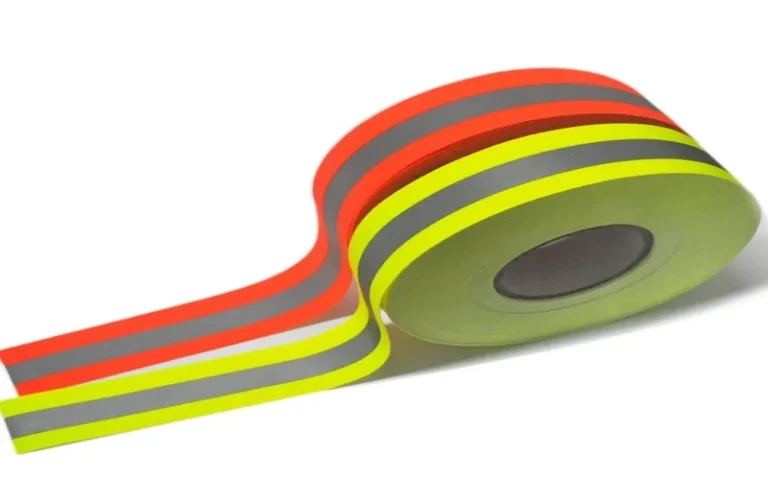
Reflective tape increases visibility in low-light conditions. Especially important for student backpacks and sports backpacks. Quality reflective tape can reflect light at 150-meter distance.
Multi-purpose hanging hooks allow hanging backpacks on walls or bike hooks. Foldable design doesn’t occupy space when not in use.
Waterproof compartments use transparent PVC lining, providing absolute protection for phones and important documents. Seams are heat-sealed instead of sewn to ensure water resistance.
V. Professional Quality Control Process
1. Raw Material Inspection Standards
Tensile strength testing is performed with specialized force testing machines. Quality fabric must withstand minimum pulling force of 150N/5cm without tearing. Testing points include:
- Strength along warp direction
- Strength along weft direction
- Strength at junction points
Water resistance test uses high-pressure water spray equipment for 15 minutes. Products meet standards when no water drops penetrate the fabric layer.

Color fastness evaluation through UV testing and wash testing. Fabric samples are continuously exposed to UV rays for 48 hours and washed 20 times to check color fading.
2. Comprehensive QC/QA Process
Input inspection: 100% of raw materials are inspected before production. Test samples are randomly taken from each batch.
In-process inspection: Quality supervision at each sewing stage. Special attention to:
- Sewing thread tension
- Seam angles
- Junction point quality
Finished product inspection: Completed products are tested with actual loads. Backpacks must withstand 1.5 times the design capacity.
3. International Quality Certifications
May Hop Phat applies ISO 9001:2015 standards throughout the entire production process. The quality management system is audited by independent organizations annually.
EU REACH standards are strictly complied with, ensuring no toxic chemicals are used in production. All raw materials have environmental safety certificates.
Choosing the right materials from the beginning helps businesses create sustainable, competitive products in the market. May Hop Phat is committed to partnering with customers in selecting high-quality raw materials and accessories for backpack and bag manufacturing.