

 Tiếng Việt
How to sew crossbody tote bags is becoming the most popular handmade trend today. Recognizing this, Hop Phat crossbody bag manufacturing workshop would like to share detailed guidance on creating unique bags by yourself, helping save costs and express your personal style with simple techniques that can be easily implemented at home.
1. Cost Savings and Environmental Friendliness
Sewing your own tote bags brings significant economic benefits. Instead of buying a branded tote bag priced from 300,000 – 1,500,000 VND, you only need to invest about 50,000 – 150,000 VND in materials. High-quality canvas fabric costs from 80,000 – 120,000 VND/meter, enough to sew 2-3 medium-sized tote bags.

Moreover, sewing handmade bags yourself contributes to environmental protection. You can reuse fabric scraps, old clothes, or choose organic fabric to create sustainable products. A self-sewn tote bag can be used for 5-10 years, replacing hundreds of plastic bags throughout its lifespan.
2. Express Personality and Individual Style
Handmade crossbody tote bags allow you to express unlimited creativity. From choosing suitable fabric colors to unique pattern designs, every detail carries a personal mark. You can combine different types of fabric such as classic denim fabric, soft cotton fabric, or rustic canvas fabric to create non-duplicate bag designs.
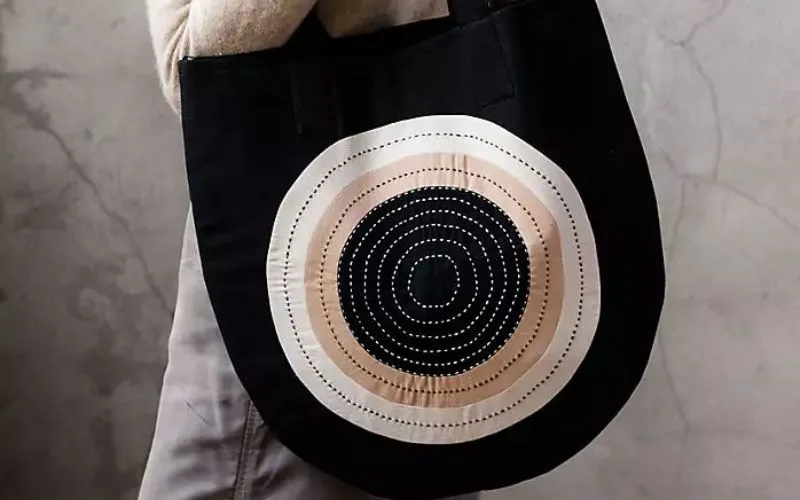
Hand embroidery techniques or personalized printing on bags will make products more special. Many young people today prefer vintage style tote bags or simple minimalist bags to match modern fashion trends.
3. Handmade Skills Can Develop into a Career
Sewing handmade bags is becoming a popular business trend. With basic skills in how to sew tote bags, you can develop into a professional bag sewing career. Many small handmade shops start from sewing simple tote bags and gradually expand into bag manufacturing businesses.

The Vietnamese handmade bag market has high demand, especially for canvas tote bags and premium canvas bags. The selling price of a handmade tote bag ranges from 200,000 – 800,000 VND depending on fabric quality and design sophistication.
II. Materials and Tools to Prepare
1. Choosing Appropriate Fabric
| Fabric Type | Thickness | Price/Meter | Advantages | Disadvantages |
|---|---|---|---|---|
| Canvas | 12-16 oz | 80,000-120,000đ | Durable, holds shape well | Somewhat stiff initially |
| Thick cotton | 8-12 oz | 60,000-90,000đ | Soft, easy to sew | Wrinkles easily |
| Denim | 10-14 oz | 100,000-150,000đ | Stylish, durable | Difficult to sew, needs special needle |
| Canvas fabric | 10-14 oz | 70,000-110,000đ | Rustic, natural | Easy to fray |
Canvas fabric is rated highest for crossbody tote bags thanks to superior durability and shape-holding ability. You should choose canvas with thickness from 12oz and above to ensure the bag can withstand the weight of daily items.
2. Essential Basic Sewing Tools
Basic household sewing machine is the most important tool. Affordable sewing machines like Singer Start 1304 (2,500,000đ) or Brother XM2701 (4,500,000đ) are suitable for beginners. If you don’t have a sewing machine, you can rent by the hour at sewing shops for 50,000 – 100,000đ/day.

Specialized needles are very important:
- Needle size 14-16: For cotton, thin canvas
- Needle size 18-20: For thick canvas, denim
- Ballpoint needle: For stretch fabrics
Quality sewing thread directly affects bag durability. Polyester thread has higher durability than cotton thread and is less likely to fade. Thread color should be chosen in neutral tones or matching the main fabric color.
3. Accessories and Decorative Details
Crossbody straps can be made from various materials:

- Cotton fabric strap: Soft, comfortable (20,000-40,000đ/meter)
- Paracord strap: Durable, waterproof (30,000-60,000đ/meter)
- Synthetic leather strap: Luxurious, durable (50,000-100,000đ/meter)
Metal accessories like key hooks, metal eyelets, magnets add functionality and aesthetics to the bag. Genuine YKK zippers ensure durability and smooth operation.
4. Fabric Quantity Calculation Table by Size
| Bag Size | Fabric Needed | Strap | Estimated Cost |
|---|---|---|---|
| Small (25x30cm) | 0.8 meter | 1.2 meter | 120,000-180,000đ |
| Medium (35x40cm) | 1.2 meter | 1.5 meter | 150,000-220,000đ |
| Large (45x50cm) | 1.5 meter | 1.8 meter | 200,000-300,000đ |
Fabric quantity calculation includes 10-15% extra for error handling and hemming fabric edges. Estimated cost includes fabric, thread, straps and basic accessories.
III. Designing and Measuring Tote Bags
1. Determining Size According to Needs
Tote bag size depends on usage purpose. Work bags need moderate size (35x40cm) to hold laptops, documents and personal items. School bags can be larger (40x45cm) to contain books, while casual bags should be compact (25x30cm) for easy carrying.
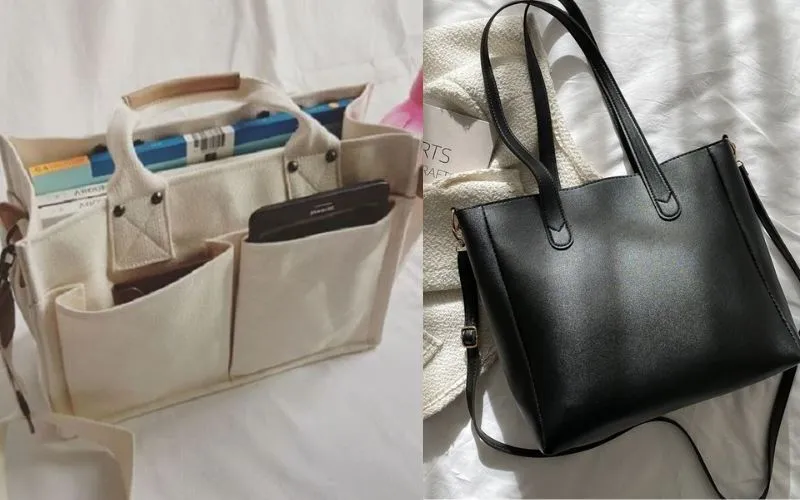
Bag depth is usually 10-15cm depending on needs. Deeper bags hold more items but are prone to “swallowing” small objects. Standard crossbody strap length is 120-140cm to suit various body types.
2. Drawing Patterns and Cutting Templates
Draw patterns on newspaper or specialized pattern paper before cutting fabric. Pattern drawing principles:
- Add 1.5-2cm seam allowance on each side
- Slightly rounded corners for easier sewing and better appearance
- Clearly mark handle attachment positions
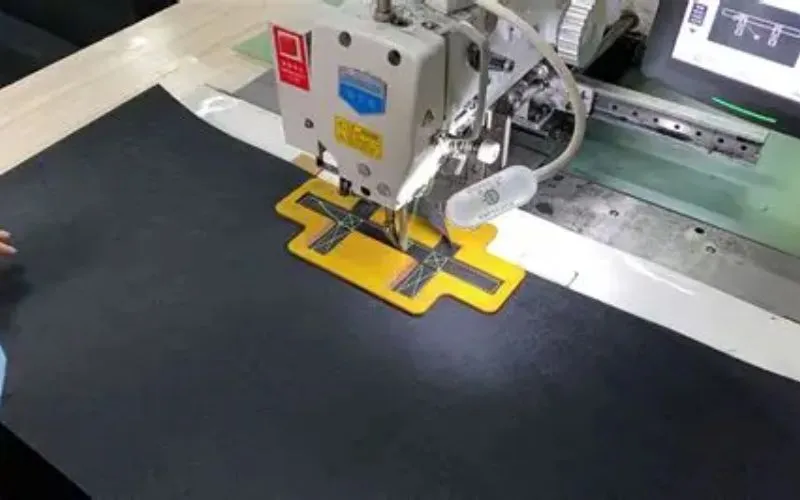
Basic tote bag cutting template diagram:
- Bag body: 2 pieces (front/back)
- Bag bottom: 1 piece (if you want the bag to stand upright)
- Handles: 2 pieces (50-60cm long, 4-5cm wide)
- Crossbody strap: 1 piece (120-140cm long, 3-4cm wide)
3. Accurate Measuring Tips
Measuring tape gives more accurate results than straight rulers when measuring curves and circumferences. Mark with tailor’s chalk or colored pencil for easy removal after sewing.

Check symmetry by folding the pattern in half and comparing both sides. Acceptable margin of error should not exceed 2-3mm to ensure the bag has a uniform beautiful shape. Test on small fabric before cutting main fabric to avoid wasting materials.
IV. Detailed Guide to Sewing Crossbody Tote Bags
1. Preparing and Cutting Fabric
Wash fabric beforehand to avoid shrinkage later. Iron fabric flat for more accurate cutting. Cut fabric along the grain so the bag doesn’t lose its shape when used.

Fabric cutting sequence:
- Place pattern on fabric, secure with pins
- Use sharp scissors to cut along straight lines
- Mark important points with chalk
- Double-check dimensions after cutting
Professional fabric cutting tip: Use metal ruler as a straight edge when cutting. Rotary cutter gives smoother cuts than regular scissors.
2. Sewing Bag Body and Bottom
Pin fabric inside faces together before sewing. Seam line should be 1.5cm from fabric edge for sturdiness. Slow sewing speed ensures even stitching and no fabric wrinkles.

Bag corner sewing technique:
- Stop sewing 1.5cm from corner
- Turn needle 90 degrees
- Lift presser foot, rotate fabric
- Lower presser foot and continue sewing
Sewing bag bottom (if applicable): Pin bottom to bag body, sew slowly along curve. Clip edges at corners to avoid wrinkles when turning right side out.
3. Creating Short Handles
Short handles are usually 50-60cm long to carry by hand or wear on shoulder. Handle width after completion is about 2.5-3cm.
Steps to make handles:
- Fold in half handle fabric piece, inside faces outward
- Sew lengthwise 1cm from edge
- Turn right side out using chopstick or small tube
- Iron flat, seam line in the middle
Increase durability: Sew 1-2 additional lines parallel to the main seam. Attach reinforcement fabric inside handles at high-stress positions.
4. Making Long Crossbody Strap
Crossbody strap needs high durability as it bears the entire bag weight. Standard length 120-140cm can be adjusted according to user height.

Method to make strap:
- Cut fabric 145cm long, 8cm wide (seam allowance included)
- Fold lengthwise, sew 1.5cm from edge
- Turn right side out, iron flat
- Sew decorative stitching on both sides if desired
Strap attachment hooks: Use swivel hooks for removable straps. Metal eyelets attached to bag must be sewn securely with X-stitch technique.
5. Assembling and Finishing
Attach handles to bag body before sewing top edge. Handle attachment position should be about 8-10cm from bag edge on each side for balance.
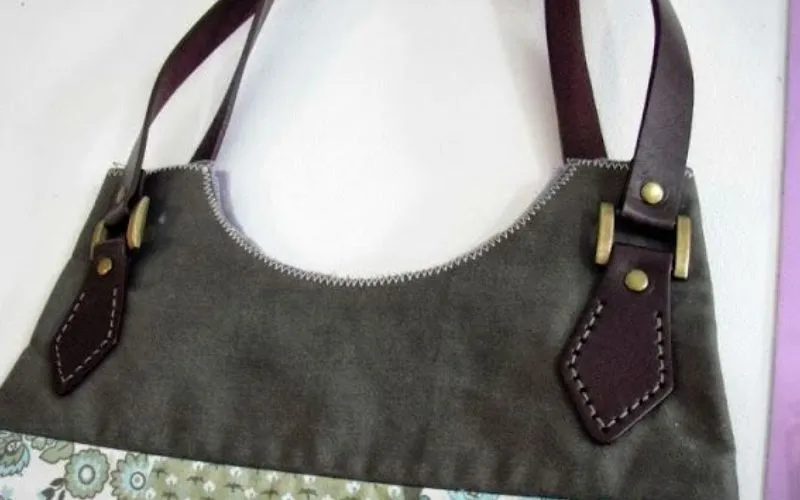
Technique for secure handle attachment:
- Place handle at marked position
- Sew rectangle measuring 2x4cm
- Sew additional X inside rectangle
- Check by pulling with strong force
Finishing bag opening: Fold edge inward 2cm, sew edge to create firm structure. Sew inner lining if you want a more premium bag.
6. Checking Quality and Fixing Errors
Turn bag right side out, check all seams. Cut off excess thread, iron entire bag flat. Test by filling with items and trying on to ensure comfort.

Common errors:
- Curved seam: Due to pulling fabric when sewing
- Crooked bag: Due to inaccurate fabric cutting
- Weak handles: Due to insecure sewing
How to fix: Sew additional reinforcement seams at weak positions. Patch fabric if there are small holes.
V. Variations and Customizing Tote Bags
1. Adding Patterns and Decorations
Hand embroidery creates unique and personal patterns. Appliqué (fabric patching) for interesting 3D effects. Stencil and fabric paint to create images and lettering.
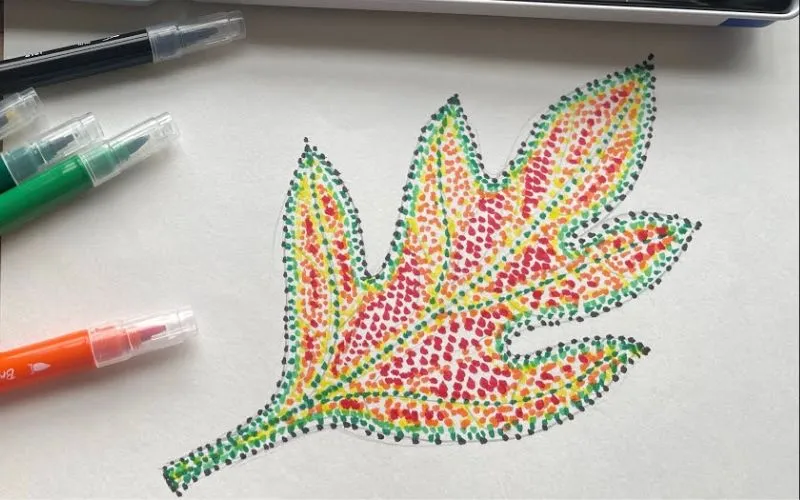
Classic buttons, rope, lace create vintage style. Metal studs, keychains bring modern trends. Color mixing from 2-3 fabric types creates creative patchwork bags.
2. Combining Colors and Materials
Color matching principles: 60% main color, 30% secondary color, 10% accent color. Neutral colors like beige, gray, navy are easy to match outfits. Bright colors suit summer, dark colors suit winter.
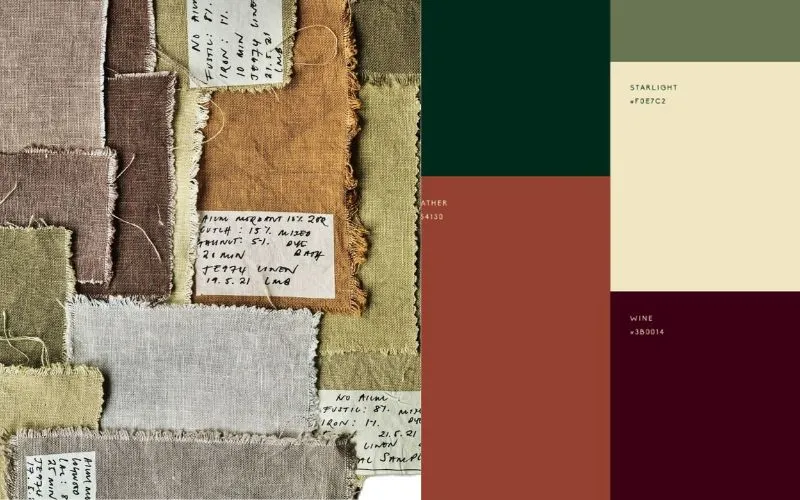
Material combinations: Canvas and leather create modern style. Cotton and lace bring feminine touch. Denim and canvas for dynamic and youthful style.