

 Tiếng Việt
Selecting backpack needles is not just about choosing big or small needles. Each needle type has its own structure and function, designed to handle different fabrics. Understanding technical specifications and needle materials will help you optimize production processes and enhance product quality. Let’s explore with May Hợp Phát’s English Backpack Manufacturing the secrets behind this small but crucial backpack needle.
I. Understanding Backpack Needles
1. Needle Classification by Size and Point Type
Needles are not merely tools for piercing fabric. They are specially designed for each material type and purpose. When it comes to backpack sewing, choosing the right needle type determines product durability.
Standard Needles and Applications
Standard needles are typically used for light to medium-weight fabrics. However, for backpacks, this needle type is only suitable for thin details like inner linings or small accessory pockets.
- Needle 70/10: Suitable for lightweight lining fabrics
- Needle 80/12: Ideal for thin cotton and lining layers
Industrial Needles and Applications
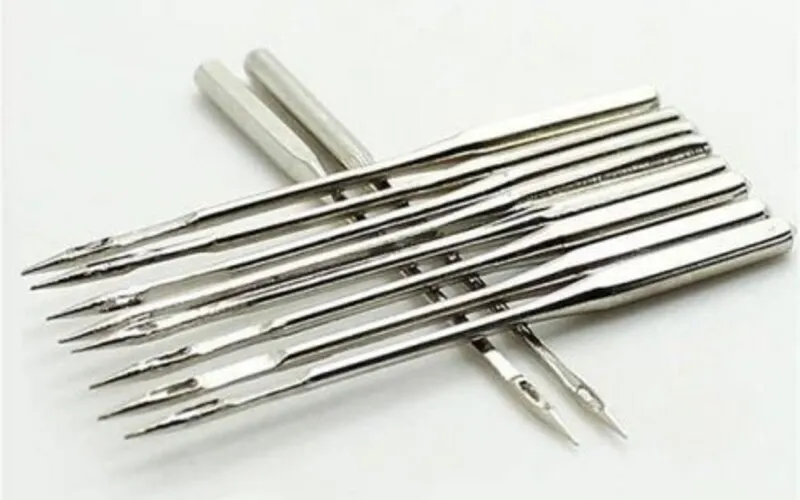
For professional backpack manufacturing workshops, industrial needles are indispensable. They are designed to withstand high pressure and fast sewing speeds.
- Needle 90/14: Suitable for thin canvas fabric
- Needle 100/16: Ideal for most backpack fabrics
- Needle 110/18: Specialized for thick, multi-layered fabrics
- Needle 125/20: For extremely thick fabrics and genuine leather
You can easily identify needle sizes through the dual numbering system. For example, needle 90/14 means 0.9mm diameter in the European system and number 14 in the American system.
2. Characteristics of High-Quality Backpack Needles
Not all needles are created equal. High-quality needles create perfect seams and minimize damage to sewing machines.
Durability and Break Resistance
High-quality backpack needles are typically made from special carbon steel or chrome-plated steel. These materials help needles:
- Withstand high bending forces
- Not bend when penetrating multiple fabric layers
- Maintain sharpness longer
- Less prone to sudden breakage
Ability to Penetrate Thick Materials
An important characteristic of backpack needles is the ability to penetrate thick materials without damaging the fabric. This depends on:

- Needle point sharpness
- Needle shaft shape
- Well-designed thread groove
Needle Hole Quality and Impact on Seam Quality
The needle hole created in fabric directly affects seam quality. Quality needles will:
- Create clean holes without tearing fabric
- Ensure thread loops form correctly
- Minimize thread breakage
- Create strong, durable seams
II. Choosing Appropriate Needles for Different Backpack Fabrics
1. Needles for Canvas and Cotton Fabric
Canvas and cotton fabrics are the most common materials in backpack production. They are durable, sturdy, and considerably thick – requiring special needle types.
Appropriate Needle Sizes
For effective canvas sewing, you should choose:
- Needle 100/16: For lightweight canvas (10oz and below)
- Needle 110/18: For medium canvas (10-15oz)
- Needle 125/20: For thick canvas (15oz and above)
Effective Needle Point Types
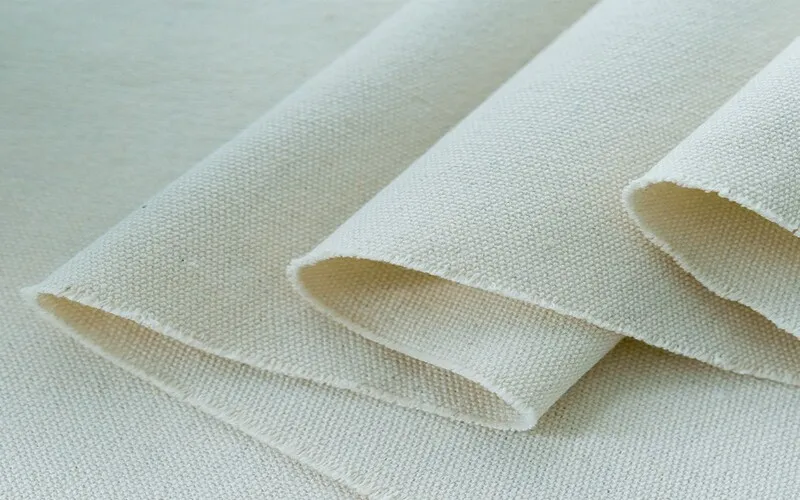
Needle points play an important role in penetrating canvas without damaging fabric structure:
- R Point (Regular): Suitable for most canvas fabrics
- SUK Round Point: Ideal for coarse woven fabrics, prevents thread breakage
- LR Cutting Point: Effective for sewing multiple thick canvas layers
Recommended Brands
Some high-quality needle brands for canvas:
- Schmetz Canvas: Specialized for thick fabrics
- Organ HD: High durability, minimal breakage
- Groz-Beckert DBxK5: Ideal for industrial sewing machines
2. Needles for Leather and Faux Leather
Leather fabric requires a special needle type to avoid damaging the surface and structure.
Characteristics of Specialized Leather Needles
Specialized leather needles typically have:
- Cutting point: Helps cut through leather instead of piercing
- Strong shaft: Resists bending when penetrating thick leather
- Large thread groove: Reduces thread friction when sewing leather
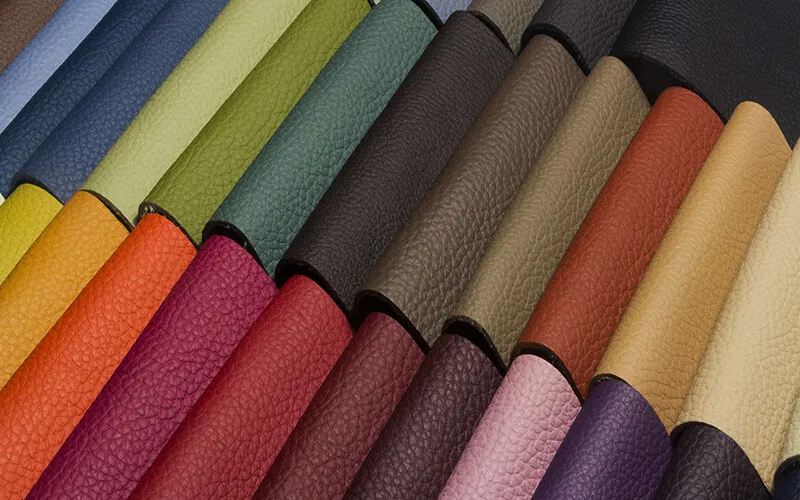
Common cutting point types for leather include:
- LL: Left-cutting blade, suitable for soft leather
- LR: Right-cutting blade, ideal for hard leather
- DI: Triangular cutting blade, effective for thick leather
Techniques for Using Needles When Sewing Leather
When sewing leather, you should:
- Reduce sewing speed to 70-80% of normal
- Increase stitch length (3-4mm)
- Use special presser feet for leather
- Replace needles more frequently as leather wears needles faster
Common Errors and Solutions
| Error | Cause | Solution |
|---|---|---|
| Leather tears | Needle too small | Replace with larger needle, cutting point |
| Uneven stitches | Dull needle | Replace with new needle |
| Continuous thread breakage | High friction | Use needle with larger thread groove |
| Needle hole too large | Needle too large | Choose smaller needle size |
3. Needles for Nylon and Technical Fabrics
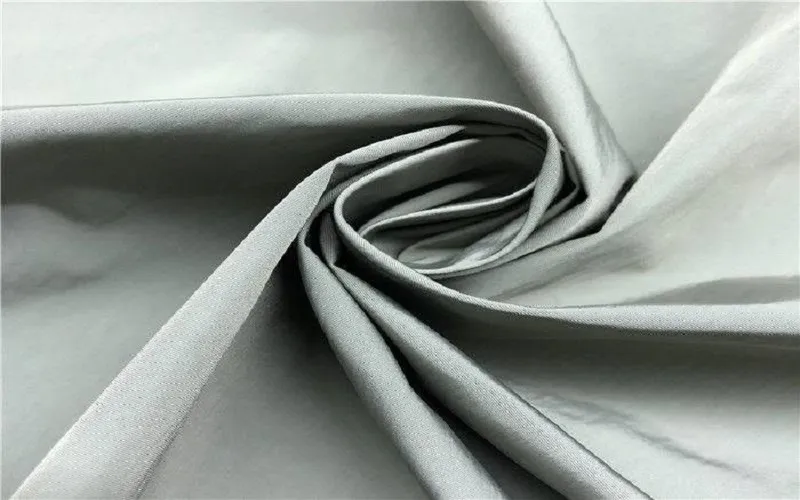
Nylon and technical fabrics are often coated with waterproofing layers – creating special challenges for sewing needles.
Special Requirements for Technical Fabrics
Technical fabrics require:
- Highly sharp needles
- Specially ground needle points to avoid damaging coating
- Good heat resistance (nylon creates high friction)
Appropriate Needles for Waterproof Fabrics
For waterproof fabrics:
- SES Needle: Slightly rounded point, minimizes coating damage
- Needle 90/14 Microtex: Sharp, suitable for thin nylon
- Needle 100/16 Teflon: Non-stick, ideal for coated fabrics
Needle Maintenance When Sewing Coated Fabrics
When sewing coated waterproof fabrics:
- Replace needles more frequently (after 4-6 hours continuous sewing)
- Clean needles with alcohol to remove adhesive from coating
- Avoid overheating needles by stopping machine periodically
III. Effective Backpack Needle Usage Techniques
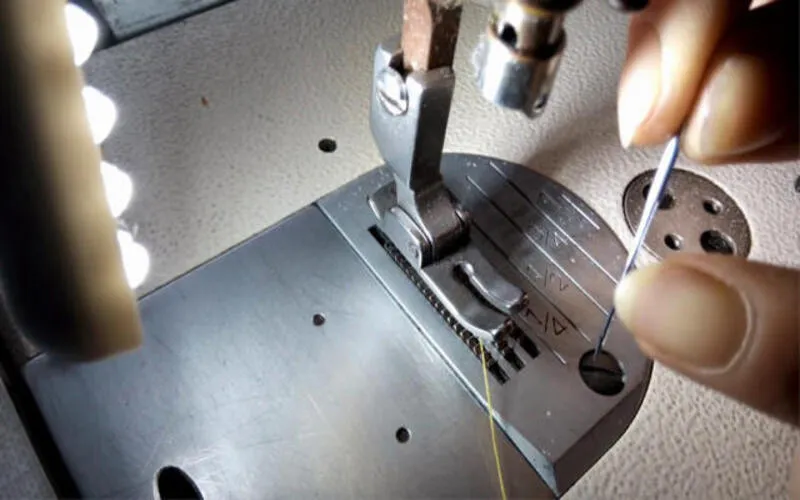
1. Properly Installing Needles on Sewing Machine
Proper needle installation is the first step to achieving perfect seams.
Safe Needle Replacement Procedure

- Turn off machine and disconnect power
- Raise presser foot to highest position
- Loosen needle clamp screw
- Remove old needle (carefully avoid dropping into machine)
- Insert new needle with flat side facing backward
- Push needle up fully
- Tighten needle holding screw
Adjusting Machine Settings for Different Needle Types
When changing needle types, you need to adjust:
- Thread tension: Increase slightly when using large needles
- Presser foot pressure: Increase for thick fabrics, decrease for thin fabrics
- Sewing speed: Reduce when using large needles and thick fabrics
- Stitch length: Increase when using large needles (3-4mm)
Signs of Improper Needle Installation
You can identify incorrect needle installation through these signs:
- Strange noise when machine operates
- Continuous thread breakage
- Skipped stitches
- Needle doesn’t pierce correctly through throat plate hole
- Uneven or wrinkled seams
2. Professional Sewing Techniques with Special Needles
Multi-Layer Fabric Sewing Technique
When sewing multiple thick fabric layers, apply these tips:
- Use walking foot: Helps fabric move evenly
- Sufficiently long and large needle: Ensures penetration through all layers
- Sew slowly and steadily: Prevents needle breakage and thread breaks
- Turn handwheel manually when encountering extremely thick sections
- Use shim: Keeps presser foot level when sewing over thick sections
Handling Difficult-to-Sew Materials
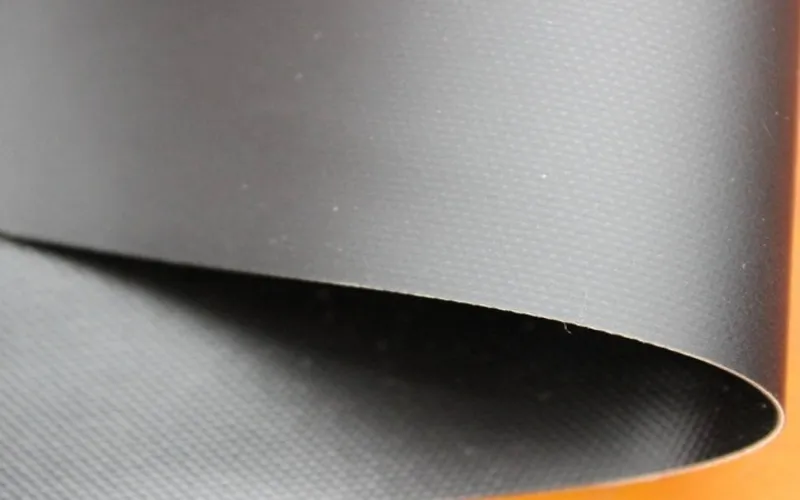
For difficult materials like thick leather, canvas, or PVC-coated fabrics:
- Place wax paper between needle and fabric to reduce friction
- Use specialized thread corresponding to material
- Cool needle frequently if sewing continuously
- Use specialized needle lubricant
Tips to Extend Needle Lifespan
To make needles last longer:
- Replace needles periodically (8-10 hours of use)
- Don’t sew over pins, staples, or hard objects
- Avoid pulling fabric while sewing
- Store needles in dry place, prevent rust
- Clean sewing machine regularly
IV. Top 5 Popular Backpack Needle Brands
1. Comparing High-Quality Needle Brands
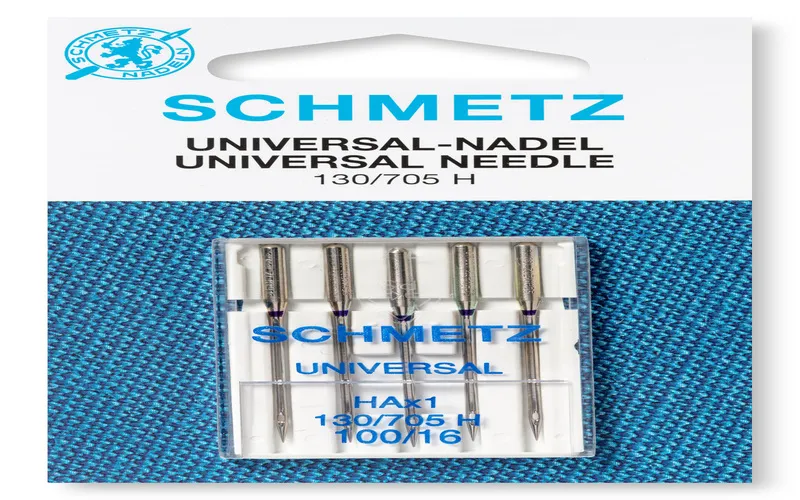
Schmetz: Characteristics and Applications
Schmetz – German needle brand:
- Advantages: High durability, good break resistance, diverse types
- Featured Products: Schmetz Leather, Schmetz Canvas, Schmetz Universal
- Price: High, but worth the quality
- Suitable for: Professional sewing workshops
Organ Needles: Characteristics and Applications
Organ Needles – Japanese needle brand:
- Advantages: Sharp, high precision, reasonable price
- Featured Products: Organ HAx1, Organ DPx5, Organ TQx1
- Price: Medium, suitable for both individuals and workshops
- Suitable for: Backpack sewing with diverse fabrics
Singer, Groz-Beckert, Orange: Evaluation and Comparison
| Brand | Origin | Advantages | Disadvantages | Price Range |
|---|---|---|---|---|
| Singer | Multinational | Easy to find, popular | Average quality | Low-Medium |
| Groz-Beckert | Germany | High quality, professional | Hard to find in Vietnam | High |
| Orange | China | Cheap, diverse | Lower lifespan | Low |
2. Guide to Purchasing Quality Backpack Needles
How to Identify Genuine Needles
To avoid buying counterfeit, low-quality needles:
- Check packaging and hologram seal
- Observe uniform shine on needle shaft
- Check thread groove must be sharp, not scratched
- Needle point must be uniform, not bent
- Purchase from authorized dealers only
Reference Prices
Genuine backpack needle prices vary by type and brand:

- Regular needles: 25,000đ – 50,000đ/pack of 10
- Specialized leather needles: 70,000đ – 120,000đ/pack of 10
- Premium industrial needles: 150,000đ – 300,000đ/pack of 10
Reputable Needle Purchase Locations
Some reputable places to buy backpack needles:
- Professional sewing machine stores
- Sewing accessory centers in major cities
- Official Schmetz and Organ dealers in Vietnam
- Official websites or reputable e-commerce platforms
V. Troubleshooting Common Backpack Needle Issues
1. Causes and Solutions for Broken Needles
Broken needles are the most common issue when sewing backpacks.
Reasons Needles Frequently Break
Needles can break for various reasons:
- Needle too small for fabric thickness
- Pulling fabric while sewing
- Collision with presser foot or throat plate
- Previously bent needle
- Sewing too fast through thick fabric sections
- Improper needle installation

Machine Adjustments to Prevent Needle Breakage
To minimize needle breakage:
- Adjust needle height appropriately
- Reduce sewing speed when encountering thick fabrics
- Increase stitch length (3-4mm)
- Check throat plate position is correct
- Clean bobbin area regularly
Safe Procedure When Needle Breaks
When a needle breaks, follow this safe procedure:
- Turn off machine immediately
- Find and remove all broken needle pieces (use magnet if needed)
- Check machine for damage
- Replace with new needle of appropriate size
- Recheck machine before continuing
2. Fixing Bent Needle and Uneven Seam Issues
Signs of Bent Needle and Impact on Product
Bent needles can be identified by:
- Strange noise when sewing
- Uneven seams or skipped stitches
- Continuous thread breakage
- Pulled or wrinkled fabric

Bent needles seriously affect products:
- Create uneven needle holes in fabric
- Damage fabric structure
- Reduce seam durability
- Can damage sewing machine
How to Check and Replace Needles Timely
Check needles periodically by:
- Visual observation: Needle must be straight, not bent
- Check needle point: Point must be sharp, not dull
- Roll needle on flat surface: Bent needle won’t roll evenly
- Test sew on scrap fabric: Check stitch quality
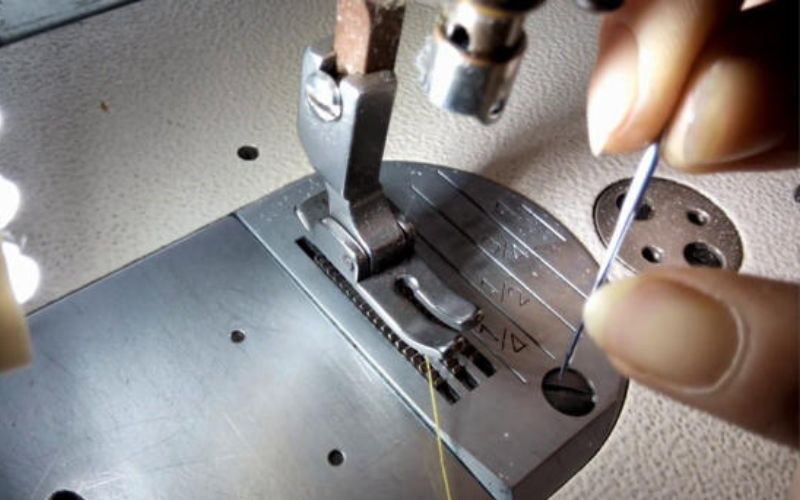
Replace needle when:
- Used 8-10 hours continuously
- After sewing 3-4 complete backpack products
- When seams start showing problems
- After sewing special difficult fabrics (leather, coated fabric)
Proper Needle Storage to Maintain Quality
To store needles properly:
- Organize by size and type
- Use specialized needle case
- Avoid moisture to prevent rust
- Don’t let needles collide with each other
- Label clearly for each needle type
In conclusion, selecting the correct backpack needle is a decisive factor in product quality and durability. Understanding each needle type and their applications helps optimize the production process. Contact our consulting team to get answers to all questions and choose the appropriate needle type for your backpack production needs.