

 Tiếng Việt
How to Sew Beautiful and Durable Travel Backpacks | Complete A-Z Guide
Do you want to own a unique travel backpack that suits your personal needs while expressing your individual style? Sewing your own backpack not only saves costs but also brings unmatched creative joy.
Additionally, a self-made backpack will accompany you on every journey, containing not just belongings but also your dedication and personal story. May Hợp Phát will guide you on how to sew travel backpacks from A to Z, with detailed steps suitable for beginners. Prepare your needle and thread and let’s get started!
I. Preparing Materials and Tools
1. Choosing Appropriate Fabric for Travel Backpacks
Fabric selection is the first and extremely important step. Not every fabric type is suitable for making durable travel backpacks.
Best fabrics for backpacks:
- Canvas fabric for backpacks: Durable, sturdy, easy to sew with many colors available. Thickness from 12oz to 18oz is ideal for backpacks.
- Cordura fabric: Super durable, excellent abrasion resistance, lighter than canvas but higher cost.
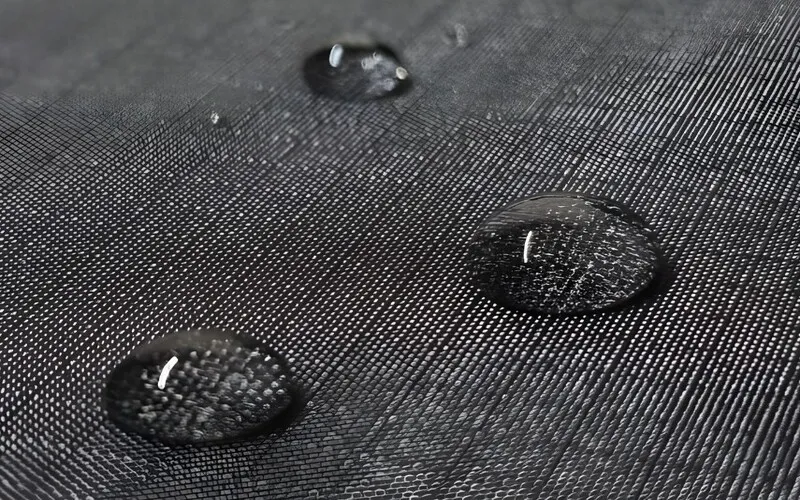
- Oxford fabric: Good water resistance, lightweight and durable. Suitable for light travel backpacks.
- Ripstop Nylon fabric: Lightweight, tear-resistant, suitable for parts not bearing heavy loads.
You’ll need approximately 2-3 meters of fabric depending on backpack size and design. Buy an extra 10-15% as backup for sewing errors.
2. Essential Backpack Sewing Tools
Basic tool list:
- Sewing machine: Home sewing machine with heavy fabric needle (size 16-18)
- Sharp fabric scissors
- Measuring tape and ruler
- Tailor’s chalk or fabric marking pen
- Hand sewing needles number 9-10
- Safety pins to hold fabric
- Iron for flattening fabric and seams
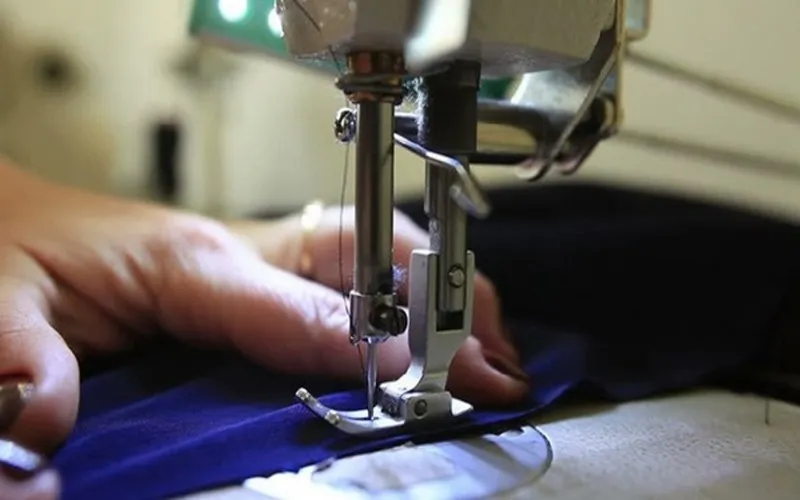
Advanced tools (optional):
- Hole punch pliers for straps and buckles
- Presser foot for thick fabrics
- Edge roller for edge finishing
3. Travel Backpack Accessories
Essential accessories:
- Plastic buckles in appropriate sizes (25mm, 38mm)
- Nylon straps (25mm, 38mm)
- Drawstrings and cord locks
- High-quality YKK zippers
- Mesh for side pockets
- Shoulder padding and back padding
- Base reinforcement panel (can use hard plastic or thick cardboard)

Where to buy: You can purchase these materials at Han Thuyen Market, Dong Xuan Market (Hanoi), Tan Binh Market (Ho Chi Minh City), or specialized fabric stores.
II. Design and Pattern Preparation
1. Drawing Basic Backpack Pattern
Before cutting fabric, you need to draw and prepare a detailed pattern. This is your “proprietary” design blueprint.
Main pattern components:
- Front body (1 piece)
- Back body (1 piece, typically taller than front)
- Backpack base (1 piece)
- Two side panels (2 pieces)
- Top flap (1 piece, design-dependent)
- Accessory pockets (quantity varies by design)
- Shoulder straps (2 pieces)
Reference dimensions for 40L backpack:
| Component | Dimensions (cm) |
|---|---|
| Front body | 40 x 30 |
| Back body | 50 x 30 (taller for flap) |
| Base | 30 x 15 |
| Side panels | 50 x 15 (each side) |
| Accessory pockets | Design-dependent |
Important note: Remember to add 1.5-2cm seam allowance to each edge!
2. Adjusting Pattern to Personal Needs
This is when you can get unlimited creative with your backpack.
Common adjustments:
- Add laptop compartment: Create a separate padded compartment sized 35x25cm
- Side pockets: Add mesh pockets for water bottles (20x15cm)
- Small internal pockets: Help organize personal items
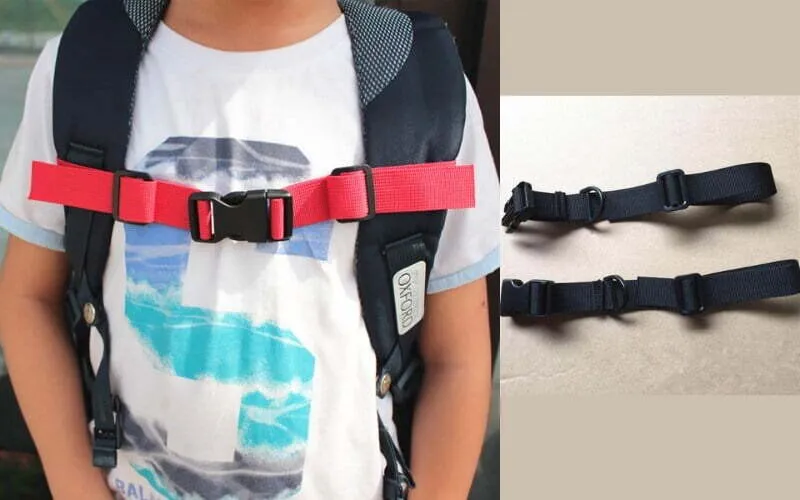
- Chest strap: Increases comfort when wearing backpack for hours
- Hip belt: Distributes weight to hips instead of shoulders
III. Detailed Travel Backpack Sewing Instructions
1. Cutting Fabric According to Pattern
Now that you have a complete pattern, start cutting fabric. ✂️
Accurate fabric cutting steps:
- Place pattern on fabric and secure with pins or weights
- Mark around pattern edge with tailor’s chalk
- Double-check dimensions before cutting
- Cut slowly and carefully along marked lines
- Mark important points like buckle positions, pockets
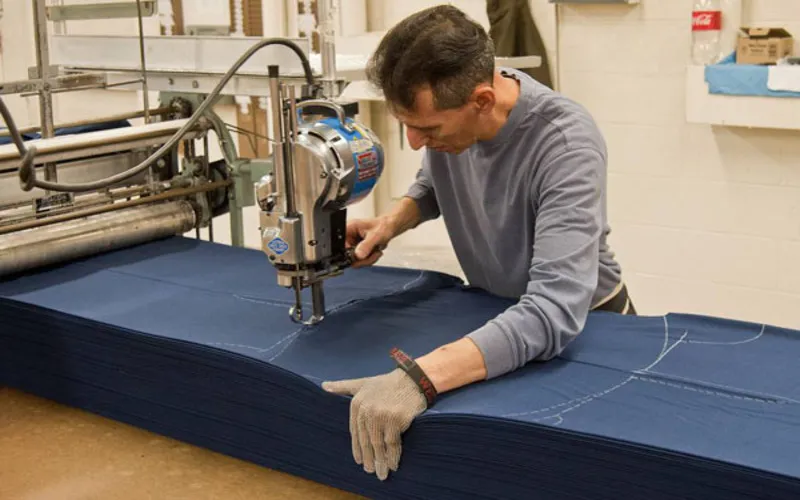
Helpful tip: Layer fabric 2 pieces when cutting symmetrical parts to ensure uniformity.
2. Sewing Accessory Pockets and Small Details
Start with small details before assembling large pieces.
Accessory pocket sewing procedure:
- Fold edges and sew pocket edges
- Sew zipper into pocket opening (if applicable)
- Reinforce pocket corners with triangle stitching
- Prepare accessory pockets before attaching to main body
Creating mesh side pockets:
- Cut mesh fabric size 25x20cm
- Sew elastic edge around pocket opening
- Prepare drawstring if needed

3. Sewing Main Body of Backpack
This is the most important part of sewing travel backpacks.
Main body sewing steps:
- Join back body with two side pieces, sew from bottom up
- Attach backpack base to above structure
- Sew front body into existing structure
- Check shape and adjust if needed
- Sew top flap (if design includes flap)
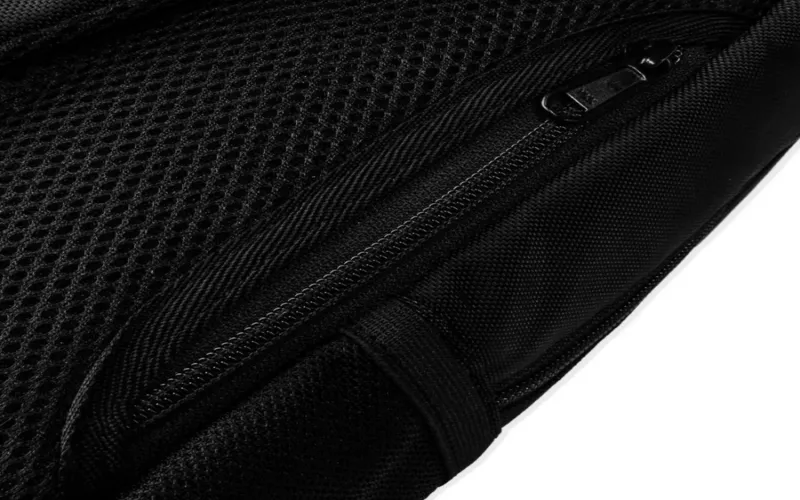
Important note: Sew in 15-20cm segments, stop to check and adjust before continuing to avoid major errors.
4. Making Comfortable Shoulder Straps
Good shoulder straps determine comfort when using backpack.
Strap-making procedure:
- Cut fabric into strips 70-80cm long, 12-15cm wide
- Fold in half and sew lengthwise
- Turn right side out and stuff padding inside
- Sew padding securely to prevent shifting
- Attach adjustment buckle to one end
- Reinforce strap attachment points to backpack body with X-stitch or rectangular stitch
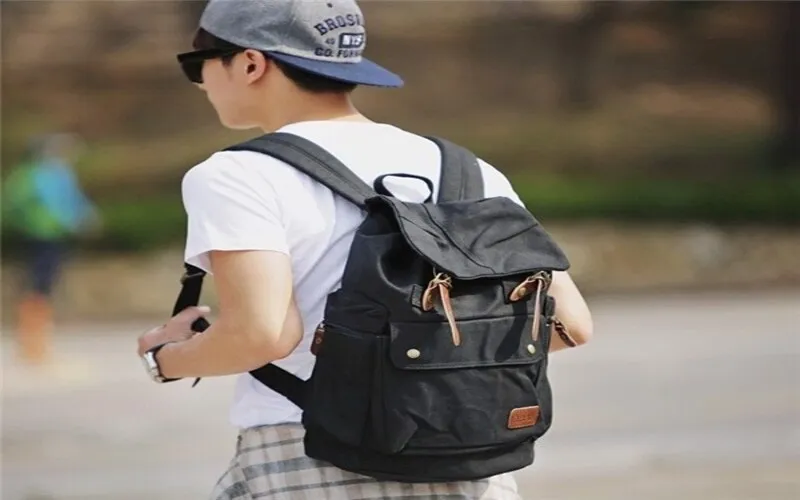
Important tip: Use 1-1.5cm thick padding so straps don’t cut into shoulders.
5. Finishing and Reinforcing Backpack
The final but extremely important step to make your backpack beautiful and durable.
Points requiring reinforcement:
- Backpack base: Double-stitch or sew additional fabric layer
- Strap attachment points: X-stitch or rectangular stitch
- Accessory pocket corners: Triangle stitch at corners
- Zipper: Stitch down both ends securely
- Backpack edges: Sew binding layer with bias tape or folded fabric

Quality check:
- Pull test all seams with moderate force
- Check zipper operates smoothly
- Try wearing to check feel and balance
- Adjust straps to fit back properly
IV. Advanced Techniques for Travel Backpacks
1. Making Waterproof Backpack
A travel backpack needs good waterproofing, especially for trekking. 💧
Waterproofing techniques:
- Choose waterproof fabric like parachute fabric, PU-coated polyester
- Treat seams with specialized silicone adhesive
- Sew completely sealed all joints
- Add flap cover over zipper
- Use waterproof zipper YKK type

Helpful tip: Spray additional waterproof layer on backpack after completion to enhance waterproofing.
2. Increasing Travel Backpack Durability
To make backpack accompany you through many journeys.
Durability enhancement techniques:
- Reinforce backpack base with double-layered fabric or hard plastic sheet
- Double-stitch at stress points
- Use high-quality polyester thread
- Create padding layer at friction points
- Choose high-quality buckles and accessories

Important note: Don’t skimp on accessories like buckles and zippers as they determine backpack lifespan.
V. Tips and Notes When Sewing Travel Backpacks
Valuable experience to help avoid common mistakes. 💡
1. Troubleshooting Common Errors:
- Fabric wrinkling when sewing: Use appropriate needle and adjust thread tension
- Uneven seam lines: Use presser foot and mark beforehand
- Difficult zipper: Check sewing position and add zipper pull
- Unbalanced straps: Measure carefully and sew symmetrically
- Backpack loses shape: Add stiffener or reinforce edges

2. Time-Saving Tips:
- Prepare all materials completely before starting
- Arrange steps in logical order
- Sew similar details simultaneously
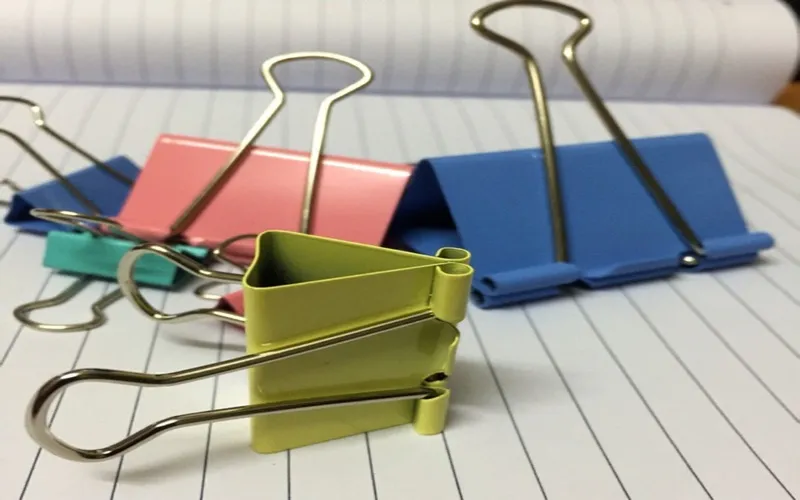
- Use pin clips instead of basting
- Mark clearly on fabric before sewing
Undertaking how to sew travel backpacks yourself is an interesting journey, bringing not only useful products but also memorable creative experiences. With this detailed guide, May Hợp Phát hopes you have enough knowledge and confidence to start your project. Remember, your first backpack may not be perfect, but every stitch contains your joy and effort.