

 Tiếng Việt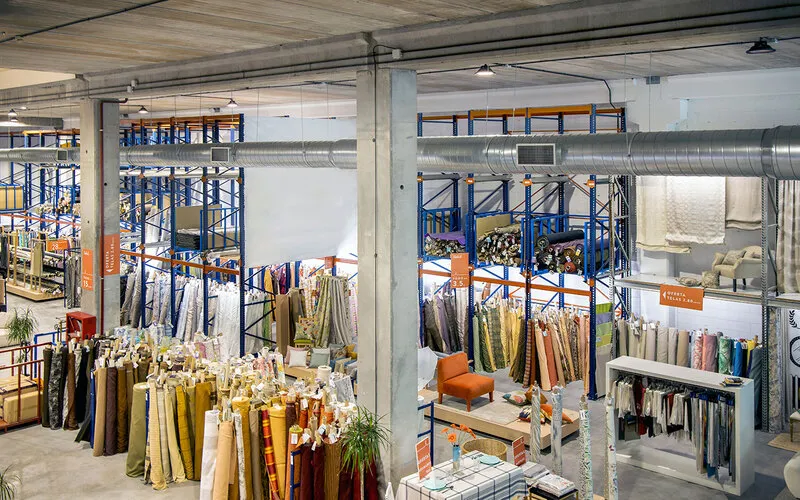
Choosing raw and auxiliary materials for backpack and bag manufacturing determines the quality and value of the final product. May Hop Phat, through practical experience, helps manufacturers, workshop owners, and handmade makers thoroughly understand canvas fabric, polyester, high-quality zippers, and standard accessories. From selecting appropriate materials to finding reputable custom backpack suppliers, this guide makes everything easier.
I. Types of Fabrics Used in Backpack and Bag Production
1. Polyester and Nylon Fabrics
Polyester fabric is one of the most popular materials when discussing raw and auxiliary materials for backpack and bag manufacturing. They stand out with high durability, good wrinkle resistance, and reasonable prices. At May Hop Phat, we commonly use Polyester 600D, 1000D, and 1680D for different products to manufacture custom backpacks in small or large quantities.
Polyester 600D is a balanced choice between durability and weight, suitable for everyday products. Meanwhile, Polyester 1000D and 1680D provide superior durability for heavy-duty products.
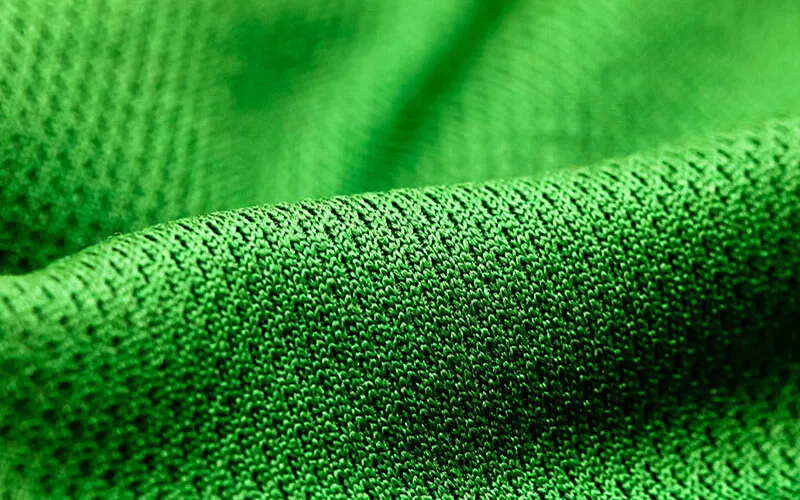
Nylon fabric is also an excellent choice with properties lighter than polyester but still ensuring high durability. Especially, Nylon Ripstop with its special reinforced structure helps prevent tear propagation, making it the ideal material for travel and mountain climbing backpacks.
| Fabric Type | Durability | Weight | Water Resistance | Applications |
|---|---|---|---|---|
| Polyester 600D | High | Medium | Medium | Student backpacks, everyday bags |
| Polyester 1000D | Very High | Heavy | Quite Good | Laptop backpacks, travel bags |
| Nylon Ripstop | High | Light | Good | Mountain climbing backpacks, foldable backpacks |
2. Canvas and Cotton Fabrics
Canvas fabric brings classic and luxurious beauty to backpacks and bags. Traditional canvas is made from cotton, while modern canvas often combines with polyester to increase durability and reduce costs.
We favor cotton canvas fabric for its environmental friendliness and natural feeling it brings. However, cotton fabric needs thorough waterproof treatment to increase durability in wet conditions.

Waterproofing treatment techniques for cotton fabric include:
- Natural wax impregnation
- PU (Polyurethane) coating
- Silicone treatment
3. Oxford and Parachute Fabrics
Oxford fabric is one of the most popular backpack manufacturing auxiliary materials currently. They are classified by thickness such as 210D, 420D, 600D. Oxford fabric stands out with a slightly glossy surface, high durability, and good waterproof capability after PU coating.
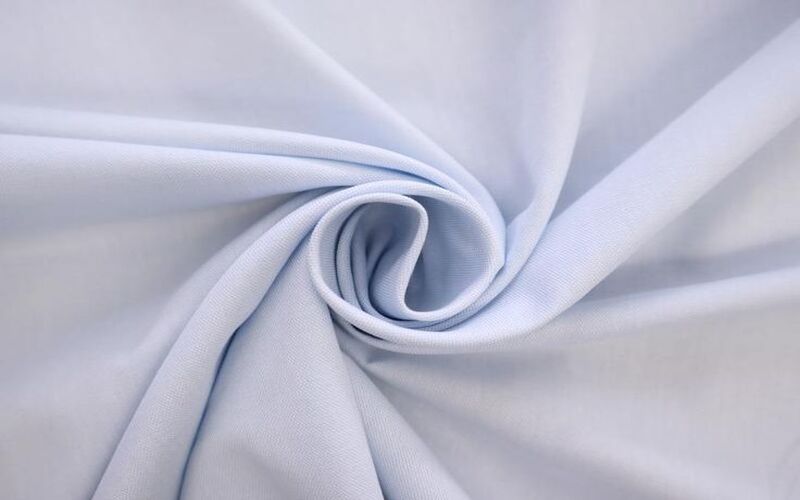
Parachute fabric with ultra-light characteristics and excellent water resistance is the top choice for foldable backpacks and jackets. Here, we often use parachute fabric for small details or specialized backpacks for outdoor activities.
4. Premium Specialized Fabrics
Cordura is a famous premium fabric brand with superior durability, many times greater than regular nylon and polyester. This is premium raw and auxiliary materials for backpack and bag manufacturing, commonly used in professional products.

Microfiber fabric brings soft and luxurious feeling, suitable for premium bags. Meanwhile, anti-theft cutting fabric is reinforced with thin steel mesh inside, creating safe backpack products for users who frequently move in crowded places.
II. Auxiliary Materials and Accessories in Backpack and Bag Production
1. Zippers and Opening Systems
Zippers are one of the most important backpack manufacturing accessories. Zipper quality directly affects product lifespan and user experience. At May Hop Phat, we prioritize using high-quality zippers with durability and smooth operation.
Zippers are divided into several types:
- Metal zippers: Durable, luxurious but heavy and may rust
- Plastic zippers: Light, rust-free, suitable for everyday products
- Waterproof zippers: Coated with waterproof layer, ideal for waterproof backpacks
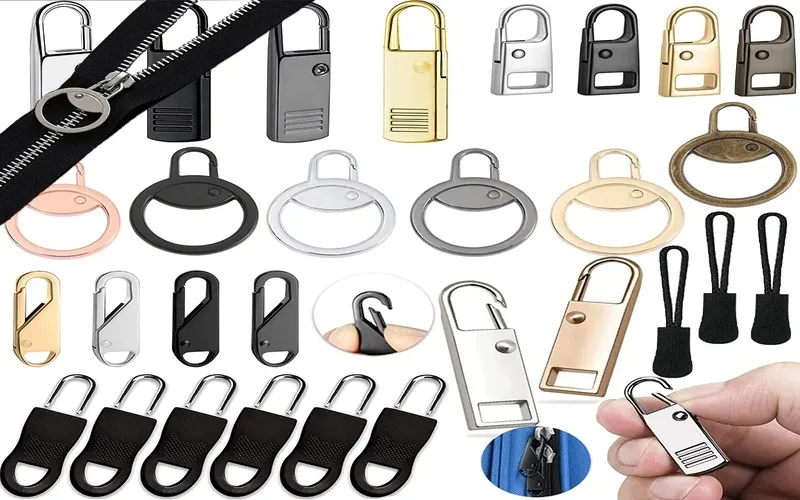
Besides zippers, other backpack manufacturing accessories like magnetic locks and snap locks also play important roles in creating good user experience.
2. Straps, Carrying Straps, and Handles
Straps made from polyester, nylon, or PP (polypropylene) are indispensable components in raw and auxiliary materials for backpack and bag manufacturing. Straps need high tensile strength and should not stretch after usage time.
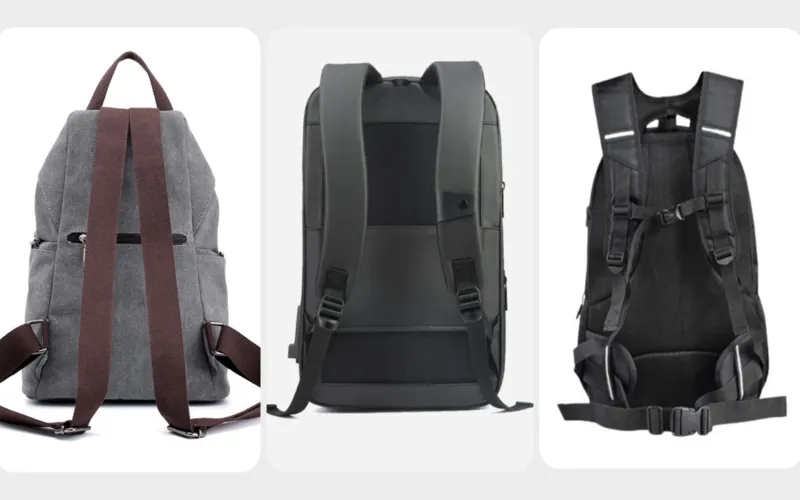
Ergonomic carrying straps are designed according to ergonomics, helping reduce pressure on users’ shoulders and backs. They are usually padded with foam and covered with breathable mesh fabric to increase comfort.
Handles need to be designed firmly and comfortably when held. At May Hop Phat, we often use rubber or EVA-wrapped handles to create soft feeling and good grip.
3. Lining Layers and Padding
Lining made of polyester or nylon not only creates aesthetics inside backpacks and bags but also protects internal contents. High-quality lining will not fade or tear after usage time.
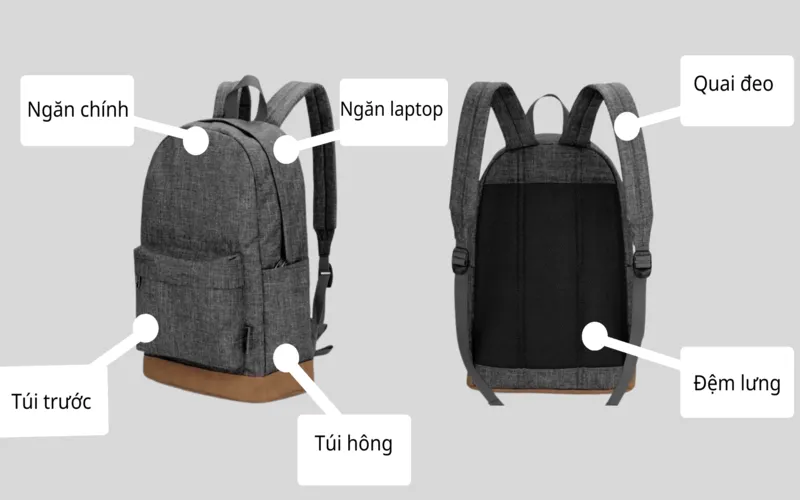
EVA foam (Ethylene Vinyl Acetate) and EPE (Expanded Polyethylene) are important backpack manufacturing auxiliary materials, creating protective compartments for laptops or electronic devices. EVA is harder and shapes better, while EPE is softer and more flexible.
Breathable mesh fabric is commonly used for parts in contact with back and shoulders, helping increase comfort and reduce sweat accumulation when using backpacks for long periods.
III. Criteria for Selecting High-Quality Raw and Auxiliary Materials
1. Durability and Load-Bearing Capacity
When selecting raw and auxiliary materials for backpack and bag manufacturing, durability is the top important factor. You can check fabric durability by simple methods such as:
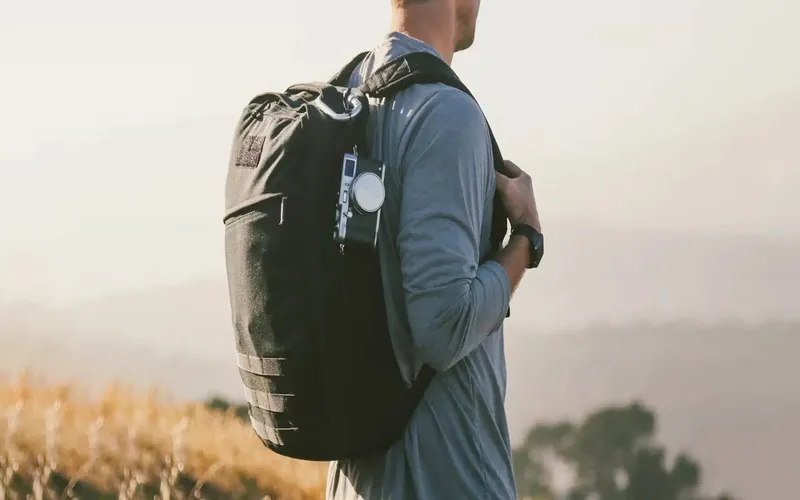
- Check thickness: Thicker fabric is usually more durable, but consider the overall product weight
- Test stretch: Pull fabric in multiple directions to assess elasticity and load-bearing capacity
- Check abrasion resistance: Rub fabric sample on rough surface to assess abrasion resistance
We apply different durability standards for each product type. Laptop backpacks require higher durability than fashion bags, while travel backpacks need superior load-bearing capacity.
2. Water Resistance and Stain Resistance
Backpack and bag manufacturing fabric needs good water resistance, especially for products used daily. Modern waterproofing treatment technologies include:

- PU (Polyurethane) coating: Most common, provides basic water resistance
- Silicone coating: More premium, more durable and better water resistance
- DWR (Durable Water Repellent) technology: Creates nanoscopic coating helping water slide off fabric surface
You can test water resistance at home by dropping a few water drops on fabric surface. If water forms beads on surface instead of soaking in, the fabric has good water resistance.
3. Aesthetics and Color Diversity

2025 color trend for raw and auxiliary materials for backpack and bag manufacturing is moving toward:
- Natural and neutral tones
- Gentle pastel colors
- Neon colors for sporty style
- Modern camo and tie-dye patterns
Dyeing technique and color fastness are quality-determining factors of fabric. High-quality fabric will not fade after washing or direct sunlight exposure.
We carefully consider the combination of colors and materials to create products that are both aesthetic and durable.
See also:
– Backpack stickers easily personalize products, creating uniqueness and distinctive style.
– Backpack and bag manufacturing processes that you should understand clearly to comprehend the detailed journey from materials to finished products
IV. Backpack and Bag Material Trends 2025
1. Smart Materials
Anti-theft fabric integrated with RFID blocking technology is increasingly popular in premium raw and auxiliary materials for backpack and bag manufacturing. This technology protects credit card and electronic passport information from unauthorized scanning.

Fabric integrated with wireless charging allows users to charge phones through backpacks without cables. This is a premium backpack manufacturing accessory, targeting technology users.
Temperature-responsive color-changing materials (thermochromic) create unique visual effects, being applied in premium fashion backpacks and bags.
2. Sustainable and Environmentally Friendly Materials
Fabric recycled from plastic bottles is a prominent trend in raw and auxiliary materials for backpack and bag manufacturing 2025. Modern recycling technology allows creating fabric with quality equivalent to or even superior to virgin fabric.

New generation artificial leather from plant sources like pineapple fiber, mushrooms, leaves… is replacing real leather and traditional fake leather, bringing luxurious beauty while remaining environmentally friendly.
Fabric from sustainable natural fibers like hemp, ramie, and tencel (from wood pulp) is gradually dominating market share in premium product segments.
3. Advanced Processing Technology
Antibacterial, odor-eliminating treatment is one of the most favored technologies for backpack and bag manufacturing fabric currently. This technology uses silver ions or copper compounds to prevent growth of odor-causing bacteria.
Nano anti-stain technology creates ultra-thin coating on fabric surface, preventing liquids and stains from adhering. This helps backpacks and bags always clean and easy to maintain.
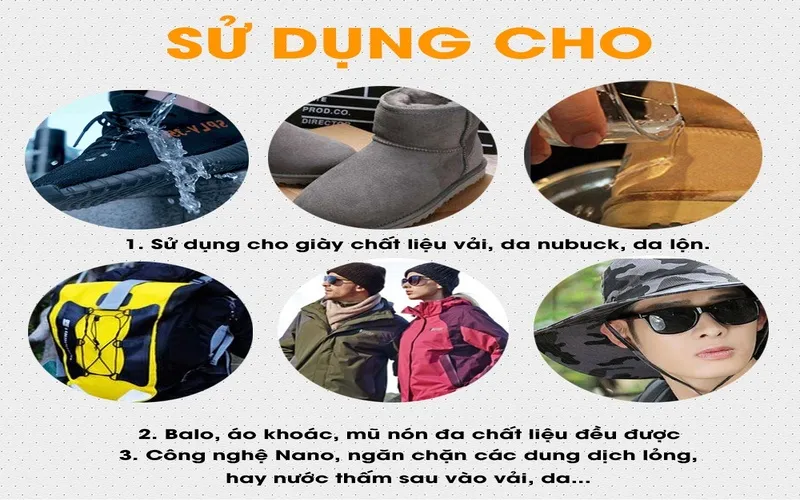
UV treatment and material anti-aging helps raw and auxiliary materials for backpack and bag manufacturing maintain color and mechanical durability when frequently exposed to sunlight.
V. Guide to Storing and Using Raw and Auxiliary Materials
1. Techniques for Storing Fabric and Auxiliary Materials
Ideal temperature and humidity conditions for storing raw and auxiliary materials for backpack and bag manufacturing are:
- Temperature: 18-22°C
- Humidity: 45-55%
- Avoid direct sunlight
To prevent insects and mold, you should:
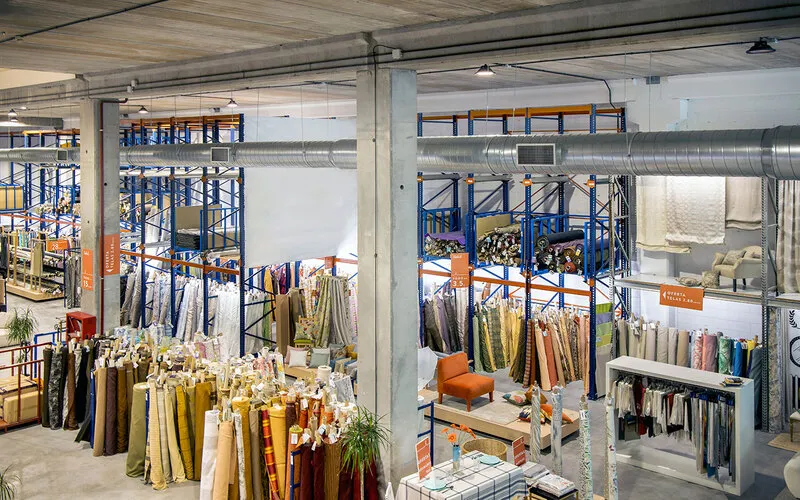
- Use silica gel moisture absorbers
- Wrap fabric in sealed PE bags
- Periodically check storage
Effective warehouse management for backpack manufacturing auxiliary materials includes:
- Classification by material and color
- Complete recording of batch information
- Follow “first in, first out” principle
2. Maintenance During Usage
Cleaning and washing different fabric types requires appropriate methods:
- Polyester and nylon fabric: Can machine wash at low temperature, do not use strong bleach
- Canvas fabric: Hand wash or gentle machine wash, avoid strong wringing
- Waterproof coated fabric: Limit washing to maintain coating, when needed use cold water and mild soap
Caring for metal backpack manufacturing accessories requires:
- Avoid contact with water and strong chemicals
- Periodically wipe with soft cloth
- Use anti-rust oil for non-plated metal details

Techniques for restoring surface and color for raw and auxiliary materials for backpack and bag manufacturing include:
- Use soft brush to clean dust
- Periodically apply waterproof coating
- Use specialized dyes to restore faded colors
Through this article, we have comprehensively analyzed fabric materials, accessories, and new trends in the industry. Choosing the right raw and auxiliary materials for backpack and bag manufacturing is the deciding factor for your product quality and lifespan. Contact May Hop Phat today at 0909.938.333 for consultation and best quotation on high-quality raw and auxiliary materials for backpack and bag manufacturing for your products!