

 Tiếng Việt
To make backpacks unique and carry a strong personal touch, printing technology on backpacks plays an extremely important role. From sharp images and vibrant colors to superior durability, each printing method has its own advantages. May Hop Phat, an advertising backpack supplier, will provide a comprehensive overview of the most popular printing techniques, helping you choose the optimal solution for your products.
I. Overview of Printing Technology on Backpacks
1. History of Printing Technology Development
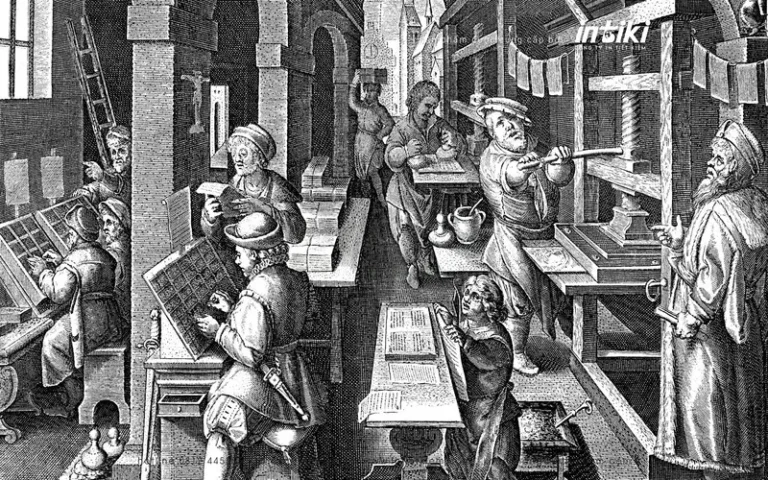
Manual Stage (1970-1990): The backpack printing industry began with hand embroidery techniques and basic screen printing. The production process relied entirely on manual craftsmanship, slow speed but high precision.
Mechanization Period (1990-2005): The emergence of computer embroidery machines and semi-automatic screen printing machines revolutionized the industry. Productivity increased by 300% compared to traditional manual methods.
Digital Era (2005-2015): Digital printing technology was born, opening the era of on-demand printing with high precision. Setup costs reduced by 70%, allowing efficient small quantity production.
High-Tech Era (2015-present): Artificial intelligence and IoT are integrated into the production process. Accuracy reaches 99.8%, production time reduced by 50% compared to previous period.
2. Classification by Technical Method
Direct Printing: Ink or colorant is transferred directly onto the backpack fabric surface. This method includes DTG digital printing and traditional screen printing.
Indirect Printing: Uses intermediate materials such as heat transfer paper or decals. Sublimation technology and heat transfer printing belong to this group.
Hybrid Printing: Combines multiple technologies in the same product to optimize quality and cost.
II. Screen Printing Technology (Silk Screen Printing)
1. Screen Printing Process
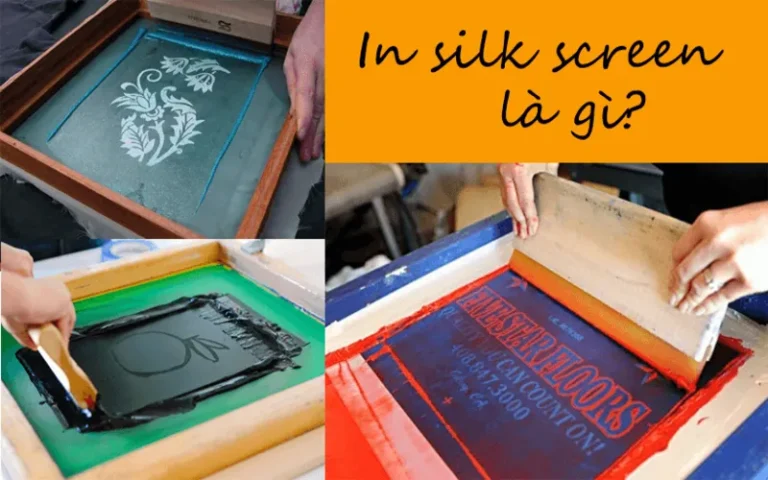
Step 1: Screen Preparation
- Use aluminum frames or wooden frames with tension 22-25 Newton/cm
- Polyester mesh with fineness 120-180 mesh
- Photosensitive coating evenly applied on mesh
Step 2: Film Creation and Exposure
- Design file is printed on transparent film with density 3.5-4.0
- Exposure time 8-12 minutes depending on UV lamp power
- Wash mesh with high-pressure water to create through holes
Step 3: Ink Mixing
- Plastisol ink or water-based ink depending on requirements
- Mixing ratio ink:catalyst = 100:2-3
- Check viscosity reaches 15,000-25,000 cP
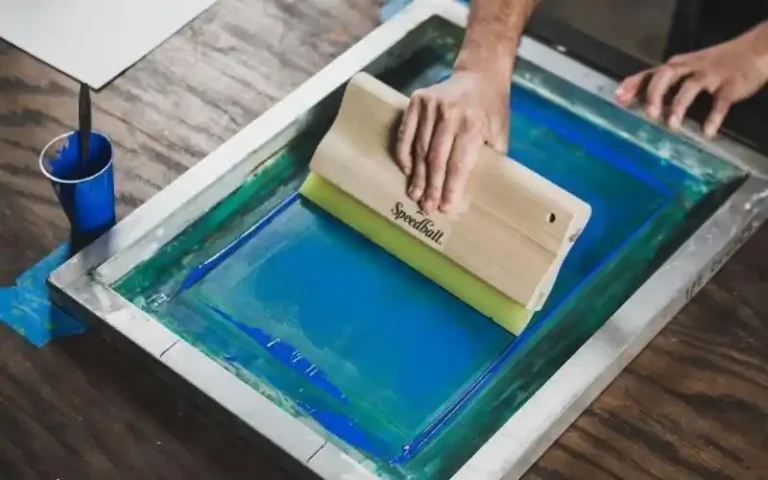
Step 4: Printing Process
- Squeegee pressure: 3-5 kg/cm²
- Printing speed: 15-25 times/minute
- Squeegee angle: 75-85 degrees
- Drying temperature: 160-180°C for 3-5 minutes
2. Outstanding Advantages
Superior Color Fastness: Screen printing ink has fade resistance up to 5-7 years under normal use conditions. Adhesion reaches 95-98% on fabric types.
Low Cost for Large Quantities: With orders from 500 products or more, the cost per product is only 5,000-15,000 VND depending on design complexity.
Bright Colors: Full PANTONE color range, 99% accurate color reproduction capability. High opacity ink can print on dark fabrics.
3. Disadvantages and Limitations
High Minimum Quantity: To achieve economic efficiency, minimum order 300-500 products. Screen setup cost from 200,000-500,000 VND per color.
Long Setup Time: Screen preparation and machine adjustment takes 2-4 hours. More suitable for mass production than rush orders.
Complex Design Limitations: Difficult to execute gradients, portraits, or designs with more than 6 colors.
III. Heat Transfer Vinyl Technology
1. Operating Principle
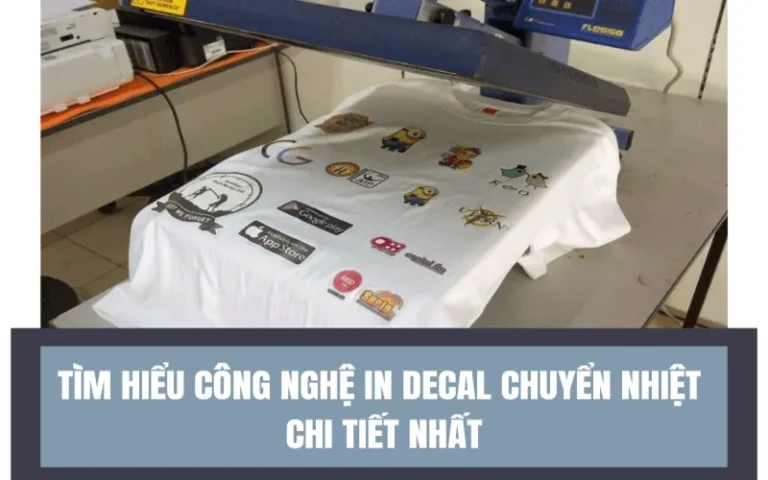
Decal Structure: Consists of 3 main layers
- Backing layer: Protective paper
- PU/PVC layer: Contains color and durability
- Adhesive layer: Heat-activated glue
Heat Transfer Mechanism: When reaching temperature 150-170°C, adhesive layer transforms from solid to flexible, penetrates fabric fibers and creates durable chemical bonds.
2. Detailed Production Process
Design and Cutting Stage:
- Specialized Software: CorelDRAW, Adobe Illustrator
- Cutting machine: Precision ±0.1mm
- Cutting speed: 200-400mm/s depending on complexity
Heat Press Stage:
- Temperature: 150-170°C
- Pressure: 3-4 bar
- Time: 15-20 seconds
- Cooling: 30 seconds before removing backing
3. Practical Applications
Simple Designs: Text, logos, symbols with clear lines. Suitable for company uniform backpacks, schools.
Small Production: MOQ only 1 product, suitable for sample orders or customization.
Special Effects: Reflective decal, glitter, metallic create highlights for premium products.
IV. Sublimation Printing Technology
1. Professional Sublimation Process
Material Science: Sublimation ink contains dispersed colorant that transforms directly from solid to gas at 180-200°C without passing through liquid state.
Design File Preparation:
- Resolution: Minimum 300 DPI
- Color profile: CMYK for printing
- Bleed: Add 3mm cutting edge
Printing and Pressing Process:
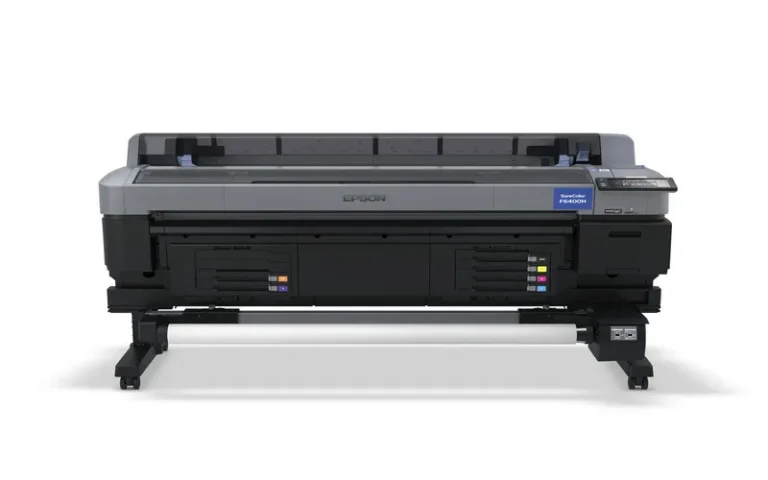
- Sublimation printer: Epson, Mutoh with PrecisionCore printhead
- Transfer paper: 120gsm, quick-dry coating
- Press time: 60-90 seconds at 190°C
2. Product Quality
High Sharpness: 1440 DPI resolution, reproduces smallest details and smooth gradients.
Photorealistic Colors: Wide color gamut, ability to print portraits and complex designs with 16.7 million colors.
Superior Durability: Color penetrates deep into fabric fibers, doesn’t peel, doesn’t crack after multiple washes.
3. Material Requirements
100% Polyester: Color transfer efficiency 90-95% Poly-cotton blend: Minimum 65% polyester to achieve good quality Coated fabric: Surface with polymer coating for cotton fabric
V. Digital Printing Technology
1. DTG (Direct-to-Garment) Technology
Operating Mechanism: Piezoelectric printhead sprays ink directly onto fabric with nano precision. Pre-treatment creates base layer for ink adhesion.

Technical Specifications:
- Resolution: 1200×1200 DPI
- Printing speed: 10-25 products/hour
- Number of colors: 4-8 CMYK + White colors
- Ink layer thickness: 0.1-0.3mm
Detailed Process:
- Pre-treatment: Spray poly-coating for ink adhesion
- Curing: Dry at 160°C for 2 minutes
- Printing: Direct printing with pigment ink
- Post-treatment: Final drying at 170°C for 4 minutes
2. DTF (Direct-to-Film) Technology
Superior Advantages: No pre-treatment needed, can print on all materials from cotton to polyester, nylon.
Simplified Process:
- Print reverse on PET film
- Spray hot-melt adhesive powder
- Curing at 160°C
- Transfer to fabric at 170°C/15 seconds

Simplified Process
Quality Achieved:
- Wash durability: 50+ washes
- Hand-feel: Soft, no stiff feeling
- Color fastness: Grade 4-5 according to ISO standard
VI. Detailed Method Comparison
1. Comprehensive Comparison Table
| Criteria | Screen Printing | Heat Transfer Vinyl | Sublimation | DTG | DTF |
|---|---|---|---|---|---|
| Setup Cost | 500K-1M VND | 50K-100K VND | 200K-300K VND | 100K-200K VND | 80K-150K VND |
| MOQ | 300-500 pc | 1 pc | 10-50 pc | 1 pc | 1 pc |
| Cost/pc | 8K-20K VND | 15K-35K VND | 25K-45K VND | 30K-60K VND | 20K-40K VND |
| Wash Durability | 7-10 years | 3-5 years | 5-7 years | 2-3 years | 3-4 years |
| Color Gamut | 8-12 spot colors | 20+ basic colors | 16.7M colors | 16.7M colors | 16.7M colors |
| Production Speed | 100-200 pc/h | 20-40 pc/h | 15-30 pc/h | 10-25 pc/h | 25-50 pc/h |
2. Economic Cost Analysis
Break-even Point:
- Screen printing vs DTG: 150-200 products
- Sublimation vs DTF: 80-120 products
- Decal vs DTG: 50-80 products
ROI Analysis for businesses:
- Screen printing: ROI 300-400% with orders >1000 pc
- DTG: ROI 150-200% with orders <100 pc
- Sublimation: ROI 200-300% with full-color designs
3. Production Timeline
Rush Order (<24h):
- DTG/DTF: Feasible with quantity <50 pc
- Decal: Feasible with simple designs
- Screen printing: Only feasible if screens available
Standard Order (3-7 days):
- All technologies can meet requirements
- Setup time is calculated
- Quality control is fully implemented
See more:
- Logo printing and embroidery techniques on backpacks to ensure your logo is sharp, color-fast and demonstrates business class
- Distribution and transportation of backpacks delivering products to customers quickly and safely
VII. Guide to Choosing Appropriate Technology
1. Decision Matrix by Budget

Budget <5 million VND:
- DTF or Decal for small quantities
- Good quality, fast time
- Suitable for startups and SME
Budget 5-20 million VND:
- DTG for complex designs
- Sublimation for premium products
- Balance quality-cost
Budget >20 million VND:
- Screen printing for mass production
- Hybrid technology for premium products
- Optimize cost per unit
2. Selection by Production Quantity

Small Production (1-50 pc):
- DTG: Suitable for complex designs, full-color
- DTF: Versatile, can print on all materials
- Decal: Fastest, suitable for simple designs
Medium Production (50-500 pc):
- Sublimation: High quality, beautiful colors
- DTF: Balance cost-quality
- Hybrid: Combine multiple technologies
Large Production (>500 pc):
- Screen printing: Lowest cost, highest durability
- Screen + Digital: Hybrid approach optimized
3. Evaluation by Design Requirements
Simple Design (Logo, text):
- Screen printing: Accurate spot colors, high durability
- Decal: Fast production, reasonable cost
Complex Design (Photos, gradients):
- DTG: Sharp details, unlimited colors
- Sublimation: Photorealistic quality
Special Design (Metallic, glow):
- Specialty decal: Unique effects
- Screen printing special ink: High durability
With tremendous advances in printing technology on backpacks, owning a unique backpack with a strong personal touch has become easier than ever. From heat transfer printing, digital printing to screen printing, each method brings different effects and advantages. Hopefully the information above has given you an overview of backpack production. Contact May Hop Phat for in-depth consultation on manufacturing advertising backpacks according to your requirements.