

 Tiếng Việt
In handmade bag manufacturing, zipper sewing for bags is considered a crucial step that determines product quality. A secure and aesthetically pleasing zipper seam will enhance the bag’s value. Let’s explore the professional zipper sewing methods applied by skilled craftsmen at Hop Phat pen case manufacturing company in the article below.
I. Overview of Zippers in Bag Manufacturing
1. Important Role of Zippers
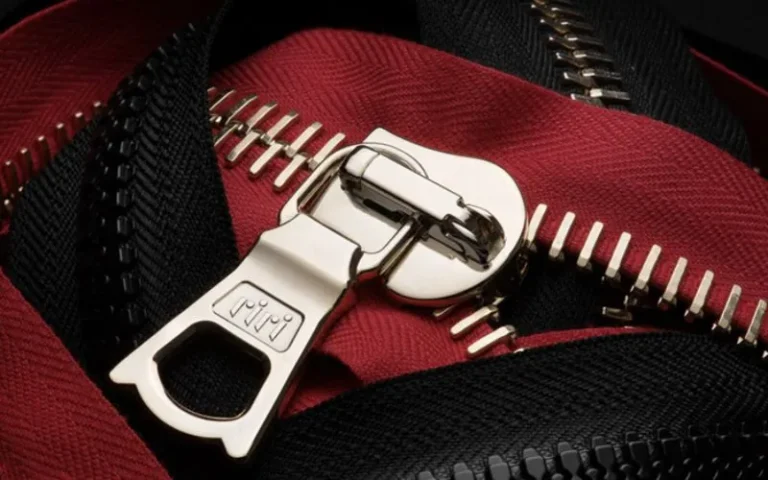
Bag zipper sewing was invented in 1893 with the goal of solving inconveniences in bag opening and closing. This accessory helps ensure safety for items inside and creates high aesthetic value for the product.

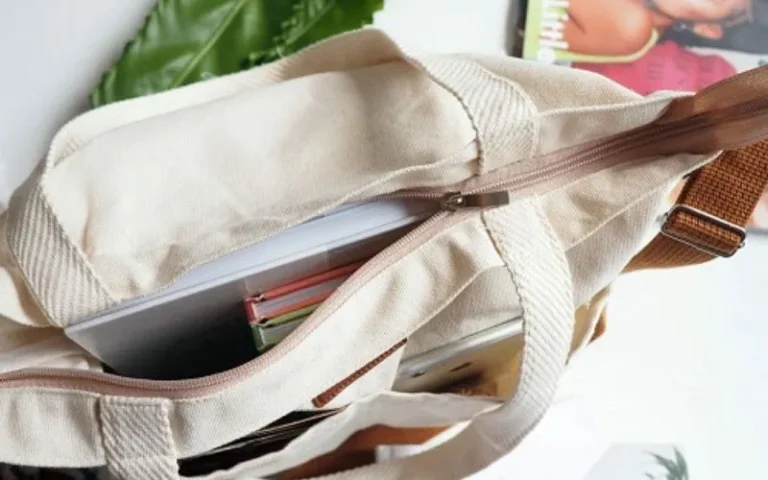
With bag zipper sewing, users can open and close bags quickly and conveniently. Additionally, zippers provide many benefits such as preventing item loss, increasing security, and creating unique design accents.
2. History of Zipper Development
The zipper was initially called “clasp locker”. Inventor Whitcomb Judson created this device to replace complex rows of buttons on shoes and clothing. This was a small detail that brought about a major revolution in the garment industry.
3. Advantages of Bags with Zippers
Zipper sewing for bags provides superior advantages:
- Optimal protection: Items are safe inside
- Convenient use: Quick opening and closing
- High aesthetics: Creates design accents
- Excellent durability: Long-lasting use without damage
II. Classification of Zippers for Bags
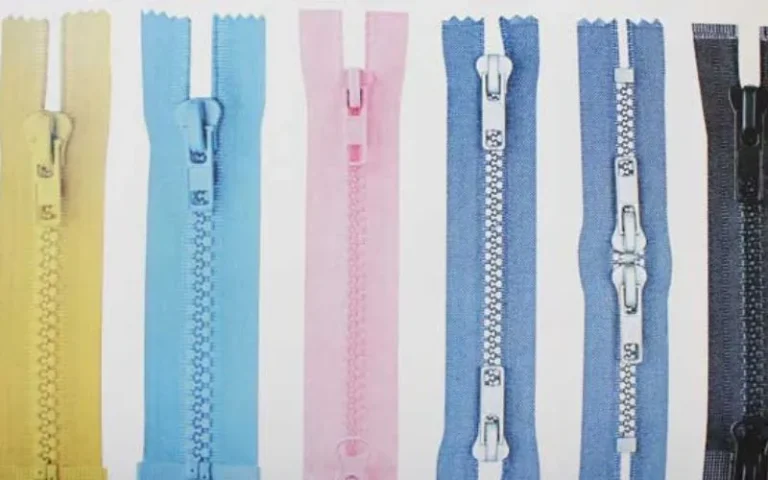
1. Nylon Zipper (Coil Zipper)
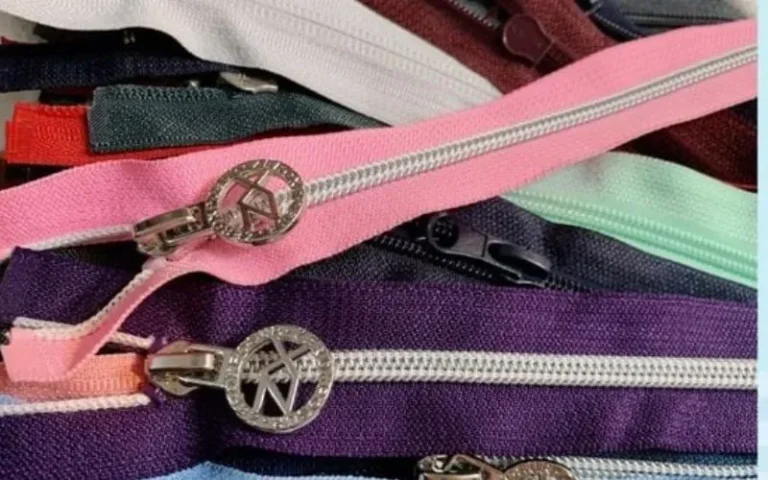
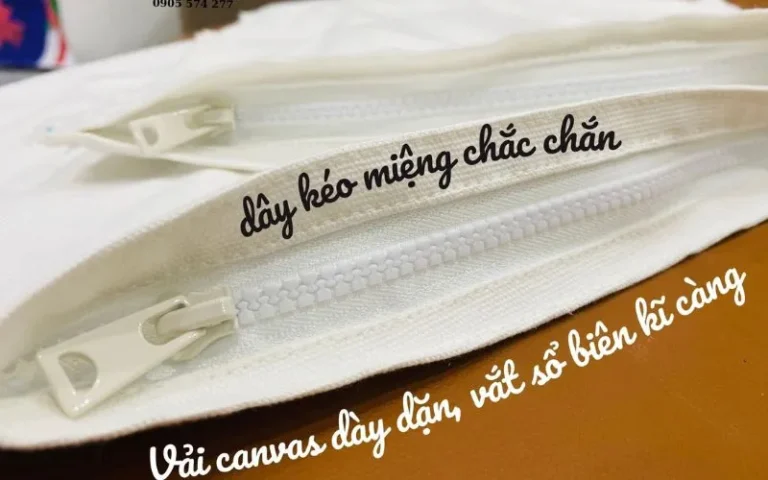
Nylon zippers have teeth made from coiled polyester or nylon yarn. This type is lightweight, flexible, and highly durable. Hop Phat typically uses this type for fabric bags and sports bags.
| Features | Advantages | Applications |
|---|---|---|
| Lightweight, flexible | No broken teeth | Fabric bags, travel bags |
| Affordable | Many color options | Student bags |
| Flexible | Easy to sew | Handmade bags |
2. Metal Zipper
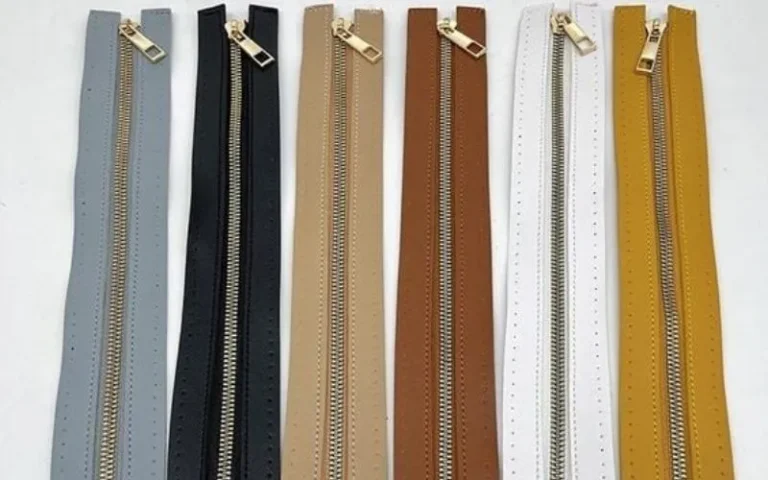
Metal zippers have teeth made from copper, aluminum, or nickel. They provide a luxurious appearance and superior durability for premium leather bags.
3. Plastic Zipper (Molded Zipper)
Plastic zippers have teeth molded from POM plastic. This type has moderate stiffness and is commonly used for fashion bags.
III. Necessary Tools and Materials
1. Sewing Machine and Accessories
To professionally sew zippers into bags, you need:
Zipper sewing machine foot: This is the most important accessory. Hop Phat recommends using specialized feet to ensure accurate seams.
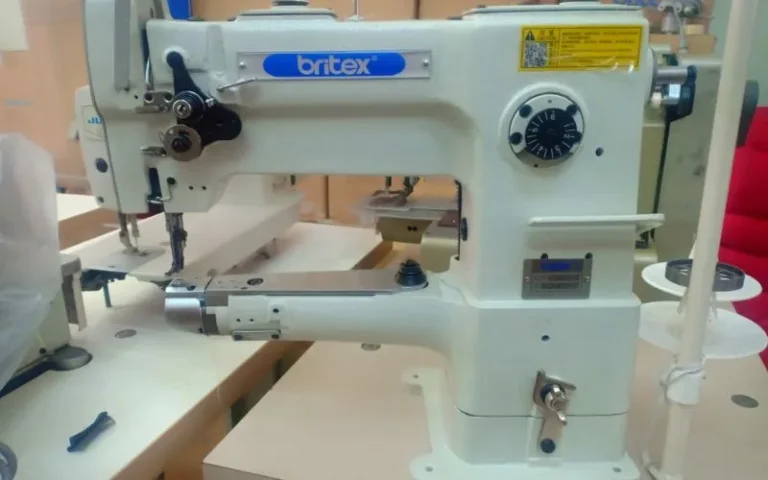
Specialized needles: Use size 14-16 needles for medium fabric, size 18-20 needles for thick fabric.
2. Support Tools
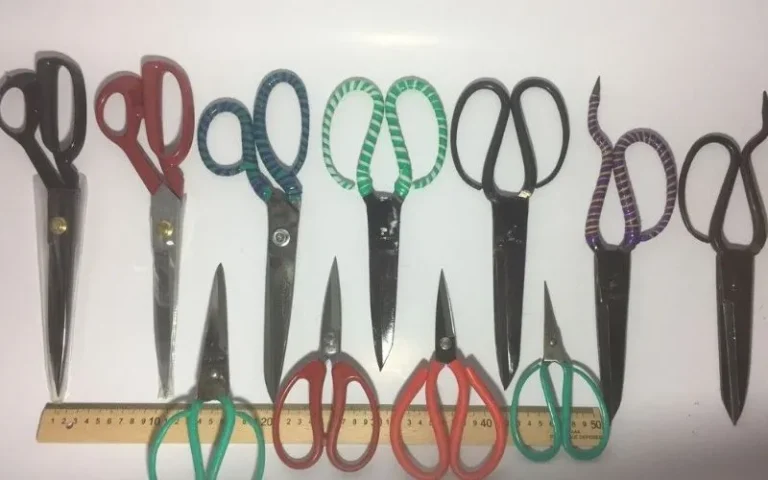
- Fabric scissors: Must be sharp for clean cutting without fraying
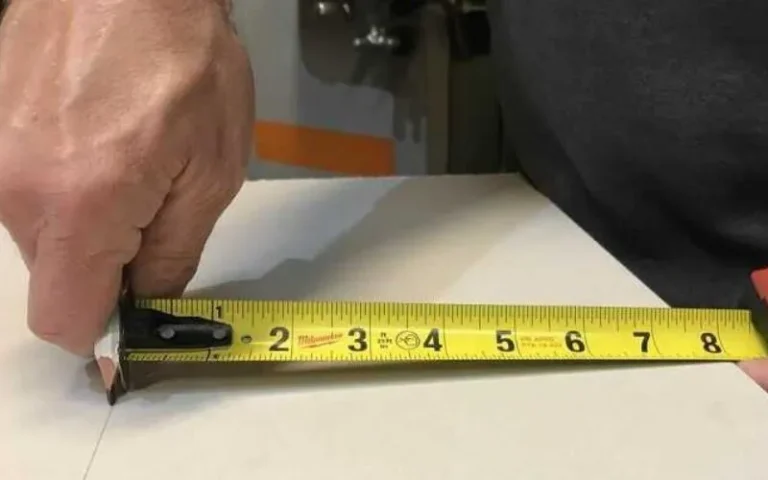
- Measuring tape: Ensures absolute accuracy
- Marking pen: Use self-dissolving pens to leave no marks
3. Additional Materials
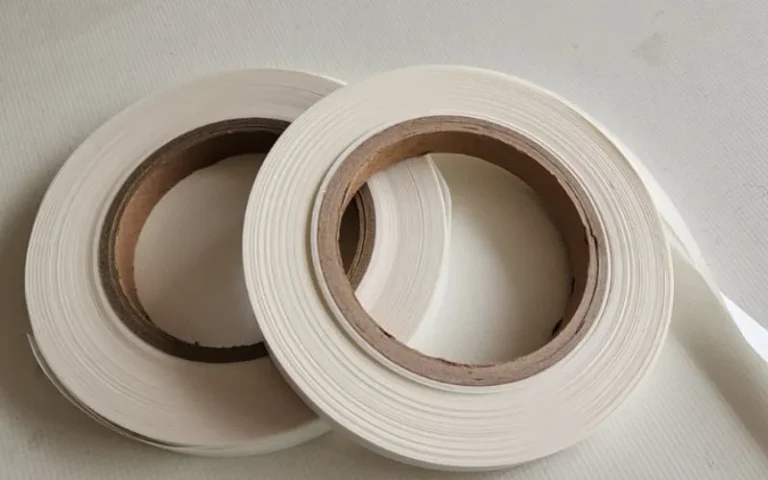
Reinforcement lining helps strengthen the zipper area, increasing product durability. Sewing tape assists in securing the zipper during sewing.
IV. Pre-Sewing Preparation
1. Measurement and Design
The first important step is to accurately determine the position and size of the zipper. Measure the bag opening length and add 2-3cm for easy handling.
2. Fabric Cutting and Preparation
Cut fabric according to the designed pattern.
Note: Leave a 1.5cm seam allowance for the zipper attachment area.

3. Sewing Machine Inspection and Adjustment
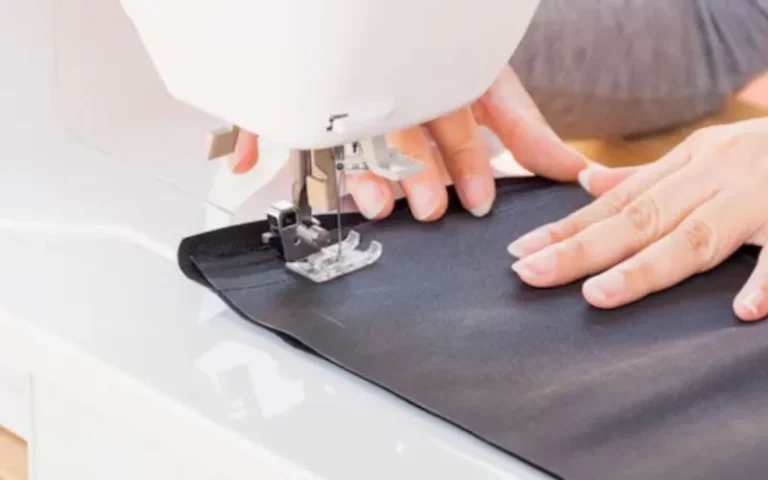
Adjust thread tension suitable for fabric type. Test on a fabric sample to ensure seam quality.
V. Detailed Step-by-Step Zipper Sewing Techniques
1. Basic Zipper Sewing Method
Step 1: Position and pin securely Place the zipper on the fabric, zipper right side facing down on fabric. Pin carefully.
Step 2: First seam Using the zipper sewing foot, sew from top to bottom at slow speed. This ensures accurate seams.
Step 3: Check and adjust Open the zipper to check. If stuck, readjust the sewing position.
2. Invisible Zipper Sewing Technique
Invisible zippers create an elegant look for premium bags. Hop Phat uses this technique for premium products.
Prepare the invisible zipper by lightly pressing to flatten the zipper teeth. Sew from top down with specialized foot.

3. Zipper Sewing for Lined Bags
When sewing zippers for bags with lining, you need to handle both outer fabric and lining simultaneously. Pin all three layers: outer fabric, zipper, and lining. Sew slowly to avoid shifting.
VI. Maintenance and Care
1. How to Use Zippers for Longevity
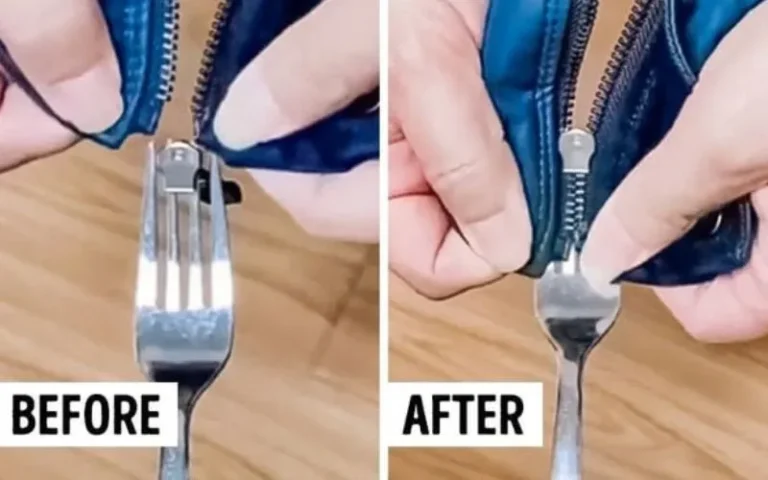
Use gently when opening and closing. Avoid pulling hard or forcing when the zipper is stuck.
2. Regular Maintenance
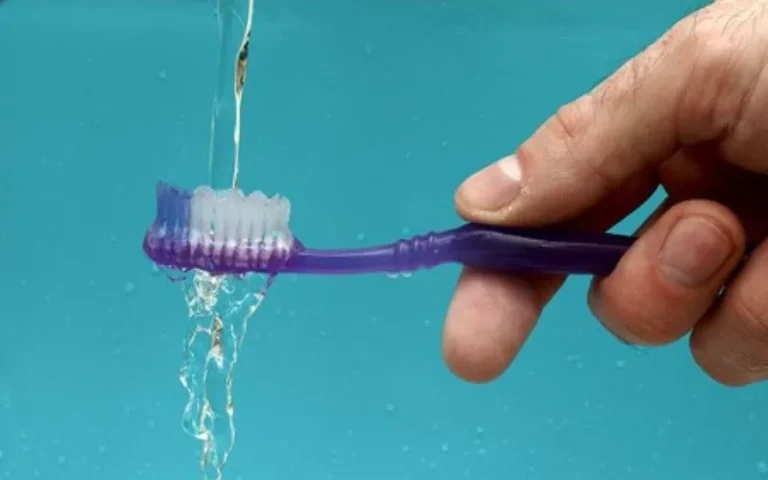
Regular cleaning with a soft brush to remove dust. Lubricate lightly with wax or dry soap.
3. Repairs When Issues Occur
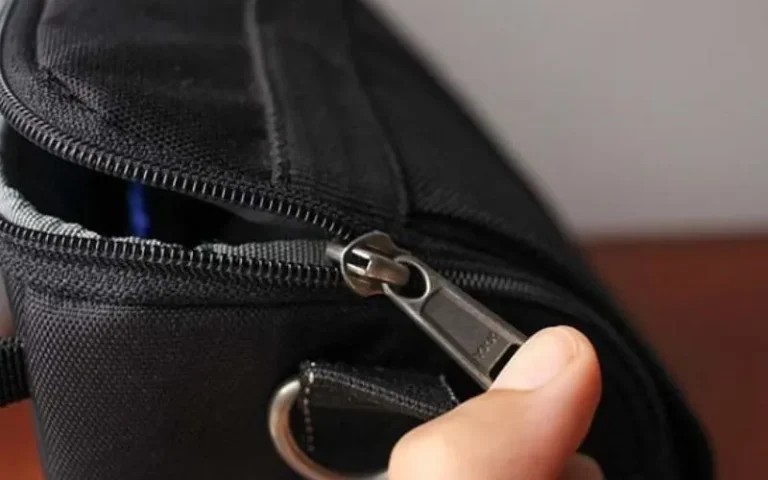
When a zipper is damaged, it can be completely replaced or just the zipper pull depending on the condition.
Regular practice with different fabrics and zipper types. Each material requires specific techniques.
From cutting fabric to finishing the product, how to sew small beautiful bags requires meticulousness and patience, but the results are very worthwhile. Small handmade bags will express your unique personal style and creativity. Contact us immediately if you want to learn more details about our custom backpack and bag manufacturing services.