

 Tiếng Việt
Viscose fabric is an eco-friendly material sought after by many manufacturers in the garment and interior design industries. One of the reasons this fabric has become so popular is due to its advantages and characteristics similar to cotton fabric. Let’s explore with May Hop Phat the characteristics, applications, as well as cleaning and storage methods for viscose fabric through the article below.
Definition: What is Viscose Fabric?
Viscose fabric is a fabric with a structure quite similar to cotton fabric and is used in many different areas of daily life. You can easily find this material used in the production of summer clothing due to the breathability that this fabric provides.

Viscose fabric is a type of fabric woven from synthetic fibers. Viscose fabric can also be called by another name: Rayon fabric.
What is Viscose Fabric Material?
This fabric is made from cellulose fiber. You can find these cellulose fibers in wood from sugarcane, soybeans, bamboo, etc.
Origin and History of Viscose Fabric
Viscose fabric originated from European countries. During the industrial revolution of the 19th and 20th centuries, French scientist Hilaire de Chardonnet invented viscose material as a cheaper and more convenient alternative to traditional silk.
The viscose fabric production process was officially approved and patented in 1892. British scientists Charles Frederick Cross, Edward John Bevan, and Clayton Beadle were the ones who perfected and brought viscose fabric into everyday life.
By the early 20th century, viscose fabric, also known as rayon viscose, was widely used in the European market and gradually spread worldwide.
Viscose Fabric Production Process
The viscose rayon fabric production process includes 6 basic steps:
Step 1: Grind cellulose fibers with a minimum purity of 90% to ensure the beautiful quality of the output fabric.
Step 2: Dissolve the cellulose obtained from step 1 together with sodium hydroxide solution. In this step, the manufacturer will remove impurities in the cellulose to create a new alkaline cellulose with a color similar to the brown of wood.
Step 3: The cellulose obtained from step 2 continues to be processed with rollers to remove remaining impurities and cut into small pieces.
Step 4: Expose the cellulose pieces obtained from step 3 to carbon disulfide compound dissolved in sodium hydroxide solution for several hours. After completing this chemical reaction, viscose material is officially created.
Step 5: The solution will be fed into a spinning machine to create derivative cellulose – viscose fabric fibers as we commonly see. These fibers will be soaked in sulfuric acid before being drawn into individual fabric units and washed with water.
Step 6: From the viscose fabric fibers obtained from step 5, manufacturers will weave them into different large widths and distribute them to the market.
Advantages and Disadvantages of Viscose Fabric
Although widely used, regular viscose fabric still has its own advantages and disadvantages that you need to pay attention to when choosing to use.
Advantages of Viscose Fabric
- Has breathable and soft properties, very suitable for summer clothing made from viscose fabric.
- Viscose material has good absorption capacity, does not retain heat, is safe for body sweat, limits the accumulation of various bacteria and mold during wear.
- When wearing clothes made from viscose fabric, you will feel extremely comfortable, and the friction with the skin is very pleasant. It can be said that viscose fabric is an excellent alternative to traditional silk.
- During the washing process, you can use viscose fabric with many different detergents. Viscose fabric has good acid resistance, so it can maintain the correct fabric shape after many machine washes.
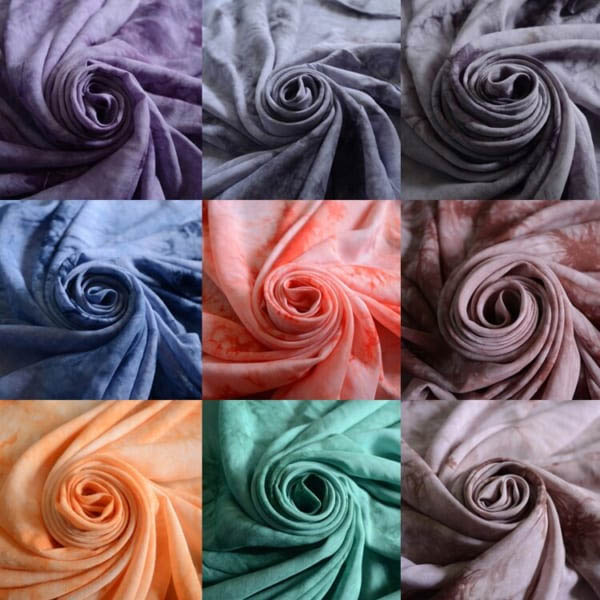
- You can also use viscose fabric to design many everyday outfits, without requiring too many details or complex structures because this fabric is very soft, color-fast, and can be easily dyed and printed with patterns.
Moreover, the price of viscose fabric is also one of the factors attracting many users. The fabric is made from synthetic fibers with overall characteristic advantages no less than silk fabrics on the market but at a much lower price. This is a fabric used by many domestic fashion brands.
You also don’t need to wonder where to buy viscose fabric because this fabric is available at many fabric businesses nationwide.
Disadvantages of Viscose Fabric

- Viscose fabric made from cellulose in wood will directly affect forests worldwide. According to estimates, up to 30% of viscose fabric production is created from deforestation, causing this ecosystem to be seriously affected.
- The viscose fabric production process also uses many toxic chemicals, which can seriously affect water and air sources if the post-production treatment process is not properly ensured.
- When using products made from viscose fabric, you also need to pay attention because this fabric is made from wood pulp, so it is very flammable and has almost no abrasion resistance.
- Viscose fabric will last longer if dry cleaned, so for families without the habit of dry cleaning clothes, this may be an inconvenient point.
Classification of Viscose Fabric Types
With modern production technology today, viscose fabric is divided into three different types. Each type will have its own characteristics and applications:
Regular Viscose Fabric
This is the most commonly used type of fabric. You can encounter this fabric in many types of men’s and women’s clothing and household furnishings. However, this material will shrink quite a bit when wet, so it is necessary to use dry cleaning methods to ensure the quality of the finished product after cleaning.
High-Tenacity Viscose Fabric
This is the type of viscose fabric used in tire production and many other items in the garment industry that require durability and relatively high load-bearing capacity. From the name, you can already sense the absolute stability and super durability of this fabric.

After production according to the normal process, high-tenacity viscose fabric will be coated with an additional special chemical layer to help resist moisture, water resistance, and ensure durability when using the product.
HWM Rayon (HWM Viscose)
HWM viscose is a viscose fabric model with relatively higher moisture absorption capacity than other types of viscose. This material can be used for machine washing and is safe when in contact with water, so it is very commonly used in the production of garments.

Applications of Viscose Fabric in Daily Life
Today, with the development of science and production technology and the manufacture of products from fabric, the applications of viscose fabric in daily life are seen from many different perspectives.
Viscose Fabric Applications in Textiles
Many textile products today are made from viscose fabric. Viscose rayon fabric is used to sew shirts, summer clothing, thin jackets, ski wear, etc. In interior design, viscose fabric is used to sew bed sheets, various carpets, curtains, etc.

Viscose Fabric in Other Applications
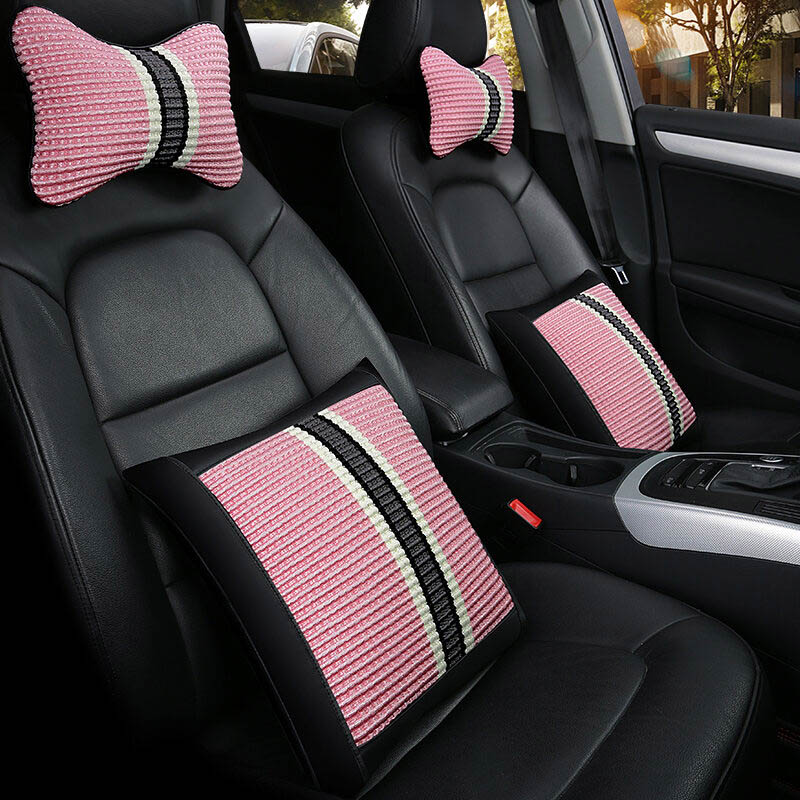
Some other common applications of viscose fabric include sausage casings, tires, automotive interior components, cellophane paper, etc.
How to Clean and Store Viscose Rayon Fabric
To keep viscose fabric always durable and beautiful, you should follow the cleaning and storage principles for products made from viscose fabric material below:
How to Clean Viscose Fabric
When cleaning clothes and products made from viscose fabric, you need to pay attention to washing gently, avoiding strong impacts that will cause the fabric to stretch. It is best to wash with cold water and clothing detergents with low pH concentrations, avoiding affecting the original structure of the fabric.
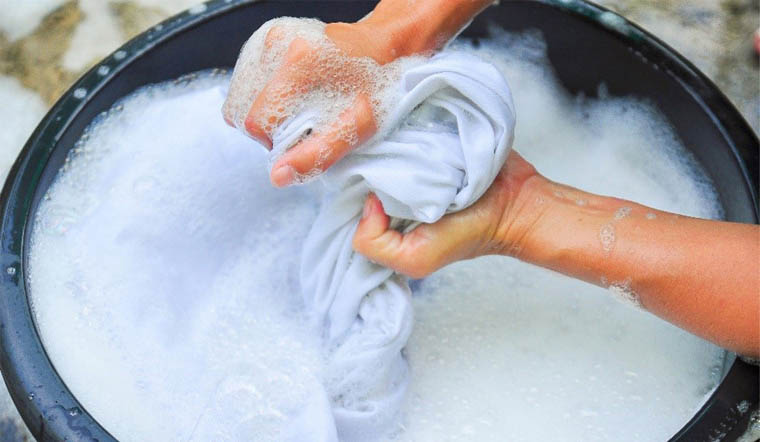
After washing, you should not wring the fabric hard but should use a cotton towel to absorb water and hang it straight on a hanger. You should wash regular viscose fabric by hand. Only HWM Rayon fabric can be machine washed.
How to Store Viscose Fabric
During the storage of products made from viscose fabric, you should iron clothes made from viscose fabric with an iron at the lowest temperature setting.

Because the product contains polyester, it can deform and shrink at high temperatures. When drying, you should also avoid drying the fabric under direct sunlight.
Frequently Asked Questions About Viscose Fabric
What is viscose fabric?
Viscose fabric is a type of fabric woven from synthetic fibers, made from cellulose fiber found in several different types of wood.
What is viscose rayon fiber?
Viscose rayon fiber is synthesized from wood. The nature of viscose rayon fiber is no different from regular cotton fiber.
Where to buy viscose fabric?
You can find and buy viscose fabric at all fabric stores nationwide.

Does viscose fabric wrinkle?
Viscose fabric is very easy to wrinkle if you do not clean and store it properly. Follow our cleaning and storage rules for products made from viscose fabric above to ensure durability.
Is viscose fabric cool?
Viscose fabric has breathable properties and quite good elasticity, so it will not make you feel uncomfortable or feel hot and stuffy when wearing.
Is viscose fabric good?
This fabric is also very safe for those with sensitive skin, so you can be completely assured when wearing and using it.
What is the price of viscose fabric?
Currently, the fabric price on the market falls around 110,000 – 120,000 VND/kg for plain viscose fabric and approximately 140,000 VND/kg for striped viscose fabric.
In conclusion, May Hop Phat hopes you can now confidently choose products made from viscose fabric as well as know how to store products at the best level. You should own outfits made from viscose fabric when summer comes so you can confidently and comfortably be active.