

 Tiếng Việt
The Harmful Effects of Plastic Bags and the 6 Most Effective Solutions
The harmful effects of plastic bags and single-use plastic products are growing day by day. Although these products are increasingly popular, convenient, and affordable, they are causing enormous damage to the environment as well as to consumers’ health. What exactly are these harms? And how can we address them? Let’s explore together with Hop Phat Sewing Company in the article below.
Harmful Effects of Plastic Bags on the Environment and Human Health
The indiscriminate use of plastic bags is causing a series of serious negative effects on the environment — as well as on human health. Let’s take a closer look at the harmful effects of plastic bags on each specific aspect.
The Harmful Effects of Plastic Bags on Human Health
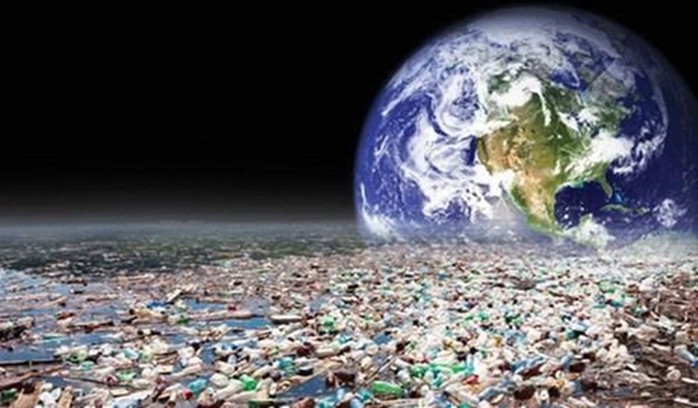
Not only plastic bags, but also plastic straws, single-use plastic cups, foam boxes, and plastic water bottles — most of these are recycled from previously used plastic products. Some chemicals found in these plastic products have not been fully removed, such as plasticizers, dyes, lead, and cadmium. These substances can leach into food and then be absorbed into the human body during use.
Over time, the accumulation of these chemicals can lead to cancer, negatively affect brain development in children, cause tissue changes, chromosomal mutations, miscarriages, birth defects, hormonal disruption, and many other health consequences.
Burning Plastic Waste and Plastic Bags Endangers Public Health
As demand for plastic products increases, the amount of plastic waste and plastic bags released into the environment grows rapidly. Meanwhile, waste collection and management cannot keep pace. As a result, the burning of plastic bags and plastic waste is becoming increasingly common.
What seems like a clean method of disposal actually generates a wide variety of toxic gases. This causes breathing difficulties, affects the endocrine system, weakens the immune system, disrupts digestive functions, and — most critically — significantly raises the risk of cancer with frequent exposure.
The Harmful Effects of Plastic Bags on the Ecosystem
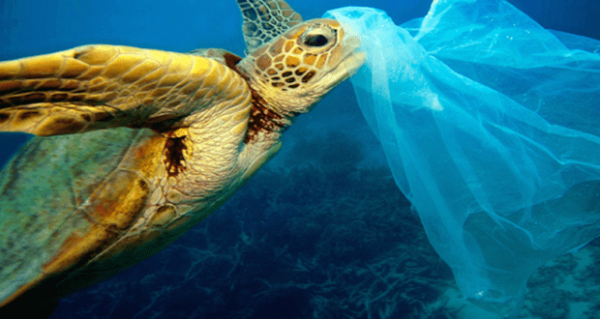
Plastic bags and single-use plastic products are only useful for a short period of time before being discarded. However, despite their apparent convenience, these products are extremely difficult to decompose. They cause enormous harm to both human health and the living environment, and are one of the primary causes of escalating environmental pollution — creating conditions for all kinds of disease to thrive.
Furthermore, plastic bags degrade soil quality — plastic buried in the ground prevents the soil from retaining water and nutrients. They also cause flooding and waterlogging, as discarded plastic bags block drainage pipes, ponds, and canals.
Another major harmful effect of plastic bags is the destruction of wildlife. Plastic bags that drift into lakes and oceans cause the death of marine creatures that accidentally ingest them. In reality, many animals have died after eating plastic food containers carelessly discarded into the sea by tourists.
Measures to Reduce the Harmful Effects of Plastic Bags — Don’t Miss These
By now, you should have a clear understanding of the negative consequences of plastic bags on the environment and human health. At this point in time, limiting plastic bag use and moving toward a plastic-free society is absolutely necessary. To achieve this, we all need to implement the following measures:

- Minimize the use of plastic bags and single-use plastic products in daily life, gradually working toward eliminating them entirely.
- Encourage the use of containers made from biodegradable materials such as paper, bamboo, rattan, and sedge.
- When going to the market, instead of using plastic bags, bring a basket, reusable bag, or food container — or use paper or natural leaves such as banana leaves or lotus leaves for wrapping.
- When it is unavoidable to use a plastic bag, place all food and goods together into a single bag to minimize usage.

- Reuse plastic waste for other purposes that do not harm human health. Never mix easily biodegradable waste with plastic, so as to facilitate collection and recycling into useful products.
- Encourage and support businesses in the production of eco-friendly bags.
Today, a number of businesses and companies have invested in producing environmentally friendly bags, such as reusable paper bags, non-woven fabric bags, canvas bags, and biodegradable plastic bags. Among them, Hop Phat Bag & Backpack Manufacturing Company stands out as a pioneer in the production of non-woven fabric bags and canvas bags — one of the most reputable and affordable manufacturers in Hanoi and Ho Chi Minh City.
Conclusion
Now you’ve seen the harmful effects of plastic bags, haven’t you? To best protect the environment, we should limit plastic bag use and switch to canvas bags, non-woven fabric bags, and reusable paper bags instead.