You are using a fabric backpack for school, work, outings, or outdoor trips… and you want to learn the proper method to wash your backpack correctly in order to preserve its color, patterns, and product lifespan? Please refer to the backpack washing steps below from Hop Phat Factory for detailed guidance.
Step 1: Remove Everything from Inside the Backpack
Before you begin to wash your backpack properly, you must first remove all items inside — such as books, laptops, clothing, wallets, lip balm, and so on. Failing to do so not only makes washing more difficult but can also cause items inside to be damaged by water contact. Furthermore, items that get wet may bleed color onto the backpack fabric, causing discoloration and making it look less attractive.
Step 2: Read the Care Label on the Fabric Backpack (If Available)
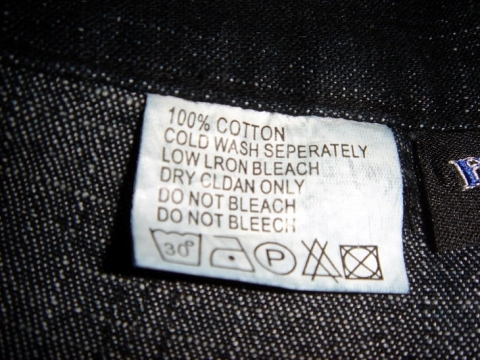
Read the care label on the backpack carefully before washing
Read the care label on the backpack carefully before washing
High-quality backpacks typically have a care label noting the material composition and important maintenance instructions. Before washing your backpack, locate and read this label carefully to determine the most appropriate washing method — whether to hand wash or machine wash, whether bleaching agents are safe to use, and whether warm or cold water should be used.
Step 3: Choose the Correct Washing Method for Different Fabric Types
After reviewing the information on the care label, base your decision on it to choose the most appropriate and correct backpack washing method — machine wash or hand wash. If the backpack has no label or if the label text is too faded to read, rely on the fabric material and its properties to make the best choice. For example:
Cotton fabric backpack should be washed by hand
Cotton fabric backpacks should be washed by hand
A 100% nylon travel backpack is difficult to crease and has minimal stretch during washing, so it can be machine washed or hand washed freely. Backpacks made from fabrics such as cotton, non-woven fabric, or lining fabric are prone to creasing and have good elasticity but cannot withstand the strong mechanical force of a washing machine — these must be hand washed.
Step 4: Choose the Right Cleaning Agent
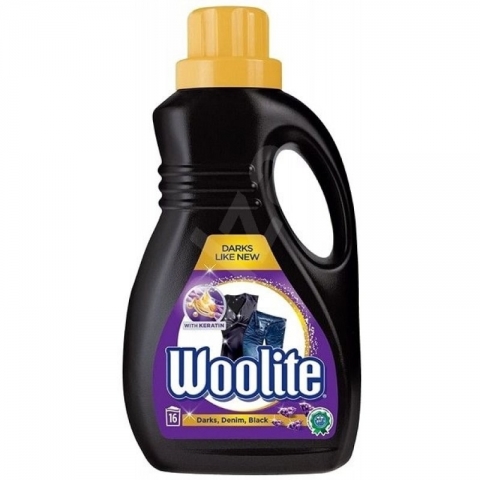
Woolite specialized detergent for washing backpacks
Some cleaning agents with strong formulas can not only remove stains and odors from fabric but also cause the fabric to fade. If your backpack is made from nylon fabric, you do not need to worry too much about your detergent choice — almost any cleaning agent will work (though you should still avoid overly strong bleaching agents). However, if your backpack is made from cotton, non-woven fabric, or lining fabric, prioritize gentle, mild detergents such as Woolite specialized fabric cleaner.
Step 5: Turn the Backpack Inside Out or Place It in a Laundry Bag
If you decide to machine wash the backpack, turn it inside out or place it inside a laundry mesh bag before putting it into the machine. Doing so will help prevent the shoulder straps and decorative patterns from fading, and protect the fabric surface from fraying due to the strong spinning force of the washing drum.
Step 6: Wash the Backpack Correctly
Machine Washing
Do not dry the backpack under direct sunlight
Place the backpack into the washing machine and add diluted detergent. Then, set the machine to a gentle/delicate wash cycle to prevent the backpack fabric from stretching or fraying, which would damage the product. During the wash cycle, watch to ensure the backpack does not get stuck in a fixed position inside the drum and make timely adjustments if necessary.
Throughout the process of washing your backpack properly, always use cold water to wash fabric backpacks — this helps prevent color fading and fiber stretching.
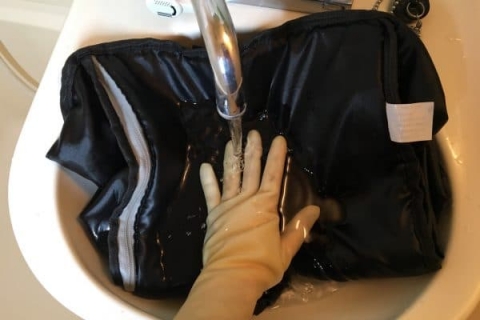
Fill a basin with warm water at approximately 40°C, dissolve soap or detergent in it, and soak the fabric backpack for about 30 minutes. Do not use water that is too hot, as this can cause color fading and excessive fiber stretching, which will damage the backpack.
After soaking, take an old toothbrush and gently scrub the stained areas on the backpack until they are completely clean. The gentle bristle action will effectively remove dirt without causing the fabric surface to fray.
Once the stains have been scrubbed clean, rinse thoroughly with clean water to remove all soap residue.
Step 7: Dry or Air the Fabric Backpack After Washing
The next step after properly washing your backpack is drying it. If you machine washed it, simply take it out of the drum, remove the laundry bag if used, and hang it to dry. If you hand washed it, wring out as much water as possible before hanging to speed up drying, or use the spin cycle of the washing machine to remove excess water.
Cleaning grease stains and mold on a backpack using vinegar
Do not dry the backpack under direct sunlight
Different backpack materials require different drying approaches. Specifically, nylon fabric backpacks are highly durable and can withstand temperatures up to 160°C, so they can be dried directly in the sun or with a dryer. Cotton, non-woven fabric, and lining fabric backpacks, however, cannot tolerate high temperatures and will be damaged by direct harsh sunlight or the heat of a dryer. To dry these backpack types, hang them in a cool, well-ventilated shaded area. When hanging, turn the backpack upside down and open all zippers and compartments to allow it to dry faster.
Step 8: Store the Fabric Backpack After Washing
If after washing the backpack feels wrinkled, do not attempt to iron it flat — simply hang it in a cool, shaded spot and it will naturally smooth out over time.
When using the backpack, if it accidentally gets wet in the rain, dry it immediately to prevent mold and mildew. Simply empty all items from the backpack, hang it on a hook, and leave it in a cool, well-ventilated place.
Furthermore, to extend the backpack’s lifespan, do not overstuff it with heavy items. Excessive load places stress on the shoulder straps, waist belt, and all the seams and stitching of the backpack.
How to Remove Stubborn Stains Before Washing Your Backpack
In addition to choosing the right detergent and washing method, you also need to pre-treat certain stubborn problems before washing — such as grease stains, mold, and ballpoint pen marks — using easily accessible solutions such as:
Cleaning with Green Tea Extract
What you need: Green tea solution, one clean white cloth. Method: Dip the cloth into the green tea solution and wipe repeatedly over the stain until it is completely clean. Then rinse with cold water and hang to dry.
[Image: dung-dam-lam-sach-vet-am-moc-min.jpg]Alt: Cleaning grease stains and mold on a backpack using vinegar
Cleaning grease stains using vinegar
Cleaning Mold and Grease with Vinegar
What you need: White vinegar, clean cotton cloth. Method: Apply a small amount of vinegar onto the cotton cloth, then use it to wipe away mold spots and grease stains on the fabric backpack until completely clean, then rinse with cold water.
Using Diluted Alcohol to Clean Mold
Alcohol — or diluted rice wine as an alternative — is an effective cleaning and mold-killing agent for fabric backpacks.
What you need: Diluted alcohol or rice wine, clean cotton cloth. Method: Dip the cotton cloth into the diluted alcohol or rice wine, then wipe it over the moldy areas on the backpack. Finally, wash again with clean water and hang to dry.
Baking Soda — Effective Odor Elimination and Backpack Cleaning
Baking soda is a powerful ally for eliminating mold and removing unpleasant odors from backpacks and bags.
What you need: Baking soda powder, clean cotton fabric. Method: First, sprinkle baking soda powder over the moldy areas, wait a few minutes, then wipe clean with the cotton fabric. Then continue by washing with cold water and drying — this will effectively eliminate mold from your fabric backpack.
The above covers the 8 steps to properly washing a backpack for each type of fabric material, brought to you by Hop Phat Affordable Backpack Factory in Ho Chi Minh City. We hope these instructions help keep your fabric backpack clean, fresh, and long-lasting for years to come.


 Tiếng Việt