

 Tiếng Việt
Are you troubled by your favorite bag suddenly tearing? Don’t throw it away! May Hop Phat will share useful tips to repair torn bags simply and effectively at home. Reality shows that buying a new bag can cost between 300,000 – 500,000 VND, while how to repair torn bags only requires an investment of about 20,000 – 50,000 VND for materials. This is why more and more young people are choosing to repair themselves instead of buying new.
I. Why Repair Torn Bags Yourself Instead of Buying New?
1. Significant Cost Savings
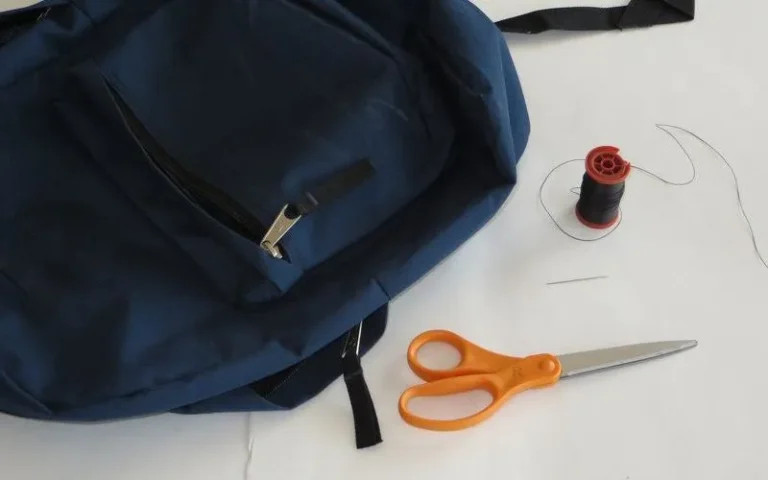
Repairing leather bags or patching school bags at home helps you save up to 90% of costs compared to buying new bags. A basic sewing repair kit including sewing needles, sewing thread, scissors, and patches costs only 30,000 VND but can be used to repair multiple times.
2. Useful Life Skills
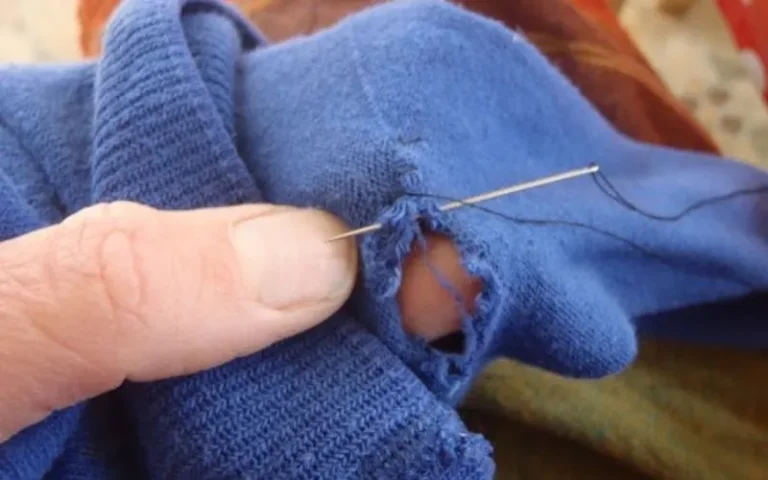
Learning how to sew torn bags not only helps you handle the current situation but also equips you with important self-reliance skills. These sewing knowledge will be useful when you need to repair clothes, patch handbags, or sew other items.
3. Environmental Protection
Instead of discarding old bags, reusing and repairing helps reduce waste. This is a way to practice a green lifestyle and sustainability without being costly.

II. Prepare Necessary Tools and Materials
1. Basic Tools
| Tool | Function | Reference Price |
|---|---|---|
| Sewing needle | Main sewing repair | 5,000 VND |
| Sewing thread | Connect fabric pieces | 10,000 VND |
| Small scissors | Cut thread, fabric | 15,000 VND |
| Ruler | Measure dimensions | 5,000 VND |
| Iron | Flatten | Available |
2. Patch Materials
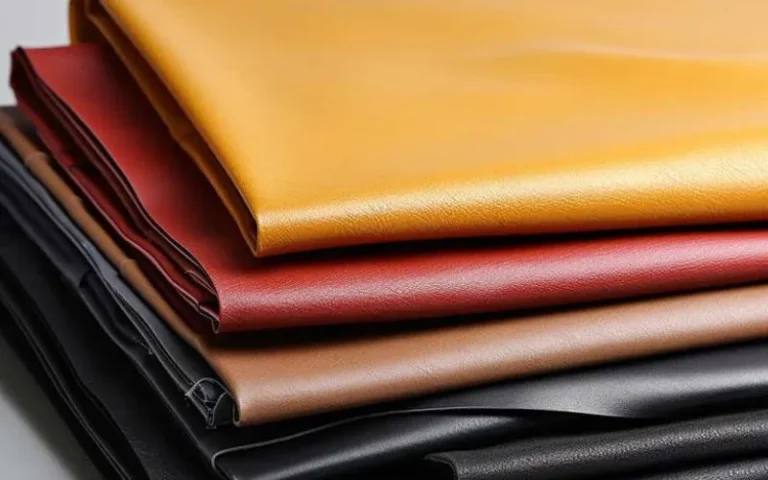
Fabric patches are the most important element in how to repair torn bags. You should choose canvas fabric, denim fabric, or PU leather with colors similar to the original bag. Fabric glue is also a good choice for small tears.
3. Tips for Choosing Quality Tools
May Hop Phat recommends buying polyester thread instead of cotton thread because it has higher durability. Needles size 16-18 are most suitable for thick fabrics of school bags. Avoid buying cheap tools as they may break or dull quickly.
III. 5 Detailed Steps to Repair Torn Bags
1. Step 1 – Assess Damage Level
Before starting to repair torn school bags, you need to classify tears:
- Small tears (under 2cm): Can sew directly
- Medium tears (2-5cm): Need small patch
- Large tears (over 5cm): Need large patch and special techniques
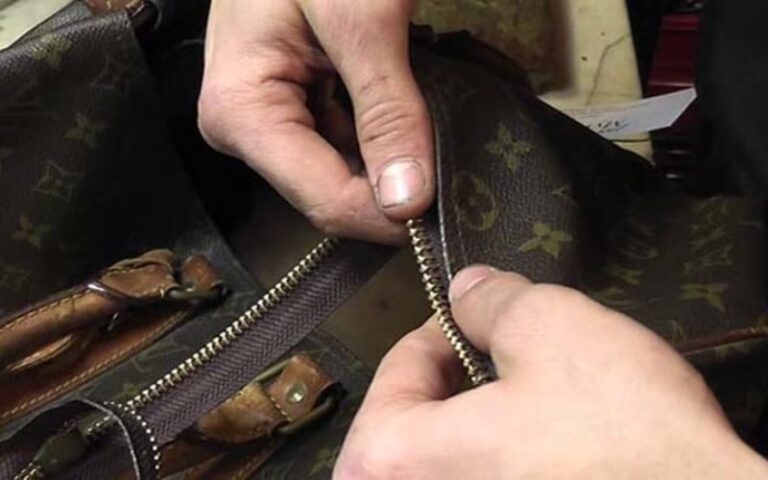
Tear location also affects the repair method. Tears on bag body are easier to fix than tears at corners or bag edges.
2. Step 2 – Prepare Surface to be Repaired
Clean the area around the tear with a damp cloth. Trim excess fabric threads to create a neat tear line. If the bag has a lining layer, turn inside out to sew from inside out.
3. Step 3 – Place Patch and Secure
The patch needs to be 1-2cm larger than the tear on each side. Place the patch on the inside of the bag and secure with sewing pins. Ensure the patch is not wrinkled or crooked.
4. Step 4 – Perform Sewing
The most suitable sewing technique for how to repair torn bags is straight stitch or zigzag stitch. Start sewing from one end of the tear, keeping even spacing between stitches. Thread tension should be moderate to avoid fabric wrinkling.
Hide stitches by threading the needle from inside to outside. This helps the thread line not be visible and increases aesthetics.
5. Step 5 – Finish and Check
Cut excess thread with small scissors. If you have an iron, iron lightly to flatten the just-sewn area. Check durability by pulling gently on both sides of the sewn area.
IV. How to Repair Different Types of Bag Damage
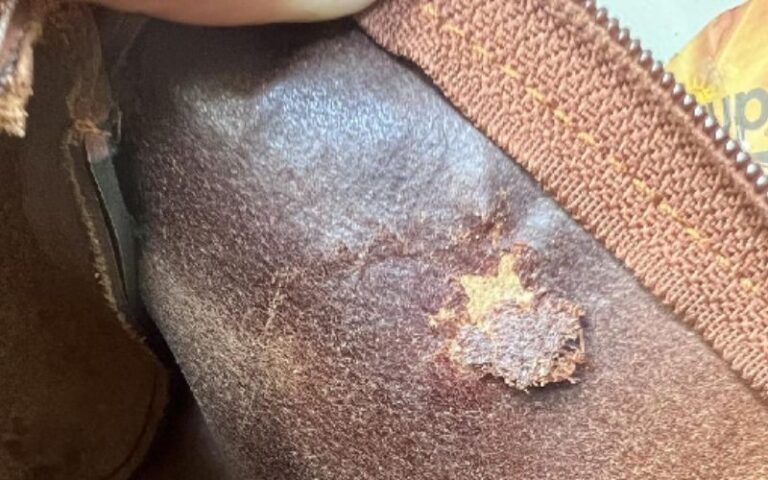
1. Repairing Torn Leather Bags
Genuine leather bags need special techniques. PU leather is softer so easier to sew than genuine leather. Use large needles and thick thread for thick leather. Leather glue can replace sewing for small tears.
2. Patching Canvas/Nylon Bags
Canvas fabric and nylon fabric have different elasticity. Polyester thread is suitable for both types. Zigzag stitch helps fabric not stretch after sewing.
3. Repairing Broken Bag Straps
Broken bag straps are common damage. Connect straps by overlapping the two broken ends by 2-3cm then sew zigzag. Reinforce further with fabric piece placed inside.

V. Useful Tips to Sew Bags Beautifully Like Professionals
1. Choosing Suitable Thread Color
Thread color should be similar to bag color to hide seams. For black bags, use black thread or dark gray. Brown bags match with brown or beige thread. White thread only for white bags or light colors.

2. Technique to Hide Stitch Lines
Hidden sewing technique helps the seam line not be visible from the outside. Start sewing from the inside, thread needle through patch and original fabric then pull thread to the inside.
3. Using Creative Decorative Stickers
Fabric stickers or decorative patches can completely cover the sewn area and create an accent for the bag. This is a solution for those who are not handy but still want to repair bags beautifully.

VI. How to Maintain Bags to Avoid Tears
1. Rules for Proper Use
Don’t stuff too many heavy items in the bag. Maximum weight should be under 5kg for regular school bags. Open zippers gently, avoid pulling hard causing zipper tears.
2. Regular Cleaning
Clean bags weekly with a damp cloth. For leather bags, use leather conditioner once every 2-3 months. Fabric bags can be machine washed gently.

3. Storage When Not in Use
Hang bags in a dry place, avoid direct sunlight. Stuff newspaper inside the bag to maintain shape. Don’t stack many bags on top of each other.
VII. When to Take to Professional Tailors
1. High-Value Bags
Premium genuine leather bags or branded bags should be taken to tailors to ensure repair quality. Professional repair costs are higher but guarantee aesthetics.
2. Severe Damage Cases
When tears are too large (over 10cm) or in multiple locations, self-repair may not be effective. Broken zippers or completely broken straps also need professional expertise.
3. Reputable Tailor Addresses
May Hop Phat suggests you should find tailors with experience in leather goods and handbags. Ask for prices before handing over bags and request warranty for repair work.
This article has provided you with useful tips and how to repair torn bags simply, helping your bag always stay in the best condition. However, if the bag is too old and cannot be repaired anymore, it’s time you need a new product. If you need business products, contact us now to see quality bag lines and order today.