

 Tiếng Việt
As you may already know, both PE and PVC plastic are thermoplastics, and each has its own advantages and disadvantages. They are applied in many different fields in daily life. However, when it comes to choosing one of these two thermoplastics for your manufacturing and business operations, it is not an easy task. Understanding this, Hop Phat will share some basic information, as well as detailed evaluations and analyses of these two types of thermoplastics. Through the article “Comparing PE and PVC plastic – Which thermoplastic is safer?”, we hope the information shared below will help you easily choose the right plastic material that meets your usage needs and provides high economic efficiency.
Characteristics of PE and PVC Plastics – Which thermoplastic is better?
Generally, each type of thermoplastic has different outstanding characteristics. These create the unique strengths of each specific plastic material. Specifically:

Outstanding characteristics of PE plastic
PE plastic has many superior characteristics. For example: PE plastic is transparent, slightly hazy, with a smooth, glossy, and flexible surface. In addition, PE plastic has extremely good resistance to water and water vapor. Furthermore, it can withstand high temperatures (under 230 degrees Celsius) for a short period.
Disadvantages However, PE plastic has the disadvantage of swelling or becoming damaged when in direct contact with aromatic essential oils or cleaning agents such as Alcohol, Acetone, H2O2, etc. In addition, PE plastic can allow gases and aromas to permeate through it. Therefore, PE plastic can also absorb and retain odors within the packaging itself. For this reason, manufacturers do not use it for food packaging, as it will compromise the sensory value of the product. Additionally, PE has very poor resistance to O2, CO2, N2 gases, and grease.
Excellent characteristics of PVC plastic
Like other plastic materials, PVC plastic also has its very own characteristics. Typically: PVC plastic is highly durable, sturdy, has a high impact and load-bearing capacity, and is resistant to aging. Furthermore, PVC has a long lifespan under all weather conditions and harsh environments. Additionally, PVC plastic has excellent UV resistance, so products made from PVC plastic do not degrade when exposed to ultraviolet environments. Along with this is its excellent chemical corrosion resistance. It does not rust or rot upon contact with chemicals. Moreover, PVC plastic is fire-resistant. This virgin plastic material does not catch fire, providing fire-retardant capabilities in the unfortunate event of a fire.
-
Waterproof: PVC plastic is highly waterproof and resists moss and mildew very well.
-
The lifespan of virgin PVC plastic is incredibly long, saving maintenance and replacement costs.
-
Especially environmentally friendly: There are no toxins in the composition of virgin PVC plastic, making it safe for users’ health.
-
Easy to construct and install: Thanks to customizable sizes according to customer needs, installation becomes more convenient and easier.
Disadvantages PVC plastic has poorer water vapor resistance compared to PE plastic. PVC is brittle and not as flexible as PE plastic. Therefore, when using PVC plastic to produce packaging, manufacturers often add certain additives during the production process. However, once PVC plastic has been plasticized by additives, it will undergo modification and become hard and brittle after a certain period. Although the VCM residue is low, in some European countries, PVC is not used for food packaging, even though its cost is cheaper compared to other types of plastic packaging.
Comparing PE and PVC plastic through their uses – Which thermoplastic is better?
Regarding their uses, when comparing PE and PVC plastic – Which thermoplastic is better? This is a primary concern for many customers. Generally, each plastic material has different characteristics. Therefore, they also have very distinct uses. Specifically:
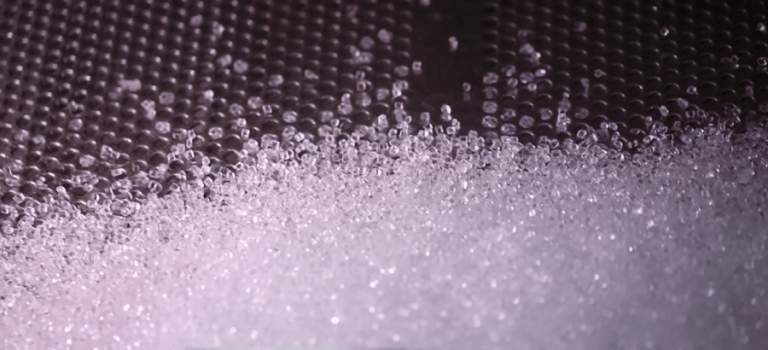
With its outstanding characteristics, PE plastic is used to make various types of bags, or jerry cans with volumes ranging from 1 to 20 liters in different thicknesses. In addition, PE plastic is used in manufacturing bottle caps. However, because bottle caps can absorb odors, food bottles sealed with PE caps need to be stored in an odorless environment.
As for PVC plastic, its uses are mainly for making shrink wrap labels for various plastic bottles and jars. Or shrink wraps used to cover short-term preserved foods such as raw meat, fresh vegetables, etc. Besides, it is also used to manufacture household items.
Comparing PE and PVC plastic through prominent applications
Thanks to their characteristics and uses, both of these thermoplastics are used as cling film. However, each plastic material has its own strengths, so wraps made from these two materials also have very distinct features. You can easily distinguish this with the naked eye, for example: Wrap made from PE plastic is usually white, has low adhesion, and is very difficult to tear. On the other hand, wrap made from PVC plastic has a yellowish tint, high adhesion, and is very easy to tear. Although PVC plastic wrap has been on the market for quite a long time, nowadays users tend to use PE plastic wrap more. This is due to the belief that PVC plastic contains toxins with a risk of causing diseases. However, you can be completely assured, because before supplying this product to the market, manufacturers have conducted testing and censorship regarding safety.

So when using PE and PVC plastic in the production of plastic bags, which type will be more durable?
In today’s market, although there are many types of PE plastic, manufacturers typically use the following two types in the production of plastic bags:
-
HDPE plastic, also known as High-Density Polyethylene
-
LDPE plastic, also known as Low-Density Polyethylene
Plastic bags made from PE plastic usually have a translucent white color, a glossy surface, are slightly stiff, and are prone to wrinkling and creasing. When rubbed, this type of bag makes a rustling sound, which is why it is also called a “rustling bag” . This product line is mainly used as garbage bags, food bags, etc. As for plastic bags made from LDPE plastic, they are mainly used to produce large-sized bags. They are used to carry heavy goods and are often printed with advertising logos for businesses. Both types of plastic bags made from HDPE and LDPE are safe, so they are widely used in modern life.
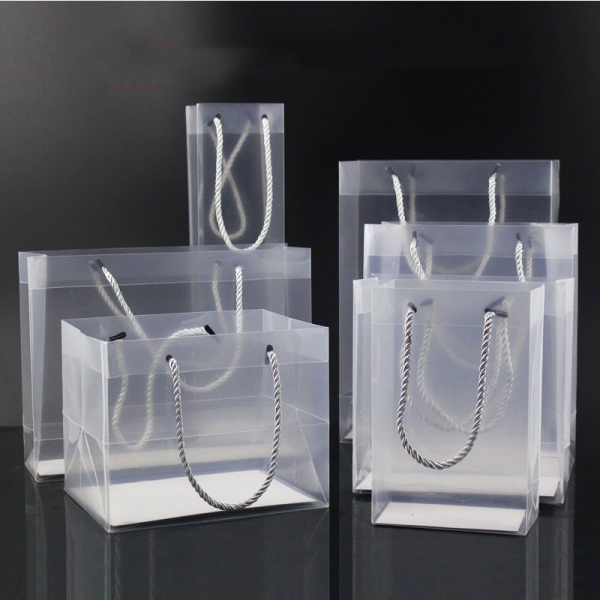
Meanwhile, plastic bags made from PVC plastic are commonly used to contain, preserve, and transport goods. In particular, PVC plastic bags are extremely flexible in size, with highly diverse designs and colors. Thanks to the outstanding advantages of being transparent and tough, PVC plastic bags have very good load-bearing capacity and versatility. Perhaps that is why PVC plastic bags are heavily utilized in the industrial sector and daily life activities.
Conclusion
So we have just analyzed together the characteristics, uses, as well as some prominent applications of PE and PVC plastic. By now, you can surely compare for yourself which thermoplastic is better between PE and PVC plastic, right? And you know which thermoplastic is suitable for your specific application field. We wish you a wise choice for yourself!