

 Tiếng Việt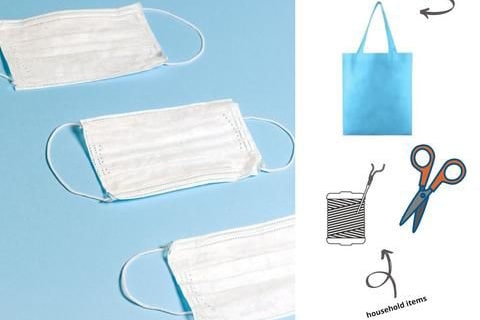
The current epidemic still shows no signs of declining. There are many ways to protect yourself, the essential thing to protect yourself and others is to wear a mask. Currently, the number of masks used worldwide has reached a figure 10 times higher than before. Therefore, to prevent the Coronavirus, be conscious of wearing a mask when going out and wash your hands when making contact. Today, May Hop Phat will guide you on making masks from non-woven fabric bags at home with extremely simple tools available at home.
Guide to Making Masks from Non-woven Bags
What Type of Fabric Should We Use to Make Masks?
There are no official guidelines on what materials should be used at this time. Some sources say that tightly woven fabrics like cotton are best, but non-woven fabrics are also effective.

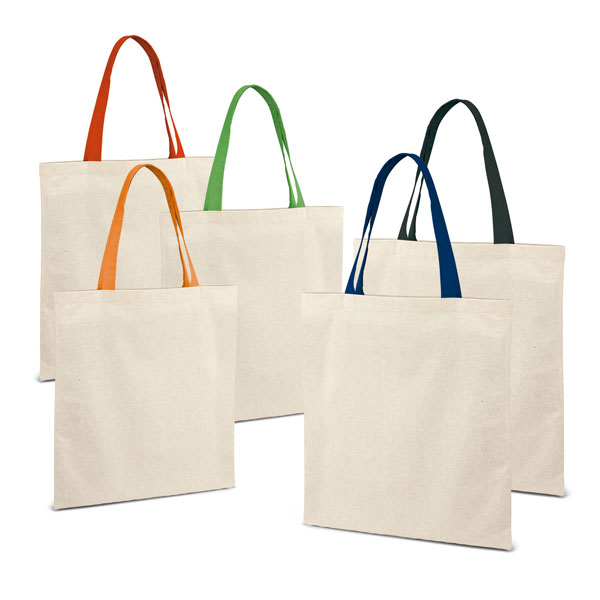
Non-woven materials like reusable shopping bags and gift bags are durable and sturdy materials that don’t create holes, making them an ideal and safer form of protection.
Materials to Prepare for Making Medical Masks
- When preparing fabric, make sure you wash it first. It’s important to use hot water to kill all germs, and this will cause the material to shrink beforehand.
- Then dry and set aside.
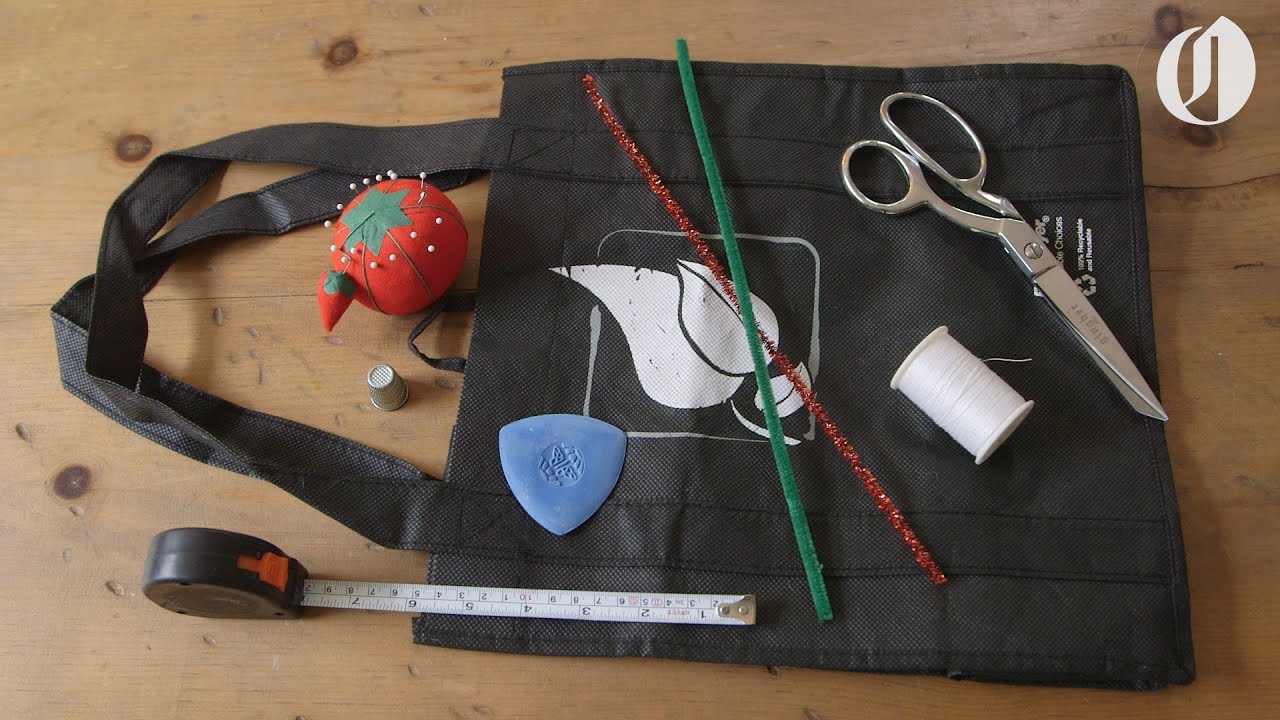
- Thin metal/aluminum strip (optional)
- Elastic with good stretch so that when worn it doesn’t tighten too much on the ears, causing pain and discomfort
- Needle and thread, sewing machine
Step-by-Step Guide to Making Medical Masks from Non-woven Fabric Bags
Step 1: Sew the Outer Face
- Fold the rectangular material/non-woven fabric in half, making sure the right sides are facing each other.
- Along the 8.5″ width edge, with a 5/8″ seam allowance, then sew it together.
- Make sure to leave a 3″ opening in the middle of this seam. This will provide you space for the filter pocket and allow the mask to be turned right side out after sewing. But if you don’t want a filter pocket, you still need to leave an opening. This is so you can turn the right side out, but once you’re done, you can sew the opening closed.
- Turn the fabric inside out so the seam with the opening is in the middle of one side. Use an iron to press the seam open.
- Fold the excess seam underneath so it hugs the fabric edge. When you’ve completed the above steps, sew along each side of the seam to finish the edge. Doing this helps prevent the fabric from fraying when installing and removing the mask filter.

Step 2: Pin Elastic or Fabric Ties
- Pin a piece of elastic to the mask, one piece on each side, one end at the top corner and one end at the bottom corner of the material to create ear loops when the mask is pleated and turned right side out. Place the elastic ends about ¼” from the top and bottom corners.
- The elastic will lie between the two fabric layers, so when you turn the mask right side out, the elastic will be on the outside.
- Repeat so you have two ear loops.
- Use 4 fabric ties, 18″ long, each at a corner. Make sure you don’t catch the ties in the side seams.
Step 3: Secure Ties, Press with Iron
- Where you sew the sides and secure the seams and parts.
- Sew with a 3/8″ seam, sew each side of the mask.
- Hold the parts tight by sewing them back.
- Make sure you trim the corners to make turning right side out easier, but be careful not to cut the stitches.
- Turn right side out and press with an iron.
Step 4: Create the Mask Pleats
- Make the mask yourself, but ensure there are three evenly spaced pleats.
- Use a ruler, measure the space and mark with fabric pen. If you don’t have a pen, fold the mask into quarters so the two sides meet in the middle and fold in half. Create pleats with your iron.
- Using the marks, create three evenly spaced pleats with ½” spacing. Pin the pleats down, making sure all pleats face the same direction. Secure the pleats by sewing along both sides.
The Importance of Mask Filter Layers
It’s important to note that these masks can only provide about one-third the protection that an N95 mask would provide. Therefore, if possible, install a filter membrane in your mask as this will add an extra layer of protection.
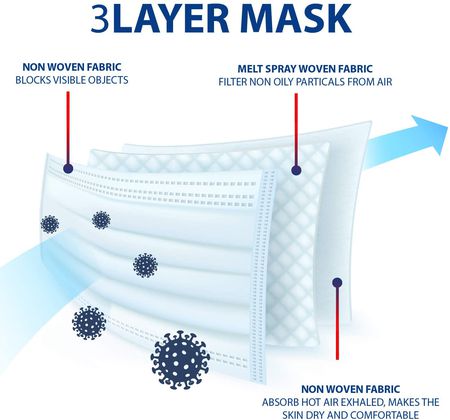
If you’re making masks for charity for a specific hospital, it’s important to contact them before starting. They most likely have their own filters. And while HEPA vacuum bags or air filters worked best in tests, they may be more difficult to breathe through.
May Hop Phat hopes to provide you with useful information. With unused non-woven fabric bags and some sewing thread, you can make masks at home, recycling bags while protecting yourself and reducing waste released into the environment. At May Hop Phat, we also produce various types of non-woven fabric bags with outstanding features, which can be used as shopping bags or gift bags. When not in frequent use, you can also recycle them into masks. Currently, the epidemic situation worldwide is increasing, medical staff at many facilities are struggling with mask shortages. So making masks from non-woven fabric bags at home is also an interesting invention during this tense time.
Are Masks Made from Non-woven Fabric Bags Effective?
Although fabric masks are not as effective as N95 masks, they are still useful. Currently, we are at a critical time of the pandemic and we need to do everything possible to support our healthcare workers on the frontlines.

Conclusion
Masks from non-woven fabric bags may sound strange but are quite useful, especially during peak times when the COVID-19 epidemic situation is increasing rapidly and masks are as precious as gold. With the mentality of prevention being better than cure, self-made masks from fabric serve as a quick lifesaving item during times of mask scarcity.