

 Tiếng Việt
Lining fabric for backpacks and bags is one of the indispensable types of fabric for each backpack and bag. Although it is only the inside of each backpack and bag, without this type of fabric, it cannot be completed.
If anything, it also loses the aesthetics and versatility that a backpack or bag needs to have. So what are the main roles and uses of lining fabric for backpacks and bags? Let’s learn more about this type of fabric in this short article with May Hop Phat.
What is Lining Fabric?
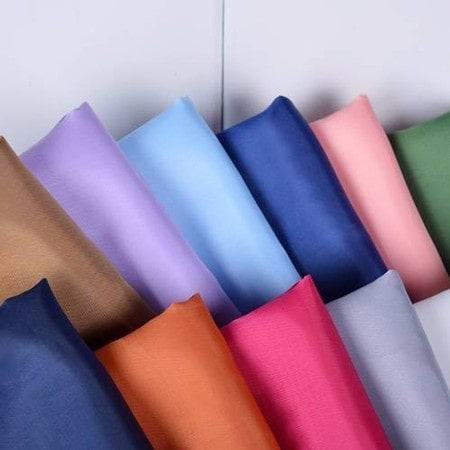
Lining fabric is a thin layer of fabric, made from many different fabric materials. From there, it brings aesthetics and high durability throughout the use process. Usually lining fabric for backpacks and bags is made from non-woven fabric. Because it has many perfect features. Especially in non-woven bag products, medical masks, shoe lining fabrics… Along with many other products, so it is considered the most used lining fabric today.
Why is it Necessary to Use Lining Fabric for Backpacks and Bags?
As mentioned above, lining fabric for backpacks and bags is just a thin fabric, made from many different materials. It has the effect of lining the inside of the body and backpack compartments to enhance aesthetics and durability for the product.

The common lining fabrics on the market today are all manufactured from natural or synthetic fiber materials. It has a certain gloss or smooth matte finish. That is why it plays no small role in sewing backpacks and bags. In addition, this fabric material is also widely used in many different types of clothing and fashion footwear.
Benefits of Lining Fabric for Backpacks and Bags You Should Know
The main effect of lining fabric for backpacks and bags material is to increase durability and better storage capability. Along with that is the stability of the backpack shape during transportation and use. Thanks to that, most types of lining fabric for backpacks and bags today have light weight. But still can ensure safety for other basic purposes such as:
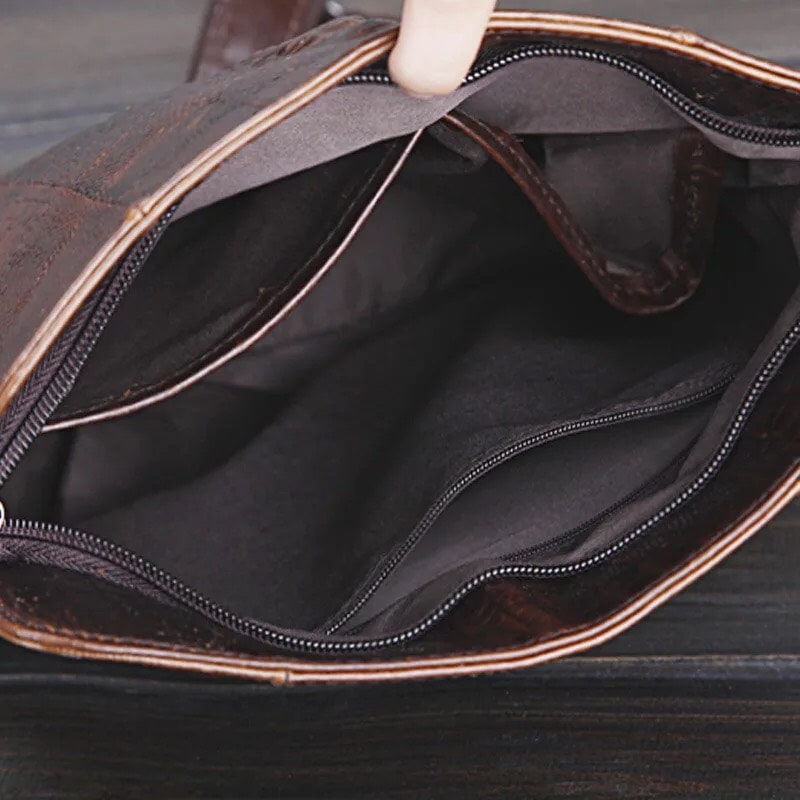
- Increase thickness for backpack and bag structure. Helps you prevent losing shape throughout the use process.
- At the same time, increase durability and water resistance to better protect items stored inside backpacks and bags.
- In addition, it also helps conceal seams and stitches. As well as the lining system located on the inside of each backpack and bag.
- Besides, the lining sheets also help you prevent friction between the backpack and items inside. At the same time, increase load-bearing capacity helping improve product lifespan.
- Extremely good support for the process of cleaning regular backpacks periodically.
But there is a small note for you, which is: Elasticity and fabric size. In fact, silk or polyester linings have poor elasticity, while cotton fabric has better elasticity. Therefore, depending on the intended use of the product, you should choose the material and color of lining fabric for backpacks and bags appropriately.
7 Most Common Types of Lining Fabric for Backpacks and Bags Today
Just like the main fabric, lining fabric for backpacks and bags is now also divided into many types. For example: silk, Viscose, Acetate, Polyester and rayon… are the most widely used lining fabric materials today. Each type of lining fabric has different advantages and disadvantages. From there bringing users different feelings throughout the use process. Specifically:
Lining Fabric for Backpacks and Bags is Silk Made from Natural Fibers:

This fabric material has quite good advantages such as:
- Soft and smooth.
- Diverse shades from matte to glossy.
- Absolutely safe for skin.
But it also has many disadvantages such as: High gloss, low durability, higher price compared to other fabric materials. Complex cleaning process.
Lining Fabric for Backpacks and Bags is Cotton
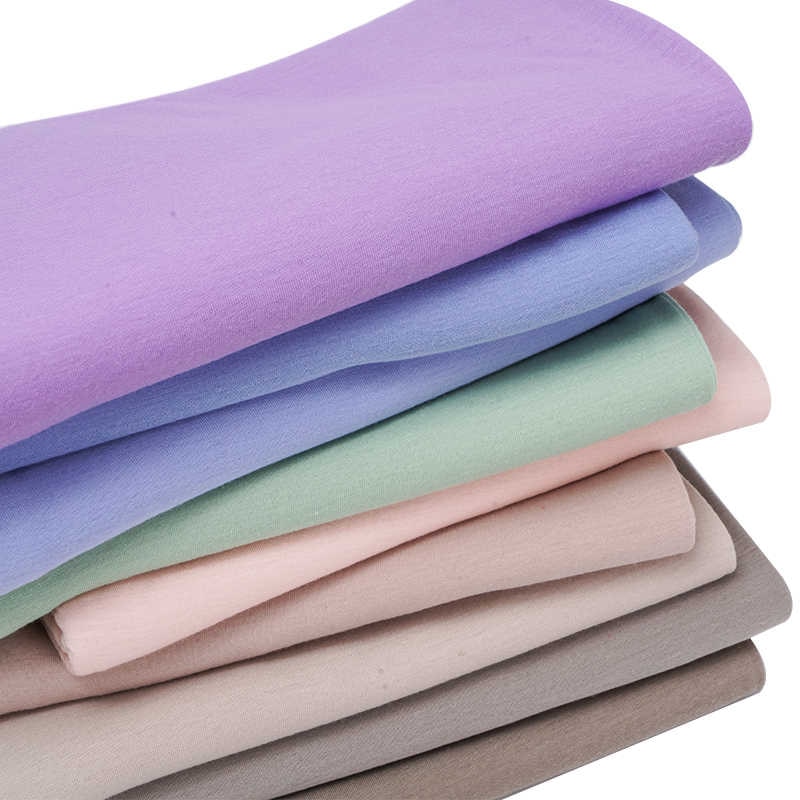
- This fabric material is quite soft.
- Breathable.
- Gentle and cleaning is quite easy and convenient.
Disadvantages
- High roughness.
- Easy to wrinkle.
- Especially they easily shrink when washed.
Lining Fabric for Backpacks and Bags is Wool

Advantages:
- Has insulating properties.
- Breathable.
- Soft.
Disadvantages
- May cause itching.
- And heat absorption capability.
Lining Fabric for Backpacks and Bags Made from Synthetic Fibers Viscose and Rayon
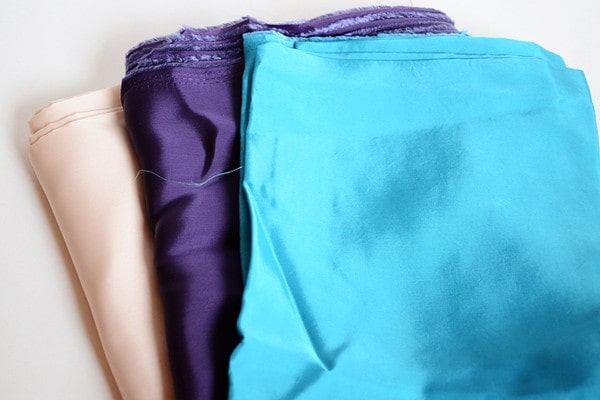
The advantages of this material are:
- Breathable.
- Soft.
- Cheap price.
Disadvantages
- Easy to wrinkle and may shrink while washing.
Cupro and Acetate Lining Fabric
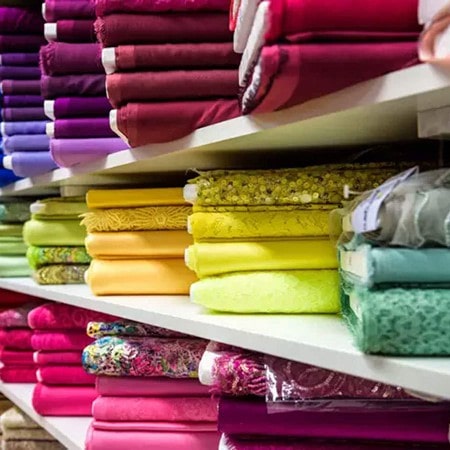
Advantages:
- High smoothness.
- Has gloss.
- Breathable.
- Easy to remove stains.
Disadvantages
- Low durability.
- Easy to get dirty.
- Easy to wrinkle.
- Easy to tear.
Lining Fabric for Backpacks and Bags Made from Synthetic Fabric Polyester
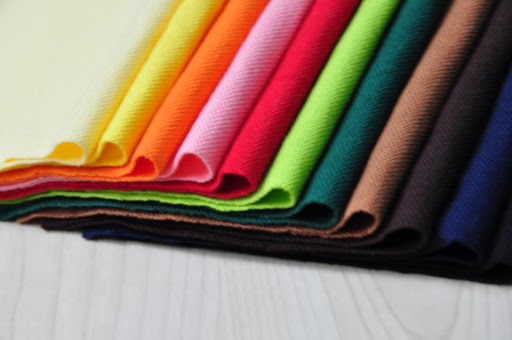
Advantages
- Has good elasticity.
- Easy to clean.
- Cheap price.
- Less wrinkled.
Disadvantages
- Poor absorption.
- Not breathable.
- Easy to absorb odors.
Which Type of Lining Fabric for Backpacks and Bags Should Be Used Best Today?
Understanding the properties of fabric materials is extremely important. It can help users easily choose products suitable for their backpacks and bags. Because each type of lining fabric for backpacks and bags has its own advantages and disadvantages during use.
Although there are many lining fabric materials used on the market today. However, silk fabric, Cupro fabric and Acetate fabric are fabrics that can ensure high durability. Less wrinkled, less dirty and easy to clean suitable for all common sewing needs.
But whether you choose plastic, cotton or Acetate fabric materials for backpacks and bags. Then you also need to ensure that you use materials with clear origins, reputable and reliable brands. This also somewhat ensures that the lining fabric is not defective or damaged, bringing high durability throughout the use process.
Instructions for Cleaning and Maintaining Lining Fabric for Backpacks and Bags
For lining fabric for backpacks and bags when using and cleaning. You need to pay attention and avoid letting the fabric layer come into direct contact with chemicals. Or dirt with high adhesion. Just like other fabric materials, lining fabric also needs to be cleaned periodically. To limit dirt adhesion and extend usage time.
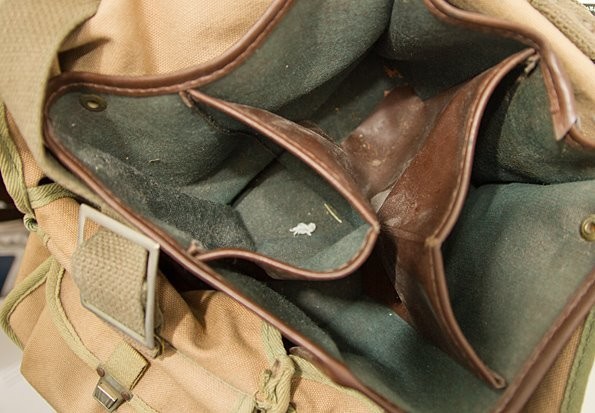
However, to clean lining fabric for backpacks and bags, you need to ensure that you have turned inside out the entire backpack body. Or bag. Then, use a brush with mild detergent powders. Then soak and remove stains stuck on the lining fabric part. Rinse this fabric part and the backpack body under water source, wring gently. Finally, hang to dry in a cool place.
More importantly, you need to know that lining fabric is the place most easily dirty in the backpack. Therefore, you need to avoid storing items that are easily discolored or stained such as: Pens, colored pencils, watercolors, lipstick… And cleaning backpack lining fabric properly periodically also helps cleaning backpacks and bags become easier.
Conclusion
So I have just shared with you the most basic information about lining fabric for backpacks and bags. The characteristics, advantages and disadvantages of each type along with cleaning steps, some notes during washing… I hope that our article has brought you useful knowledge, and confidently choose the type of lining fabric suitable for your usage needs. Wish you success.