

 Tiếng Việt
Today’s fabric industry is quite diverse, popular, and favored with many different garment materials. Khaki is the clothing material most commonly loved and used.
Let’s explore with May Hop Phat to learn and answer questions about what is khaki fabric and what types of khaki exist!
Concept: What is Khaki Fabric?
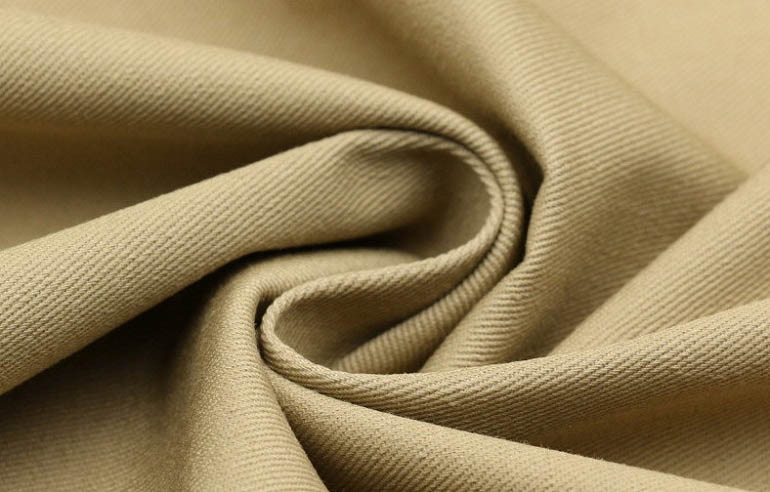
Khaki fabric (English name: Khaki) is fabric woven 100% from cotton or cotton fibers woven with synthetic fibers.
Origins of Khaki Fabric
Khaki fabric was initially created in India in mid-19th century by Harry Burnett Lumsden, who was responsible for making British military uniforms at that time.
At that time, British military uniforms were mainly made from wool, making them very hot and uncomfortable when worn, combined with India’s high temperatures, making wearers extremely uncomfortable. Therefore, growing demand for lighter, thinner, and more breathable fabric promoted khaki’s birth.

Khaki Fabric Production Process
Generally, khaki fabric production process is similar to silk production in Vietnam, including 4 main processes.
Step 1: Cotton Collection
After harvesting cotton, workers carefully select, classify, and preliminarily process before packing into cotton bales and transporting to the next stage.

Step 2: Thread Spinning
Cotton will be fluffed, sterilized, and shaped into even flat sheets after basic processing. Cotton threads will be stretched longer, thinner, and more durable. Threads will continue through the warp sizing process when becoming complete threads.
In summary, this process coats fabric threads in starch, modified starch, and some other substances to increase durability and shine.

Step 3: Fabric Weaving
The weaving process mainly uses two methods: warp and weft threads. Next, fabric is cooked in chemical solution at high pressure and temperature to remove remaining dirt.
Next, fabric will be polished so cotton fibers expand. Finally, it will be bleached for most accurate dyeing process.

Step 4: Fabric Dyeing
Khaki is cleaned after each dyeing to remove remaining dirt. Then they’ll be combined with chemicals like softeners, wrinkle-resistant agents, etc.
Finished khaki will be used directly or go through design process to create many different products.
Distinguishing Khaki Fabric Types
To meet consumers’ diverse needs, manufacturers have developed many khaki types like stretch khaki, synthetic khaki, silk khaki, etc.
Stretch Khaki Fabric
Because the main material is cotton, stretch khaki is relatively thick but still brings cool, comfortable feelings to wearers.
Furthermore, stretch khaki is blended with spandex for better stretch, making it perfect product for women’s work clothes or office uniforms.
Polyester Khaki Fabric
Polyester khaki is fabric made from synthetic fibers. This fabric’s main component is ethylene. Because this khaki type stretches and absorbs sweat poorly, it dries slowly after washing.
Polyester khaki is commonly used in manufacturing jackets, backpacks, wallets, caps, restaurant uniforms, aprons, and other products requiring strong water resistance.
Cotton Khaki Fabric
The phrase “cotton” already reveals some composition and quality of khaki fabric. Their outstanding characteristic is cool, comfortable, firm to hold, and helps wearers look flattering.

Therefore, cotton khaki is frequently hunted by ladies for making fitted dresses, bank uniforms, and other items.
What is Silk Khaki Fabric?
Typically, khaki material is quite stiff, so silk khaki was created to overcome this disadvantage.
Silk khaki fabric material, like real silk, is especially smooth and cool. Furthermore, this fabric still maintains original khaki benefits: it’s durable and doesn’t fade.

Making suits, dresses, men’s clothing commonly uses silk khaki.
Advantages and Disadvantages of Khaki Fabric
Besides outstanding advantages, khaki also has some disadvantages and limitations compared to other fabrics.
Advantages of Khaki Fabric
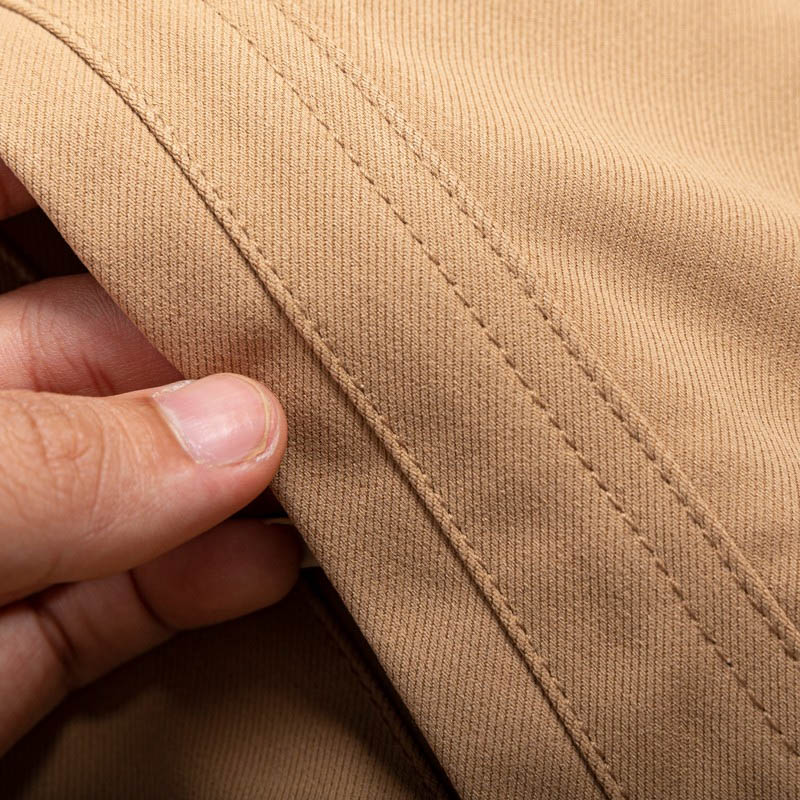
- Durable, minimal wrinkling, no pilling: Khaki is ranked among the most durable woven fabrics on today’s market. You won’t worry about fabric wrinkling or pilling because fabric structure is especially solid.
- Comfortable, pleasant: This is because khaki has good breathability and absorption. Furthermore, most khaki materials aren’t too tight, creating comfortable feelings for wearers.
- Environmentally friendly: Being made from natural material, khaki can biodegrade when not in use.
- Easy to dye, accurate color: As mentioned previously, fabric manufacturers frequently add chemicals to fabric during production to make dyeing simpler. Therefore, khaki colors and styles are very diverse, suitable for many consumer groups. Furthermore, khaki is extremely colorfast; using for long periods shows no fading.
Disadvantages of Khaki Fabric
- Not suitable for complex patterns: Because most khaki materials are stiff and lack flexibility, unsuitable for designs requiring complexity and elegance. Therefore, despite having many colors, this fabric is mainly used for everyday, plain clothes.
- High khaki fabric price because it’s made from cotton. However, you don’t need to worry too much because manufacturers frequently use various fabric materials to minimize product costs.
Khaki Fabric Pricing
You’re probably wondering if different khaki types have the same price? If different, what are khaki fabric prices?
The answer to the first question is no. Each different khaki type will have different prices depending on composition and materials creating that fabric.
If you need to make khaki clothes, you can reference khaki fabric prices below.
- Stretch khaki: 50,000 to 100,000 VND per meter
- Polyester khaki: 50,000 to 120,000 VND per meter
- Cotton khaki: 50,000 to 150,000 VND per meter
- Silk khaki: 100,000 to 200,000 VND per meter
However, above prices are for reference only and typically fluctuate from 100,000-200,000 VND per meter depending on fabric type and where you buy. For example, if you buy Nam Dinh khaki, it will differ from Thanh Cong khaki because fabric prices are affected by material or weave type.
Does Khaki Fabric Pill?
Garments and products made from khaki have the advantage of not pilling, making them chosen by many customers.
Applications of Khaki in Daily Life
Khaki is applied in many products and daily life items. But fashion is the field applying khaki most. Typically, jacket patterns, pants, and dress patterns made from khaki.
Khaki Jackets
Whether summer or winter, you can easily wear khaki jacket designs with various colors and styles without feeling uncomfortable. This is familiar fabric in fashion shows or with fashion enthusiasts because of high applicability.
Furthermore, with solid material, accurate shape, breathable and especially wrinkle-resistant, this is one of the excellent fabric materials, so you can choose men’s or women’s khaki jackets.
Khaki Pants
Today, many people wear dress pants or khaki pants primarily; it not only brings comfort and modernity to wearers but also helps you enhance your physique.
However, you need to carefully research khaki pants washing methods to avoid wrinkling and losing aesthetics.
Khaki Skirts and Dresses
Because khaki is usually stiff, it’s more suitable for making skirts than body-hugging dresses. However, in oppressive summer heat, simple skirts are must-have items for any girl.
Khaki skirts bring coolness and comfort and can be used long-term without fearing pilling, which many other woven fabrics suffer from.
How to Wash and Store Khaki Fabric
Properly washing and storing khaki will help pants be used long while staying like new, not losing shape or fading.
How to Store Khaki Clothes
- Avoid washing khaki too frequently. Excessive water washing can seriously reduce clothing lifespan. If you discover stains on jeans, wash immediately to avoid fading over time.
- Don’t dry khaki clothes under direct sunlight. Because sun rays will make dress khaki fade.
- To store khaki best, use tissue paper or specialized storage bags with ventilation holes.
- Insert small soft tissue layer between each garment; light pants layer on top, heavy shirts below.
- Place some moisture-absorbing powder around clothes storage area, mothballs to prevent insects from gnawing clothes.
- To avoid wrinkling and losing shape, don’t put too many khaki clothes in one suitcase or container.
How to Wash Khaki Clothes
Khaki is fabric that fades easily and also tears easily if washed too vigorously. Therefore, you must pay attention to khaki washing methods to keep your khaki clothes always beautiful like new.
- Should hand wash to avoid pilling.
- When washing, turn inside out so if there’s fading or wear, it’s only inside, not showing outside.
- Choose mild, non-irritating detergent and fabric softener.
- When drying, reverse the inside of clothes while shaking clothes to minimize wrinkles. When dry, use hands to crumple fabric to remove wrinkles.
Above is information to help you understand more about khaki fabric. We hope through this sharing you understand this fabric better!