

 Tiếng Việt
Raw jute fiber is becoming a leading sustainable material trend in the fashion industry and bag manufacturing. With environmentally friendly characteristics and superior durability, raw jute provides an optimal solution for businesses seeking green raw material sources. This article by May Hop Phat will delve into the origin, production process, and potential applications of this special fiber.
1. Basic Concept of Raw Jute Fiber
Raw jute fiber is a type of natural fiber extracted from the bark of jute plants (Corchorus), without undergoing complex refining processes. Unlike processed jute fiber, raw jute maintains its characteristic natural yellow-brown color and rough texture.
| Feature | Description |
|---|---|
| Color | Natural yellow-brown |
| Texture | Rough, sturdy |
| Fiber length | 1.5-3.5mm |
| Tensile strength | 393-773 MPa |
May Hop Phat has recorded a 200% increase in raw jute fiber usage over the past 5 years in the Vietnamese market. This demonstrates the tremendous potential of this material.
2. Origin and Main Production Areas
Jute plants are mainly grown in:
- Bangladesh (40% of world production)
- India (35% of world production)
- China (15% of world production)
- Vietnam and Southeast Asian countries (remaining 10%)

In Vietnam, jute plants are primarily cultivated in northern provinces such as Ha Giang, Cao Bang, and Lang Son. The region’s humid tropical climate is very suitable for jute plant development.
3. Distinguishing Raw Jute Fiber from Other Fiber Types
Raw jute fiber has clear differences:
- Compared to cotton: Stiffer, more durable but less soft
- Compared to linen fiber: Rougher, cheaper but lower quality
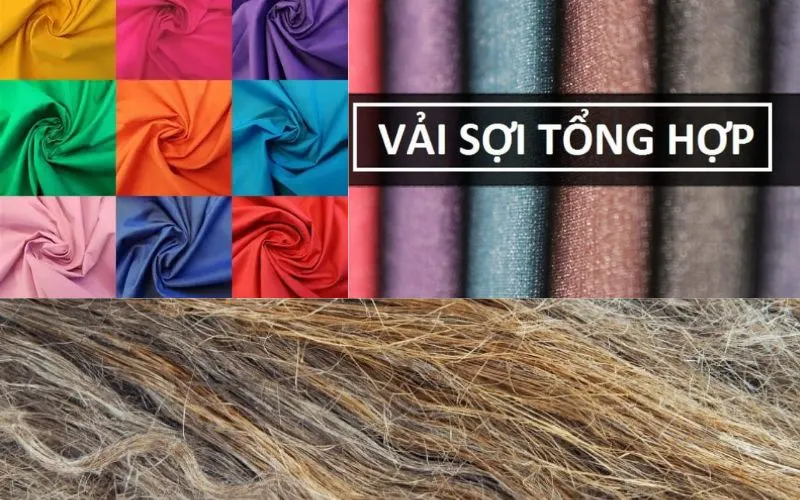
- Compared to synthetic fiber: 100% natural, biodegradable
II. Production Process of Raw Jute Fiber from Plant to Finished Product
1. Harvesting and Raw Material Processing
The process begins when jute plants are harvested after 4-6 months of cultivation. Harvest timing is very important – too early yields weak fiber, too late makes fiber stiff.
Harvesting steps:
- Cut plants at the base when reaching 3-4m height
- Sun-dry for 2-3 days until plants wilt
- Remove leaves and small branches
- Soak in water for 15-20 days to soften plant bark
2. Fiber Extraction and Processing Stages
After soaking, jute plant bark is separated from the wood part by:
- Gentle pounding to soften stems
- Extracting raw fiber by hand or specialized machines
- Combing fiber to remove impurities
- Sorting by length and quality

May Hop Phat indicates fiber extraction efficiency from jute plants ranges from 5-8% depending on plant variety and growing conditions.
3. Quality Control in Production
Raw jute fiber quality standards include:
| Criteria | Standard |
|---|---|
| Moisture | ≤ 12% |
| Impurities | ≤ 3% |
| Average length | ≥ 2.5mm |
| Color | Uniform, not black |
III. Outstanding Technical Characteristics of Raw Jute Fiber
1. Physical Properties: Durability, Toughness, Structure
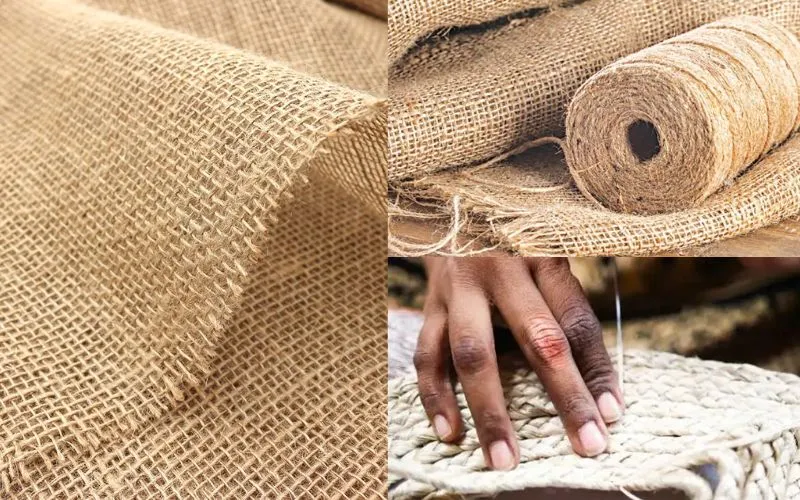
Raw jute fiber possesses much higher tensile strength compared to cotton. With a density of 1.3-1.45 g/cm³, it is lighter than glass fiber but much sturdier than many other natural fibers.
Mechanical properties:
- Tensile strength: 393-773 MPa
- Elastic modulus: 13-26.5 GPa
- Elongation at break: 1.16-1.5%
2. Chemical Properties: Heat Resistance, Moisture Absorption
Raw jute fiber has good moisture absorption capacity thanks to its natural porous structure. It can absorb 12-14% of its water weight without affecting durability.
Chemical composition:
- Cellulose: 61-71%
- Hemicellulose: 14-20%
- Lignin: 12-13%
- Other impurities: 2-3%
3. Environmental and Health Benefits
Raw jute fiber is a sustainable choice because:
- Completely biodegradable within 6-12 months
- Non-allergenic for sensitive skin
- Absorbs CO2 during plant cultivation
- Energy-saving compared to synthetic fibers

May Hop Phat encourages using raw jute fiber to contribute to environmental protection and develop a green economy.
IV. Diverse Applications of Raw Jute Fiber in Daily Life
1. In the Textile and Fashion Industry
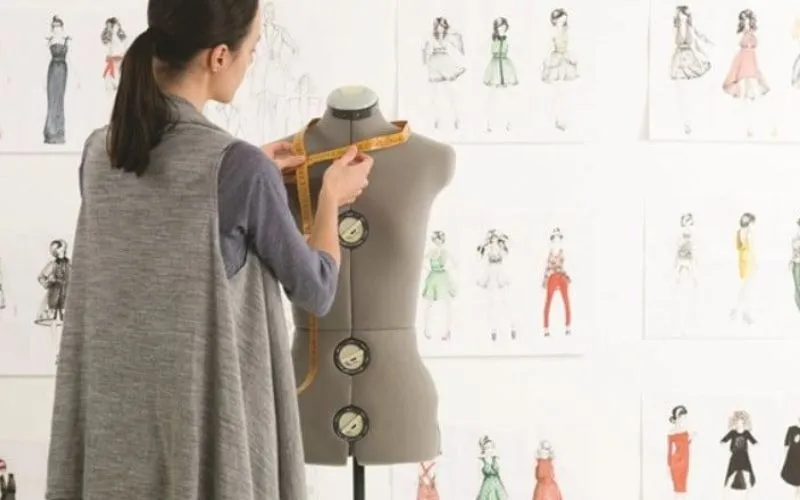
The fashion industry is focusing on raw jute fiber as a sustainable material. Although it has a rough texture, after appropriate processing, it can create:
- Vintage-style jackets
- Environmentally friendly bags
- Handmade fashion accessories
- Jute drawstring bags for coffee, rice storage
- Natural footwear
2. In Interior Decoration and Handmade Crafts
Raw jute fiber is increasingly popular in interior decoration thanks to its rustic, natural beauty:
- Rustic-style floor rugs
- Curtains creating cozy spaces
- Decorative pillows with rough woven patterns
- Decorative lamps with jute lampshades
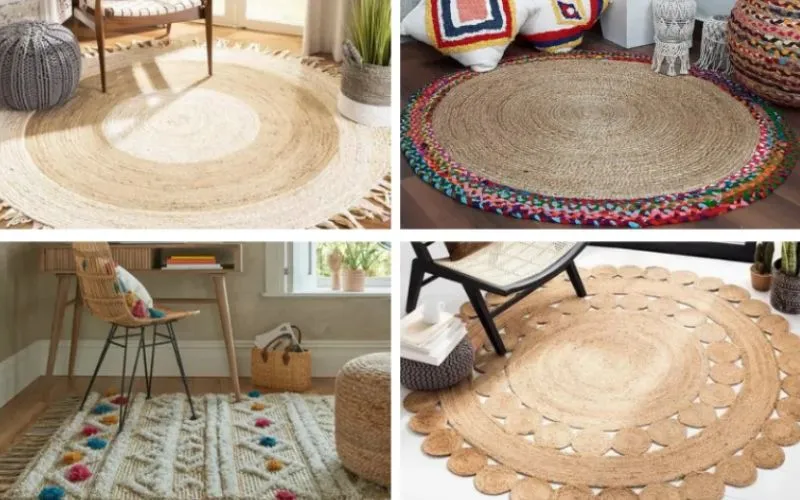
The handmade trend also favors raw jute fiber to create unique products.
3. In Industry and Agriculture
Industrial applications of raw jute fiber are very diverse:
| Field | Products |
|---|---|
| Packaging | Sacks, storage bags |
| Construction | Insulation materials |
| Agriculture | Binding rope, shade nets |
| Transportation | Ropes, tow ropes |
V. Comparing Raw Jute Fiber with Other Materials
1. Raw Jute Fiber vs Raw Cotton
The differences between these two fibers:
| Criteria | Raw Jute Fiber | Raw Cotton |
|---|---|---|
| Durability | Higher | Medium |
| Softness | Rough | Softer |
| Price | Cheaper | More expensive |
| Dyeability | Difficult | Easy |
2. Raw Jute Fiber vs Synthetic Fiber
Compared to synthetic fiber, raw jute fiber has:
Advantages:
- 100% natural
- Biodegradable
- Health-safe
- Reasonable price
Disadvantages:
- Lower durability
- Difficult to process
- Limited color options
3. Advantages and Disadvantages of Each Type
May Hop Phat evaluates raw jute fiber as most suitable for applications requiring high durability and environmental friendliness.
VI. Guide to Purchasing Quality Raw Jute Fiber
1. Criteria for Evaluating Raw Jute Fiber Quality
Factors to note when purchasing:
- Color: Uniform yellow-brown, no black spots
- Moisture: Not exceeding 12%
- Impurities: Few leaves, branches, soil
- Fiber length: Uniform, not too short
- Odor: No musty, rancid smell
2. How to Identify Real vs Fake Raw Jute Fiber
Simple testing methods:
- Fire test: Real fiber burns slowly with paper-like smell
- Water test: Soak in water, real fiber doesn’t fade
- Elasticity test: Pull gently, real fiber has certain toughness
3. Reference Prices on the Market
Raw jute fiber price table in Vietnam:
| Type | Price (VND/kg) |
|---|---|
| Grade 1 raw jute fiber | 25,000 – 30,000 |
| Grade 2 raw jute fiber | 20,000 – 25,000 |
| Grade 3 raw jute fiber | 15,000 – 20,000 |
May Hop Phat advises purchasing from reputable suppliers to ensure quality.
VII. Development Trends of the Raw Jute Fiber Market
1. Global Market Growth
The raw jute fiber market is growing strongly at a rate of 8-10% annually. Increasing demand comes from:
- Green living trends
- Increasingly strict environmental regulations
- Rising synthetic material costs
- Awareness of plastic harm

2. Opportunities and Challenges in Vietnam
Vietnam has great potential to develop the raw jute fiber industry:
Opportunities:
- Suitable climate conditions
- Cheap labor
- Long-standing jute cultivation experience
- Government support
Challenges:
- Outdated processing technology
- Small-scale scattered production
- Lack of value chain linkage
- Competition from Bangladesh, India
3. Forecast for the Next 5 Years
May Hop Phat predicts in the next 5 years:
- Vietnam’s raw jute fiber production will increase 150%
- Exports reach $50 million USD
- New applications in automotive and construction industries
- Processing technology significantly upgraded

Hopefully, this information about raw jute fiber has provided you with in-depth knowledge about this potential material. Clearly, raw jute is an ideal choice for creating high-quality products that are friendly to the ecosystem. Call or email May Hop Phat today to receive the best quotes and jute bag samples made from quality raw jute fiber!