

 Tiếng Việt
Are you a business looking for a reputable jute bag production partner? Understanding the professional jute bag manufacturing process is the key to ensuring quality and order timelines. We not only provide custom manufacturing services but also make every production step transparent. Discover the standardized steps that ensure May Hop Phat’s jute bags always achieve the highest durability and aesthetics, ready for all your marketing campaigns.
I. Overview of Jute Bags
Jute bags are manufactured from natural jute fibers – a material with high durability and completely biodegradable. Unlike regular canvas bags, jute fabric has distinctive characteristics with a rough fiber structure but extremely sturdy.
1. Outstanding Characteristics of Jute Fabric
Jute fabric possesses superior features compared to many other fabrics:
- High mechanical durability: Can withstand weights from 5-15kg depending on type
- Natural breathability: Fiber structure creates optimal ventilation
- Moisture resistance: Good preservation of products inside
- Environmentally friendly: Completely decomposes after 2-3 years

2. Classification of Jute Fabric in Production
| Jute Fabric Type | Characteristics | Applications | Thickness |
|---|---|---|---|
| 100% natural jute | Light yellow color, rough texture | Agricultural product bags, coffee bags | 280-350gsm |
| Bleached jute | Cream white color, smoother | Fashion bags, gift bags | 250-320gsm |
| Cotton-blend jute | Soft, easy to print | Promotional bags, shopping bags | 200-280gsm |
| Laminated jute | Waterproof coating layer | Wet food storage bags | 300-400gsm |
Choosing the right jute fabric type will determine 60% of the final product quality. May Hop Phat always advises customers to choose suitable materials for each specific purpose.
II. Material and Equipment Preparation
1. Selecting Quality Jute Fabric Material
Raw material input is the key factor in the jute bag manufacturing process. A quality jute fabric needs to meet the following criteria:
Jute fabric inspection standards:
- Even fiber density: No abnormal sparse areas
- Standard moisture content: 8-12% to avoid shrinkage after sewing
- No impurities: Clean, no foreign fibers mixed in
- Even color: No yellowing or fading

2. Professional Sewing Tools and Equipment
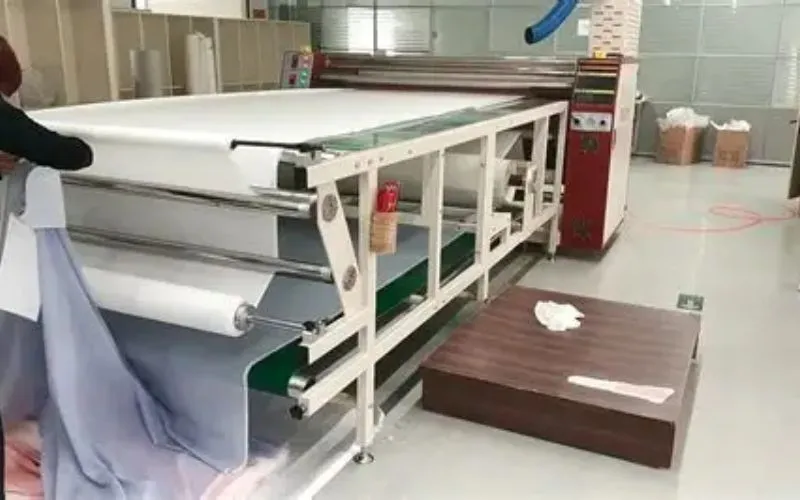
The machinery system in May Hop Phat’s jute bag manufacturing workshop includes:
Fabric cutting equipment:
- Automatic cutting machine with ±1mm precision
- Specialized cutting knives for thick fabric
- Industrial cutting table in large size
Sewing equipment:
- Industrial sewing machines Brother/Juki – speed 5000 stitches/min
- Overlock machine for professional fabric edge processing
- Pressing machine for bag shaping after sewing
High-quality accessories:
- Polyester sewing thread with high durability, colorfast
- Bag handles from same material or thick cotton fabric
- Snaps, zippers meeting export standards
III. Professional Jute Bag Manufacturing Process – 7 Standard Steps
1. Design and Sampling
The design phase is the first step in the professional jute bag manufacturing process. May Hop Phat uses specialized CAD software to create the most detailed technical drawings.

Design process includes:
Customer needs consultation:
- Determine usage purpose of jute bags
- Jute bag size and desired capacity
- Style and design style
- Budget and production quantity
Create technical drawings:
- 2D design with precise specifications
- 3D model for better customer visualization
- Development drawings for fabric cutting stage
- Detailed sewing instructions for each step
Trial sampling:
- First sample sewing to check feasibility
- Design adjustments if necessary
- Final confirmation with customer
2. Material Preparation and Inspection
Material preparation determines 70% of the final jute bag quality. May Hop Phat applies strict quality control process for each material type.
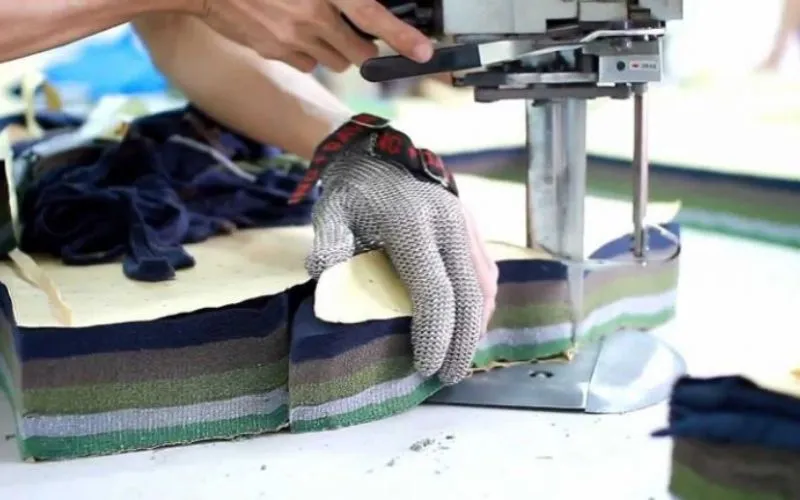
Input fabric quality inspection:
Material calculation:
- Estimate required fabric amount (add 8-10% reserve)
- Optimize cutting layout to save materials
- Prepare sufficient accessories in quantity and quality
Preliminary jute fabric processing:
- Check shrinkage by soaking small samples
- Iron flat entire fabric sheet before cutting
- Mark fiber direction for correct cutting direction
3. Cutting Fabric According to Design Pattern
The fabric cutting stage requires absolute precision and skilled expertise. May Hop Phat uses automatic cutting system combined with manual control to ensure optimal quality.
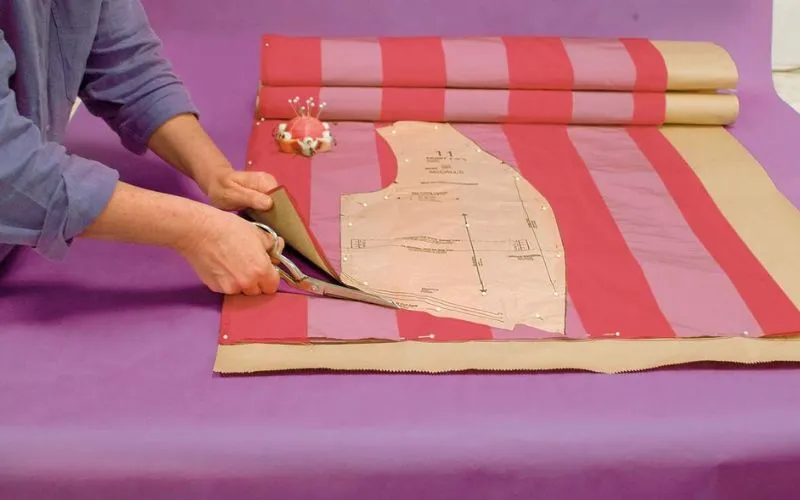
Professional fabric cutting process:
Cutting plan:
- Arrange layout of parts on fabric sheet
- Optimize to minimize material waste
- Mark cutting positions precisely for each part
Execute fabric cutting:
- Fix fabric on cutting table with specialized clamps
- Cut each layer with automatic cutting machine or manual cutting knife
- Check dimensions of each part immediately after cutting
Part preparation:
- Arrange each set of parts in sewing order
- Number sequence to avoid confusion
- Store parts in clean environment
4. Finished Product Assembly
The assembly stage is the heart of the jute bag manufacturing process. This is when separate fabric parts are combined into a complete product through professional sewing techniques.
Standard jute bag sewing sequence:
Sew bag body:
- Join two bag sides with precise edge seams
- Reinforce bottom corners with square corner sewing technique
- Overlock fabric edges to prevent fraying after use
- Check straightness of seam lines
Attach bag handles:
- Determine handle position according to design
- Reinforce attachment points with X-shaped seams
- Check sturdiness by pulling test
- Ensure symmetry between two handles
Complete details:
- Sew bag mouth edge neatly
- Process corners for aesthetics
- Check all seam lines one final time
5. Logo and Design Printing
Printing technology has become an important differentiating factor in jute bag production. May Hop Phat applies various printing methods to suit each specific requirement.
Common printing methods:
| Method | Advantages | Disadvantages | Suitable For |
|---|---|---|---|
| Screen printing | High color durability, low cost | Limited colors | Large orders >500 pieces |
| Heat transfer printing | High detail, many colors | Higher cost | Complex designs |
| Machine embroidery | Luxurious, durable | Time-consuming | Premium logos |
| PET printing | High quality, colorfast | Large equipment investment | Mass production |
Standard printing process:
Prepare design file:
- Convert format suitable for each printing technology
- Check resolution minimum 300 DPI
- Separate colors precisely for screen printing
- Test print sample before mass printing
Execute printing:
- Align printing position precisely on bag
- Control temperature and pressing time
- Ensure quality of each product
- Let dry completely before packaging
6. Strict Quality Inspection
May Hop Phat’s QC system is built according to ISO 9001:2015 standards, ensuring each jute bag achieves export quality.

Quality inspection steps:
Size inspection:
- Measure bag length, width, height
- Tolerance allowed not exceeding ±5mm
- Check symmetry of each part
Seam line inspection:
- Straightness and evenness of each thread line
- Sturdiness of beginning and end points of seams
- No excess threads or tangled threads
Durability test:
- Check tensile strength of bag handles
- Test load capacity of complete bag
- Evaluate durability after multiple uses
Aesthetic inspection:
- Print quality: No smudging, no fading
- Flatness of bag after completion
- Overall harmony of product
7. Professional Finishing and Packaging
The final stage in the jute bag manufacturing process is no less important. Finishing and packaging methods will directly affect customer impressions of the product.

Product finishing process:
Ironing and shaping:
- Iron flat entire bag surface
- Shape corners and edges for sharpness
- Fold neatly according to standard style if required
Final inspection:
- Review entire product
- Remove pieces that don’t meet standards
- Classify according to each characteristic
Professional packaging:
- Plastic bag protection for each product
- Sturdy carton boxes for transportation
- Labels with complete product information
IV. Quality Standards and Certifications
1. International Standards Applied
May Hop Phat applies international quality standards systems in the jute bag manufacturing process:
ISO 9001:2015 certification:
- Comprehensive quality management system
- Standardized and strictly controlled processes
- Continuous improvement of product quality

Food safety standards:
- Contains no harmful substances to health
- Complies with FDA regulations on food contact
- Periodic testing at reputable Labs
2. Output Quality Control
Our control system includes multiple levels:
Input material inspection: 100% of shipments In-process production inspection: Each stage Complete product inspection: 100% of products Pre-shipment inspection: Final check
V. Applications and Market for Jute Bags
1. Main Application Industries
May Hop Phat’s jute bags are widely used in many fields:
Food industry:
- Rice bags, various grain types
- Coffee packaging for export
- Shopping bags replacing plastic bags
Fashion and retail:
- High-end fashion bags
- Product bags for shops
- Vintage fashion accessories

Corporate gifts:
- Event gift bags
- Conference bags with company logo
- Effective marketing products
2. Development Trends
The jute bag market is experiencing positive changes:
- Demand increasing 35% annually
- Exports to European-American markets increasingly growing
- Diversification of designs and applications
- Production technology increasingly modern

We hope this detailed information about the jute bag manufacturing process has given you a comprehensive view of the product. Quality is always the core factor that May Hop Phat pursues. If you are looking for a factory capable of large-scale production, sharp logo printing, and ensuring superior durability, please leave your information. May Hop Phat’s specialists will contact you within 30 minutes to answer all questions and start your project!