

 Tiếng Việt
Recent research shows plastic-coated jute fabric has a lifespan three to four times longer than regular fabric thanks to its sturdy jute fiber structure and protective PU coating layer. This material is being widely applied in bag production, agricultural packaging, and interior decoration. The article below from May Hop Phat will provide detailed analysis of this fabric type.
I. What Is Plastic-Coated Jute Fabric?
1. Definition And Structure
Plastic-coated jute fabric is the perfect combination of natural jute fabric and a waterproof polymer coating layer. This unique structure includes two main components: a base layer of densely woven natural jute fibers and a PU or PVC plastic coating evenly applied to the surface.
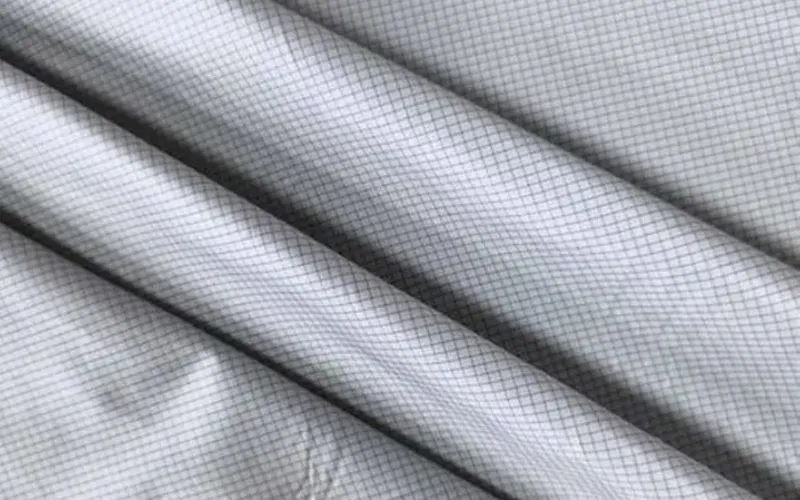
The process of creating plastic-coated jute fabric requires advanced techniques. First, jute fibers are stretched and woven into fabric with a special structure. Next, the polymer layer is heated and evenly coated onto the fabric surface using specialized machinery. This process creates a strong bond between the two material layers.
Compared to regular jute fabric, the plastic-coated version provides superior waterproof capabilities while maintaining the good characteristics of the original material such as high durability and environmental friendliness.
2. Types of Plastic-Coated Jute Fabric
| Type | Characteristics | Main Applications | Advantages |
|---|---|---|---|
| PU-coated jute fabric | Soft, flexible | Bags, fashion accessories | Good fire resistance, high pressure durability |
| PVC-coated jute fabric | Stiffer, cheaper | Tarps, industrial applications | Low cost, easy processing |
| EVA-coated jute fabric | High elasticity | Cushions, medical products | Safe, non-toxic |
PU-coated jute fabric is most highly rated due to its superior waterproof capability and natural softness. Meanwhile, PVC-coated jute fabric is suitable for applications requiring low cost while still ensuring effective water resistance.
II. Outstanding Properties of Plastic-Coated Jute Fabric
1. Superior Waterproof Features
Plastic-coated jute fabric possesses 100% waterproof capability thanks to the polymer layer evenly coated on the surface. The operating mechanism is based on the non-permeable principle – water molecules cannot penetrate the dense coating layer.
Practical testing shows PU-coated jute fabric can withstand water pressure up to 3000mmH2O without leaking. This number is significantly higher than regular canvas fabric which only reaches 500mmH2O.
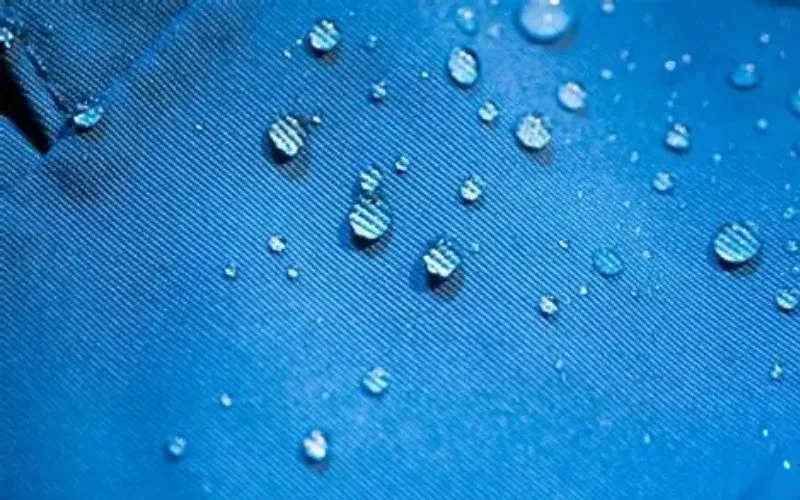
Compared to other materials, plastic-coated jute fabric exceeds cotton fabric by 80% in waterproof capability. Optimal usage conditions are temperature from -10°C to 60°C and humidity below 85%.
2. Durability And Load-Bearing Capacity
Natural jute fiber structure with lengths up to 3-4 meters creates tight bonds. When reinforced with plastic coating layer, tensile strength can reach 450N/5cm, 40% higher than regular canvas fabric.

The load-bearing capacity of plastic-coated jute fabric can reach up to 50kg/m², suitable for producing agricultural storage bags or industrial sacks. Average product lifespan is 5-10 years depending on usage conditions.
3. Environmental Friendliness
Plastic-coated jute fabric has 60-80% biodegradability thanks to natural jute fiber components. Decomposition time in natural environments is approximately 2-3 years, significantly faster than synthetic plastics requiring 100-500 years.
Jute fabric production process consumes 70% less energy than synthetic fibers. Jute plants also have effective CO2 absorption capability, contributing to greenhouse gas reduction.
III. Diverse Life Applications
1. Bag and Accessory Production
Plastic-coated jute advertising bags are becoming a trend in the sustainable fashion industry. Waterproof capability helps protect contents from rain and moisture. Shopping bags from this material can be reused hundreds of times.
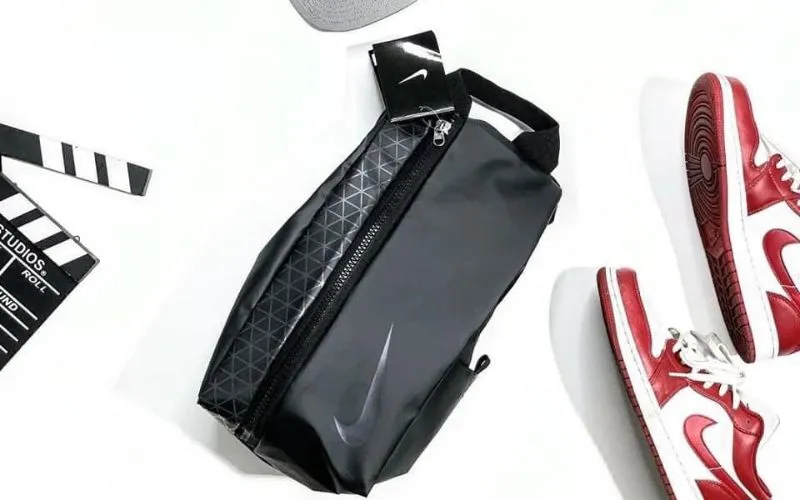
Sports bags from PU-coated jute fabric are particularly suitable due to moisture resistance and easy cleaning. Many fashion accessory brands have chosen this material to create unique and environmentally friendly products.
Outstanding usage advantages:
- 30% lighter than genuine leather bags
- Easy to fold when not in use
- Odor-resistant and easy to clean
- Diverse colors and styles
2. Agricultural Applications
Agricultural product packaging from plastic-coated jute fabric effectively preserves rice, coffee, and various grains. Moisture resistance prevents mold and keeps products fresh.

Covering tarps for greenhouses and vegetable gardens from this material can withstand strong winds and heavy rain. Waterproof membranes in shrimp and fish ponds also use similar technology.
Significant economic benefits:
- 70% reduction in moisture damage losses
- 2-3 times increased storage duration
- 20-30% lower cost than plastic packaging
3. Interior Decoration
Curtains from plastic-coated jute fabric are suitable for bathrooms and kitchens due to moisture resistance. Tablecloths for gardens and balconies can withstand sun and rain without damage.

Outdoor chair cushions using this material provide comfort and easy cleaning. High aesthetics with natural patterns of jute fibers create a warm rustic and vintage style.
IV. Detailed Advantages and Disadvantages
1. Outstanding Advantages
100% waterproof: The PU coating layer creates a completely waterproof protective membrane. The operating mechanism is based on tight molecular bonding preventing permeation. Waterproof effectiveness remains stable for many years of use.
High durability: Lifespan comparison shows plastic-coated jute fabric is 3-4 times more durable than regular cotton fabric. Tear resistance and abrasion resistance capabilities are especially good due to sturdy jute fiber structure.
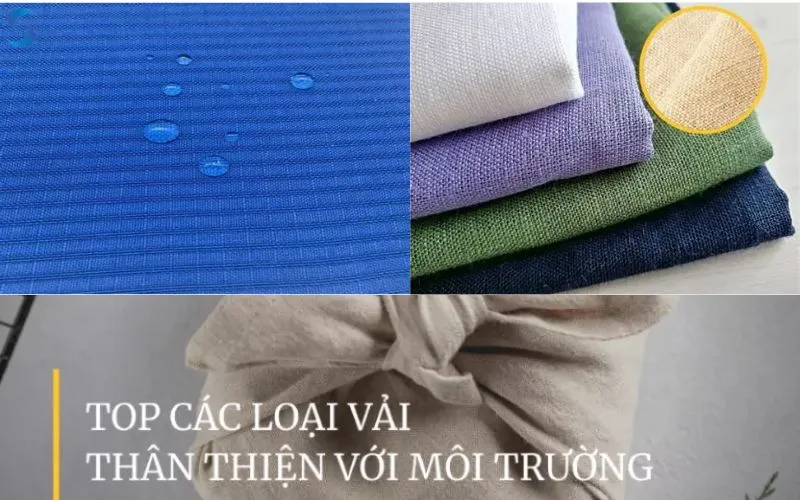
Environmentally friendly: 60-80% biodegradability helps reduce environmental impact. Carbon footprint is 50% lower than synthetic fabrics.
Reasonable price: Cost-benefit analysis shows plastic-coated jute fabric saves 30-40% in long-term costs compared to other materials. High ROI (return on investment) due to long lifespan.
Easy cleaning: Only requires water and mild soap for complete cleaning. No need for special chemicals or complex procedures.
2. Limitations to Note
Surface may be slightly stiffer than regular fabric due to coating layer. However, after usage period, material becomes naturally softer. Characteristic odor initially may appear but will disappear after 1-2 weeks.
Limited color options due to plastic coating process affecting dyeing ability. Solution is using heat transfer printing technique to create diverse patterns.
V. Buying Guide for Plastic-Coated Jute Fabric
1. Quality Assessment Criteria
Coating thickness: Use specialized measuring tools to check. Quality coating has thickness of 0.15-0.25mm. Too thin will have poor waterproofing, too thick will be stiff and poorly breathable.
Adhesion: Perform practical test by gently pulling the coating layer. Good quality will not peel and have appropriate elasticity.
Color and finish: Surface should be uniform, without wrinkles or air bubbles. Color should be stable, not fade when exposed to sunlight.
Safety certification: Must have quality certificate, food safety certificate (if used for food storage), and environmental certificate.
2. Reputable Supply Sources
Domestic manufacturers like May Hop Phat ensure stable quality and good after-sales service. Reputable distributors usually have showrooms for customers to directly inspect products.

Online vs offline purchase: Online purchase is convenient but needs thorough checking of seller information. Direct purchase allows quality testing on-site.
Tips for identifying genuine products:
- Labels with complete information
- Professional packaging
- Clear warranty
- Reasonable price, not too cheap
3. Price Reference
| Segment | Price (VND/m²) | Characteristics |
|---|---|---|
| Basic | 15,000 – 25,000 | PVC coating, thickness 0.1mm |
| Mid-range | 25,000 – 40,000 | PU coating, thickness 0.15mm |
| Premium | 40,000 – 60,000 | Special coating, UV resistant |
Price-affecting factors:
- Polymer type used
- Coating thickness
- Processing technique
- Brand and origin
VI. Usage and Maintenance Guide
1. Effective Usage Methods
First use: Wash clean with warm water to remove odor and dust. Air dry naturally, avoid direct sunlight for too long.
Sewing and cutting techniques: Use specialized needles for thick material. Stitch size should be 20% larger than regular fabric. Thread should be durable and waterproof type.
Processing notes:
- Pressing temperature not exceeding 180°C
- Short pressing time to avoid deformation
- Adhesive must be compatible with plastic coating
2. Proper Storage Methods
Storage conditions: Temperature from 15-25°C, humidity below 70%. Avoid direct sunlight and high heat sources.
Appropriate cleaning methods:
- Sweep surface dust clean
- Wipe with damp cloth and clean water
- Use mild soap if necessary
- Dry completely before storing
Stubborn stain treatment: Mild cleaning solution or 70% alcohol can remove oil stains. Do not use strong cleaning agents that can damage the coating layer.
3. End-of-Life Processing
Recycling methods: Separate the jute fabric and plastic layer. Jute fabric can be composted, plastic layer sent to recycling center.

Environmentally friendly disposal: Do not burn to avoid toxic gases. Reuse as lining material or temporary covering.
VII. Trends and Future
1. Current Market
Market demand for plastic-coated jute fabric increases 15-20% annually. Sustainable fashion industry and eco-packaging are main drivers. Export to Europe and America is opening great opportunities.
Growth rate projected at 25% in next 5 years. Investment opportunities in new coating technology and modern production equipment are very attractive.
2. Development Trends
New technology such as nano coating and bio-polymers are being researched. Increasingly strict environmental requirements promote innovation.
Export market aims for international certifications like OEKO-TEX and GOTS. Future forecast shows plastic-coated jute fabric will gradually replace synthetic materials in many applications.

Investing in plastic-coated jute fabric is investing in sustainable business development. High durability, reasonable cost, and diverse application capabilities will bring long-term economic benefits. Don’t miss the opportunity to own this quality material. Call hotline 0909.938.333 of Hop Phat for consultation and order jute fabric bags today!