

 Tiếng Việt
From simple agricultural packaging material, jute fabric bags have made a remarkable comeback, becoming a leading trend in fashion and corporate gifts. What created this timeless appeal? It all begins with the origin of jute fabric bags and their thousands of years of usage history. Let’s explore this with May Hop Phat through the following insights.
1. Definition and Characteristics of Jute Fabric
Jute fabric is produced from the fibers of the jute plant (Corchorus), a member of the jute family that thrives in tropical climates. This plant is not just a raw material; it’s a valuable resource with many superior properties.
Outstanding characteristics of jute fiber:
| Feature | Detailed Description |
|---|---|
| Durability | High tensile strength, not easily broken |
| Breathability | Natural porous structure |
| Moisture absorption | Good water absorption capacity |
| Antibacterial | Natural antibacterial properties |
| Biodegradability | Completely biodegradable |
Jute plants are mainly divided into two primary types: Corchorus olitorius (white jute) and Corchorus capsularis (tossa jute). Each type has distinct characteristics regarding fiber quality and applications.
2. The Cradle of Jute Fabric – Southwest Asia
India is considered the homeland of the jute plant, where people discovered and used this plant 5,000 years ago. The Ganges Delta region, with its hot and humid climate and abundant rainfall, created ideal conditions for jute development.

Bangladesh is currently the world’s largest jute production center, accounting for approximately 60% of global output. The people here have long called jute fiber the poetic name “golden fiber” – representing its enormous economic and cultural value.
Favorable climate conditions include:
- Temperature from 20-40°C
- Humidity 60-90%
- Rainfall 1000-2500mm/year
- Fertile alluvial soil
II. Historical Development of Jute Bags Through Different Periods
1. Ancient Period (5000 years ago – 15th century)
The first discovery of jute fiber can be traced back to ancient civilizations in the Ganges basin. Ancient Indians knew how to extract fibers from jute stems and weave them into basic fabrics.
Ancient civilizations using jute:
- Ancient Egypt: Used jute for pyramid ropes
- Greece: Wove jute fabric for common people’s clothing
- Rome: Applied in packaging and transportation

During this period, jute drawstring bags were mainly used to:
- Store agricultural seeds
- Preserve dry foods
- Transport goods over long distances
2. Development Period (16th – 18th century)
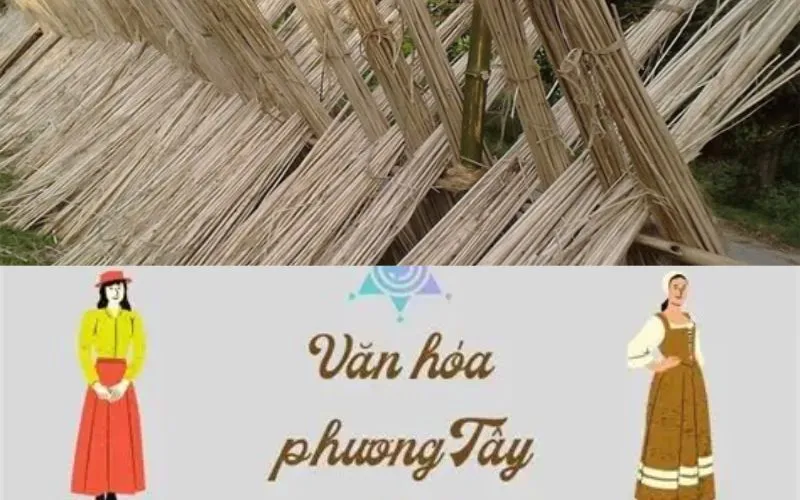
The late 17th century marked an important turning point when Western countries began recognizing jute’s potential. British and Dutch merchants brought jute weaving techniques to Europe, creating a revolution in the textile industry.
Important developments:
- 1855: Dundee, Scotland became Europe’s jute industry center
- 1838: The first jute weaving machine was invented
- 18th century: Jute bags became the standard in international trade
Jute bags during this time were called “Hessian bags” – named after the Hesse region of Germany, which produced many high-quality coarse fabrics.
3. Modern Period (19th century – present)
The Industrial Revolution completely changed how jute bags were produced. From crude handwoven bags, they evolved into sophisticated products with diverse styles and functions.

Strong development phases:
- 1940-1950: High demand during and after World War II
- 1980-1990: The emergence of plastic bags reduced jute bags’ role
- 2000-present: Strong recovery thanks to the global green movement
III. Processing from Jute Plant to Fabric Bags
1. Cultivation and Harvesting Stage
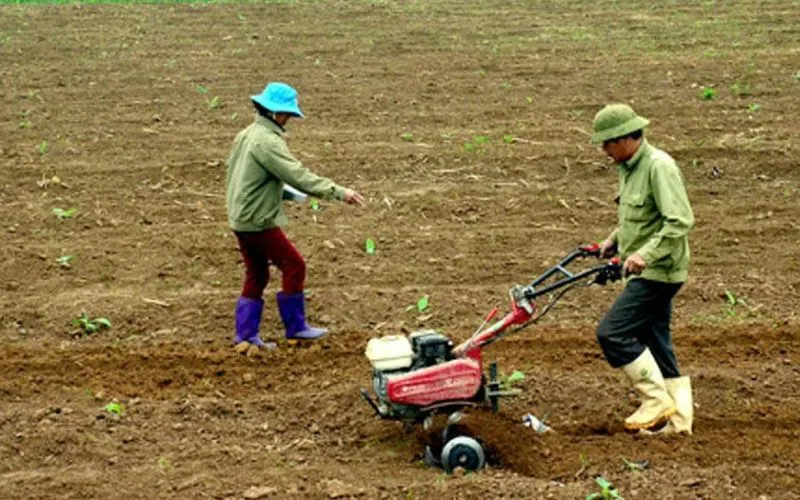
The jute plant’s growth cycle lasts approximately 120-150 days. Farmers typically sow seeds from late March to early April to utilize the rainy season.
Cultivation techniques:
- Land preparation: Thorough plowing and furrowing
- Sowing: Dense planting for straight growth with fewer branches
- Care: Watering, fertilizing, weeding
- Harvesting: When plants reach 3-4m height and begin flowering
Harvesting at the right time determines fiber quality. Plants are cut close to the ground, then dried for 10-15 days until completely dry.
2. Jute Fiber Processing
Extracting fiber from stems requires high skill and long experience:
Dry stem → Water soaking → Bark separation → Fiber extraction → Cleaning → Raw jute fiber
Details of each step:
- Water soaking: 7-10 days to soften stems
- Bark separation: Peeling outer bark from plant core
- Fiber extraction: Each plant yields 8-12 fibers measuring 1.2-1.6m
- Cleaning: Beating and scrubbing to remove impurities
3. Jute Bag Production
Fabric weaving from jute fibers is performed on traditional looms or modern weaving machines. This process can take several months for a large fabric piece.

Bag sewing stages:
- Design: Create patterns according to usage requirements
- Fabric cutting: Cut to precise dimensions
- Edge sewing: Reinforce fabric edges
- Handle attachment: Securely attach carrying handles
- Finishing: Final quality inspection
IV. Cultural and Social Significance of Jute Bags
1. Traditional Values
In Asian agricultural culture, jute bags are not just labor tools but also carry deep spiritual meaning. Farmers believe that handwoven bags bring good luck to harvests.

Symbolic meanings:
- Prosperity: Bags full of seeds
- Sustainability: Material durability
- Connection with nature: Completely natural materials
Folk legends tell of “golden fiber” – a symbol of wealth and prosperity that jute plants bring to communities.
2. Economic and Social Impact
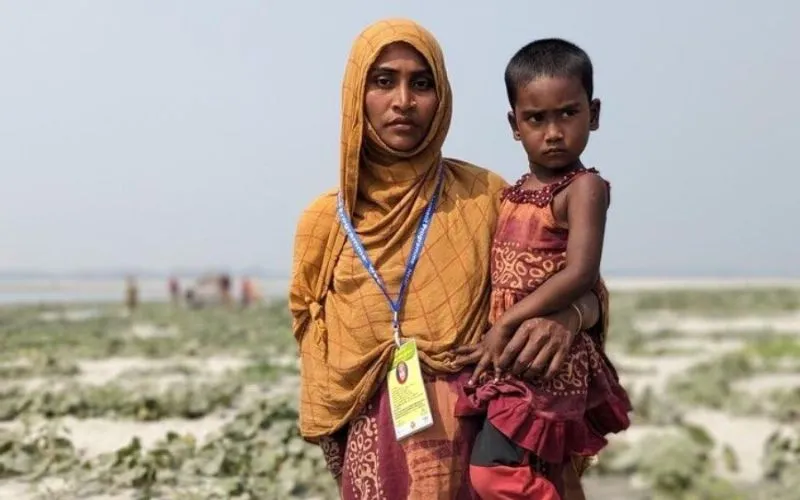
The jute industry has created livelihoods for millions of people, especially rural women. In Bangladesh, approximately 4 million people work directly in this industry.
Economic contributions:
- Annual exports: $800 million USD (Bangladesh)
- Direct employment: 4 million people
- Indirect employment: 12 million people
V. Jute Bags in the Modern Environmental Context
1. Sustainability and Environmental Friendliness
Environmental impact comparison between jute bags and plastic bags shows clear superiority:
| Criteria | Jute Bags | Plastic Bags |
|---|---|---|
| Decomposition time | 6 months – 2 years | 100-1000 years |
| Carbon footprint | Low | High |
| Reusability | 100+ times | 1-5 times |
| Toxicity | Non-toxic | Toxic |
Specific environmental benefits:
- CO2 absorption: One jute plant absorbs 15 tons of CO2, releases 11 tons of O2
- No pollution: Production process creates no toxic substances
- Quick regeneration: Growth cycle only 4-5 months
2. Green Consumption Trends
Consumer awareness about environmental protection has changed dramatically in the past decade. According to surveys, 78% of consumers are willing to pay more for environmentally friendly products.
Encouraging policies:
- Plastic bag bans in many countries
- Tax incentives for green products
- Awareness-raising campaigns
VI. Jute Bags in Vietnam
1. Introduction and Development
Jute bags appeared in Vietnam in the early 21st century, initially mainly imported from Bangladesh and India. However, with increasing demand, many Vietnamese enterprises began domestic production.
Important development milestones:
- 2005: First products appeared
- 2010: Small production facilities formed
- 2015: Industrial-scale development
- 2020: Strong boom thanks to environmental awareness
2. Current Vietnamese Jute Bag Market
The Vietnamese market is currently estimated at approximately 20-50 billion VND/year with a growth rate of 15-20%/year. May Hop Phat is one of the pioneering units in developing high-quality products.
Main market segments:
- Corporate advertising bags (40%)
- Personal shopping bags (35%)
- Gift bags (15%)
- Other applications (10%)
Development trends:
- Design customization on demand
- Integration with modern printing technology
- Development of multifunctional products