

 Tiếng Việt
Are you searching for a unique material to elevate your brand and impress customers? Jute linen fabric might be the key you’re looking for. With its distinctive texture and completely natural origins, it’s not just a fashion choice but a powerful statement about your business’s green values. Let’s explore the appeal of this special fabric type in depth.
I. What is Jute Linen Fabric? Origin and Characteristics
1. Definition of jute linen fabric
Jute linen fabric is a premium material woven from natural flax fibers. Unlike regular muslin fabric made from cotton, linen originates from the flax plant. What’s special here is the complex processing – from harvesting the flax plant to creating soft fabric threads.

When you hold a piece of linen muslin fabric, you’ll feel its characteristic smoothness. The fabric surface has a natural shine, creating a luxurious impression at first glance.
2. Origin from Swiss flax plants
The flax plant – the main raw material for producing linen fabric material – is primarily grown in temperate climate regions like Switzerland, France, and Belgium. These lands have ideal soil and climate conditions, helping flax plants grow vigorously.
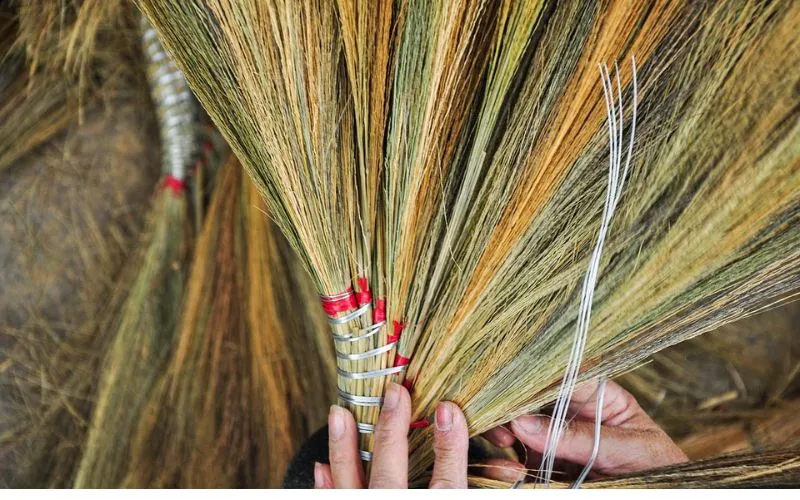
Interestingly, flax plants can only be harvested once a year. Farmers must patiently wait for the right moment – when the plant stems turn light yellow. Harvesting must be done by hand to ensure the best fiber quality.
3. Production and processing procedures
From flax plant to natural flax fabric involves many complex stages:
- Retting: Plant stems are soaked in water for about 4-6 weeks
- Fiber separation: Using specialized machinery to separate fibers from plant stems
- Fiber drawing: Raw fibers are drawn and twisted into fine threads
- Weaving: Threads are woven into fabric using traditional techniques
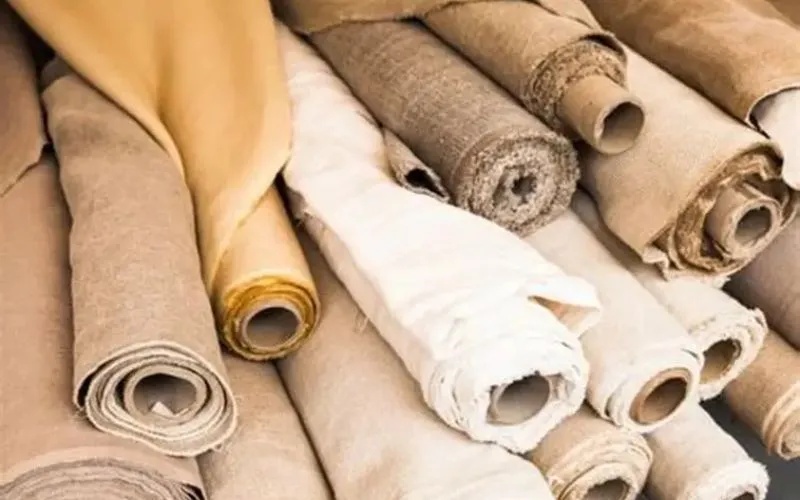
This process explains why powder linen fabric costs more than regular fabrics.
II. Popular Classifications of Jute Linen Fabric Today
1. Thick powder linen – premium material
Thick powder linen fabric is considered the most premium product line. Notable features include moderate thickness, smooth surface, and natural shine. This fabric type is typically used to make office wear or party attire.
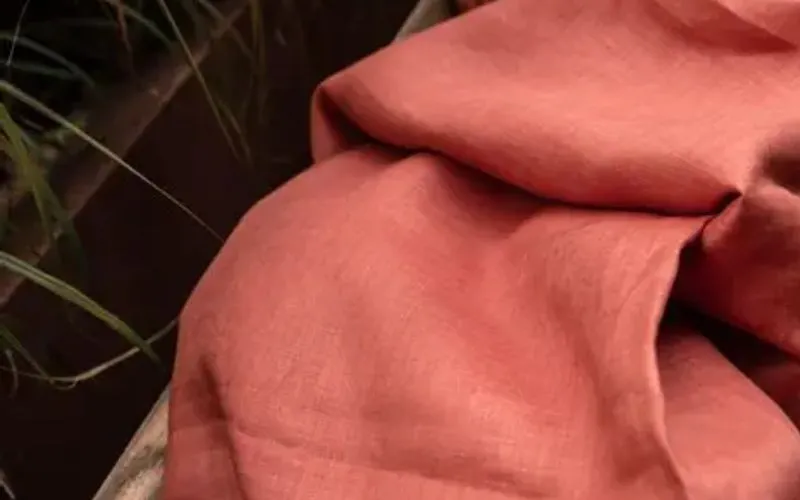
When touched, you’ll feel its characteristic softness. The fabric is neither too thin nor too thick, creating a perfect fit when worn.
2. Linen muslin – perfect combination
Linen muslin fabric is a combination of flax and cotton fibers. This fabric type inherits advantages from both materials: cotton’s softness and linen’s breathability.

The blending ratio is typically 70% linen and 30% cotton, creating a material with higher durability and less wrinkling than pure linen.
3. Canvas linen – diverse applications
Canvas linen fabric has a different weaving structure, creating a distinctive textured surface. This fabric type is commonly used in interiors, making curtains or decorative products.
| Linen Type | Thickness | Main Applications | Price Range |
|---|---|---|---|
| Thick powder linen | 150-200gsm | Premium fashion | High |
| Linen muslin | 120-180gsm | Everyday wear | Medium |
| Canvas linen | 100-150gsm | Interiors | Low |
III. Comparing Jute Linen Fabric with Other Fabric Types
1. Jute linen fabric vs cotton fabric
The most fundamental difference between jute linen fabric and cotton lies in origin. While cotton comes from cotton bolls, linen is created from flax plants.
Regarding breathability: Linen wins overwhelmingly with moisture absorption capacity 20% higher than cotton. This explains why linen fabric sets are popular in summer.
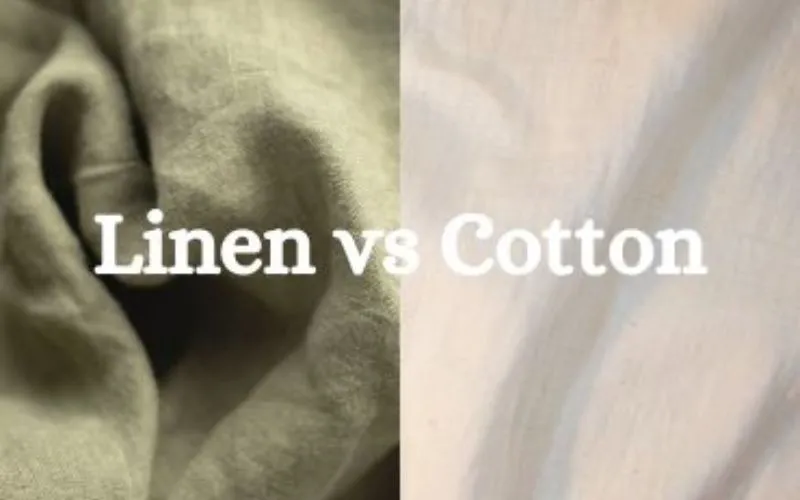
Regarding durability: Both have good durability, but linen tends to be more durable over time. However, cotton wrinkles less and is easier to care for.
2. Linen fabric vs traditional muslin fabric
Traditional muslin fabric is completely different from linen muslin fabric. Regular muslin is made from thin cotton, while linen muslin is a combination of flax and cotton.
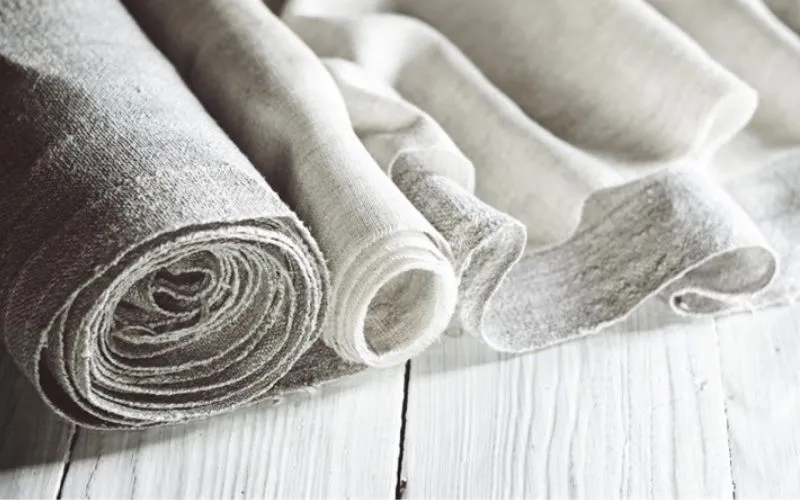
Regarding feel: Linen muslin is softer and has a natural shine. Traditional muslin typically has a rougher surface and is less luxurious.
3. Detailed comparison table of characteristics
| Criteria | Jute Linen Fabric | Cotton | Traditional Muslin |
|---|---|---|---|
| Breathability | Excellent (9/10) | Good (7/10) | Good (7/10) |
| Moisture absorption | High | Medium | Medium |
| Durability | Very high | High | Medium |
| Luxury level | High | Medium | Low |
| Easy care | Difficult | Easy | Easy |
| Price | High | Low | Low |
IV. Superior Advantages of Jute Linen Fabric
1. Moisture absorption and breathability capacity
This is the greatest strength of jute linen fabric. The special fiber structure allows air to circulate freely, creating a cool feeling even on the hottest days.
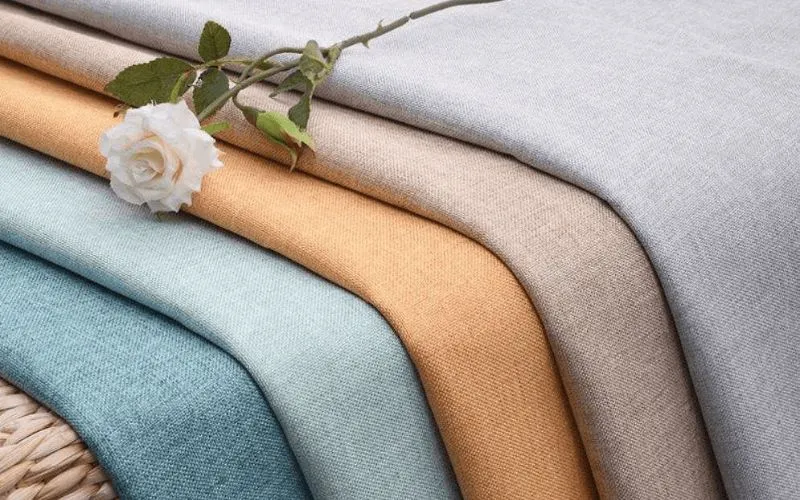
You can conduct a simple experiment: wear a linen shirt and a cotton shirt simultaneously on a summer day. The difference in comfort will be very clear!
2. High durability and environmental friendliness
Linen fabric material has durability from 5.5 to 6.5 gm/den, significantly higher than cotton. This means products made from linen can be used for many years while maintaining quality.
Environmentally, linen is a sustainable choice. Flax plants don’t need as much water and fertilizer as cotton. The entire plant can be used – from seeds to stems.
3. Aesthetic and luxurious qualities
Linen fabric has a natural shine creating special elegance. When light shines on it, the fabric surface reflects subtly, not dazzling but still prominent.
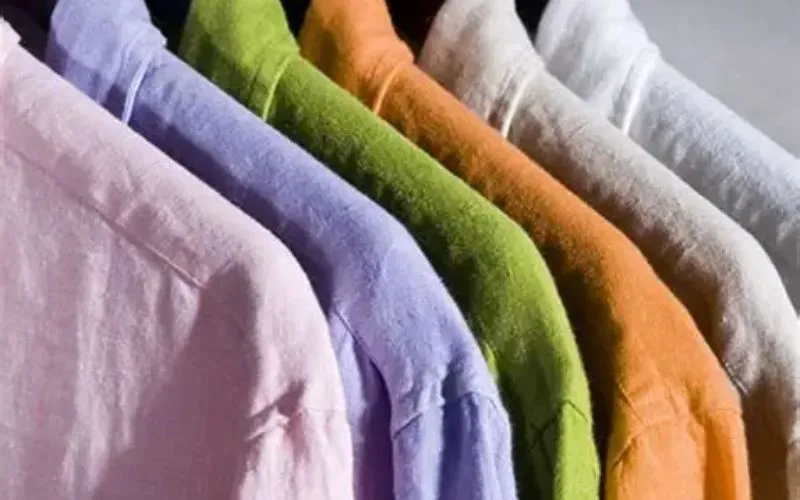
Linen colors also have distinctive characteristics – usually natural tones like ivory white, beige, light brown. These colors easily coordinate with many different outfits.
V. Disadvantages to Note When Using
1. Easy wrinkling and shrinkage
This is the biggest disadvantage of jute linen fabric. The fabric tends to wrinkle a lot, especially after sitting long or moving frequently.
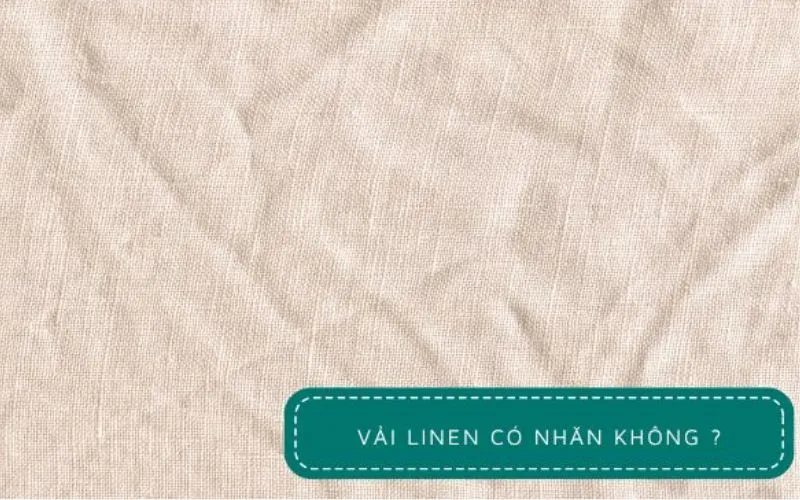
Linen fabric can also shrink 3-5% when washed for the first time. Therefore, when buying linen clothing, you should choose a slightly larger size.
2. Limited friction resistance
Due to natural fiber structure, flax fabric doesn’t have good friction resistance like synthetic fabrics. If rubbed strongly, the fabric surface can be scratched and lose shine.
3. Higher cost than regular fabric
Premium linen fabric costs from 150-300 thousand VND/meter, 3-5 times higher than regular cotton. This is due to complex production processes and scarce raw materials.
VI. Applications of Jute Linen Fabric in Daily Life
1. Summer fashion and office wear
Linen fabric clothing is the perfect choice for summer. From gentle linen dresses to elegant linen shirts – all provide maximum comfort.

In office environments, linen outfits create a professional impression while remaining comfortable. Especially suitable for offices without overly strong air conditioning.
2. Interiors and home decoration
Linen fabric is also widely applied in interiors. From curtains, cushions to tablecloths – all create an elegant and natural living space.

Linen’s neutral colors easily harmonize with many different decorating styles.
3. Premium bags and accessories
Jute linen fabric bags are becoming a sustainable fashion trend. Not only beautiful, these products also demonstrate environmental consciousness of users.

VII. Guide to Buying Quality Jute Linen Fabric
1. How to identify authentic linen fabric
To distinguish authentic linen fabric, you can perform some simple operations:
- Fire test: Burn a small fabric thread. Real linen will burn quickly and smell like burning paper
- Feel by hand: Linen has a characteristic slight roughness, not as smooth as cotton
- Observe shine: Real linen has natural shine, not artificial

2. Check thickness and fiber density
Quality linen fabric typically has even fiber density. You can shine light through the fabric to check – areas with different sparseness indicate inconsistent quality.
Ideal thickness for fashion linen fabric is 120-200gsm. Too thin will tear easily, too thick will be less breathable.
3. Reputable purchasing addresses and reasonable prices
When buying jute linen fabric, you should choose reputable stores with quality certifications. Reasonable prices for good linen range from 150-250 thousand VND/meter.
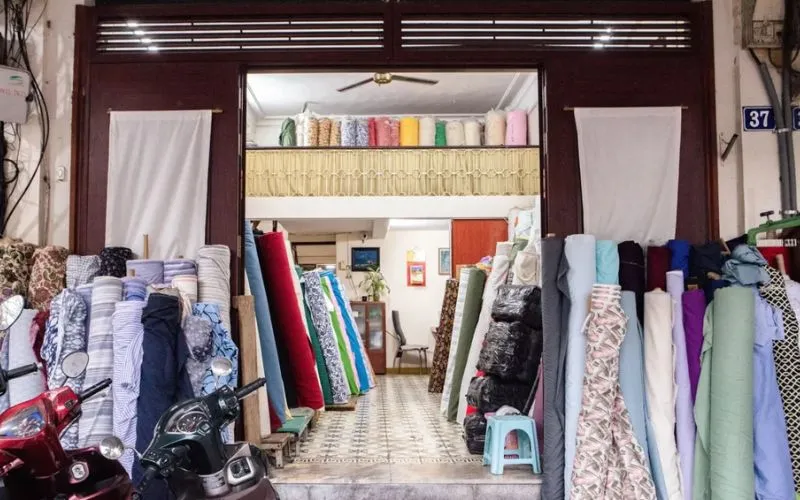
Avoid products priced too cheap compared to the market – these may be counterfeit or poor quality.
VIII. How to Care for and Preserve Jute Linen Fabric
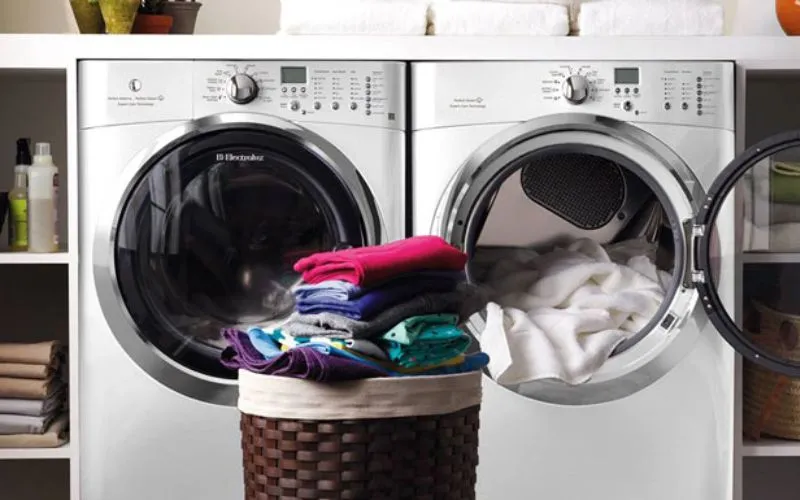
1. Washing and drying process
Linen fabric needs special care to maintain quality:
- Wash with cold water (below 30°C)
- Use gentle wash mode
- Don’t wring out water completely
- Natural air dry, avoid direct sunlight
2. Proper ironing and storage methods
When ironing linen outfits, use medium temperature and iron when fabric is slightly damp. This helps remove wrinkles more effectively.
Store by hanging in closet, avoid sharp folds to limit permanent creases.
3. Tips to maintain color and long-lasting durability
To help linen fabric maintain color and durability:
- Avoid contact with strong chemicals
- Wash separately for first time
- Use fabric softener specifically for natural fabrics
- Store in dry, ventilated place
So the article has proven the superior durability, unique aesthetics, and environmental friendliness of jute linen fabric. However, nothing is more convincing than experiencing it yourself. We believe that when you touch the fabric surface, you’ll understand why this is the top choice for custom jute bags. Don’t hesitate, request a free fabric sample today to directly experience the quality.