

 Tiếng Việt
From convenient shopping bags to luxurious interior decorations, with its excellent load-bearing properties, breathability, and especially rapid regeneration capability, jute fabric is helping many businesses solve environmental responsibility challenges. Today’s article from May Hop Phat will provide a comprehensive view of this quality material becoming the top choice for brands and consumers.
I. Basic Concepts About Jute Fabric
Jute fabric is a natural fabric woven from fibers extracted from the bark of jute plants (Corchorus). This material has a development history of over 5,000 years, originating from the Ganges River delta regions in Bangladesh and India.
1. Identifying Characteristics of Jute Fabric
Natural jute fabric has distinctive recognizable features:
- Rough, textured surface
- Natural colors ranging from ivory white to golden brown
- Long fiber structure with tight connections
- Good moisture absorption and breathability
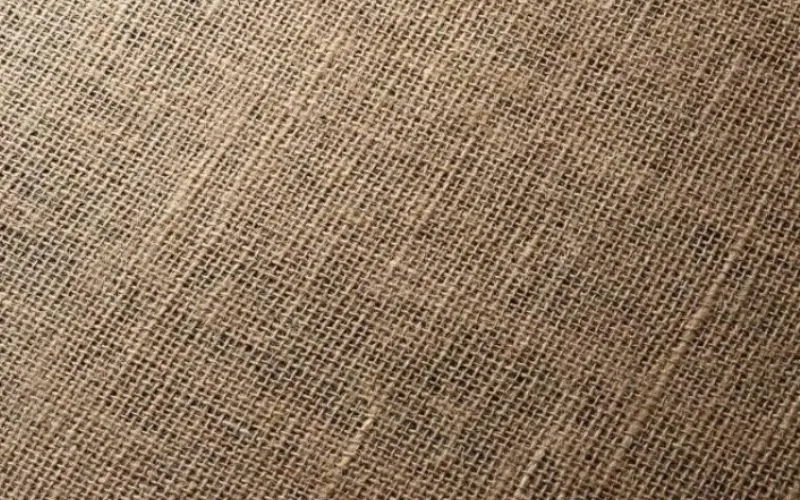
According to research by May Hop Phat, jute fibers have a diameter of 17-20 micrometers and can reach lengths of 1-4 meters, creating superior durability for products.
2. Chemical Structure
Jute fabric contains:
- 58-63% cellulose
- 12-15% hemicellulose
- 12-15% lignin
- Other components such as pectin and wax
II. Detailed Classification of Jute Fabric
May Hop Phat divides natural jute fabric into three main groups:
1. White Jute (Corchorus olitorius)
Notable features:
- Color: Natural ivory white
- Softness: Higher than other types
- Applications: Fashion, interior decoration
- Disadvantages: Lower durability
2. Tossa Jute (Corchorus capsularis)
Superior advantages:
- Longest and strongest fibers
- Characteristic dark brown color
- Good load-bearing capacity (up to 50kg)
- High lifespan (3-5 years)
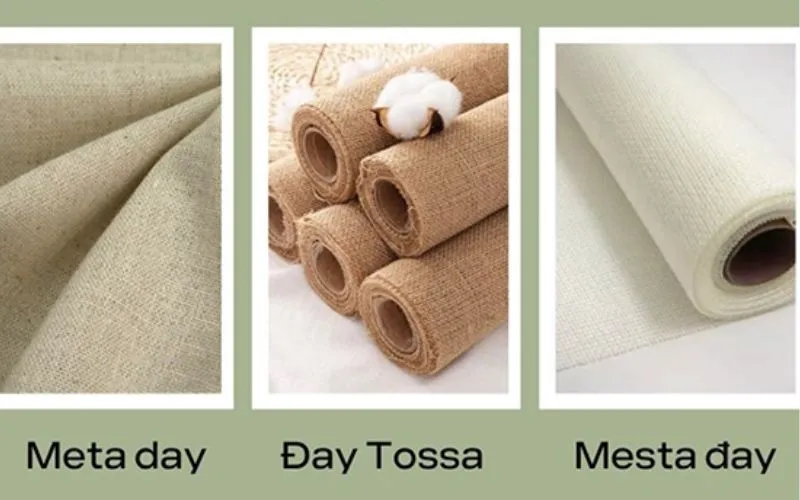
3. Mesta Jute (Hybrid)
This is a perfect combination of white jute and tossa jute, creating:
- Soft neutral colors
- Balanced durability and softness
- Reasonable pricing
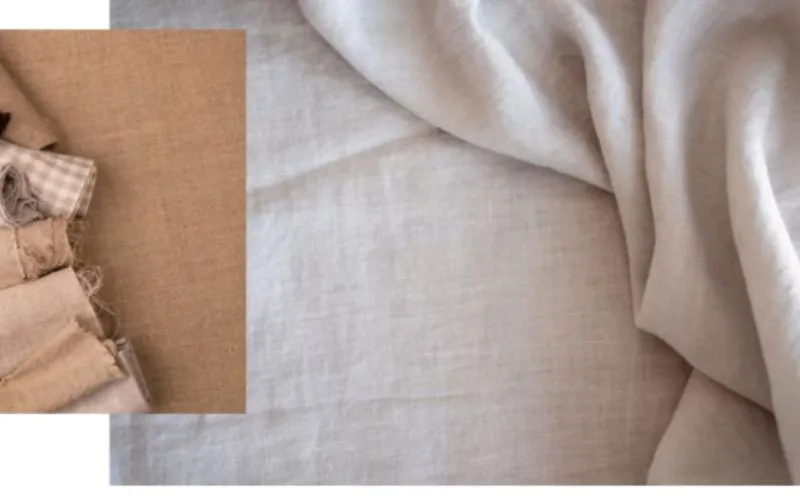
Besides the jute bag materials above, there is also jute linen fabric with good load-bearing capacity and color durability over time.
III. Advantages and Disadvantages of Jute Fabric – In-Depth Analysis
1. Superior Advantages
| Criteria | Jute Fabric | Cotton | Polyester |
|---|---|---|---|
| Environmental impact | 100% biodegradable | Slow degradation | Non-biodegradable |
| Durability | Very high | Medium | High |
| Moisture absorption | Excellent | Good | Poor |
| Cost | Reasonable | High | Low |
Detailed advantages:
a) Environmentally Friendly
- Completely biodegradable in 6-12 months
- Reduces carbon footprint by 75% compared to cotton
- No pesticides needed during cultivation
b) Superior Durability
Jute fabric has a special fiber structure. May Hop Phat conducted tests showing that a natural jute fabric bag can withstand three times the weight of regular plastic bags.
c) Breathability Features
- Moisture absorption coefficient: 12% (20% higher than cotton)
- Natural anti-static properties
- Effective heat conduction, cool when used
2. Disadvantages to Note
May Hop Phat notes that jute fabric still has some limitations:
a) Rough Surface
- Not as soft as silk or modal
- May cause discomfort for sensitive skin
- Requires special treatment when making clothing
b) Long Drying Time
- Due to high moisture absorption, natural jute fabric requires longer drying time
- Prone to mildew if not stored properly
IV. Applications of Jute Fabric in Daily Life
1. Fashion and Accessories
Jute fabric is becoming a trend in sustainable fashion:
- Fashion bags: Vintage style, unique
- Jewelry accessories: Handmade necklaces, bracelets
- Casual clothing: Jackets, maxi dresses in bohemian style

2. Agriculture and Packaging
May Hop Phat records that natural jute fabric is widely applied:
Agricultural Applications Table:
| Product | Advantages | Usage Rate |
|---|---|---|
| Rice bags | Breathable, moisture-resistant | 65% |
| Coffee bags | Preserves flavor | 45% |
| Seed bags | Insect-resistant | 70% |
3. Interior and Decoration
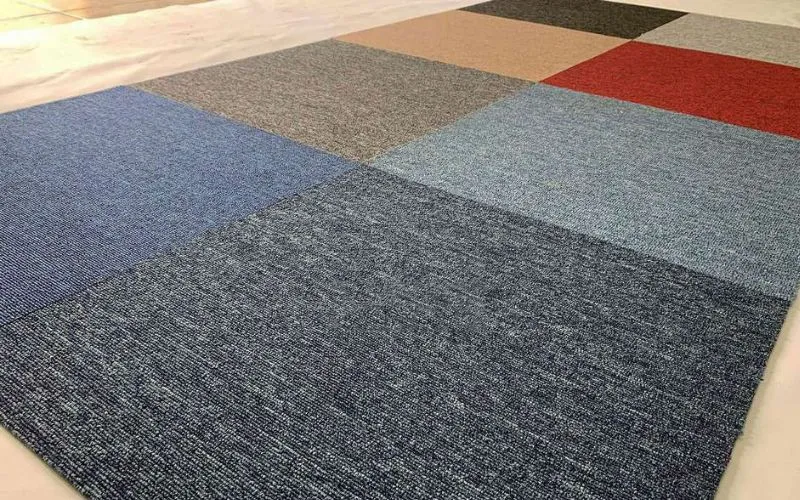
- Floor mats: High durability, natural style
- Curtains: Soft light filtering
- Decorative items: Wall hangings, decorative lamps
V. Comparing Jute Fabric with Other Materials
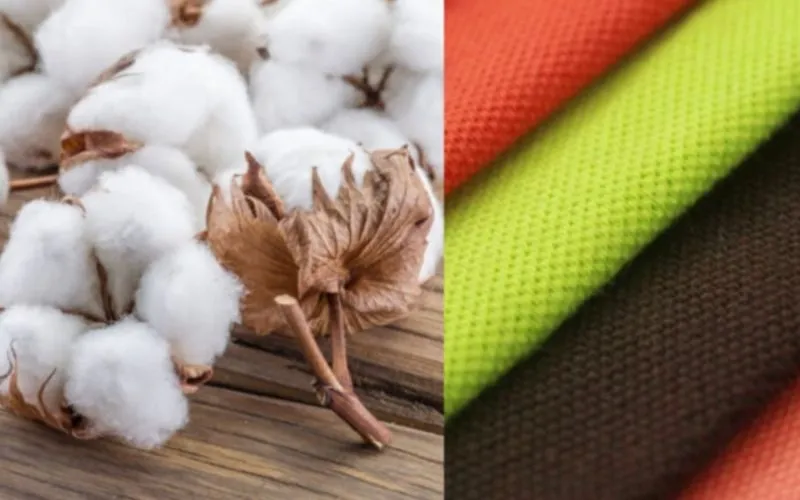
1. Jute Fabric vs Cotton
Strengths of jute fabric:
- 40% higher durability
- More environmentally friendly
- Lower production costs
Weaknesses:
- Less soft
- Less color variety
2. Jute Fabric vs Polyester
May Hop Phat evaluates natural jute fabric as superior in:
- Biodegradability
- Breathability
- Health safety
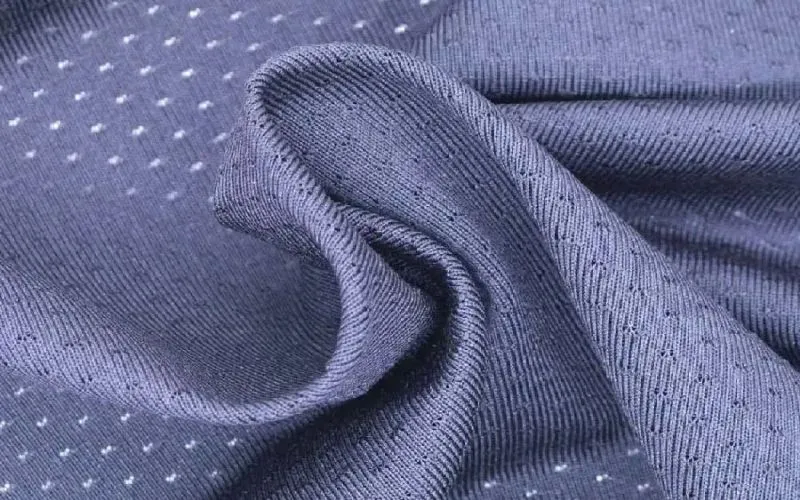
However, polyester wins in:
- Elasticity
- Wrinkle resistance
- Color diversity
VI. Jute Fabric Production Process
To ensure consistent quality for all your orders, the professional jute bag production process is crucial. Read the information below to understand specifically:
1. Harvesting and Processing
Natural jute fabric goes through 5 main stages:
- Planting: March-April lunar calendar
- Harvesting: After 90-120 days
- Retting: 15-20 days in water
- Fiber separation: Using modern machinery
- Weaving: Using advanced technology
2. Modern Processing Technology
May Hop Phat applies advanced methods:
- Enzyme treatment: Natural fiber softening
- Eco-friendly dyeing: Using plant-based colors
- Ecological finishing: No toxic chemicals

VII. How to Choose and Preserve Jute Fabric
1. Criteria for Choosing Quality Jute Fabric
Quality jute fabric inspection:
- Color: Even, natural, no color bleeding
- Structure: Tight fibers, no breakage
- Smell: Natural fragrance, not pungent
- Thickness: Suitable for intended purpose
2. Proper Preservation Guidelines
May Hop Phat recommends:
Cleaning:
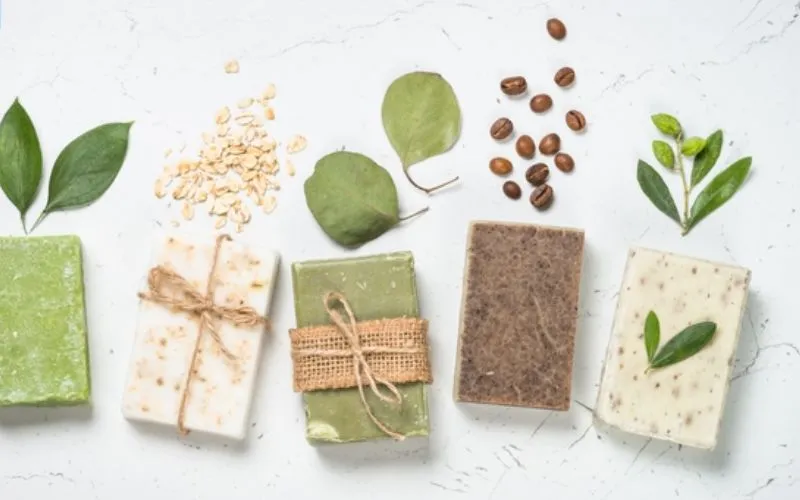
- Hand wash with cool water
- Use natural soap
- Do not soak for more than 30 minutes
Storage:
- Dry in a cool, ventilated place, avoid direct sunlight
- Store at 40-60% humidity
- Avoid contact with strong chemicals
VIII. Trends and Future
1. Jute Fabric in Sustainable Fashion
The natural jute fabric market is developing strongly:
- 15% annual growth
- Popular in 45 countries
- Expected to reach 2.8 billion USD by 2027
2. Technological Innovation
May Hop Phat predicts new trends:
- Hybrid jute fabric: Combined with bamboo, hemp
- Nano technology: Enhanced waterproof properties
- 3D printing: Creating complex patterns
In conclusion, jute fabric is clearly the material of the future. With its versatility and environmental friendliness, jute fabric has been and is creating a green revolution in many industries. If you are a business seeking environmentally friendly packaging solutions or want to elevate your lifestyle, jute fabric is the key. Call 0909.938.333 for consultation on the most suitable jute fabric product solutions.