

 Tiếng Việt
The technique of making bag handles is the most important step to complete the product. We introduce how to make jute fabric bag handles from basic to advanced, suitable for all levels. From choosing materials to sewing tips to hide stitches, everything you need is in the specific key points that Hop Phat gift jute bag sewing shares below.
I. Why Choose Jute Fabric for Bag Handles?
1. Superior Advantages of Jute Fabric
Jute fabric is highly valued in the handmade community thanks to its superior characteristics. First, the durability of jute fabric is an undeniable strength – a jute fiber can withstand tensile forces of up to 3-5 kg without breaking. This makes jute fabric bag handles an ideal choice for bags that require high durability.
Environmental friendliness is a factor that makes jute fabric popular. Unlike synthetic materials, jute fabric can decompose completely in nature in just 1-2 years. When you make your own jute fabric bag handles, you are contributing to reducing plastic waste and protecting the green planet.
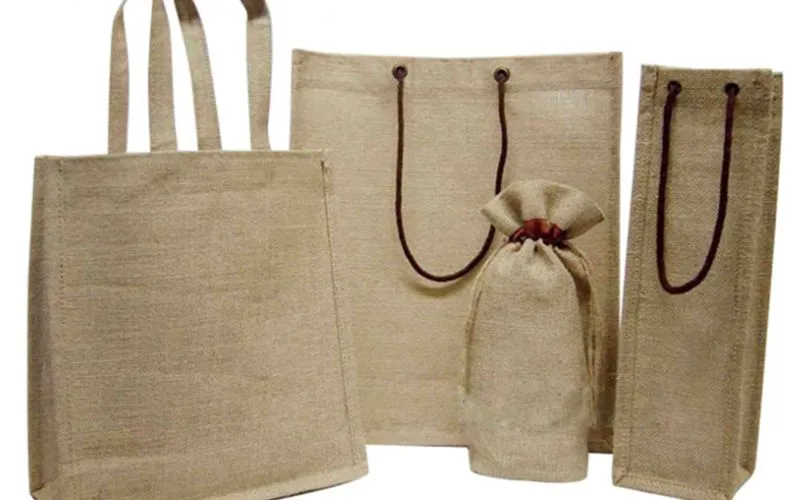
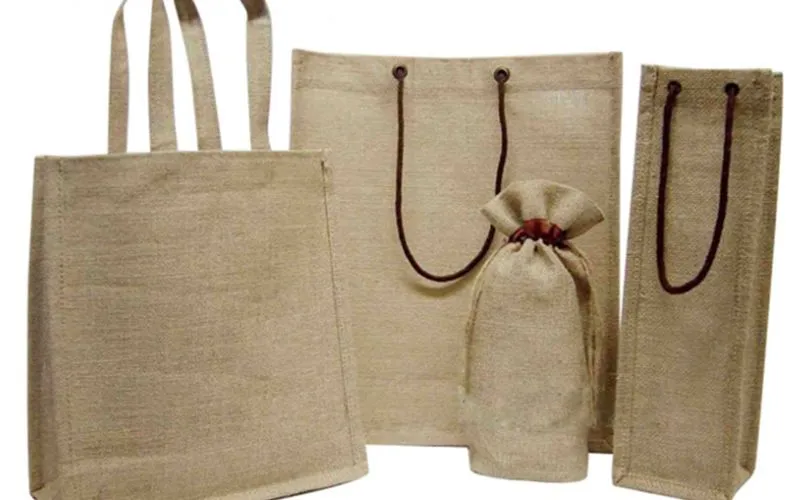
In terms of aesthetics, handmade jute fabric brings natural, rustic but no less sophisticated beauty. The natural color of jute fabric ranges from ivory white to golden brown, creating harmony with many different fashion styles.
2. Comparison with Other Materials
| Criteria | Jute Fabric | Cotton Fabric | Leather Strap |
|---|---|---|---|
| Durability | Very high (5-10 years) | Medium (2-3 years) | High (3-7 years) |
| Environmentally friendly | Excellent | Good | Poor |
| Cost | Low | Medium | High |
| Easy to process | Easy | Very easy | Difficult |
| Aesthetics | Natural | Diverse | Luxurious |
Compared to cotton fabric, jute fabric has advantages in durability and wear resistance. While cotton is easy to stretch and fade over time, handles made from jute fabric still maintain their original shape after many years of use.
Compared to leather straps, jute fabric has significantly lower costs but still ensures necessary durability. Especially, processing jute fabric bag handles is much simpler than leather, suitable for beginners learning handmade.
II. Preparing Materials and Tools
1. List of Necessary Materials
To make your own jute fabric bag handles with quality, you need to prepare the following materials:
Main jute fabric: Choose jute fabric with a thickness of 1.2-1.5mm, minimum width of 5cm for each handle. If you want to make a pair of bag handles, you need about 1.5 meters of good quality jute fabric.
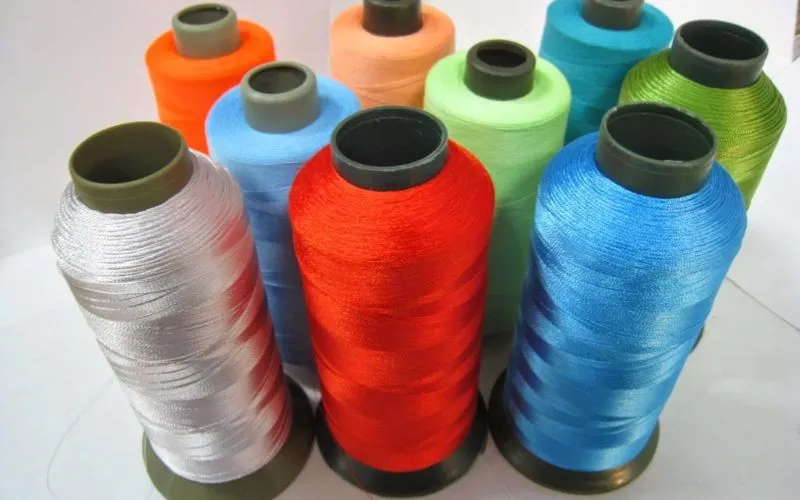
Specialized sewing thread: Use polyester thread or high-durability cotton thread. Thread color should match or be similar to the fabric color to create harmony for handmade bag handles.
Reinforcement lining fabric: A layer of thin canvas fabric helps increase the stiffness and durability of bag handles. This is a secret from professional seamstresses to create high-quality bag handles.
2. Necessary Tools
| Tool | Purpose | Important Note |
|---|---|---|
| Fabric scissors | Cut jute fabric accurately | Must be sharp, no loose threads |
| Needle and thread | Sew seams | Choose needle size 16-18 for jute fabric |
| Ruler | Measure accurate dimensions | Accuracy ±1mm |
| Fabric pencil | Mark cutting lines | Easy to erase, no color smudging |
| Iron | Iron flat and create creases | Moderate temperature (150°C) |
Sewing machine will help work quickly and make seams more beautiful, but you can completely hand-sew jute fabric bag handles if you don’t have a machine. Hand sewing even brings a distinctive handmade feel and higher durability.
3. Tips for Choosing Quality Materials
When buying jute fabric to make bag handles, pay attention to checking the evenness of the fabric fibers. Good quality fabric has uniform fibers, no thick or thin spots. You can try pulling lightly to check elasticity – good jute fabric will have slight elasticity but not permanent stretching.

Natural color of jute fabric usually ranges from cream white to light brown. Avoid fabrics that are too white or too dark as they may have been chemically treated. Natural jute fabric has a light scent, no pungent smell or chemicals.
III. 7 Detailed Steps to Make Jute Fabric Bag Handles
1. Calculate and Cut Fabric to Size
Standard bag handle size calculation formula: Length = bag height × 2 + bag width + 15cm (extra for folding parts). Handle width usually ranges from 3-5cm depending on bag size and personal preference.
Example: For a bag with dimensions 30×40cm, jute fabric bag handles need to have length: 40×2 + 30 + 15 = 125cm. This ensures handles have appropriate length for comfortable hand-carrying or shoulder-wearing.
Proper fabric cutting technique is a decisive factor in the quality of the finished product. Always cut fabric along the grain direction to maximize durability. Use a ruler to ensure straight and parallel edges. Cut an extra 1cm on each edge for folding space.
2. Fold and Iron Fabric to Create Creases
Professional fabric folding technique starts by folding the width of the fabric strip in half, right sides facing each other. Then fold another 1cm on each long edge to create a seam edge. This helps handmade bag handles have neat and professional edges.

Appropriate ironing temperature for jute fabric is 150-160°C. Iron from the wrong side to avoid making the fabric surface shiny. Use a damp cloth when ironing to create steam that helps creases sharp and long-lasting. Each ironing should be held for about 3-5 seconds at one position.
3. Sew Edge Seams to Secure
Suitable stitch type for jute fabric is straight stitch with 2-3mm distance between stitches. Start sewing from one end of the handle, along the folded edge. This sewing technique ensures strong and beautiful seams.
How to start and finish standard stitches: Start with 3-4 reverse stitches to secure the thread, then sew straight evenly. When finishing, also reverse stitch 3-4 times so the thread doesn’t come loose. Cut excess thread close to the fabric to create neatness.
4. Create Natural Curve for Handles
Handle curving technique helps handles fit snugly on shoulders and be comfortable when used. Place handle on table, use hands to gently bend into an arc shape. Natural curve of about 2-3cm from the straight line is most appropriate.
How to fix the shape: Use steam and heat from the iron to “train” the jute fabric to maintain the desired shape. Iron gently along the created curve, then let cool completely before moving.
5. Complete Stitches and Check
Reinforce weak points is an important step to ensure durability of jute fabric bag handles. Sew an additional parallel seam 2-3mm away from the first line. Especially pay attention to reinforcing both ends of handles – where they bear the most force when used.

Check durability by pulling the handle with moderate force. Good quality handles do not deform and have no sound from sewing thread. Check carefully at corners and edges, seams must be even and have no missed spots.
6. Attach Accessories (if any)
Common accessory types for jute fabric bag handles include metal eyelets, attachment hooks, or shoulder pads. These accessories not only increase aesthetics but also improve utility and handle lifespan.
How to attach securely: For metal eyelets, mark exact position before setting. Use a small hammer and hard base to ensure eyelet is attached firmly. For shoulder pads, sew securely at 3-4 points to avoid slipping when used.
7. Final Check and Completion
Quality check checklist:
- Are both handle lengths equal?
- Are seams straight and secure?
- Are accessories attached firmly?
- Is the color uniform?
- Is the surface neat, with no excess thread?
Final adjustment if necessary. Can trim excess thread lightly or adjust length for balance. Store finished product in a dry place, avoid direct sunlight until use.
IV. Useful Tips for Long-lasting Durable and Beautiful Handles
1. Durability Enhancement Techniques
How to choose quality sewing thread determines 70% of handle durability. Polyester thread has higher durability than cotton thread, especially when exposed to moisture. However, cotton thread brings a natural look harmonious with jute fabric.

Professional reinforcement sewing technique includes sewing an X at connection points. This distributes pulling force evenly and doubles durability compared to regular straight stitching. Treat contact points by sewing an additional small fabric layer at frequently rubbed positions.
2. Decorate and Upgrade Bag Handles
Add simple patterns can be done by hand embroidery or printing techniques. Simple geometric patterns like stripes, polka dots always suit the natural style of jute fabric. Color combination by using contrasting color sewing thread creates interesting focal points.
Decorative accessories like wooden buttons, small bells, or metal hooks can be attached subtly. However, need to consider practicality – too many accessories can make handles bulky and reduce durability.
3. Secrets from Professional Craftsmen
Experienced seamstresses often use the “shaping ironing” technique – iron handles according to natural curved shape and let cool completely. This helps handles “remember” the shape and always fit properly on shoulders when used.
Secret about length that few people know: Bag handles should be 2-3cm longer than theoretical calculation. Jute fabric tends to shrink slightly after first use, and leaving this extra ensures handles always have appropriate length.
V. How to Preserve and Clean Jute Fabric Bag Handles
1. Daily Cleaning
Proper cleaning method for jute fabric bag handles starts by removing surface dirt with a soft brush. Brush gently along the fabric grain direction to avoid fluffing. For light stains, use a damp cloth to wipe clean and let air dry.

Suitable cleaning products include warm water, mild soap without bleach. Absolutely avoid using strong bleach or chemical solvents as they can damage jute fiber structure. Optimal cleaning frequency is once a week for basic wiping.
2. Long-term Preservation
Ideal storage location for jute fabric bag handles is dry, cool spaces, avoiding direct sunlight. High humidity can cause mold, while strong sunlight causes jute fabric to fade over time.
Proper hanging method: Use padded coat hangers to avoid creating marks. Should not fold bag handles for long periods as it can create permanent creases. If need to fold for storage, place soft paper at folded areas.
3. Treating Stubborn Stains
For oil and grease stains: Sprinkle cornstarch or talcum powder on stain, leave for about 30 minutes to absorb oil, then brush clean and wipe with damp cloth. Stubborn stains may need multiple treatments.

Food stains: Use a mixture of warm water and white vinegar in 3:1 ratio. Gently dab on stain, don’t rub hard to avoid damaging fabric fibers. Then rinse clean with water and let air dry.
VI. Common Mistakes When Making Bag Handles
1. Technical Errors
Uneven stitching is the most common mistake of beginners. The cause is usually unstable sewing speed or not keeping fabric taut evenly. Fix by practicing on excess fabric before doing officially.
Cutting fabric wrong size happens when measurements are inaccurate or not accounting for seam allowance. Always measure again at least 2 times and mark clearly with fabric pencil before cutting.
Choosing inappropriate thread like too thin thread or unharmonious color. Sewing thread must have durability equivalent to or higher than jute fabric to ensure product lifespan.
2. Design Errors
Unbalanced handles usually stem from uneven cutting or off-center sewing. Use a ruler and mark carefully to avoid this error. Check length by measuring from one end to the other end of both handles.
Inappropriate length for user’s body. Too short handles cause discomfort when carrying, too long handles are bulky. On average, hand-carry bag handles are 50-60cm long, shoulder-carry handles are 80-120cm long.
Lack of practicality when only focusing on beauty but ignoring load capacity. Beautiful but not durable handles will disappoint users.
3. How to Fix Each Specific Error
When handles are crooked: Carefully remove thread and sew again. Use specialized thread remover to avoid damaging fabric. Re-measure size and mark accurately before sewing the second time.
Handle uneven seams: Can sew an additional parallel line to cover uneven spots. Or use decorative edges to create focal points and hide defects.

Fix unharmonious color: Change sewing thread or add decorative details with appropriate colors to create balance in the overall design.