

 Tiếng Việt
Can straw bags be washed – a question many people are concerned about when owning this handmade product. Natural straw material requires special cleaning techniques to maintain durability and beauty. Let’s explore May Hop Phat’s sharing about proper care methods.
I. Understanding Straw Material in Handmade Bag Production
1. Scientific Structure of Vietnamese Straw Fibers
Natural straw fibers are created from straw plant stems (Cyperus) – a characteristic plant of wetland areas in Northern Vietnam. The cellulose and lignin structure in straw fibers creates unique properties:
- High toughness thanks to strict drying process
- Natural sweat absorption capability and breathability
- Pleasant scent, rustic characteristic of natural materials
- Lightweight suitable for tropical climate

Especially, handmade straw products do not use toxic chemicals in the mold prevention process, ensuring absolute safety for users.
2. Advantages and Disadvantages to Know
| Advantages | Disadvantages |
|---|---|
| Durable, can be used for many years | Easily absorbs moisture from environment |
| Environmentally friendly, biodegradable | Water-sensitive, cannot withstand high humidity |
| Affordable price | Easy to get moldy if stored incorrectly |
| Unique vintage style | Requires special cleaning techniques |
3. Why Special Care Is Needed
Vietnamese straw advertising bags are hand-woven by experienced artisans and each product carries unique value for the recipient. Straw fiber material has porous structure that helps breathability but also easily accumulates dust and bacteria. Therefore, periodic cleaning and proper storage are necessary.

II. In-Depth Analysis: Can Straw Bags Be Washed?
1. Why Machine Washing Straw Bags Should Be Avoided
Washing machines with strong centrifugal force and high water temperature will cause serious impacts on straw fiber structure:
- Irreversible deformation due to strong rotation force
- Broken fibers and lost natural elasticity
- Chemicals in detergent destroy natural proteins in fibers
- High temperature causes shrinkage and brittle fibers

2. Proper Hand Washing Method
Step 1: Prepare Tools
- Clean plastic basin, without chemical residue
- Neutral pH soap or mild detergent
- Soft bristle brush (old toothbrush)
- Soft cotton cloth, microfiber cloth
- Warm water (25-30°C)

Step 2: Detailed Cleaning Process
Surface cleaning: Use damp cotton cloth to gently wipe the entire bag surface to remove dust and oil stuck on skin.
Treating light stains: Mix small amount of soap with warm water, use soft cloth dipped in this solution to gently wipe stained areas.
Cleaning stubborn stains: Use soft bristle brush with diluted soap solution, gently scrub along straw fiber direction.
Step 3: Handling Bags with Fabric Lining
For fabric-lined straw bags, absolutely do not wet the entire product. Only clean straw surface and use mini brush to clean fabric lining inside.

3. Professional Drying Techniques
Dry in shade: Avoid direct sunlight which can make fibers brittle and fade color.
Check dryness: Completely dry straw fibers will have characteristic natural fragrance. Smell gently to ensure no damp smell remains.

Drying time: Depending on air humidity, drying process can take 4-8 hours.
III. Guide to Handling Each Specific Stain Type
1. Common Stains
Daily dust: Use dry cloth or soft brush to gently sweep away dust.

Fingerprints and sweat: Use damp cloth with clean water, wipe gently then dry immediately.
2. Stubborn Stains Requiring Special Treatment
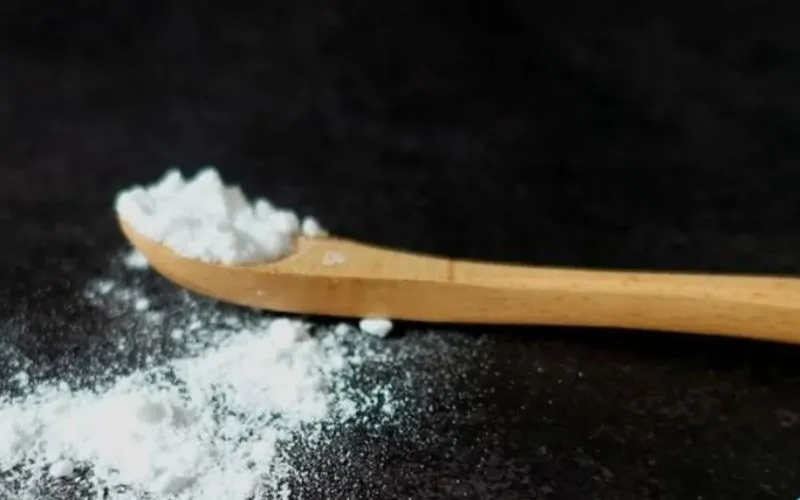
Food grease:
- Sprinkle baking soda on stain, leave for 15 minutes
- Use soft brush to gently scrub
- Wipe clean with damp cloth
Mold:
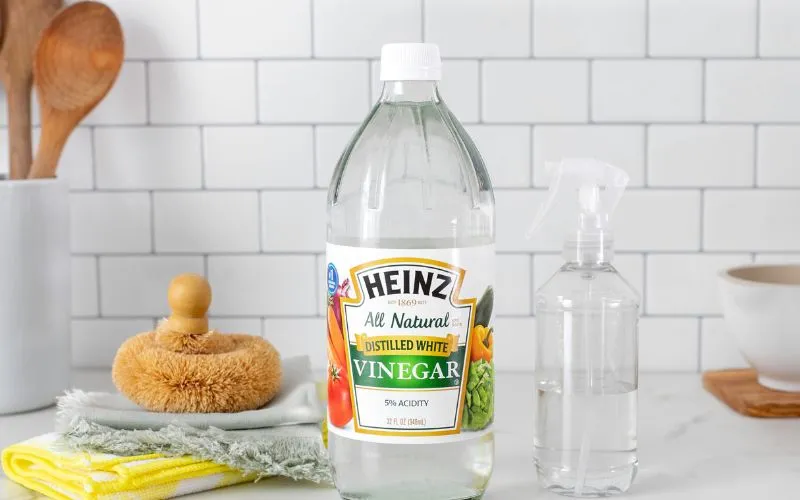
- Mix white vinegar with water at 1:3 ratio
- Use brush to gently scrub moldy area
- Dry completely immediately after
3. Safe Natural Cleaning Formulas
| Stain type | Formula | Action time |
|---|---|---|
| Bad odor | Baking soda + water | 30 minutes |
| Mold | White vinegar + water (1:3) | 15 minutes |
| Grease | Dry baking soda | 15-20 minutes |
| Ink stains | Diluted medical alcohol | 5-10 minutes |
IV. Scientific Storage for Long-Lasting Straw Bags
1. Ideal Environmental Conditions
Optimal humidity: 45-55% – use humidity meter for precise control.
Suitable temperature: 18-25°C – avoid sudden temperature changes.
Ventilation: Ensure good air circulation, avoid confined environment.
2. Scientific Storage Method
Bag placement position:
- High, dry place, airy like high shelf or hanging hook
- Avoid floor, near wall, under air conditioner
- Don’t place near refrigerator or moisture sources
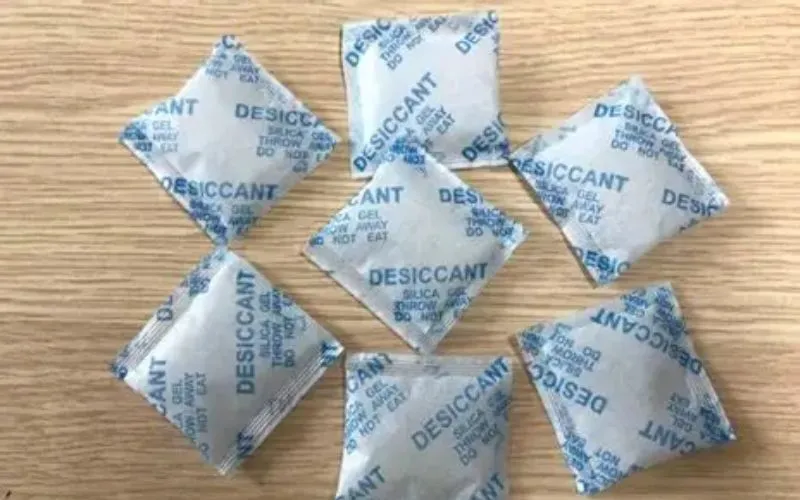
Using support accessories:
- Moisture absorbers placed inside bag
- Newspaper or cotton fabric stuffed inside to maintain shape
- Cotton fabric bag wrapped outside for long-term storage
3. Periodic Maintenance
Weekly inspection: Observe for signs of mold, insects, or deformation.
Light cleaning: Every 2-3 weeks, wipe with dry cloth to remove dust.

Position change: Rotate bag regularly to avoid long-term pressure on one spot.
V. Troubleshooting and Restoring Straw Bags
1. Deformed Bags
Causes:
- Placing heavy objects on bag too long
- High humidity softening straw fibers
- Incorrect hanging method

Restoration method:
- Stuff newspaper or cotton fabric inside
- Reshape by hand, hold for 24-48 hours
- Use light steam to soften fibers, then reshape and dry
2. Unpleasant Odor Due to Dampness
Quick treatment:
- Sprinkle baking soda inside bag, leave overnight
- Light sun exposure in morning (avoid harsh sun)
- Use activated charcoal or coffee powder to absorb odor
3. Frayed and Worn Straw Fibers
Necessary tools:
- Small, sharp cutting scissors
- Specialized blade
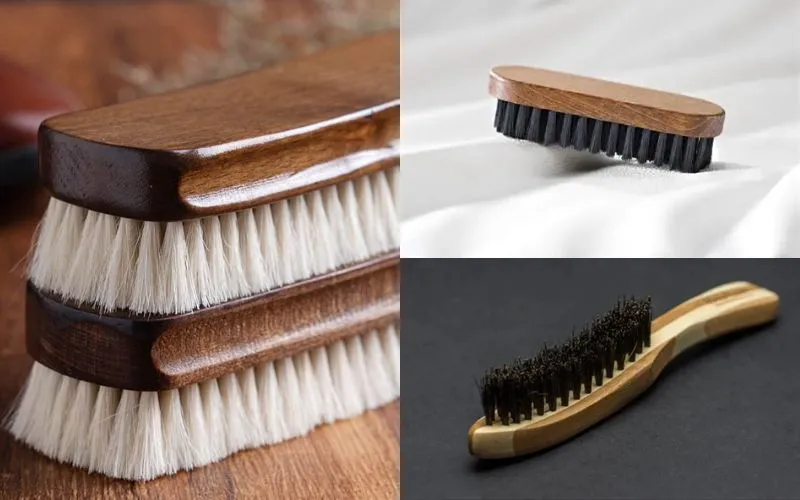
- Stiff bristle brush to remove excess fibers
Trimming technique:
- Cut along fiber direction, not cut across
- Only cut frayed parts, keep main structure intact
- Work under good lighting for accurate observation
VI. Professional Care Tools and Materials
1. Basic Tool Set
Must-have items:
- Multi-size soft bristle brushes
- Premium microfiber cloth
- Neutral pH soap without sulfate
- High-quality silica gel moisture absorbers
2. Advanced Accessories
Specialized protection solutions:
- Natural anti-mold spray
- Plant fiber nourishing oil (coconut oil, olive oil)
- Organic deodorizer from natural essential oils
3. Environmental Control Equipment
- Humidity meter to monitor storage conditions
- Mini dehumidifier for storage cabinet
- UV sterilizing lamp (use cautiously)
Through the detailed guide above, you have complete answers to the question “can straw bags be washed”. Proper cleaning methods will help this product remain durable and beautiful over time. Apply these professional care techniques immediately to protect your valuable investment.