

 Tiếng Việt
Do you have a leather item and want to refresh it with unique patterns? Without complex machinery, you can completely do it yourself. This article will share detailed information about how to create patterns on leather without using machines, helping you transform simple items into works of art that express your personality. Let’s explore these creative handicraft techniques with Hop Phat multifunctional bag manufacturer!
I. What is the Art of Creating Patterns on Leather?
The art of creating patterns on leather or leather crafting has existed for thousands of years in human history. Particularly, leather tooling techniques from ancient civilizations have spread worldwide with exquisite patterns and timeless durability.

1. Definition and Historical Origin
Leather carving or leather tooling originated from the need to decorate and increase the value of leather products. Ancient Egyptians, Native Americans, and European countries developed leather pattern creation techniques in crafting saddles, bags, and daily utensils.
2. Differences from Machine Processing
| Characteristic | Handmade | Machine Processing |
|---|---|---|
| Investment Cost | Low | Very high |
| Refinement | High, soulful | Uniform, mechanical |
| Flexibility | Freely customizable | Limited to available patterns |
| Execution Time | Slower | Fast |
| Artistic Value | Very high | Average |
3. Benefits of Creating Patterns by Hand
Handmade leather methods offer many superior advantages:
- High artistic value: Each product is unique
- Reasonable cost: No need to invest in expensive machinery
- Creative flexibility: Can be customized according to ideas
- Traditional skills: Preserving handicraft trades
II. Method 1 – Traditional Leather Tooling
Leather tooling is the most classic and effective method for creating patterns on leather without machines.
1. Necessary Materials and Tools
To learn basic leather tooling, you need to prepare:
- Genuine leather (cowhide, sheepskin, or goat leather)
- Professional leather tooling set
- Leather tooling mallet (200-300g weight)
- Leather cutting board (granite or hardwood)
- Sharp leather cutting knife
- Water to moisten leather

2. Leather Preparation Technique
Execution Steps:
- Choose high-quality genuine leather without blemishes
- Moisten leather evenly with wet cotton
- Let leather reach ideal moisture level (40-60%)
- Check softness by pressing gently

3. Basic Tooling Technique Step by Step
Simple hand tooling method:
Step 1: Draw pattern on paper, transfer to leather Step 2: Cut main outline with sharp knife Step 3: Use tooling stamps to create depth for each detail Step 4: Create shading and raised effects Step 5: Finish and polish
4. Common Tooling Pattern Types
- Floral patterns: Most popular, easy to execute
- Animal figures: Requires advanced technique
- Geometric patterns: Modern, clean
- Lettering: Personalizes products
III. Method 2 – Leather Stamping
Leather stamping is the fastest and most uniform way to create leather patterns.
1. Choosing the Right Stamps
Hop Phat recommends using:
- Metal stamps: High durability, sharp details
- Wooden stamps: Cheap, suitable for beginners
- Rubber stamps: Flexible, creates various effects
2. Professional Stamping Technique
Leather stamping principles:
- Keep stamp perpendicular to leather surface
- Stamp once only, do not repeat
- Apply even hand pressure, not too strong
- Check leather moisture before stamping

3. How to Maintain and Use Stamps
To maintain stamp quality:
- Clean thoroughly after each use
- Store in dry, well-ventilated place
- Apply maintenance oil regularly
IV. Method 3 – Direct Painting/Coloring on Leather
Leather painting technique helps create colorful leather patterns that are vibrant.
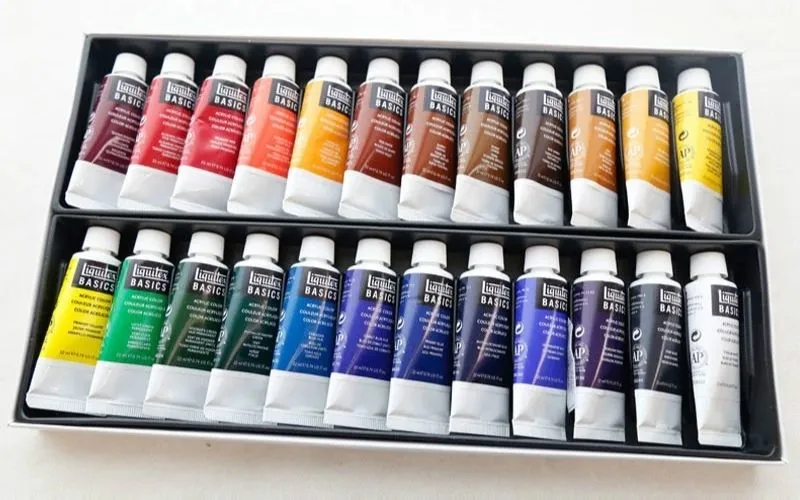
Suitable paint types:
- Acrylic paint: Color-fast, doesn’t fade
- Oil paint: Deep penetration, natural
- Watercolor: Easy to mix, affordable
2. Painting and Coloring Technique
Professional leather painting process:
- Prepare clean and dry leather
- Sketch pattern with pencil
- Paint from light to dark colors
- Let dry completely between layers
3. Protection and Finishing
Protective coating:
- Clear PU paint
- Specialized leather wax
- Natural leather conditioning oil
V. Method 4 – Leather Carving
Leather carving is the most raised leather pattern and exquisite method.
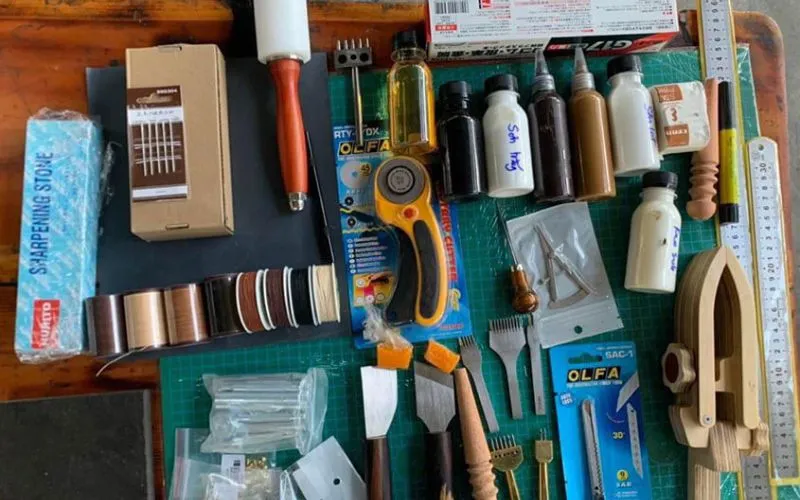
1. Specialized Leather Carving Tools
Basic carving knife set:
- Curved angle carving knife (swivel knife)
- Straight carving knife
- Various leather files
- Fine sandpaper
2. Layer-by-Layer Carving Technique
Layer cutting method:
- Cut outer layer to create general shape
- Cut middle layer to create details
- Cut inner layer to create depth
- Finish edges

3. Creating 3D Effects
Depth creation technique:
- Carve at different levels
- Use light and shadow
- Combine with colors
VI. Method 5 – Leather Embossing
Leather embossing creates raised leather patterns that are beautiful and elegant.
1. Preparing Embossing Molds
Suitable mold types:
- Metal molds: High durability
- Wooden molds: Easy to craft
- Rubber molds: Flexible
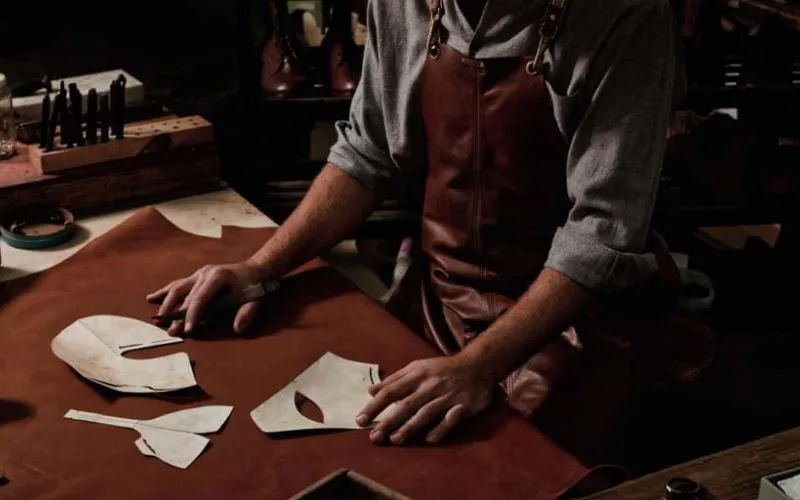

2. Embossing Technique
Proper embossing process:
- Moisten leather moderately
- Place mold exactly in position
- Press evenly with appropriate pressure
- Hold for 10-15 seconds
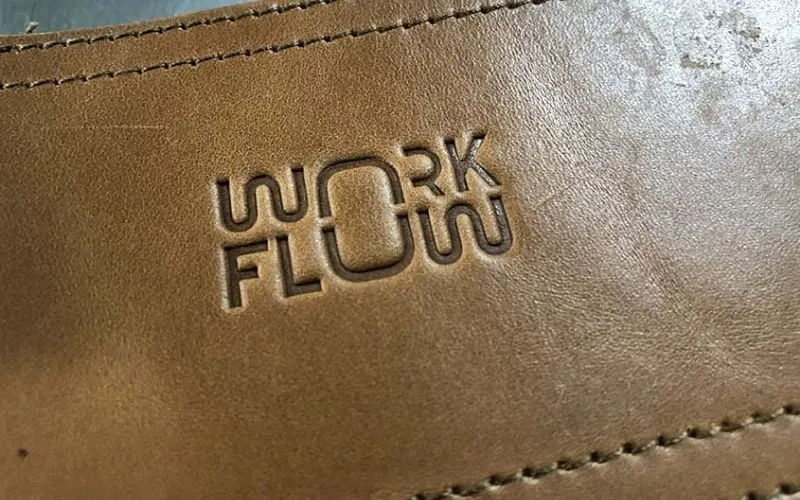
3. Post-Embossing Finishing
Post-embossing treatment:
- Air dry naturally
- Polish lightly
- Color if needed
VII. Method 6 – Embroidery/Stitched Patterns
Leather embroidery is a unique and durable way to create leather patterns with thread.
1. Choosing Leather Thread
Quality thread types:
- Real leather thread: Most durable
- Nylon thread: Various colors
- Cotton thread: Natural

2. Hole Punching and Embroidery Technique
Hole punching tools:
- Leather awl
- Round punches of various sizes
- Distance measuring ruler

3. Basic Embroidery Stitches
Common stitches:
- Running stitch: Simple, fast
- Cotton stitch: Beautiful decoration
- Cross stitch: Classic
VIII. Method 7 – Applying Stencils and Templates
Using patterns helps create accurate leather patterns professionally.
Self-making pattern process:
- Design pattern on computer
- Print on cardstock or plastic
- Cut precisely with craft knife
- Check sharpness
2. Template Application in Production
Template benefits:
- Ensures uniformity
- Increases production speed
- Reduces errors
- Easy employee training
3. Combining Multiple Techniques
Diverse combinations:
- Stencil + tooling
- Template + painting
- Pattern + embossing
IX. Technical Notes and Maintenance
Leather product quality depends on execution technique and maintenance methods.
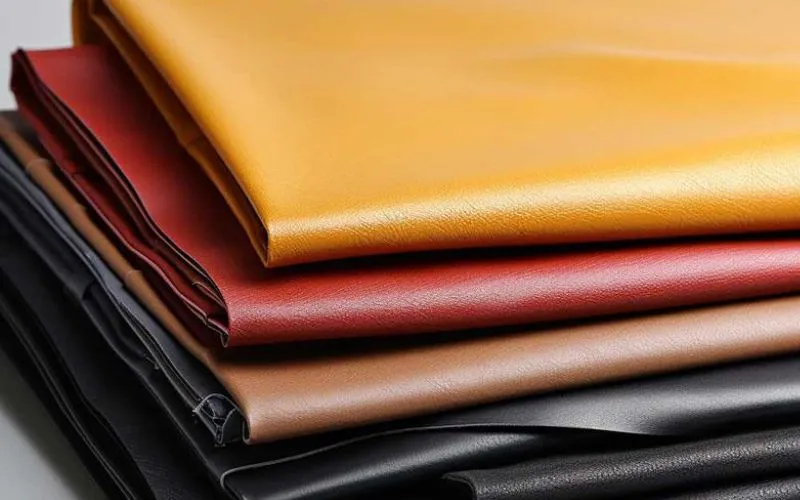
1. Choosing Appropriate Leather Quality
Suitable leather types:
- Cowhide: Thick, durable, suitable for tooling
- Sheepskin: Soft, smooth, easy to embroider
- Goat leather: Medium hardness, versatile
2. Maintaining Finished Products
Proper maintenance process:
- Avoid direct sunlight
- Maintain 45-55% humidity
- Clean regularly with leather-specific products
- Store in well-ventilated place
3. Handling Common Errors
Common problems:
- Dry hard leather: Moisturize with leather oil
- Faded color: Add protective coating
- Cracks: Use specialized leather glue
Finally, mastering how to create patterns on leather without using machines will help you create a difference for your products. From engraving letters, embossing patterns to hand dyeing, each method brings unique aesthetic effects. This is a great opportunity for you to enhance product and brand value. Call 0909.938.333 for more information about custom bag manufacturing.