

 Tiếng Việt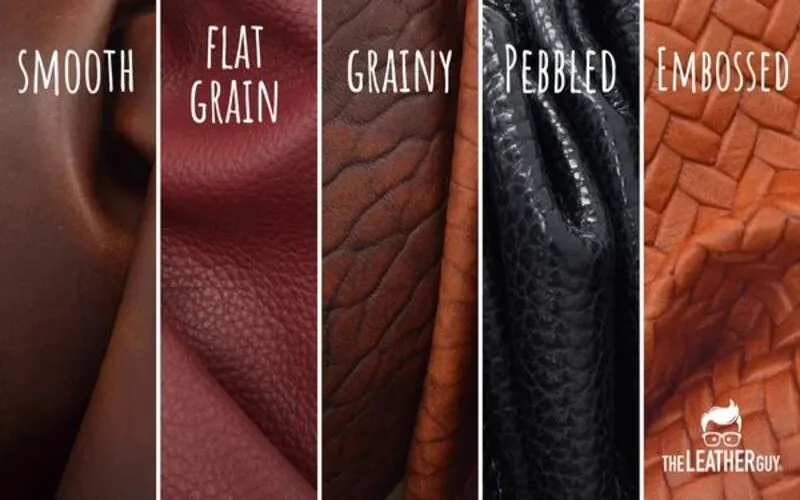
Types of Leather for Making Bags – Detailed Buying Guide 2025
Are you looking to understand types of leather for making bags but feeling confused by the diversity from premium genuine leather to economical PU and PVC leather? This article is designed for those exploring bag materials, helping you clearly understand the characteristics of each leather type and make the most suitable choice for your usage needs and personal budget. Additionally, Hop Phat Fashion Bag Factory will provide you with 7+ popular types of leather for making bags: genuine leather, PU leather, PVC, suede with detailed advantages and disadvantages.
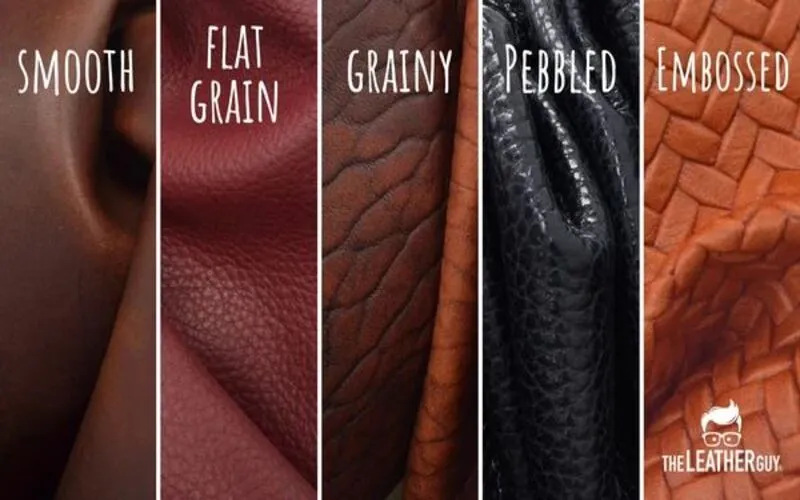
I. Why is Leather Material Important for Bags?
Understanding types of leather for making bags not only helps you make smart purchasing decisions but also ensures long-term satisfaction. Leather material affects:
- Product durability: A genuine leather bag can last 10-15 years, while PU leather only maintains 2-3 years
- Aesthetics and style: Premium leather brings irreplaceable luxury
- Investment value: Genuine leather bags typically hold value better over time
- Environmental factors: The vegan leather trend is increasingly popular
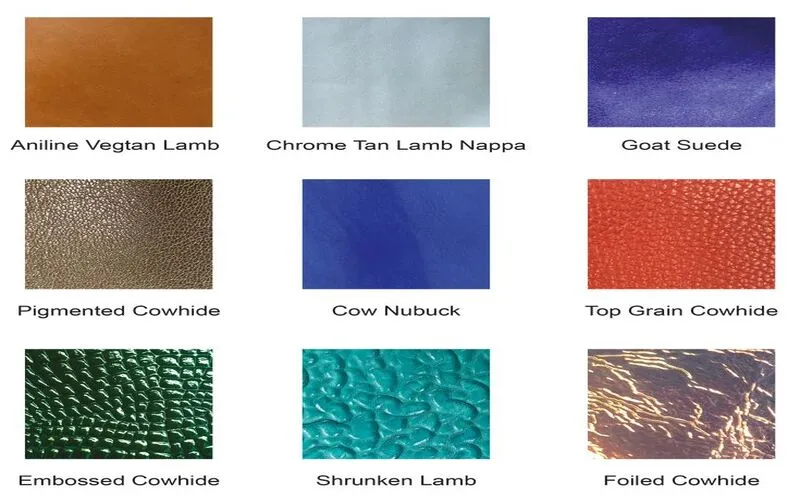
types of leather for making bags
II. Genuine Cowhide – The King of Leather Types for Making Bags
1. Outstanding Characteristics of Cowhide
Cowhide is considered “gold” in the bag making industry. With a special natural fiber structure, cowhide provides:
| Property | Detailed Description |
|---|---|
| Toughness | Withstands tensile force up to 300-400 kg/cm² |
| Absorption | Naturally regulates humidity |
| Lifespan | 15-20 years with proper care |
| Grain | Natural, non-repetitive |
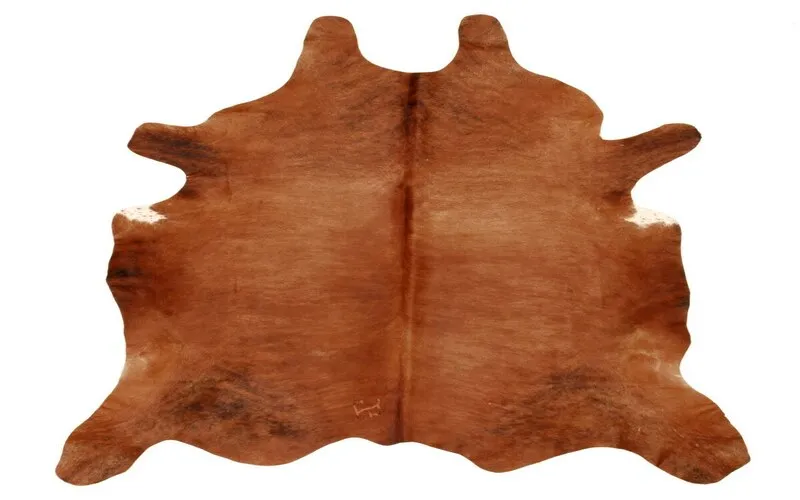
2. Superior Advantages
Cowhide among types of leather for making bags stands out with:
- Exceptional durability: Becomes more beautiful with use over time
- High aesthetics: Natural grain creates uniqueness
- Water resistance: After treatment, can waterproof well
- Investment value: Holds and can increase in value over time
3. Price Range and Applications
May Hop Phat classifies cowhide by quality:
- Grade A cowhide: 3-8 million VND/bag
- Grade B cowhide: 1.5-3 million VND/bag
- Recycled cowhide: 800k-1.5 million VND/bag
III. Suede Leather – Vintage Trend Returns
1. What is Suede Leather Material?
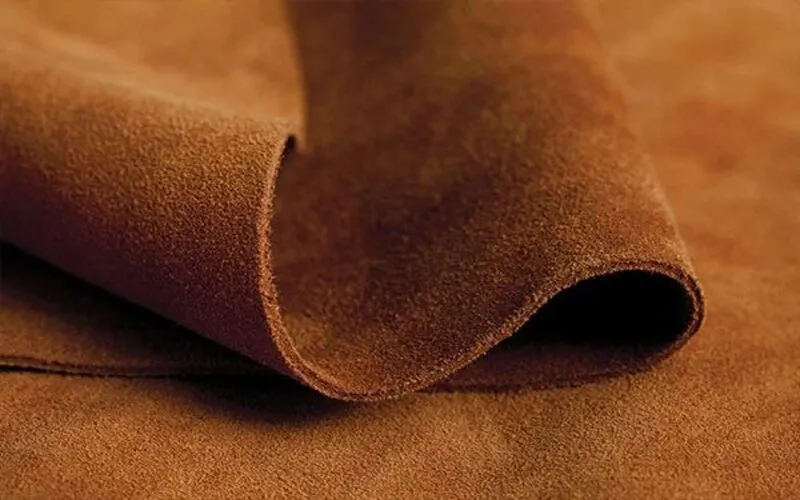
Suede leather belongs to the premium types of leather for making bags group with characteristic soft velvet surface. Created from the inner surface of animal skin, suede provides an irresistible luxury feel.
2. Boho-Chic Style 2025
In 2025, suede leather is making a strong “comeback” with boho-chic style. May Hop Phat observes:
- A 70% increase in searches for suede bags
- Hot colors: earth brown, olive green, burgundy red
- Fringe designs and hand-embroidered details are favored
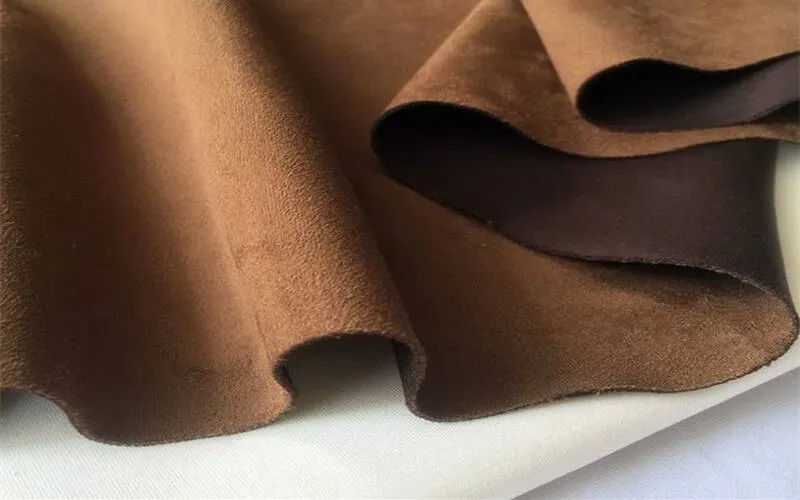
3. How to Maintain Suede Leather
Suede in types of leather for making bags requires special care:
- Use specialized brushes for cleaning
- Avoid direct contact with water
- Store in dry, well-ventilated places
- Use specialized protective spray
Suede Leather Maintenance
IV. PU Leather (Polyurethane) – Smart Choice
1. Structure and Characteristics of PU Leather
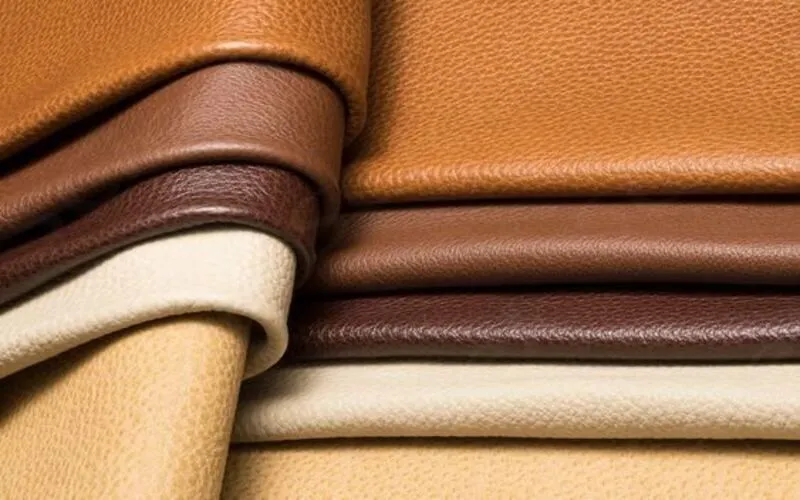
PU leather is one of the most popular types of leather for making bags today. With structure:
- Outer layer: Polyurethane coating (thickness 0.8-1.2mm)
- Middle layer: Cotton or polyester fabric base
- Inner layer: Adhesive layer creating bond
PU Leather Characteristics
2. Advantages of PU Leather in Bag Making
May Hop Phat highly values PU leather because:
- Waterproof: Perfectly protects contents inside
- Easy to clean: Just a damp cloth makes it clean
- Diverse colors: Over 200 different colors
- Reasonable price: Only 20-30% of genuine leather price
3. Disadvantages to Know
Among types of leather for making bags, PU leather has limitations:
- Short lifespan: 2-3 years of use
- Easy peeling: When exposed to strong friction
- Non-breathable: May create odor in bags
- Environmental impact: Difficult to decompose naturally
4. Lifespan and Usage
| Factor | Usage Time | Notes |
|---|---|---|
| Daily use | 1.5-2 years | With high intensity |
| Occasional use | 3-4 years | Well maintained |
| Decorative | 5-7 years | Little friction |
V. PVC Leather (Polyvinyl Chloride) – Economical and Practical
1. Characteristics of PVC Leather
PVC leather in types of leather for making bags is known for high economy. Outstanding features:
- Shiny surface: Creates modern appearance
- Absolutely waterproof: 100% waterproof
- Easy to clean: Just water and soap
- Low cost: Suitable for student budgets

Characteristics of PVC Leather
2. Comparison PU Leather vs PVC Leather
May Hop Phat detailed comparison:
| Criteria | PU Leather | PVC Leather |
|---|---|---|
| Softness | Soft, flexible | Harder, less flexible |
| Durability | 2-3 years | 1-2 years |
| Price | 30-50% higher | Cheapest |
| Eco-friendly | Relatively | Poor |
| Application | Fashion bags | Student, office bags |
3. Limitations of PVC Leather
- Low durability: Easy to crack, tear after 1-2 years
- Non-breathable: Creates unpleasant odor
- Health impact: May release toxic substances
- Non-recyclable: Causes environmental pollution
VI. Microfiber Leather – Modern Technology
1. Advanced Production Technology
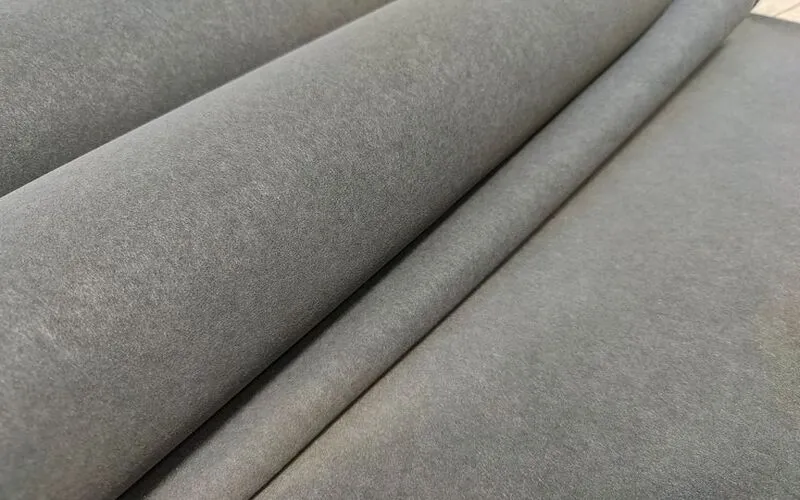
Microfiber leather is a new representative in types of leather for making bags with nano technology. Production process:
- Ultra-fine fibers: Diameter 100 times smaller than human hair
- 3D structure: Creates superior durability
- Surface treatment: Perfectly mimics genuine leather
- Finishing: Waterproof protective coating
Microfiber Leather
2. Superior Features
- High durability: 5 times PU leather
- Wear-resistant: Withstands 50,000 rubs
- Breathable: 80% improvement over PVC leather
- Perfect simulation: Hard to distinguish from genuine leather

superior microfiber leather
3. Applications in Premium Bags
May Hop Phat uses microfiber leather for:
- Office bags: High durability, good aesthetics
- Travel bags: Waterproof, lightweight
- Fashion bags: Diverse colors, styles
See also:
- How to sew mini bags to add skills for making small, convenient bags as gifts or accompanying accessories
- How to make laptop bags to master detailed steps and useful tips in professional bag making
VII. Vegan Leather – Green Revolution in Fashion
1. Pineapple Leaf Leather – Piñatex
Piñatex is creating a fever in sustainable types of leather for making bags:
- Origin: From waste pineapple leaves
- Properties: Soft like genuine leather
- Advantages: 100% natural, biodegradable
- Price: 20-30% higher than genuine leather
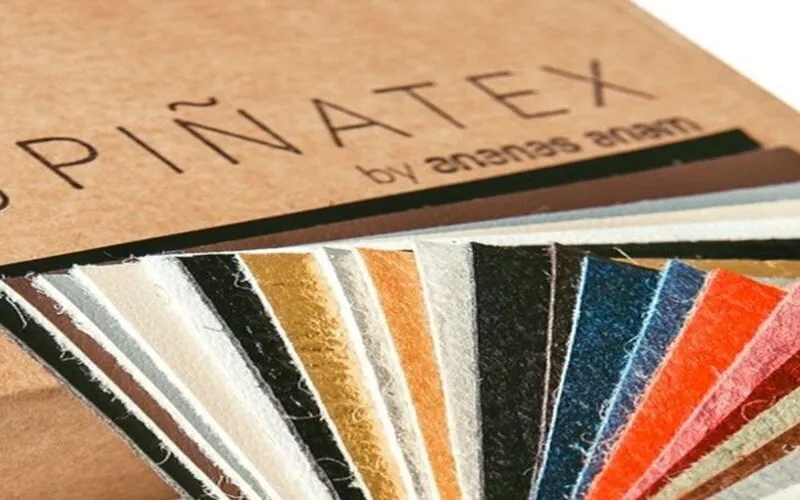
Pineapple Leaf Leather – Pinatex
2. Mushroom Leather – Mycelium Leather
Mushroom leather technology brings:
- Sustainability: Produced from mushroom roots
- Durability: Equivalent to genuine leather
- Production time: Only 2 weeks instead of 2 years
- Carbon footprint: 85% reduction compared to traditional leather

Mushroom Leather – Mycelium Leather
3. Apple Leather – Apple Leather
Apple leather in eco-friendly types of leather for making bags:
- Material: Apple peels waste from juice factories
- Features: Waterproof, UV resistant
- Applications: Fashion bags, accessories
- Market: 150% growth in 2024
4. Environmental Advantages
| Leather Type | CO2 Saved | Water Saved | Decomposition Time |
|---|---|---|---|
| Pineapple leather | 75% | 90% | 6-12 months |
| Mushroom leather | 85% | 95% | 3-6 months |
| Apple leather | 60% | 80% | 8-15 months |
VIII. Guide to Choosing Suitable Leather by Budget
1. Price Range for Leather Types
May Hop Phat divides types of leather for making bags by budget:
Premium segment (5-20 million VND):
- Grade A genuine cowhide
- Nappa sheepskin
- Genuine crocodile leather
Mid-range segment (1-5 million VND):
- Grade B cowhide
- Premium microfiber leather
- Premium vegan leather
Popular segment (300k-1 million VND):
- Good quality PU leather
- Premium PVC leather
- Improved synthetic leather
2. Long-term Cost Calculation
When calculating ROI (Return on Investment) for types of leather for making bags:
Cost/year = Purchase price / Lifespan (years)
Example:
- Genuine leather bag 8 million / 15 years = 533k/year
- PU leather bag 1.5 million / 3 years = 500k/year
- PVC leather bag 800k / 2 years = 400k/year
IX. Criteria for Choosing Bags by Purpose

1. Office Bags – Which Leather to Choose?
For office bags, suitable types of leather for making bags:
- Cowhide: Creates prestige, professionalism
- Microfiber leather: Balance price-quality
- Premium PU leather: Economical choice

Office Bags
Recommended colors: Black, brown, gray, navy
2. Casual Bags – Dynamic Trend
- PU leather: Diverse colors, styles
- Vegan leather: Shows “green” personality
- Suede leather: Vintage, personal style
3. Party Bags – Luxury
- Premium cowhide: Absolute luxury
- Sheepskin: Soft, delicate
- Metallic leather: Modern, attractive

Party Bags
X. How to Recognize Leather Quality
1. Visual Inspection
May Hop Phat guides to recognize quality types of leather for making bags:
- Grain: Genuine leather has natural, uneven grain
- Surface: PU/PVC leather has uniform surface
- Color: Genuine leather has natural tone, not too shiny
- Stitching: Even stitching, no excess
2. Test Softness and Elasticity
Testing method:
- Light press: Genuine leather has good elasticity, quick recovery
- Stretch: Quality leather does not deform
- Feel: Genuine leather is soft, not stiff
- Smell: Genuine leather has natural smell, fake leather has chemical smell
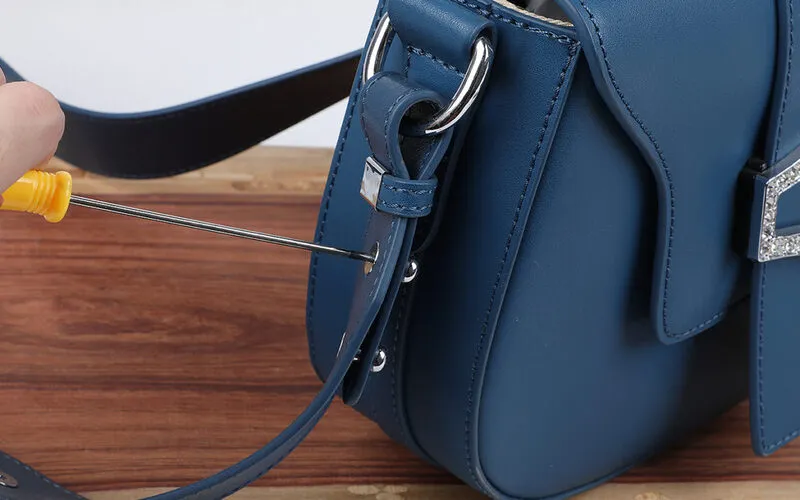
Test Softness and Elasticity
3. Distinguish Genuine and Fake Leather
| Feature | Genuine Leather | Fake Leather |
|---|---|---|
| Grain | Non-uniform | Repeating pattern |
| Softness | Soft, flexible | Stiff or too soft |
| Smell | Natural leather smell | Chemical, plastic smell |
| Price | Relatively high | Unusually cheap |
| Origin | Clear source | Unclear |
In conclusion, we have helped you clearly understand the characteristics and advantages/disadvantages of each material to help you invest properly in your desired bag. May Hop Phat hopes this article has provided useful knowledge about types of leather for making bags so you can make the smartest purchasing decisions. Please contact 0909.938.333 to have sales staff advise on diverse bag models for your business.