

 Tiếng Việt
Are you looking for professional how to sew travel bags techniques at home? Below, May Hop Phat shares expert guidance based on years of experience. With simple techniques and easily available materials, DIY travel bag sewing is no longer a challenge. By mastering basic steps, you’ll have your ideal bag for upcoming adventures.
I. Why Should You Sew Your Own Travel Bags?
1. Significant Cost Savings
DIY travel bag sewing brings clear economic benefits. You can save 60-70% of costs compared to buying branded bags.
| Bag Type | Ready-made Price | DIY Cost | Savings |
|---|---|---|---|
| Basic canvas bag | 800,000 VND | 200,000 VND | 75% |
| Synthetic leather bag | 1,200,000 VND | 350,000 VND | 71% |
| Premium nylon bag | 600,000 VND | 180,000 VND | 70% |
With high-quality materials, you can create a durable, beautiful bag with only initial investment in sewing tools and basic materials.
2. Customization According to Personal Needs
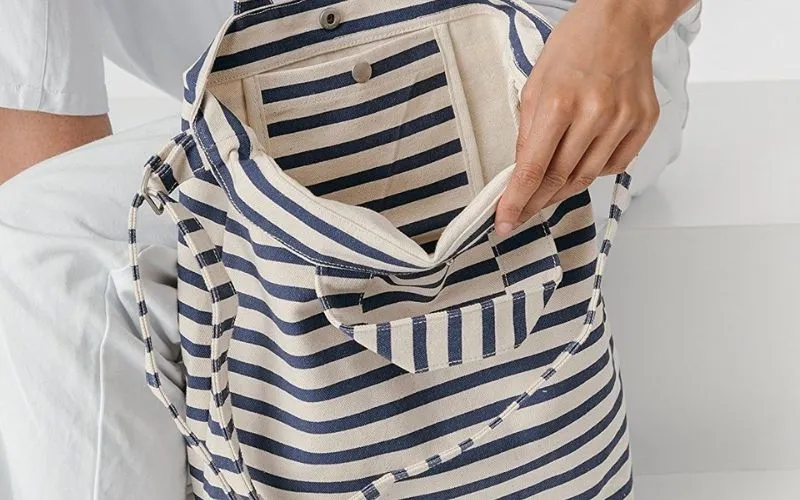
When sewing handmade bags, you have complete control over size design, number of compartments, and colors suitable for usage needs. This is especially useful because:
- Custom dimensions: Suitable for the type of luggage you typically carry
- Special compartments: Dedicated spaces for laptop, shoes, or wet items
- Personal style: Expresses your unique aesthetic taste
3. Controllable Quality
Unlike buying ready-made bags, sewing bags at home allows you to:
- Choose high-quality canvas fabric, cotton fabric, or leather materials
- Control every seam, ensuring optimal durability
- Use premium accessories like genuine zippers and sturdy straps

Controllable Quality
II. Preparing Materials for Sewing Travel Bags
1. Choosing Suitable Fabric
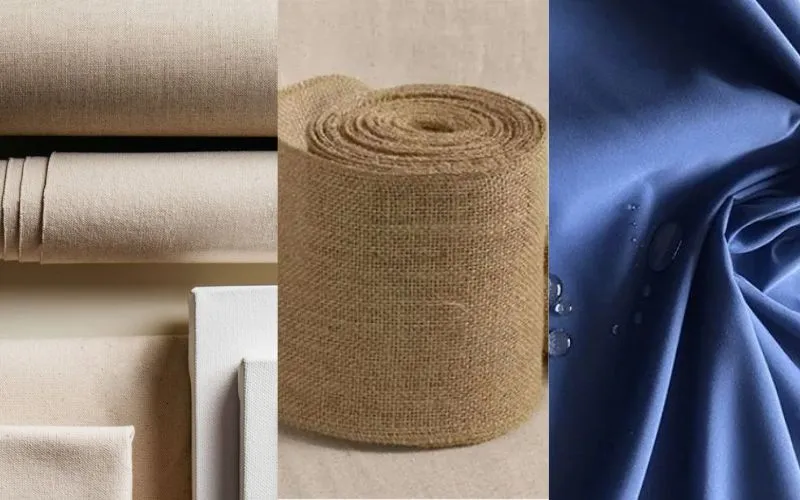
Material selection determines the durability and aesthetics of the bag. Below are fabric types recommended by May Hop Phat:
Canvas Fabric: This is the most popular fabric material for handmade travel bags. 12oz canvas fabric has ideal thickness and durability, easy to sew and maintains bag shape well. Especially, canvas fabric has light water resistance and effective stain resistance.
Cotton Fabric: With sturdy weave structure, cotton fabric provides the necessary firmness for travel bags. Natural cotton fabric is breathable, while synthetic cotton fabric has better water resistance.
Nylon Fabric (Ripstop Nylon): If prioritizing lightweight and absolute waterproofing, nylon fabric is the perfect choice. This fabric has special mesh structure that effectively prevents tearing.
2. Necessary Accessories
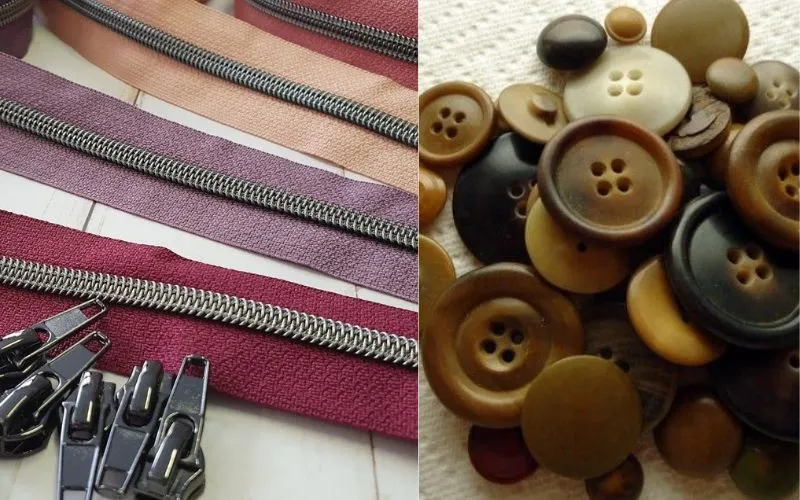
Zippers: Choose zippers with length from 40-60cm depending on bag size. Metal zippers are more durable than plastic zippers but heavier.
Straps: Straps should have width of 2.5-4cm to create comfort when carrying. Cotton straps are soft, nylon straps are durable, while leather straps are luxurious.
Buttons and hooks: These metal accessories help create highlights and increase functionality for bags.
3. Basic Sewing Tools
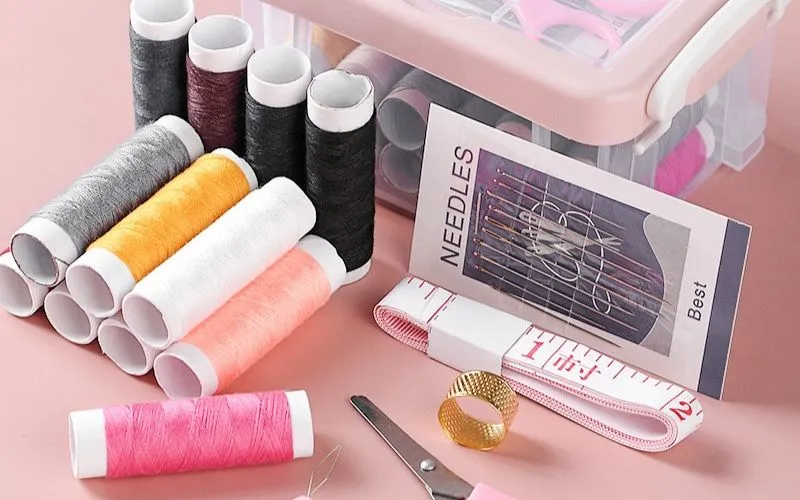
To sew travel bags effectively, you need to prepare the following sewing tools:
- Sewing machine (or can hand-sew with large needles)
- Thread and needles specialized for thick fabric
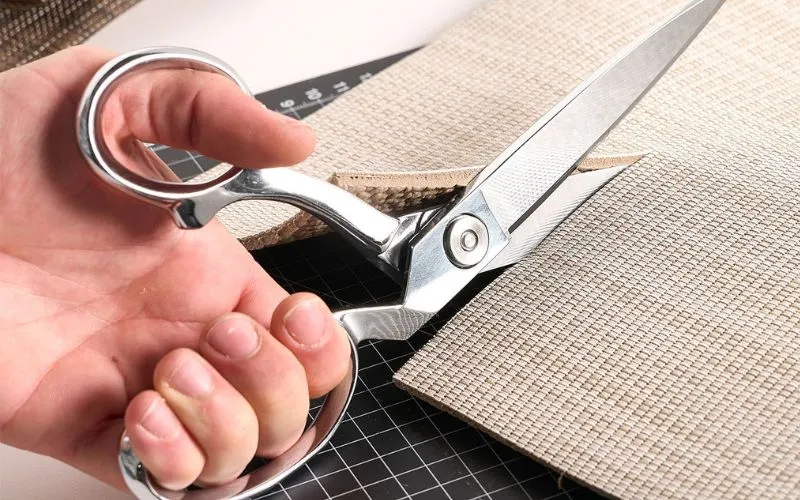
- Sharp fabric scissors
- Measuring tape and ruler
- Iron to create beautiful folds
- Pins and fabric marking pens
Basic Sewing Tools
III. Designing Travel Bag Patterns
1. Determining Bag Size
Bag size depends on usage purpose and travel duration:
Short-trip travel bag (20-30L):
- Dimensions: 35cm x 25cm x 20cm
- Suitable for 1-2 day trips
- Lightweight, easy to carry
Extended-trip travel bag (40-50L):
- Dimensions: 45cm x 30cm x 25cm
- Can hold 7-10 sets of clothes
- Has many practical side compartments
Fabric calculation formula: To cut fabric accurately, apply the formula: (Length + Height) x 2 + 10cm reserve.
2. Designing Storage Compartments
Main compartment: Occupies 70% of bag capacity, sewn with large zipper for easy access.
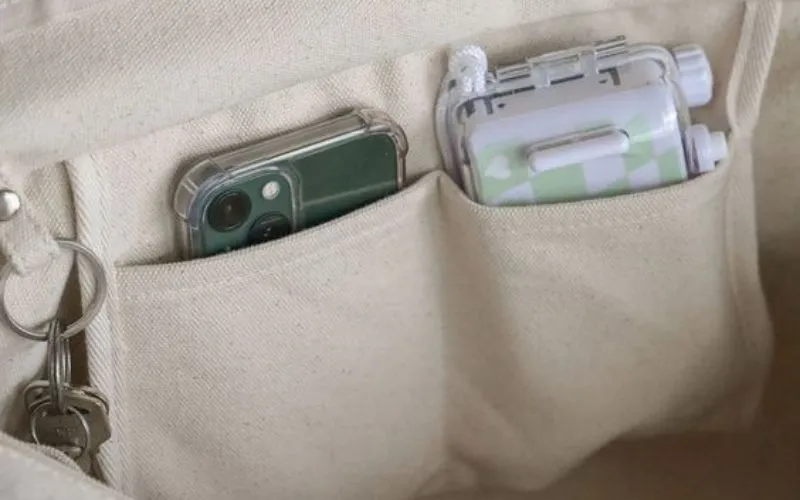
External side compartments: For items requiring quick access like phones, flight tickets, passports.
Special compartments:
- Shoe compartment: Has waterproof lining to separate from clothes
- Wet items compartment: Uses water-resistant fabric to store swimwear or wet clothes

Designing Storage Compartments
IV. Step-by-Step Travel Bag Sewing Process
1. Preparing and Sewing Side Compartments
First step: Prepare sewing machine with thread matching fabric color. For thick fabric, use needle number 16 or leather needles.
Sewing side compartments: Start with small internal compartments. Measure accurately attachment position and test sew before final sewing.
Attaching zippers: Be careful when sewing zippers into side compartments. Sew close to zipper groove for smooth zipper operation.

2. Sewing Main Bag Body
Joining fabric pieces: Sew the front, back, and two side fabric pieces of the bag in order. Use straight stitch with density of 2-3mm per stitch.
Sewing bag bottom: This is the most load-bearing part, needs double stitching or zigzag stitching to increase durability. Corners need to be cut into diamond shapes to create 3D form for bag.
Creating bag shape: Turn bag inside out and iron the seams to create beautiful folds.

3. Finishing the Bag
Attaching straps: Measure appropriate strap length for your reach. Sew firmly the strap attachment point to bag body, can additionally sew reinforcement fabric pieces.
Sewing bag mouth edge: Fold fabric edge inward 1-2cm and sew a beautiful edge line. This is also the final step to attach main zipper.
Quality check: Check all seams, trim excess thread, and test that zippers work well.

V. Useful Tips When Sewing Travel Bags
1. Increasing Bag Durability
Double stitching technique: At load-bearing positions like strap attachment points and bag corners, double stitch or additionally sew reinforcement fabric pieces.
Waterproofing treatment: Can spray waterproofing solution on fabric surface after finishing bag. Or sew lining with water-resistant fabric inside special compartments.
Reinforcing stress points: Use bartack technique (reinforcement stitching) at bag handle attachment points and zipper ends.
2. Optimizing Usage Functions
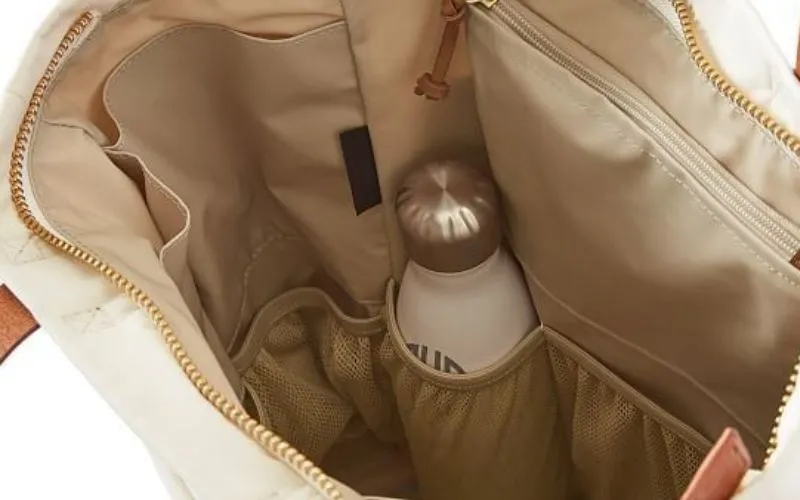
Smart compartment design: Internal compartments can additionally sew small mesh fabric bags to store cosmetics or small personal items.
Lightweight bag tips: Instead of using foam padding, can use thin fabric layers to reinforce while still maintaining light weight.
Creating expandability: Sew folds on two sides of bag to expand capacity when needed.