

 Tiếng Việt
How to Sew Mini Bags Handmade: 3 Cute Styles for Beginners
How to sew mini bags handmade is becoming a beloved trend, especially for those just starting to learn sewing. Based on years of experience in fashion bag making, Hop Phat shares 3 simple mini bag styles, helping you create meaningful handmade gifts with just basic materials. Discover the details below to create cute and unique bags!

I. Preparing Materials and Tools
1. Essential Basic Materials
To begin your journey in sewing mini bags handmade, you need to prepare the following materials:
Suitable fabrics for mini bags:
- Canvas fabric: Thick, durable, easy to sew and holds shape well
- Cotton fabric: Soft, absorbent, suitable for cosmetic bags
- Felt fabric: Warm, diverse colors, ideal for decorative bags
| Fabric Type | Advantages | Disadvantages | Suitable For |
|---|---|---|---|
| Canvas | Durable, holds shape well | Slightly stiff | Daily use bags |
| Cotton | Soft, breathable | Wrinkles easily | Cosmetic bags |
| Felt | Warm, many colors | Prone to pilling | Decorative bags, keychains |
Thread and colors: Choose thread in similar or contrasting colors with fabric to create highlights. Polyester thread is more durable than cotton thread, but cotton thread is softer and more natural.
Essential accessories:
- Mini zippers (3-15cm depending on design)
- Cotton or paracord drawstrings
- Metal or plastic snap buttons
- Handmade labels to mark your work
2. Essential Sewing Tools
Basic tool set:
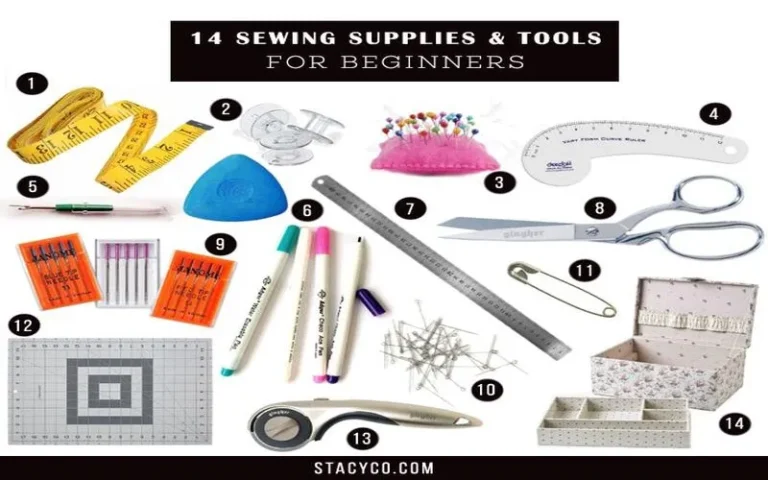
- Sewing needles: Choose size 9-11 needles for regular fabric, size 14-16 needles for thick fabric
- Fabric scissors: Sharp blade, specialized for fabric
- Measuring tape: 30cm metal ruler or tape measure
- Fabric marker: Fabric pencil or tailor’s chalk
- Pins: Hold fabric in place when sewing
- Cutting mat: Protects surface when cutting fabric
3. Tips for Economical Material Shopping
Reputable shopping locations:
- Traditional fabric markets: Affordable prices, direct viewing
- Sewing accessory stores: Diverse, guaranteed quality
- Online shopping: Convenient but need to pay attention to actual colors

Reputable Shopping Locations
How to calculate fabric quantity: For a mini bag size 10x12cm, you only need about 0.3 meters of fabric. However, buy an extra 20% in case of cutting mistakes or wanting to make additional bags.
II. First Style: Simple Drawstring Mini Bag
1. Design and Dimensions
Drawstring mini bag is the perfect choice for beginners learning how to sew mini bags. With a simple but extremely convenient design, this bag can be used to:
- Store earphones, charging cables
- Contain small jewelry
- Make sachets for wardrobes
- Give as gifts to friends

Drawstring Mini Bag
Standard size: 10cm x 12cm (not including drawstring section)
2. Step-by-Step Fabric Cutting Guide
Pattern preparation steps:
- Draw a 12cm x 16cm rectangle on paper
- Add 1cm for seam allowance
- Place pattern on fabric, secure with pins
- Draw cutting line with fabric marker
Standard fabric cutting technique:
- Use sharp scissors, cut decisively in one go
- Keep fabric straight, don’t let it shrink
- Cut 2 identical pieces of fabric
Note: If you want a lined bag, cut 2 more pieces of different colored fabric in the same size.
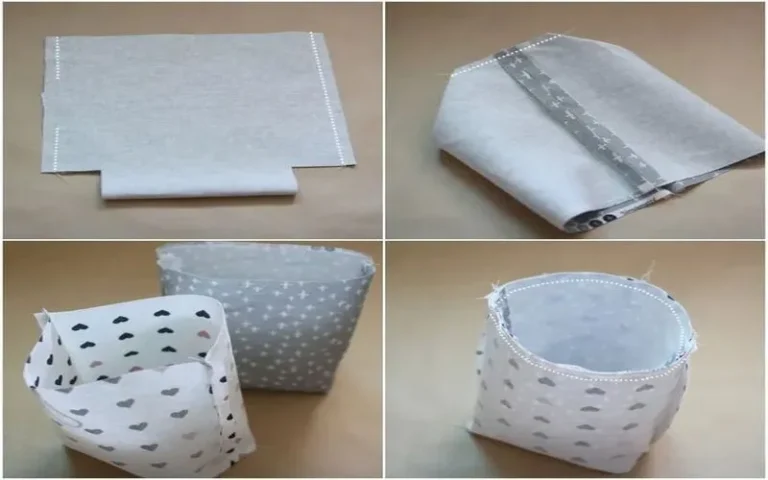
3. Detailed Sewing Process
Step 1: Prepare and arrange fabric Place 2 pieces of fabric with wrong sides facing each other, align edges evenly. Use pins to secure 3 sides, leaving top edge for bag opening.
Step 2: Sew bag body
- Sew straight line 1cm from fabric edge
- Use simple stitch or sewing machine
- Stitching must be firm and even
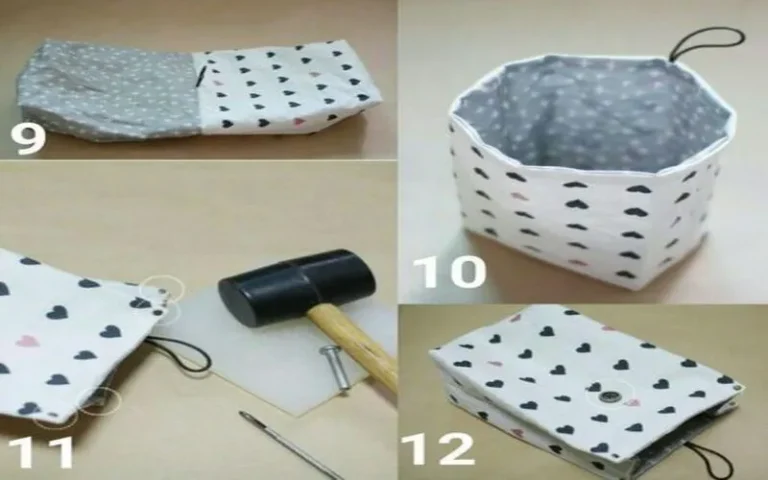
Step 3: Create casing for drawstring Fold bag opening edge down 2cm, iron flat. Sew stitching line 0.5cm and 1.5cm from folded edge to create channel for threading cord.
Step 4: Thread cord and finish Use large needle or small bamboo skewer to thread cord through channel. Knot both ends of cord to prevent slipping.
4. Important Notes
Common mistakes:
- Crooked seam: Due to not keeping fabric straight when sewing
- Drawstring stuck: Channel too narrow
- Bag distorted: Not aligning fabric edges from the start
Detailed Sewing
See also:
- Experience opening supermarket bag factory for comprehensive insights from material selection to professional sewing techniques
- Types of leather for bag making possess unique characteristics, suitable for different purposes and price ranges
III. Second Style: Mini Zippered Bag
1. Characteristics and Applications
Mini zippered bag provides more professionalism and convenience compared to drawstring bags. With a sturdy zipper, this is an excellent choice for:
- Storing change, ATM cards
- Containing lipstick, moisturizer
- Making mini wallets for children
- Giving as accompaniment to larger gifts
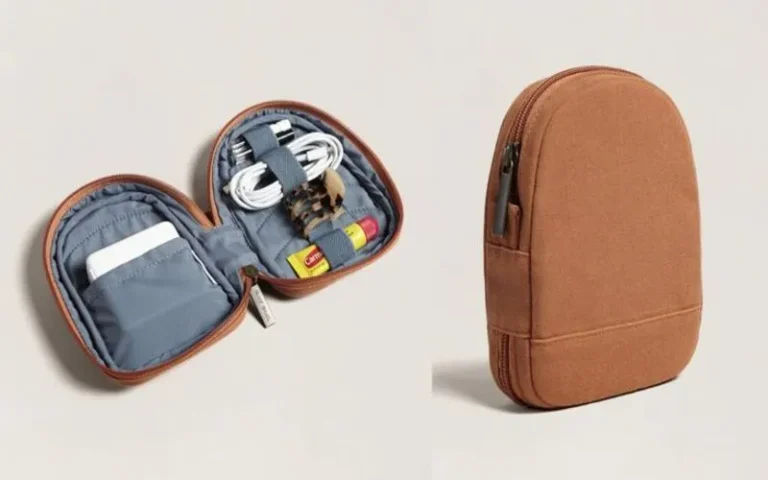
Mini Zippered Bag
Ideal size: 8cm x 10cm
2. Detailed Preparation for Zippered Bag
Choosing suitable zipper:
- Nylon zipper: Light, soft, suitable for fabric bags
- Metal zipper: Durable, beautiful but heavier
- Zipper length: 8-10cm for mini bags
Calculating fabric dimensions:
- Front panel: 9cm x 11cm
- Back panel: 9cm x 11cm
- Includes 0.5cm seam allowance
3. Step-by-Step Sewing Instructions
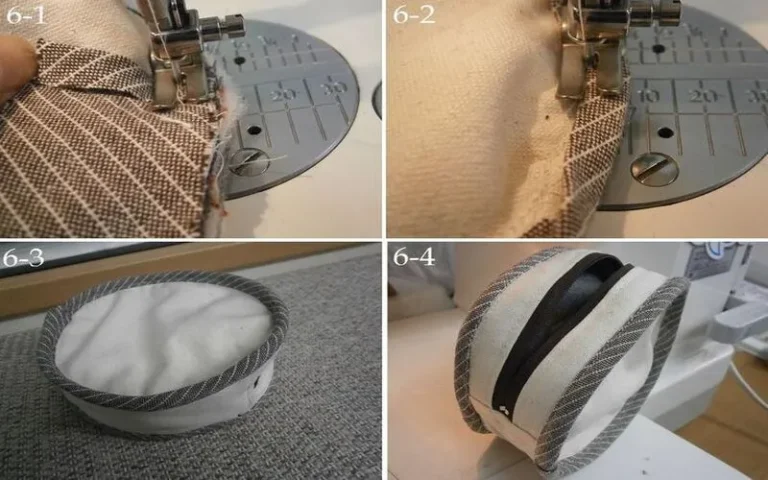
Step 1: Attach zipper to fabric Place zipper face down on fabric edge, sew to secure. This is the most important step, needs to be done slowly and carefully.
Step 2: Sew basic bag Place 2 fabric sides facing each other, sew 3 remaining sides. Remember to open zipper halfway before sewing to easily turn bag later.
Step 3: Create beautiful bag corners Pull bag corner into triangle shape, sew across 1cm from corner tip. Cut off excess fabric.
Step 4: Finish and check Turn bag right side out, check zipper operates smoothly. Iron flat all folds.
IV. Third Style: No-Sew Mini Bag
1. Outstanding Advantages
Not everyone has a sewing machine at home, but that doesn’t mean you can’t create beautiful mini bags. How to sew mini bags by hand even brings many benefits:

- Save investment in machinery
- High concentration, relaxing mind
- Creative freedom anytime, anywhere
- Results still durable and beautiful if done correctly
2. Basic Hand Stitching Techniques
Simple effective stitches:
- Running stitch: Strong, suitable for bag body
- Blanket stitch: Beautiful, used for bag edges
- Hidden stitch: Thread not visible from outside
How to keep stitching straight:
- Use ruler to measure distance from fabric edge
- Draw guide line with fabric marker
- Stitch slowly, evenly
Shaping and Finishing
3. Detailed Step-by-Step Implementation
Step 1: Cut and prepare fabric Cut 2 rectangular pieces of fabric 9cm x 12cm. If you want thickness, can add lining layer with thin felt.
Step 2: Hand stitch according to pattern Start from one corner, stitch along drawn outline. Each stitch 2-3mm apart to ensure firmness.
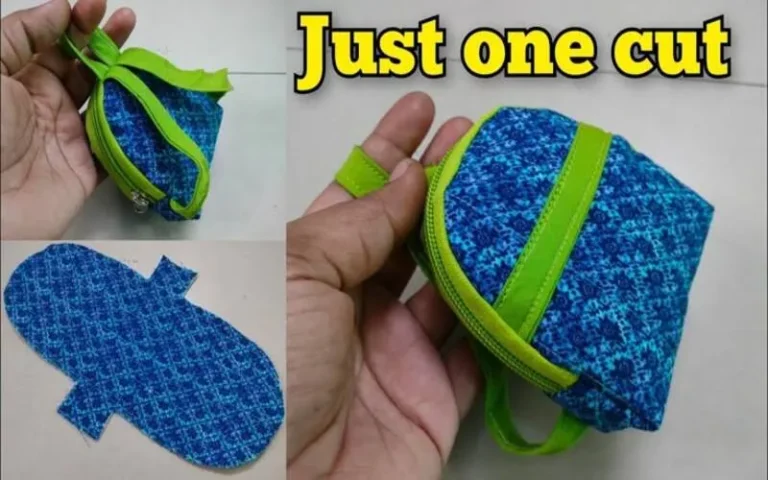
Step 3: Shape and finish After stitching 3 sides, turn bag right side out. Use pen tip or small bamboo skewer to push bag corners straight.
Step 4: Decorate and personalize This is when you can add special details like:
- Embroider name or small patterns
- Attach decorative buttons
- Add mini strap
V. Useful Tips and Advanced Techniques
1. How to Decorate Mini Bags Beautifully
Simple embroidery patterns: Even if you don’t know complex embroidery, you can still create beautiful patterns by:
- Embroidering small hearts
- Creating different colored edges
- Embroidering initials
Creative accessory decoration:
- Natural wooden buttons for vintage style
- Small bells create cheerful sound
- Silk ribbons create feminine touch
2. Preserving and Using Bags Durably
How to wash fabric bags correctly:
- Soak in cold water with little soap
- Wash gently by hand
- Dry in well-ventilated place, avoid direct sunlight

Washing Fabric Bags
Preserve to avoid fading:
- Store in fabric bag when not in use
- Avoid placing with dark colored items
- Periodically sun lightly to kill bacteria
3. Creative Variations from Basic Designs
Change size appropriately:
- Super mini bag 5x7cm: Store medicine, candy
- Medium bag 12x15cm: Store basic cosmetics
- Large bag 15x20cm: Store small documents
Combine multiple fabric colors: Experiment with combining 2-3 fabric colors in one bag. Example: blue front, white back, yellow trim.
May Hop Phat has shared complete knowledge from basic to advanced about handmade crafts. With 3 detailed bag styles, you can confidently start your creative journey. Practice today to master how to sew mini bags most professionally. If you’re interested in bag models to supply to the market, call hotline 0909.938.333.