

 Tiếng Việt
Discover the professional guide to sewing fabric bags designed for those passionate about creativity and wanting quality handmade products. From choosing suitable fabrics to straight-line sewing techniques, every detail is clearly presented and easy to apply even for beginners. Let’s join May Hop Phat to learn how to choose and handle each fabric type.
I. Why Should You Sew Your Own Fabric Bags?
1. Significant Cost Savings
How to sew simple bags at home helps you save a considerable amount of money.
Instead of spending 200,000-500,000 VND on a ready-made bag, you only need to invest about 50,000-80,000 VND for materials and can sew 2-3 different bags.

2. Creative Freedom According to Personal Style
The best thing about sewing bags at home is that you can freely choose:
- Favorite colors
- Unique patterns
- Suitable sizes
- Personalized styles
3. Environmentally Friendly
Handmade fabric bags are becoming a sustainable trend in 2025. Instead of using harmful plastic bags, you contribute to environmental protection by reusing old fabric scraps into useful products.
II. Preparing Materials and Tools for Bag Sewing
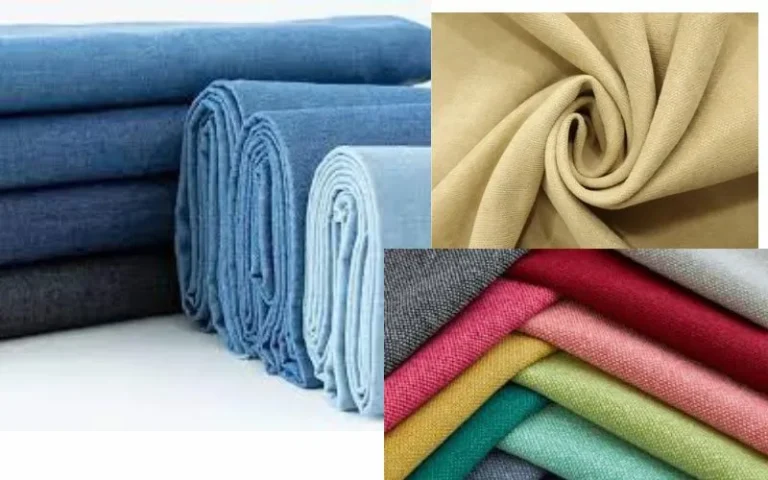
1. Choosing Suitable Fabrics
Comparison table of popular fabrics:
| Fabric Type | Advantages | Disadvantages | Suitable For |
|---|---|---|---|
| Cotton | Soft, easy to sew, breathable | Wrinkles easily, shrinks | Personal item bags |
| Canvas | Durable, holds shape well | Somewhat stiff, difficult to sew | Tote bags, school bags, travel bags |
| Denim | Very durable, stylish | Thick, requires special needles | Shoulder bags, laptop bags |
| Felt | Easy to cut, no hemming needed | Fades easily | Decorative bags, small pouches |
2. Necessary Tools
Basic tool list:
| Basic Information | Details |
|---|---|
| Completion time | 30-60 minutes |
| Difficulty | Easy – Medium |
| Cost | 50,000 – 100,000 VND |
- Sewing machine (or can hand-sew)
- Sharp fabric scissors
- Measuring tape and ruler
- Fabric pins
- Thread matching fabric color
- Mini iron
- Pattern paper
3. Calculating Fabric Amount
To sew a simple tote bag sized 35x40cm, you need:
- Main fabric: 80cm x 45cm
- Lining fabric: 80cm x 45cm (optional)
- Straps: 100cm x 8cm
III. Guide to Sewing Simple Fabric Tote Bags
1. Design and Fabric Cutting
The first step in this fabric bag sewing tutorial is creating an accurate pattern:
Fabric cutting dimensions:
- Bag body: 37cm x 42cm (x2 pieces)
- Straps: 52cm x 8cm (x2 strips)
- Bag opening trim: 37cm x 6cm (x2 pieces)
Tips for accurate fabric cutting:
- Always leave extra 1-2cm for seam allowance
- Use a ruler to ensure square corners
- Cut along the fabric grain to prevent stretching
2. Preparing Lining and Stiffening
If you want the bag to be stiffer and hold its shape better, you can:
- Attach interfacing to the wrong side of fabric
- Use canvas fabric as lining
- Iron all fabric pieces flat before sewing
3. Sewing the Bag Body
Detailed sewing steps:
- Pin two fabric pieces with right sides facing together
- Sew straight lines 1cm from edge on both sides and bottom
- Create bag bottom corners by:
- Opening out the bag bottom
- Pinching corners into triangles
- Sewing across to create flat bottom
4. Making and Attaching Straps
Technique for sewing sturdy straps:
- Fold strap fabric strip in half lengthwise
- Sew edge 0.5cm from edge
- Turn right side out and iron flat
- Attach straps to bag body at even spacing
5. Finishing Bag Opening
Final step of how to sew bags at home:
- Fold bag opening edge inward 2cm
- Sew edge to secure
- Check and trim excess threads
- Iron entire bag to create neat creases
IV. Guide to Sewing Other Bag Styles

1. How to Sew Simple Shoulder Bags
Handmade shoulder bags differ from tote bags in:
- Longer straps (120-140cm)
- Can add zippers or snap buttons
- Design fits body more closely
2. Sewing Trendy Box-Style Bags
Box bag characteristics:
- Square, sturdy form
- Needs stiffening with interfacing or plastic shaping
- Suitable as cosmetic bags or gift bags

3. Simple Drawstring Bags
Sewing drawstring bags is an excellent choice for beginners:
- No need to sew complex straps
- Can make various sizes
- Suitable for shoes, sports gear
V. Tips and Professional Bag Sewing Techniques
1. Creating Straight and Even Seams
Secrets from May Hop Phat:
- Use presser foot guide on sewing machine
- Maintain steady sewing speed
- Regularly check and adjust
2. Handling Common Problems
Troubleshooting table:
| Problem | Cause | Solution |
|---|---|---|
| Thread breaks | Dull needle or thread too tight | Replace needle, adjust thread tension |
| Crooked seams | Rushing, no guide | Sew slower, use ruler |
| Fabric wrinkles | Not ironed before sewing | Iron fabric flat before each step |
3. Decorating Bags After Sewing
Creative decoration ideas:
- Embroider names or favorite patterns
- Attach buttons in contrasting colors
- Apply stickers waterproof
- Tie ribbons on straps
VI. Practical Experience
1. 2025 Fabric Bag Trends
Hot trend colors:
- Brat Green
- Cherry red
- Mocha brown
- Lavender purple
Popular styles:
- Oversized tote bags
- Unisex crossbody bags
- Bags with charm decorations
- Square box-form bags
2. From Hobby to Business
May Hop Phat encourages you to turn your handmade bag sewing hobby into income:
Getting started:
- Calculate costs and profits
- Take beautiful product photos
- Sell on online platforms
- Build personal brand
Effective business tips:
- Create diverse designs
- Focus on seam quality
- Listen to customer feedback
- Update trends regularly
Sewing fabric bags is not just a useful skill but also a way to express creativity and love for the environment. With the detailed fabric bag sewing guides that May Hop Phat has shared, you can confidently create unique and meaningful handmade products.
Start with simple designs, then gradually improve your skills step by step. Don’t hesitate to experiment with different fabrics, colors, and styles. Each bag you sew carries its own story and the love you put into it for the recipient. Good luck and success with your first handmade products!