

 Tiếng Việt
Denim fabric is a strong twill-woven fabric made entirely from cotton. Denim fabric is created by weaving many white and indigo-colored threads together, with indigo threads running lengthwise and white threads running crosswise.

In addition, denim fabric is also combined with polyester or lycra fibers to create a fabric type with shrink and wrinkle resistance.
Traditional denim fabric has a blue color thanks to indigo dye. The density of denim fibers in this fabric type is particularly high, leading to an overall stiff feel.
Denim fabric is one of the most applied and produced fabric materials in the world.
History of Denim Fabric
The term “denim” originates from the fabric “serge de Nimes,” invented in the city of Nimes, France. Since the late 18th century, they were dyed with indigo to create the blue color used to produce blue “jeans.”
Denim fabric has been used since the 17th century. The origin of this fabric type can be traced back to the 1800s when mining workers needed a durable fabric. Levi Strauss (an entrepreneur) and Jacob Davis (a tailor) collaborated to make denim pants made from extremely durable cotton fiber fabric and reinforced with rivets at critical points to extend their lifespan.

In the 1930s, Hollywood used denim fabric as costumes in cowboy films and brought them to the screen. And from then on, the image of cowboys has always been associated with dusty, individualistic denim outfits.
Denim became a fashion icon in the 1950s, symbolizing the rebellion of the young generation. Today, almost everyone in the world owns a denim item.
Production Process of Denim Fabric
Cotton harvesting, ginning, and baling are the first steps in the denim fabric production process. The bales are then separated into small bags, then put into production. Rough carded cotton is then cut into small pieces, woven in spinning machines to create yarn.
Then, the yarn is dyed, usually with indigo dye, to give it the denim blue color. The colored threads and white threads will be cross-woven together to create denim fabric.

Finally, removing loose threads, fabric lint, and rolling the fabric into rolls and taking it to production to make denim clothing and accessories. After that, the finished denim fabric is wrapped into a roll of fabric ready for shipment.
How to Identify Denim Fabric
Denim fabric is a durable, strong fabric, cross-woven in a shuttle pattern with white threads running horizontally and indigo threads running vertically, creating diagonal lines on the denim fabric surface. Therefore, to identify denim fabric, carefully observe the fabric surface.
To identify denim fabric, besides looking at the fabric surface, we can observe the two sides of the fabric. Regular denim fabric always has one blue side and one white side.
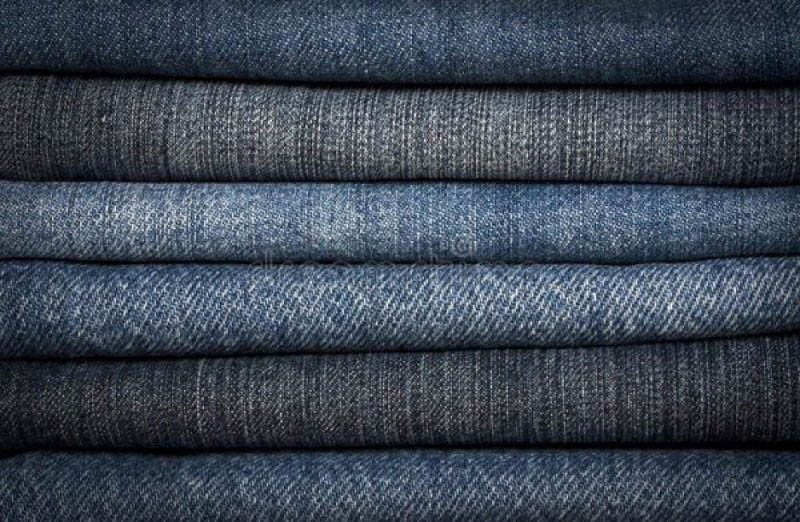
This is also a characteristic that helps buyers distinguish quality denim fabric among the fabric types flooding the market today.
Advantages and Disadvantages of Denim Fabric
Traditional denim fabric is usually blue, but today, there is a more diverse range of denim fabric colors. Denim is highly rated due to advantages such as durability, high breathability, and difficulty fading. However, denim fabric still has some limitations such as little stretch and slow drying.
Advantages of Denim Fabric
- High durability: Double-woven denim fabric is extremely strong. Products from denim fabric have a long lifespan. According to some customer reviews, if preserved properly, clothing made from denim fabric can be worn for up to ten years without fading, wearing, or tearing.
- Easy preservation: To preserve denim fabric, just keep them away from places with high humidity. You can hang them on coat hangers or fold them neatly into drawer compartments.
- Create fashion style: We can create dusty, fashionable street outfits from denim fabric. Denim clothing always brings a healthy and confident feeling.
- High breathability: Denim fabric is very breathable, providing the wearer with a comfortable feeling, not stuffy, and effectively absorbing sweat.
- Color fastness: Even after many uses, the fabric still looks like new, contributing to increasing the aesthetic value of clothing.
- Difficult to wrinkle: Denim fabric has excellent wrinkle resistance. This is due to the method of combining polyester fibers and weaving them with cotton fibers in the traditional way, which helps the fabric not shrink, so the fabric will also wrinkle or crease less.
Disadvantages of Denim Fabric
Besides the above advantages, denim fabric still has some disadvantages such as slow drying and low elasticity.
- Long drying time: Because denim is a thick fabric, after each wash, it takes a lot of time for the fabric to dry completely. If the temperature is too low or humidity is too high, the fabric will easily develop an odor.
- Low elasticity: Although there are still components that help increase the fabric’s elasticity, because cotton accounts for the majority, the fabric has low elasticity, so it is not suitable for making sportswear.
Applications of Denim Fabric in Life
We can easily see the image of denim fabric in life such as clothing, skirts, accessories, interior furniture, and even in art fields, paintings.
Denim Fabric in Garment Manufacturing
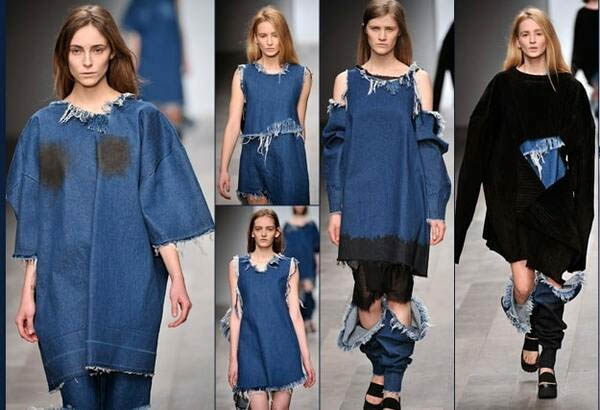
Denim fabric is most widely applied in garment manufacturing. Denim fabric is used to produce clothing that can be worn in all four seasons, especially long pants. In addition, denim fabric is used to produce garments such as:
- Denim jackets
- Denim skirts
- Shirts
- Denim fabric shoes
Denim fabric is also used to sew and produce accessories such as bags, denim backpacks, belts, etc.
Clothing made from denim fabric always brings a dusty, rugged look for men and a rebellious, individualistic look with a bit of playfulness for women.
Denim Fabric in Interior Decoration
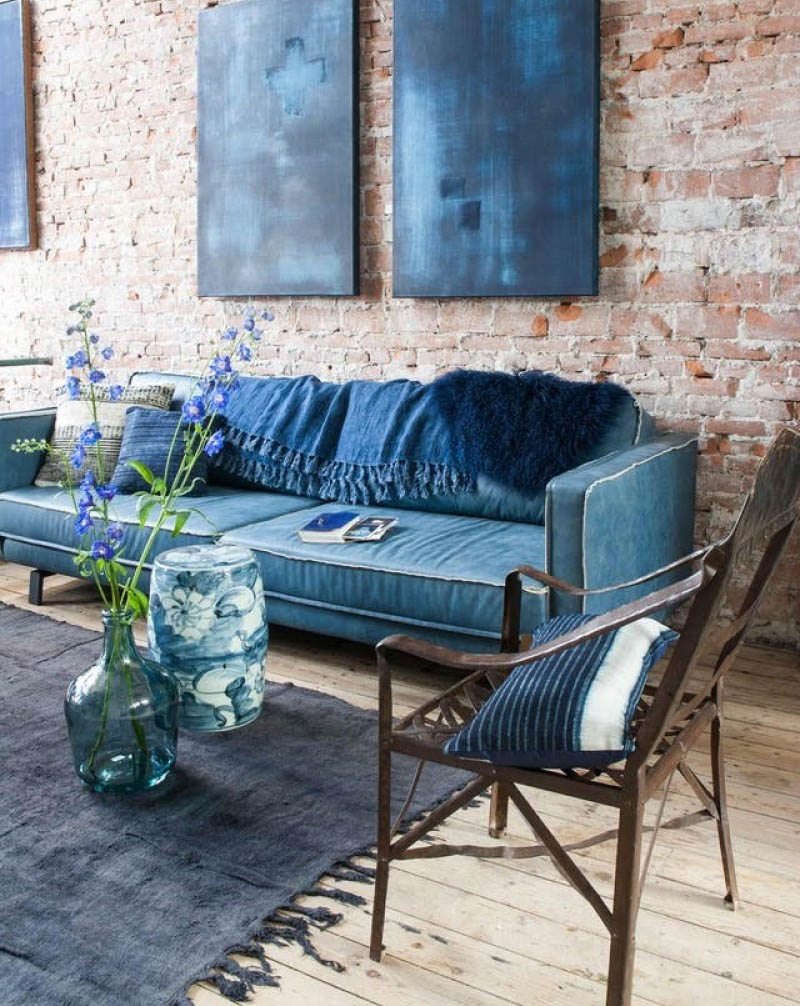
Denim fabric is not only used in garment manufacturing, fashion but also in interior design due to its durable material and attractive, long-lasting color. Denim fabric is often used in products such as lamp shades, sofa covers, pillow covers, etc.
Other Applications of Denim Fabric
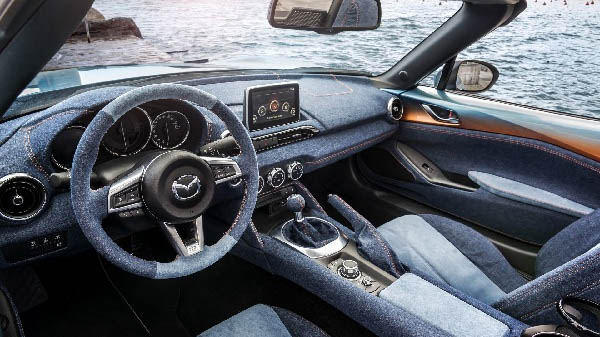
Besides fashion and interior design, we can also see the appearance of denim fabric in some other fields such as car decoration materials, painting materials, etc.
How to Clean and Preserve Denim Fabric
Denim fabric is easy to preserve, but if you don’t know how to clean and preserve it, the fabric’s usage time will not be long, the color will fade quickly, and it will lose its shape quickly.

How to Clean Denim Fabric
- Turn the inside out before washing: Before washing denim clothing, you should turn the inside out and don’t forget to pull the shirt zipper, pants zipper.
- Limit using hot water and dryers: Hot water and dryers can damage the shape of denim clothing because the fabric easily stretches and fades when exposed to heat.
- Wash denim fabric with cold water: Denim fabric prefers cold. Washing with cold water will help maintain the shape and color of denim clothing, garments.
- Use liquid detergent instead of powder detergent: Because the surface of denim fabric is slightly rough, powder soap will quickly stick to the fabric when in contact with the fabric. Clothes will not be cleaned if machine washed. Therefore, you should use liquid detergent for easy dissolution and no detergent residue on clothes.
- Wash separately: Denim, although highly durable, will lose color after each wash. Therefore, while washing denim, avoid washing together with light-colored clothes.
- Use fabric softener: Denim fabric is inherently stiff, using fabric softener will help the fabric surface become softer, not worn, causing a dry, stiff feeling for the wearer.
How to Preserve Denim Fabric

- Don’t wash denim clothing frequently: If washed too many times, it can cause the fabric to lose color and lose the fabric’s shine. Soaking new denim items in diluted salt water for about 1-2 hours, then washing clean and washing again after 1 week will help keep the fabric durable.
- Dry clothes properly: Denim has the characteristic of drying slowly, taking longer than other materials. Therefore, denim is usually dried in dry, airy conditions, avoiding direct sunlight. Denim will still retain its color, elasticity, and not rot.
Classification of Denim Fabric Types
Depending on the fiber weaving technique, the ratio of fabric fiber components, and fabric dyeing technique, denim is divided into 9 types of denim fabric.
Dry Denim Fabric
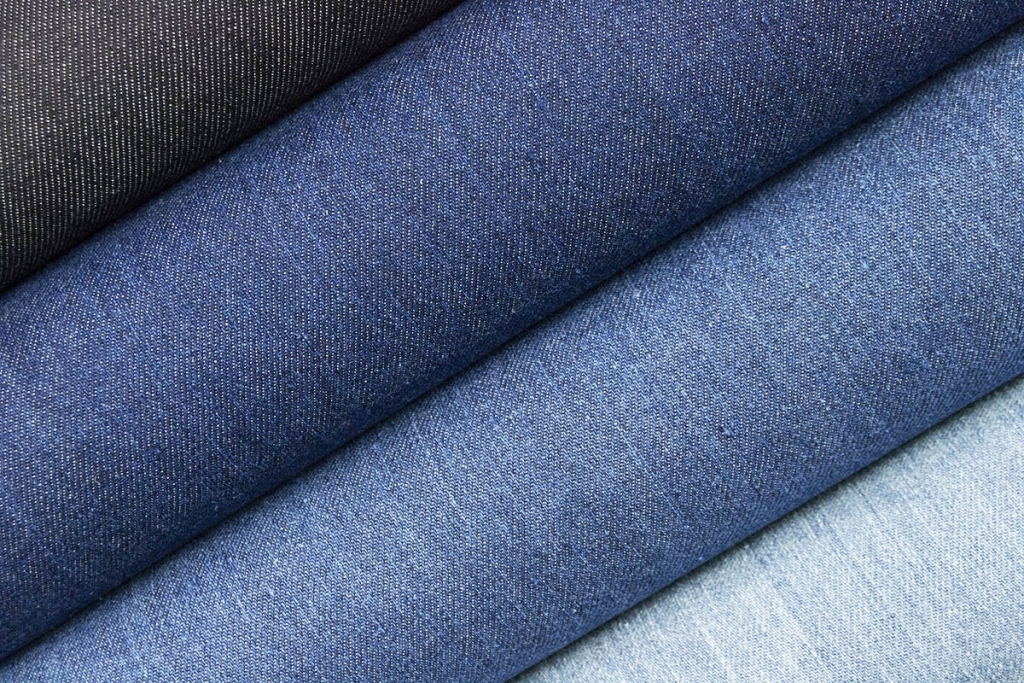
Dry denim fabric is the type of fabric that has been dyed dark blue but has not been washed. So clothing made from this fabric will fade when washed. This is why many people don’t like this type of denim fabric because they fear the fabric will lose color, fade, and lose shape when used.
Raw Denim Fabric
Raw denim fabric is the type of fabric that has not been washed after dyeing. This fabric usually has a dark blue color; this is an almost original color, without change. Clothing made from raw denim is usually rigid, quite heavy.

Selvedge Denim Fabric
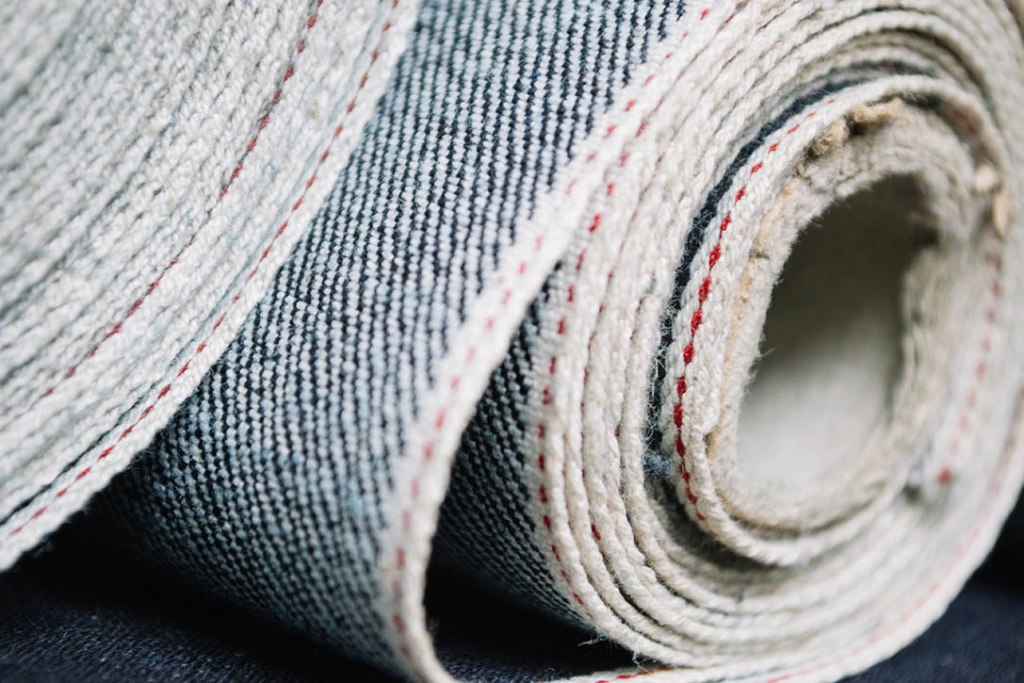
Selvedge denim fabric is edge-sewn denim fabric. This type of denim fabric is usually characterized by white stripe edges at the selvage. This fabric part will be sewn along the seam line of the garment body. Selvedge denim fabric is considered the highest quality and most durable denim type today.

100% Cotton Denim Fabric
100% cotton denim fabric is the fabric type made entirely from cotton with two different colors, blue and white. After weaving, classic denim fabric usually has a sea blue color. Because this traditional fabric type has many similarities with jeans, from color to material, it is sometimes called denim jean fabric.

Poly Denim Fabric
Poly denim fabric is the fabric type for those who like the color of denim but prefer polyester fabric because poly can wash and dry quickly, lighter weight, and makes the body look more proportionate. Poly denim fabric is often used to produce skinny jeans.

Stretch Denim Fabric
Stretch denim fabric is denim fabric with 98% cotton and 2% spandex. The spandex component will help you move easily and flexibly. At the same time, it helps the hip and thigh area feel more comfortable, not tightly pressed against the body.
Thin Denim Fabric
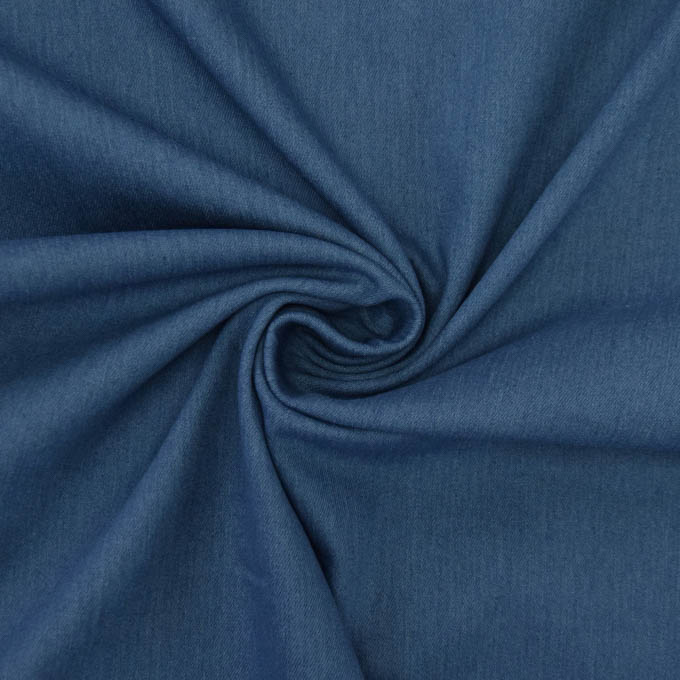
Thin denim fabric is a fairly light fabric, this is the thinnest fabric among denim fabric types. Denim fabric is often used to produce denim clothing for children.

Cotton Denim Fabric
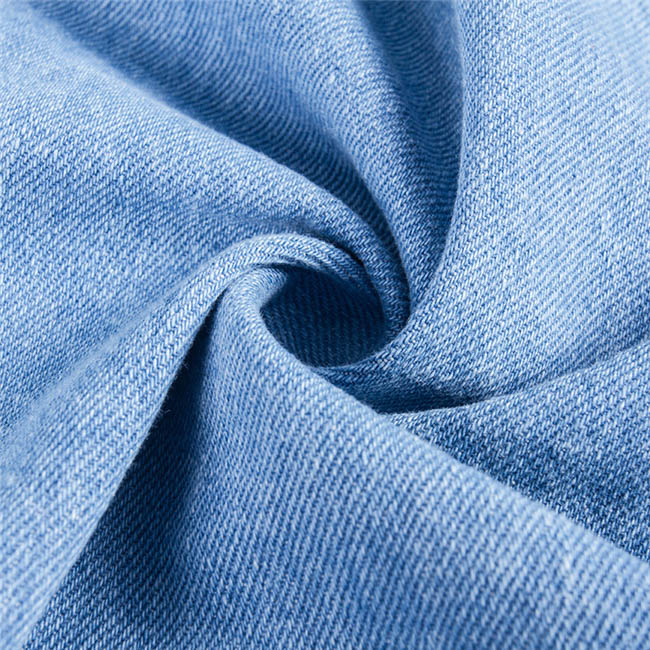
Cotton denim fabric is denim fabric made from cotton. Cotton fibers are woven crosswise. Cotton denim fabric has high breathability, good durability.
Japanese Denim Fabric
Japanese denim fabric is the type of denim fabric rated as having the best quality today. The denim material here is first class. They are special thanks to being woven from old-style looms. Woven quite tightly, the edge part is wrapped tightly, when sewing, there is no need for complicated edge wrapping.
How to Choose Denim Clothing?
When choosing denim clothing, the first thing to consider is fit. They must fit you and make you feel most comfortable when wearing.
Denim fabric doesn’t have much flexibility, so wearing denim items that are too small will make you feel uncomfortable and not comfortable when moving. Conversely, denim that is too loose will make you feel sloppy, cumbersome. Therefore, when it comes to denim, the most important thing is fit.
Second is choosing denim clothing suitable for your budget. There are high-end, high-quality denim clothing brands, such as Levis.
But there are also lower-priced denim items with no less diversity than high-end denim. However, there are also cheap denim clothing with poor quality, just wearing a few times and it fades or sheds fibers, tears.
Where to Buy Denim Fabric in HCMC?
Denim fabric is an extremely common fabric type that can be easily found anywhere. However, finding quality denim fabric is not easy.
You can buy denim fabric at the largest wholesale fabric markets in HCMC such as Soai Kinh Lam fabric market, Tan Binh fabric market, Phu Tho Hoa fabric market, etc.
If you want to ensure the best denim fabric quality, you can buy at establishments, stores specializing in selling fabric, fabric import-export.
Is Denim Fabric Hot?
Denim fabric has breathability so when worn it does not bring a hot, stuffy feeling. However, depending on each type of denim fabric, the breathability is different.
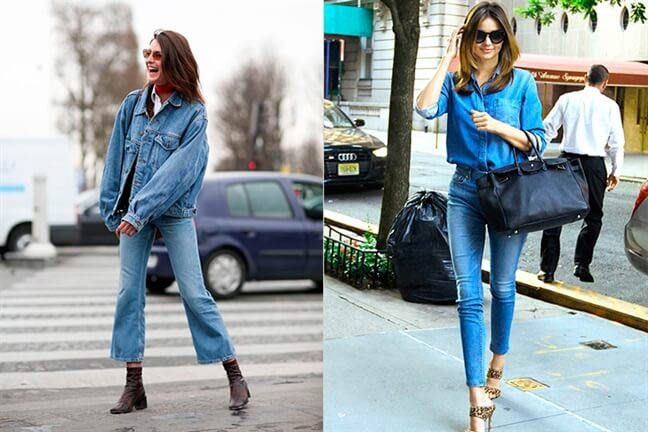
In summer, you should choose cotton denim fabric, stretch denim fabric, thin denim fabric for easy movement, mobility. While in winter, you should prioritize denim fabric with thickness like raw denim fabric to keep warm.
How Much Does Denim Fabric Cost?
The price of denim fabric will depend on each type of denim fabric.
- Stretch denim fabric: 50,000 VND/meter
- Poly denim fabric: 55,000 VND/meter
- 100% cotton denim fabric: 65,000 VND/meter