

 Tiếng Việt
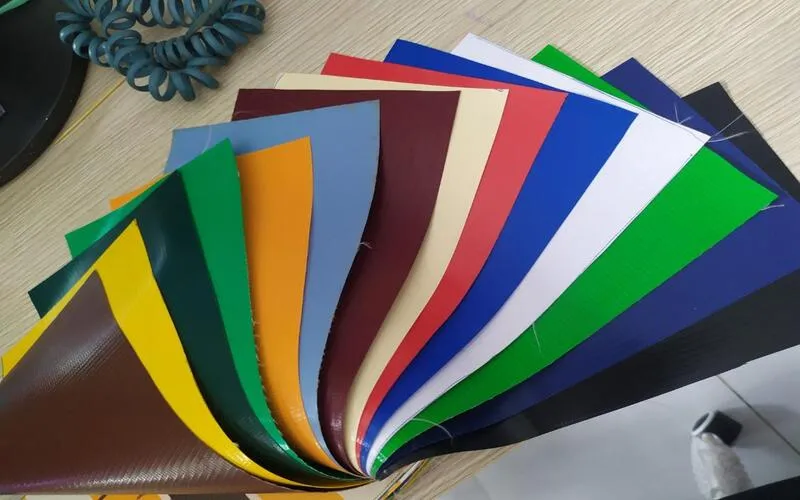
Parachute fabric for backpack manufacturing is a high-tech material widely used in the modern bag manufacturing industry. May Hợp Phát will provide a comprehensive guide for sewing industry professionals, backpack manufacturers, and DIY enthusiasts.
Through this, you will master the technical characteristics of parachute fabric types, appropriate selection criteria for each purpose, and specialized techniques to create durable and beautiful products that meet high-quality standards.
I. Common Types of Parachute Fabric for Backpack Production
1. Polyester Parachute Fabric
Polyester parachute fabric is one of the most popular choices for backpack production thanks to its excellent balance between cost and performance. This material stands out with:
- High mechanical durability: Withstands tensile force, compression force, and good abrasion resistance
- Moisture resistance capability: Does not absorb water, dries quickly after water contact
- Reasonable price: Lower production costs compared to nylon while still ensuring quality
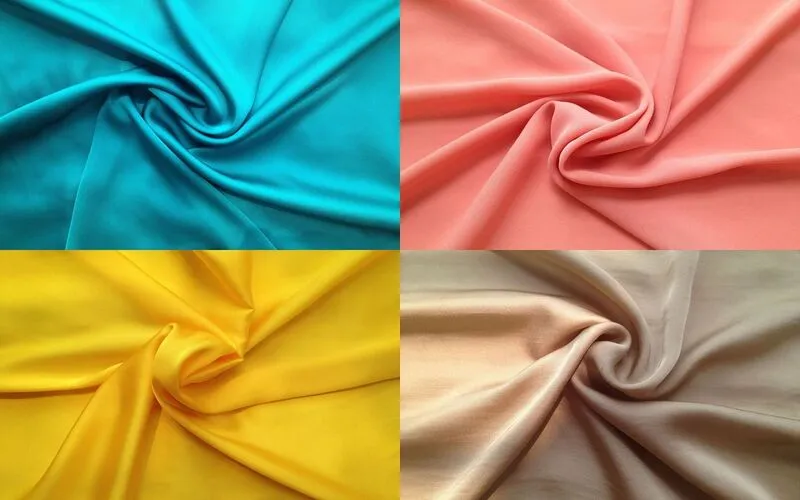
Common polyester fabric codes for folding backpack manufacturing include 600D, 900D, 1200D, and 1680D. Among these, 600D fabric is commonly used for student backpacks, while 1680D is for premium travel backpacks requiring high durability.
Polyester parachute fabric is particularly suitable for everyday backpacks, laptop bags, and sports backpacks thanks to its good shape retention and easy processing.
2. Nylon Parachute Fabric
Nylon parachute fabric is a premium fabric line in the parachute fabric family with many outstanding advantages:
- Extremely high durability: Superior to polyester in load-bearing capacity
- Lighter weight: 15-20% lighter than polyester at the same thickness
- Good elasticity: Less wrinkling and better shape recovery capability

Compared to polyester, nylon has a higher price but provides commensurate value through durability and weight. Nylon parachute fabric is commonly used to manufacture specialized backpacks for trekking, mountain climbing, and professional outdoor activities.
3. Oxford Parachute Fabric
Oxford parachute fabric with its special weaving structure creates unique characteristics:
- Smooth fabric surface: High flatness and softer touch feeling
- Good waterproof capability: Especially after PU or PVC coating
- High aesthetics: Beautiful surface, suitable for premium products

Oxford fabric is produced in various codes from 210D to 1680D depending on usage needs. This fabric type is commonly applied in fashion backpack lines, business backpacks, and premium backpacks thanks to its luxurious appearance.
4. Ripstop Parachute Fabric
Ripstop fabric with its special reinforced structure is an excellent choice for products requiring high durability:
- Anti-tear technology: Reinforced fibers woven in square patterns create superior tear resistance
- Light weight: Lighter than conventional fabric with the same durability
- High flexibility: Easy to fold and store without wrinkling
Ripstop fabric is commonly used in areas bearing large loads in backpacks such as the bottom, straps, or for the entire backpack when weight reduction is needed while ensuring durability.
Comparison Table:
| Fabric Type | Durability | Weight | Waterproof Capability | Price | Suitable Applications |
|---|---|---|---|---|---|
| Polyester | Good | Medium | Fair | Low-Medium | Student backpacks, everyday backpacks |
| Nylon | Very Good | Light | Good | High | Travel backpacks, trekking, mountain climbing |
| Oxford | Fair | Medium | Very Good | Medium | Fashion backpacks, business backpacks |
| Ripstop | Excellent | Very Light | Good | High | Specialized backpacks, ultra-light backpacks |
II. Technical Specifications of Parachute Fabric
1. Thickness (Denier) and Its Meaning
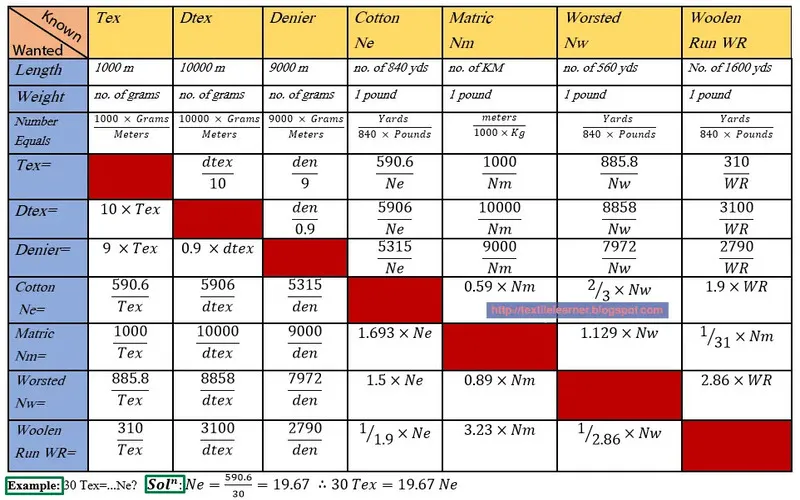
The Denier (D) parameter is the most important index when evaluating parachute fabric. It measures fiber density and directly affects the fabric’s durability, weight, and feel.
- 210D-420D: Thin, light fabric, suitable for lining layers or small compartments
- 600D-900D: Balance between durability and weight, suitable for student and office backpacks
- 1000D-1200D: High durability, used for travel backpacks, sports backpacks
- 1680D and above: Extremely durable, used for specialized backpacks, industrial backpacks
Choosing the appropriate Denier helps optimize the balance between product durability and weight. Higher thickness provides greater durability but also increases weight and cost.
2. Coating Technology and Surface Treatment
Parachute fabric is often treated with special surfaces to enhance technical characteristics:
- PU (Polyurethane) Coating:
- Creates a thin, flexible membrane on the fabric surface
- Effectively increases waterproof capability
- Maintains fabric softness
- PVC (Polyvinyl Chloride) Coating:
- Creates a thicker, harder coating than PU
- Absolute waterproof capability
- Increases durability and abrasion resistance
- Reduces softness, increases weight

- DWR (Durable Water Repellent) Technology:
- Creates a water-repellent surface without reducing breathability
- Water forms droplets and slides off the fabric surface
- Lighter than PU and PVC
- UV Protection Treatment:
- Prevents ultraviolet rays from damaging fabric fibers
- Minimizes fading when used outdoors
- Extends product lifespan
3. Durability and Load-Bearing Capacity
Fabric durability is evaluated through various technical parameters:
- Tensile strength: Measures load-bearing capacity before breaking
- 600D fabric: 40-50kg/cm²
- 1200D fabric: 70-90kg/cm²
- 1680D fabric: 100-120kg/cm²
- Abrasion resistance: Friction resistance capability
- Measured by number of rotations before fabric wears out
- Nylon > Polyester > Common fabrics
- Expected lifespan:
- Frequent use: 3-5 years with 600D, 5-7 years with 1200D
- Light use: Can extend beyond 10 years with high-quality parachute fabric
III. How to Choose Appropriate Parachute Fabric for Each Backpack Type
1. Travel and Outdoor Backpacks
Travel and outdoor backpacks have specific technical requirements:
- Can withstand large weight: Must often contain many heavy items
- High durability: Use in harsh conditions, frequent friction
- Good waterproof capability: Protect belongings in bad weather conditions

Most suitable parachute fabric for this segment:
- Nylon Ripstop 1000D-1680D with double PU coating
- Polyester 1200D-1680D with PVC coating for cheaper backpack lines
- Oxford 1680D with PU coating for premium, luxurious travel backpacks
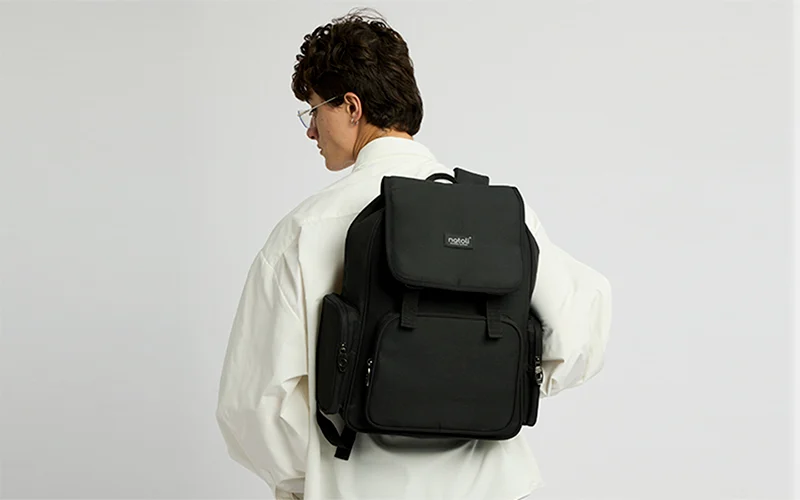
2. Student Backpacks
Student backpacks require balance among multiple factors:
- Reasonable price: Suitable for students’ financial capabilities
- Moderate durability: Only needs to withstand the weight of books and laptops
- Aesthetics: Diverse design and colors, suitable with trends
Suitable parachute fabric:
- Polyester 600D-900D with PU coating: Balance between cost and durability
- Oxford 600D: Beautiful appearance, suitable for premium student backpacks
- Polyester 300D-420D: For light, simple backpack lines
3. Fashion Backpacks
For fashion backpacks, aesthetic factors play a decisive role:
- Beautiful fabric surface: Bright, even colors, good touch feeling
- High flatness: Creates standard form, no wrinkles
- Color retention capability: Does not fade after usage time
fashion backpack
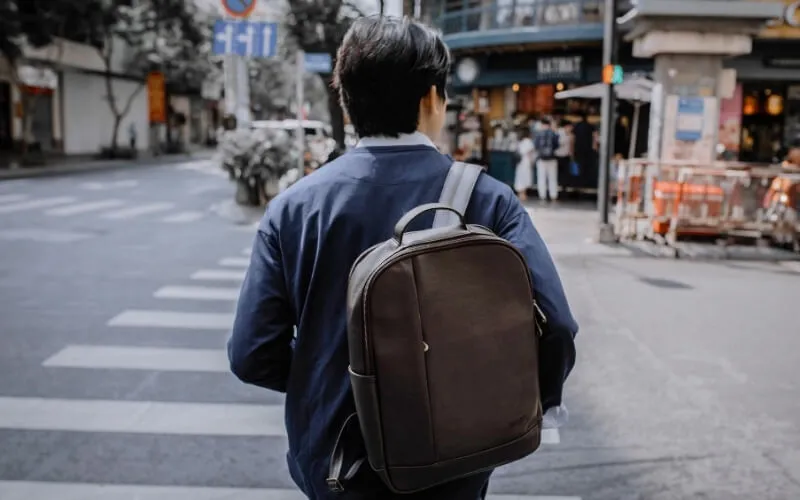
Combining parachute fabric with other materials like leather, canvas, or denim creates unique accents for backpack lines.
IV. Sources of High-Quality Parachute Fabric Supply
1. Domestic Suppliers
Vietnam’s parachute fabric market is developing strongly with many reputable suppliers:
- Technical fabric centers in HCMC: District 5, District 10
- Ninh Hiep market area, Hanoi
- Large technical fabric distributors in Da Nang
Domestic parachute fabric has significant advantages:
- Fast delivery time
- Easy direct quality inspection
- Good technical support
- Competitive prices for small quantities

Reference prices (2025):
- 600D fabric: 25,000-35,000 VND/m
- 1200D fabric: 45,000-60,000 VND/m
- 1680D fabric: 70,000-90,000 VND/m
2. Imported Parachute Fabric
Imported parachute fabric brings many diverse choices from major producing countries:
- China: Diverse types, competitive prices
- South Korea: High quality, especially for premium fabric types
- Taiwan: Famous for good waterproof technical fabric
- Japan: Extremely durable parachute fabric, advanced technology
V. Parachute Fabric Sewing Techniques
1. Specialized Tools and Equipment
Sewing parachute fabric requires specialized tools to ensure seam quality:
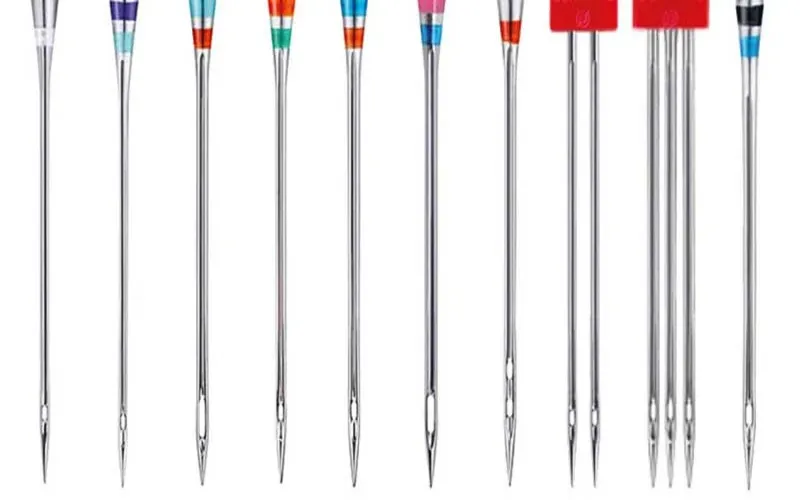
- Appropriate sewing needles:
- Needle size 16-18 for thin fabric (210D-420D)
- Needle size 19-21 for medium fabric (600D-900D)
- Needle size 22-24 for thick fabric (1200D and above)
- Round-tip or semi-round-tip needles to reduce thread breakage
- Specialized sewing thread:
- High-strength polyester thread
- 210D/3 thread for thin fabric
- 210D/6 thread for thick fabric
- Silicon-coated thread for better waterproof capability
- Industrial sewing machines:
- High-speed 1-needle industrial sewing machine
- 3-5 thread overlock machine for firm seams
- Cotton padding machine for lining layer (if any)
- Zigzag machine for special details
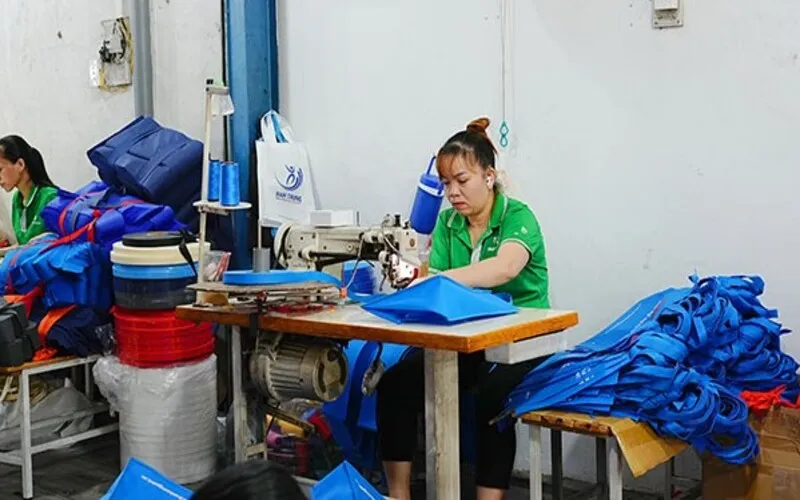
2. Notes When Sewing Parachute Fabric
Sewing parachute fabric has specific techniques to note:
- Cutting edge treatment:
- Use specialized fabric cutting scissors or laser cutting machine
- Process edges with overlock machine or use heat tape
- Avoid letting cutting edges directly contact tensile force
- Technique for sewing corners and complex details:
- Reduce sewing speed when reaching corners
- Use special presser feet for thick fabric
- Use specialized needles for overlapping fabric layers
- Waterproof coating treatment:
- Avoid making too many needle holes in a small area
- Use waterproof tape for important seams
- Apply waterproof treatment to needle holes after sewing