

 Tiếng Việt
Complete Guide to Durable Backpack Straps for Sewing
Do you know that to create a durable and sturdy backpack, backpack straps must be carefully selected? Strap durability determines load-bearing capacity and backpack lifespan. May Hợp Phát will analyze common strap materials like Polyester, Nylon, Cotton, and how to check quality to ensure your products always meet standards.
I. Common Types of Backpack Straps
Understanding the characteristics of each strap type will help you make the most suitable choice for your project. Let’s explore in detail the popular materials today.
1. Polyester Straps
Polyester is one of the most commonly used materials for backpack straps thanks to its balance between cost and quality.
Characteristics and Advantages:
- High durability, excellent abrasion resistance
- No shrinkage or stretching when exposed to water
- Good UV resistance
- Diverse colors and patterns

Application Range: Polyester straps are suitable for most backpack types, from student backpacks, travel backpacks to sports backpacks. This is a safe choice if you don’t have much experience in backpack sewing.
Price and Durability:
- Price: 15,000 – 30,000 VND/meter (depending on width)
- Average lifespan: 3-5 years of regular use
2. Nylon Straps
If you need straps with superior load-bearing capacity, nylon is the ideal choice.
Characteristics and Advantages:
- Extremely high durability, load-bearing capacity about 30% better than polyester
- Good elasticity, less fraying after use
- Natural water resistance
- Lightweight compared to load-bearing capacity

Application Range: Nylon straps are especially suitable for travel backpacks, hiking backpacks, or backpacks requiring heavy load-bearing. Professional backpack brands often prioritize nylon straps for premium products.
Price and Durability:
- Price: 25,000 – 50,000 VND/meter
- Average lifespan: 5-8 years
3. Cotton Straps
Cotton is a natural material providing soft, comfortable feel when in contact with skin.
Characteristics and Advantages:
- Skin-friendly, non-irritating
- Good sweat absorption
- Natural, approachable feel
- Environmentally friendly

Application Range: Cotton straps are commonly used for fashion backpacks, fabric bags, or children’s backpacks. However, they shouldn’t be used for backpacks requiring heavy loads or use in harsh weather conditions.
Price and Durability:
- Price: 20,000 – 35,000 VND/meter
- Average lifespan: 2-3 years
4. Polypropylene Straps
Polypropylene (PP) is an economical choice with significant advantages in durability and chemical resistance.
Characteristics and Advantages:
- Lightest weight among strap types
- Unaffected by mild acids and alkalis
- Good mold resistance
- Low production cost
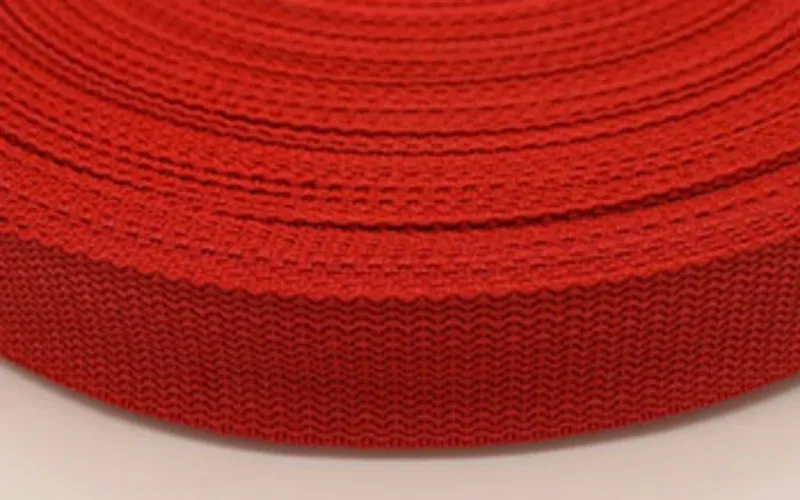
Application Range: PP straps are commonly used for inexpensive backpacks, promotional backpacks, or products requiring cost optimization. Also very suitable for backpacks used in mild chemical environments.
Price and Durability:
- Price: 10,000 – 20,000 VND/meter
- Average lifespan: 2-4 years
Additionally, drawstrings made from fabrics like nylon, polyester, or cotton are crucial for drawstring backpack production in factories.
II. Criteria for Choosing Quality Backpack Straps
Selecting the right strap doesn’t stop at material choice. You need to consider many other factors to ensure the final product meets usage requirements.
1. Appropriate Size and Width
Strap width directly affects comfort and weight distribution capability.
| Width | Suitable Backpack Type | Load Capacity | Comfort Level |
|---|---|---|---|
| 20mm | Small backpacks, fabric bags | Low (<5kg) | Moderate |
| 25mm | Student backpacks | Medium (5-8kg) | Good |
| 38mm | Travel backpacks | High (8-15kg) | Very Good |
| 50mm | Professional backpacks | Very High (>15kg) | Excellent |
How to Determine Appropriate Width:
- Children’s backpacks: 20-25mm
- Student, laptop backpacks: 25-38mm
- Travel backpacks: 38-50mm
- Hiking, military backpacks: 50mm and above
Note: Straps that are too wide can cause entanglement and sewing difficulties, while straps that are too narrow won’t adequately distribute weight and cause shoulder pain during extended use.
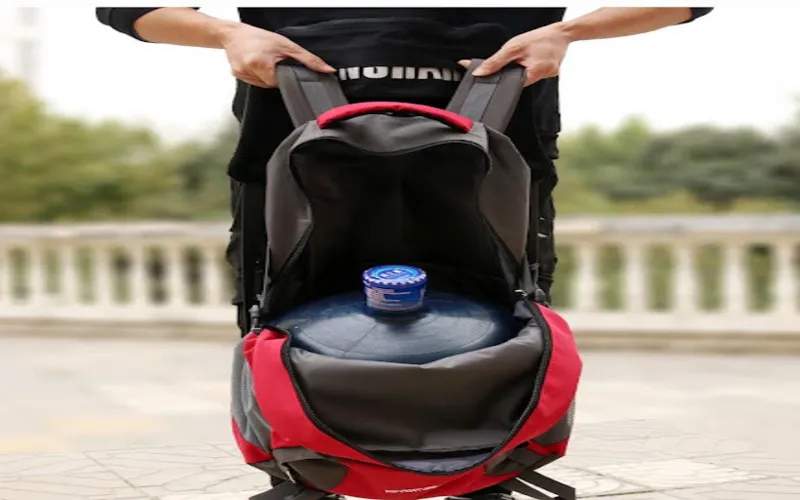
2. Durability and Load-Bearing Capacity
Strap durability is evaluated through various criteria.
Load-Bearing Index:
- Regular polyester straps: 50-80kg
- Nylon straps: 80-150kg
- Polypropylene straps: 40-60kg
- Cotton straps: 30-50kg
How to Check Durability:
- Visual inspection: Observe stitching, thickness and weave structure
- Simple mechanical test: Stretch strap and evaluate elasticity
- Professional testing: Use tensile testing machine
Average Lifespan: Besides material, strap lifespan depends on:
- Frequency of use
- Usage environment (temperature, humidity, UV exposure)
- Weight regularly endured
- Quality of sewing and end treatment
3. Aesthetics and Color
Aesthetic factors play important roles, especially in fashion products.
Strap Color Coordination with Backpack:
- Contrast: Creates highlights, suitable for sports backpacks, children’s backpacks
- Matching color: Refined beauty, suitable for office backpacks, laptop bags
- Patterns: Creates individuality, suitable for fashion backpacks

Current Color Trends:
- 2023-2025: Pastel colors, neon colors, gradient patterns
- For office backpacks: Neutral colors (black, gray, navy)
- For sports backpacks: Neon colors, high contrast colors
Strap Dyeing Techniques:
- Pre-weave dyeing: Most colorfast
- Post-weave dyeing: More color diversity
- Heat transfer printing: Creates complex patterns
4. Usage Comfort
Ergonomic straps are increasingly emphasized, especially in premium product lines.
Ergonomic Characteristics:
- Straps with curves fitting shoulders
- Even weight distribution capability
- Wide contact points, reducing shoulder pressure
Anti-Pain Shoulder Design:
- Shoulder padding 8-15mm thick
- S-shaped strap structure
- Auxiliary chest and waist strap systems

Sweat-Wicking Capability:
- Breathable mesh lining
- Ventilation channels between strap and backpack
- Absorbent material or high moisture-wicking capability
III. Professional Backpack Strap Sewing Techniques
After understanding strap types and selection criteria, we’ll explore sewing techniques – the factor determining final product quality.
1. Necessary Tools and Materials
For professional backpack strap sewing, you need to prepare these tools:
Sewing Tool List:
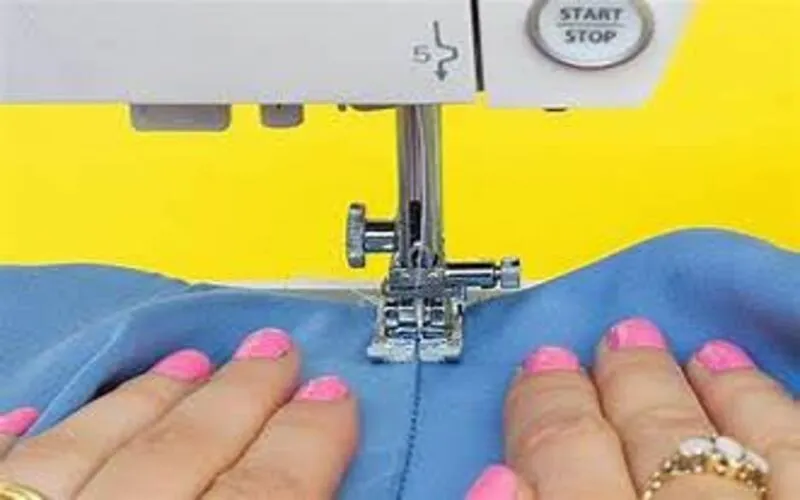
- Industrial or heavy-duty home sewing machine
- Needle size 16-18 (for thick fabrics)
- Sharp fabric scissors
- Measuring tape
- Tailor’s chalk or fabric marking pen
- Fabric clips
- Iron

Supporting Materials:
- Main strap (appropriate type selected)
- Padding lining (EVA foam or PE foam)
- Inner lining fabric (usually breathable mesh or soft fabric)
- Specialized sewing thread (high-durability nylon or polyester thread)
- Adjustment buckles and connecting accessories
- Edge binding (if needed)
Suitable Sewing Machine:
- Best: Single-needle industrial sewing machine
- Alternative: Home sewing machine capable of sewing thick materials
- Settings: Straight stitch, stitch length 3-4mm, medium to high thread tension
2. Preparing Straps
Thorough preparation helps sewing process proceed smoothly.
Measuring and Cutting:
- Determine required strap length (usually 70-90cm per side)
- Add 10-15cm extra for adjustment and securing
- Cut with sharp scissors or specialized fabric cutter
- Mark sewing and folding positions

End Treatment:
- Heat method: Use small flame or heat sealer to melt strap end slightly (applies to polyester, nylon, PP straps)
- Sewing method: Fold edge and sew strap end
- Glue method: Use special fabric glue to secure strap end
Softening Stiff Straps:
- Massage by hand
- Use rubber mallet to tap lightly
- Steam iron at appropriate temperature (note checking temperature for each strap type)
3. Basic Sewing Techniques
This is a simple strap sewing procedure suitable for beginners.
Simple Sewing Steps:
- Fold strap in half if increased thickness needed
- Place padding layer in middle (if applicable)
- Place lining on contact surface with back/shoulder
- Clip layers together
- Sew along edge, 2-3mm from edge
- Sew additional reinforcement stitch parallel to first stitch

Strong Sewing Techniques:
- X-stitch at connection points
- Rectangle stitch with diagonal at stress points
- Edge stitching around perimeter for durability and aesthetics
Common Errors and Solutions:
- Uneven stitching: Use guide bar or mark before sewing
- Thread breaking: Adjust thread tension, replace needle or reduce sewing speed
- Strap wrinkling: Stretch moderately while sewing, use appropriate presser foot
- Uneven stitches: Check and adjust fabric feed mechanism
4. Advanced Sewing Techniques
After mastering basic techniques, you can try more advanced techniques.
Padding Sewing:
- Cut foam padding in ergonomic shape (usually S-shaped)
- Sew fabric bag covering foam, allowing removable foam for washing
- Sew padding bag to main strap securely
- Create decorative or zone division stitching on padding
Integrating Adjustment Buckles:
- Determine buckle placement (usually at lower strap section)
- Thread strap through buckle according to manufacturer instructions
- Sew fixed buckle part to backpack securely
- Check sliding and adjustment capability
Hidden Stitch Technique:
- Sew inside first
- Flip and sew edge
- Use “stitch in the ditch” technique
- Finish with heat pressing if needed
IV. Backpack Strap Accessories
Straps don’t stand alone but often come with many accessories to increase functionality and convenience.
1. Adjustment Buckles
Adjustment buckles are indispensable accessories allowing users to change strap length as needed.
Common Buckle Types:
- Slider: Simple, lightweight, popular in student backpacks
- Side release buckle: Convenient, easy to attach/detach, popular in travel backpacks
- Swivel hook: Flexible, prevents strap twisting, commonly used for auxiliary straps
- Metal buckle: Durable, high load-bearing, commonly used for premium backpacks
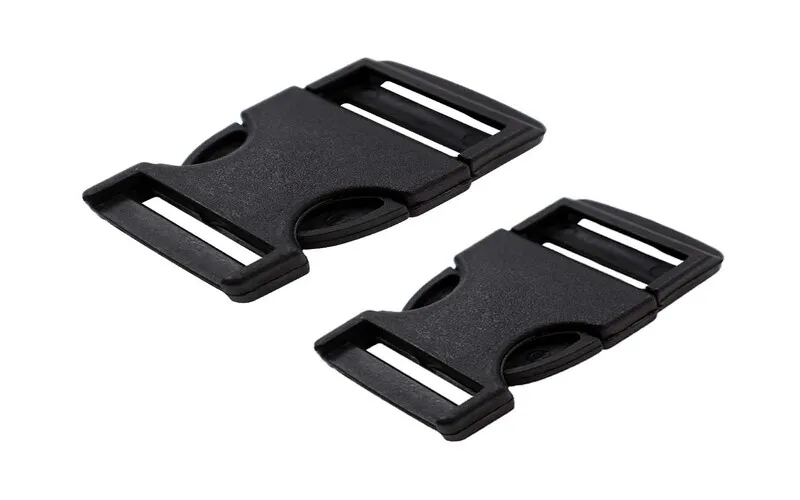
How to Choose Appropriate Buckles:
- Choose buckles compatible with strap width
- For heavy-load backpacks, prioritize metal or high-tech plastic buckles
- For children’s backpacks, choose easy-to-use buckles without sharp edges
- Check smoothness when adjusting and durability when pulling
Installation Instructions:
- Thread strap through buckle according to manufacturer instructions
- Check buckle direction (many buckles have specific directions)
- Secure one buckle end to backpack by sewing or riveting
- Check adjustment capability and sturdiness
2. Shoulder Padding
Shoulder padding not only increases comfort but also helps distribute weight evenly, reducing shoulder pressure.
Best Padding Materials:
- EVA Foam: Lightweight, good elasticity, waterproof
- PE Foam: Cheap, easy to find, suitable for regular backpacks
- Silicone Gel: High elasticity, most comfortable but expensive
- Memory Foam: Self-adjusts to shoulder shape, comfortable for extended use

Shoulder Padding Sewing Technique:
- Cut foam in ergonomic shape (usually wider at shoulder section)
- Wrap foam in soft, breathable fabric
- Sew securely to strap or create sleeve pocket for removable foam
- Create zone division stitching so foam doesn’t shift
Ergonomic Design:
- Curved shape following shoulder line
- Thicker at main stress point
- Integrated ventilation channels
- Can combine with chest strap system for better weight distribution
3. Connecting Hooks and Other Accessories
Besides adjustment buckles and shoulder padding, there are many other accessories increasing strap functionality.
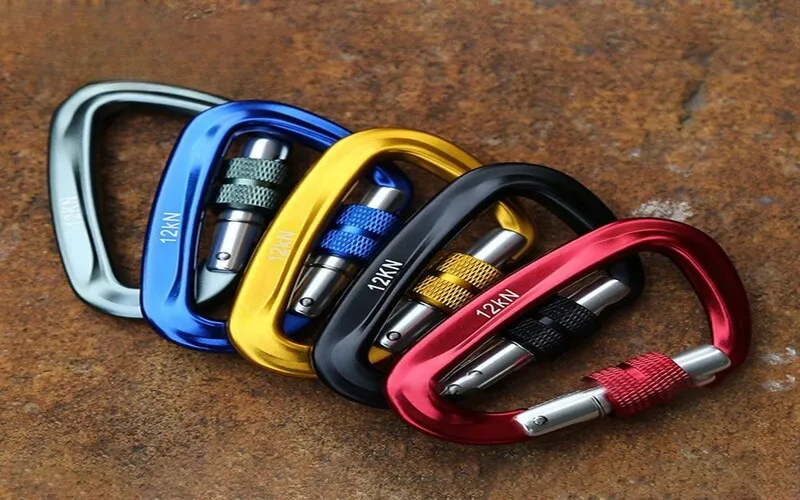
Hook Types:
- D-ring
- O-ring
- Carabiner
- Swivel hook
Auxiliary Connecting Straps:
- Chest strap: Connects two main straps, helps distribute weight
- Hip belt: Reduces shoulder pressure, suitable for travel backpacks
- Quick adjustment drawstring: Allows easy backpack position adjustment
Decorative Accessories:
- Embroidered or printed logo
- Reflective binding
- Contrasting color trim
- Excess strap roller
V. Strap Applications for Different Backpack Types
Each backpack type has specific strap requirements. Understanding these specifics helps you choose or design the most appropriate straps.
1. Travel Backpacks
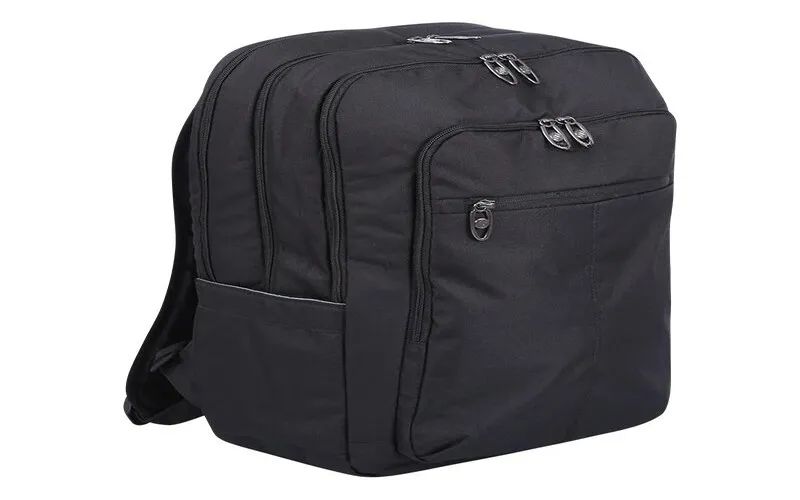
Travel backpacks often must bear heavy loads for extended periods, requiring high durability and comfortable straps.
Travel Backpack Strap Characteristics:
- Large width (38-50mm) for weight distribution
- Thick padding (10-15mm) at shoulder contact points
- Integrated chest and hip belt systems
- Adjustable height attachment point on backpack
Load-Bearing Standards:
- Main straps: Withstand load 15-25kg
- Backpack attachment points: Reinforced with X-stitch or rectangle stitch
- Adjustment buckles: Withstand sudden pulling force
Comfortable Design for Long Distances:
- Wide contact surface, reducing single-point pressure
- Breathable lining, sweat-absorbing
- Ergonomic curves following shoulder and back shape
- Weight distribution system down to hips
2. Student Backpacks
Student backpacks need to balance durability, lightweight, and safety.
Safety Criteria:
- No sharp edges
- Easy-to-adjust buckles suitable for children
- Reflective elements for increased safety
- Non-skin-irritating

Durability and Lightness:
- Lightweight to avoid shoulder pressure on children
- Durable enough to withstand children’s usage
- Easy to clean, ideally machine washable
- Basic level waterproofing
Child-Appropriate Design:
- Smaller size (20-25mm)
- Easy adjustment
- Bright colors, playful patterns
- Can combine with simple chest strap
3. Sports Backpacks
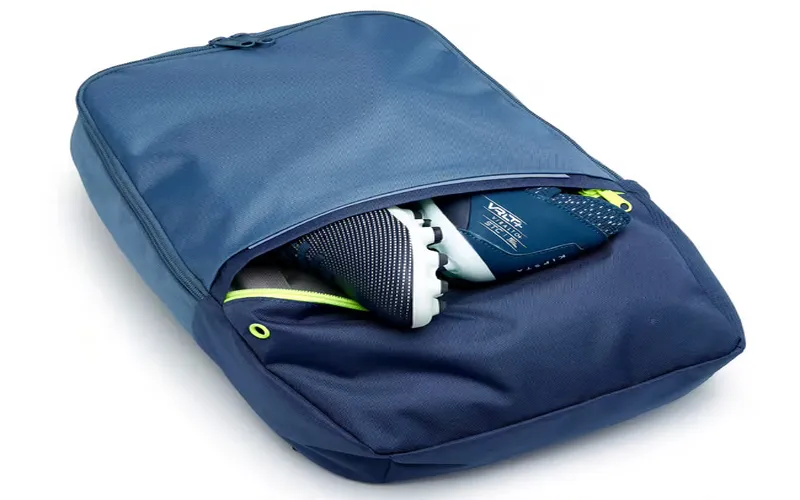
Sports backpacks require high flexibility and good sweat-wicking capability.
Anti-Slip Features:
- High-friction surface
- Body-hugging design
- Supplementary strap systems
In conclusion, backpack straps are indispensable elements for enhancing product value and durability. They provide sturdiness, safety, and outstanding load-bearing capacity. Don’t hesitate to invest in the best materials so your products are always highly rated. Contact May Hợp Phát immediately at 0909.938.333 for consultation on backpacks suitable for your requirements!