

 Tiếng Việt
Quality management in backpack production is the decisive factor for modern business success. This article provides standard processes for manufacturers, quality managers, and production engineers. Detailed guidance helps reduce error rates by 70%, increase export efficiency, and build sustainable brand reputation.
I. Overview of Quality Management in Backpack Production
1. Core Quality Management Concept
Quality management in backpack production units is an integrated process of control, evaluation, and continuous improvement activities aimed at ensuring the final product meets or exceeds customer expectations. This does not only stop at inspecting finished products but also includes monitoring the entire production
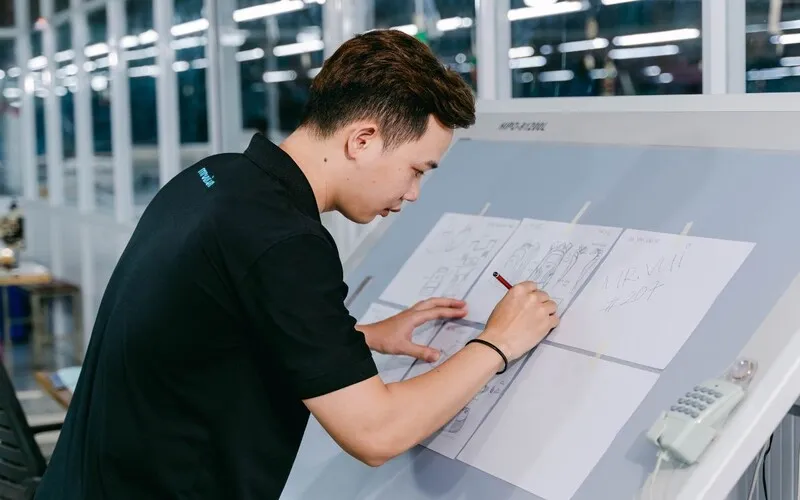
chain.
Quality Management Core Concept
QA (Quality Assurance) focuses on building quality backpack production processes and preventing errors before they occur. Meanwhile, QC (Quality Control) is the activity of detecting and eliminating products that do not meet quality standards. The harmonious combination of these two methods creates a comprehensive quality management system.
2. Impact of Quality on Business
| Aspect | Positive Impact | Negative Consequences |
|---|---|---|
| Brand | Increase reliability 85% | Loss of customer trust |
| Cost | Reduce repair costs 40% | Increase compensation costs |
| Market | Expand export opportunities | Lose competitive market share |
Investing $1 in a quality system can save $4-6 in post-incident handling costs. This is why leading businesses always prioritize quality from the design stage.
You may be interested in: – Learn backpack and bag sewing for beginners or those wishing to do business in the garment industry
II. ISO Standard Quality Management System
1. Specialized ISO 9001:2015 Standard
ISO 9001:2015 is the globally recognized quality management foundation, especially suitable for the backpack manufacturing industry. This standard requires businesses to establish clear processes for each activity from raw material procurement to final delivery.
ISO 9001:2015 Standard
Seven core principles of ISO 9001 include:
- Customer focus: Understanding needs and expectations
- Leadership commitment: Leadership proactive in quality
- Comprehensive participation: Every employee has responsibility
- Process approach: Managing activities as connected processes
- Continuous improvement: Constantly enhancing efficiency
- Evidence-based decision making: Using actual data
- Relationship management: Building sustainable partnerships
2. Important Supplementary Standards
WRAP (Worldwide Responsible Accredited Production) ensures socially and environmentally responsible production. This is a mandatory requirement when exporting to US and European markets.
OEKO-TEX Standard 100 controls toxic substances in fabrics and ensures safety for users. This certification is especially important for children’s backpacks and skin-contact products.
III. Three-Stage Quality Control Process
1. Incoming Quality Control (IQC)
IQC stage is the first line of defense against poor quality materials. All raw materials arriving at the factory must undergo strict inspection procedures before being accepted.
Main Fabric Inspection
Fabric tensile strength is the most important parameter, measured using specialized tensile testing machines. Standard fabric needs to have minimum strength of 120N lengthwise and 100N widthwise.
Color fastness is tested through 5 basic tests:
- Dry/wet rubbing test
- Washing test at 40°C
- UV light test for 24 hours
- Artificial sweat test
- Sublimation test at 180°C
Essential Accessory Evaluation
| Accessory Type | Inspection Criteria | Acceptance Standard |
|---|---|---|
| Zipper | Pulling force, smoothness | ≥ 5000 open/close cycles |
| Snap Button | Holding pressure, durability | ≥ 1000N compression force |
| Strap | Elasticity, load bearing | ≥ 150kg weight |
| Adhesive | Adhesion, heat resistance | ≥ 80°C no peeling |
2. Process Quality Control (PQC)
PQC ensures each production stage meets quality standards. This is the stage of early detection and timely correction of potential problems.
Cutting and Sewing Stage Supervision
Fabric cutting accuracy is checked using laser measuring tools with allowable error ≤ ±2mm. Each cut fabric piece is numbered by lot for easy traceability when needed.
Sewing line quality requirements:
- Stitch density: 12-14 stitches/inch
- Thread tension: Even, not too tight
- Seam straightness: Deviation ≤ ±1mm
Detailed Assembly Inspection
First Piece Inspection is performed on the first product of each production shift. If the first product meets requirements, the production process can continue with inspection frequency of 1 product/50 products.
3. Outgoing Quality Control (OQC)
OQC is the final stage before products reach customers. This is the last opportunity to detect and eliminate products that do not meet standards.
Comprehensive Product Inspection
Inspection checklist includes 47 criteria divided into 4 main groups:
Appearance Group (25 criteria):
- Color uniformity
- Seam condition
- Fabric surface flatness
- Cleanliness
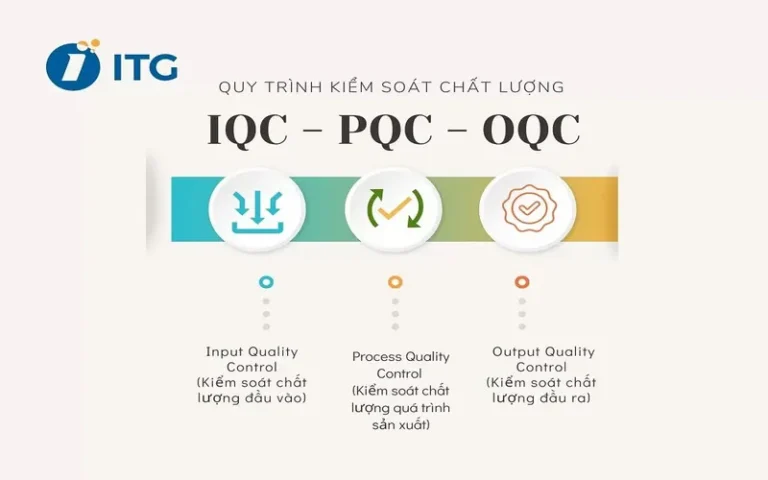
Outgoing Quality Control
Functional Group (12 criteria):
- Zipper operation
- Strap durability
- Load capacity
- Balance when wearing
Dimension Group (8 criteria):
- Length, width, height
- Actual capacity
- Product weight
- Material thickness
Safety Group (2 criteria):
- No sharp edges
- No strange odor
IV. Advanced Tools and Methods
1. Seven Quality Management Tools (7QC Tools)
7QC Tools is a set of basic statistical tools that help analyze and solve quality problems in a scientific and effective manner.
Smart Check Sheet
Check Sheet helps collect data in a systematic way. In backpack production, Check Sheets are designed specifically for each stage:
SEWING STAGE CHECK SHEET
Date: _____ Shift: _____ Machine #: _____ Product: _____ Lot: _____
Straight Sewing Errors: |||||||||| (10) Thread Tension Errors: ||||| (5) Omission Errors: ||| (3)
Pareto Chart – Priority Analysis
The 80/20 principle shows that 80% of problems usually come from 20% of causes. Pareto Chart helps identify the most important errors that need priority resolution.
2. Effective Lean Manufacturing Application
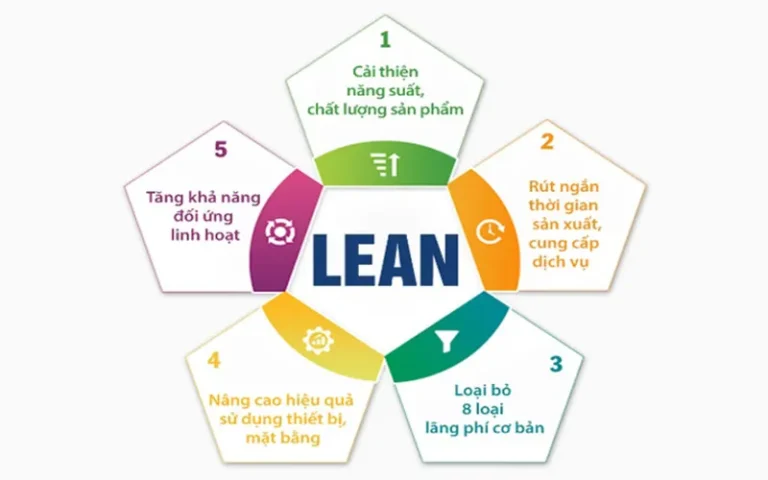
Lean Manufacturing eliminates 8 types of waste in production:
- Over-production: Producing more than needed
- Waiting: Unnecessary waiting time
- Transport: Inefficient transportation
- Over-processing: Processing beyond requirements
- Inventory: Excessive stock
- Motion: Unnecessary movement
- Defects: Defective products
- Skills: Not fully utilizing employee capacity
5S is the foundation of Lean:
- Seiri (Sort): Remove unnecessary items
- Seiton (Set in order): Arrange work positions logically
- Seiso (Shine): Maintain cleanliness
- Seiketsu (Standardize): Maintain standards
- Shitsuke (Sustain): Maintain discipline
V. Modern Inspection Technology
1. Specialized Inspection Equipment
Tensile Strength Tester is indispensable equipment in the quality lab. The machine can measure tensile force from 0.1N to 5000N with ±0.1% accuracy.
Color Matching Cabinet ensures color evaluation under standard lighting conditions. The equipment simulates 6 different light sources: D65 (daylight), A (incandescent light), TL84 (supermarket light), UV (ultraviolet), F/CWF (office light), and U30 (store light).
2. Management Software System
MES (Manufacturing Execution System) connects real-time data from all production stages. This system allows tracking each product from raw material input to final finished product.
QMS (Quality Management System) integrates:
- Document Control: Technical document management
- Supplier Quality: Supplier evaluation
- Audit Management: Inspection planning
- CAPA Tracking: Corrective action tracking

Management Software System
VI. Building Professional Team
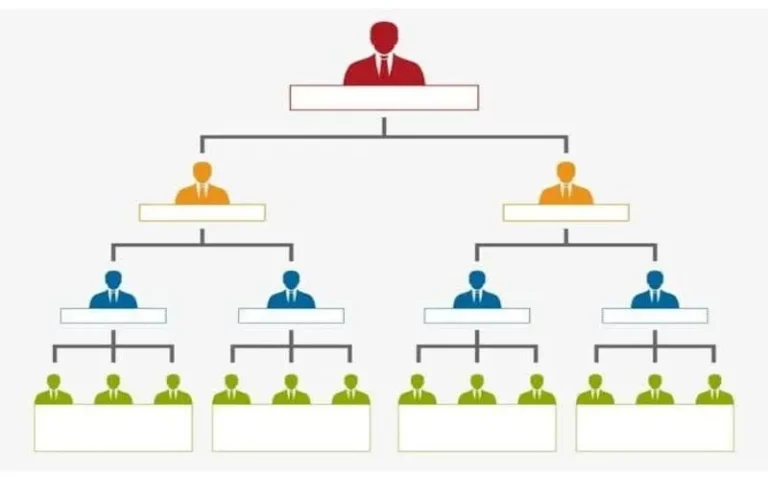
1. Effective Organizational Structure
Quality Manager needs to have at least 5 years experience in the garment industry and professional certification in quality management. This position reports directly to the General Manager to ensure independence in evaluation.
QC Inspector is specifically assigned according to expertise:
- Fabric Inspector: Specializes in fabric inspection
- Accessory Inspector: Specializes in accessory inspection
- Sewing Inspector: Specializes in sewing inspection
- Final Inspector: Finished product inspection
2. In-depth Training Program
3-month training program for new QC Inspectors:
Month 1 – Basic Knowledge:
- Understanding materials and processes
- Using measuring equipment
- Reading technical drawings
Month 2 – Professional Practice:
- Performing standard tests
- Handling non-conforming products
- Writing quality reports
Month 3 – Skill Completion:
- Working independently
- Training new employees
- Participating in process improvement
Implementing quality management in backpack production brings breakthrough benefits to businesses. The IQC-PQC-OQC process with ISO standards ensures error minimization and enhanced brand reputation. Implement the quality management system in backpack production immediately to achieve optimal efficiency.