

 Tiếng Việt
PU Coated Polyester Fabric for Backpack Manufacturing – Achieving Best Quality
Are you looking for the perfect fabric to manufacture water-resistant, durable, and aesthetically pleasing products? PU coated polyester fabric for backpack manufacturing is the answer. With its special polyurethane (PU) coating layer, this fabric not only possesses excellent waterproof capabilities but also offers high durability, suitable for various applications from bags, jackets to tents. Join May Hop Phat English Training Backpack Manufacturing to learn more about this “golden” material!
I. WHAT IS PU COATED POLYESTER FABRIC? CONSTRUCTION CHARACTERISTICS
PU coated polyester fabric is a technical fabric created from a polyester base fabric and coated with a polyurethane (PU) layer on top. This process creates a fabric that combines the properties of both materials: high mechanical durability from polyester and excellent waterproof capability from polyurethane.
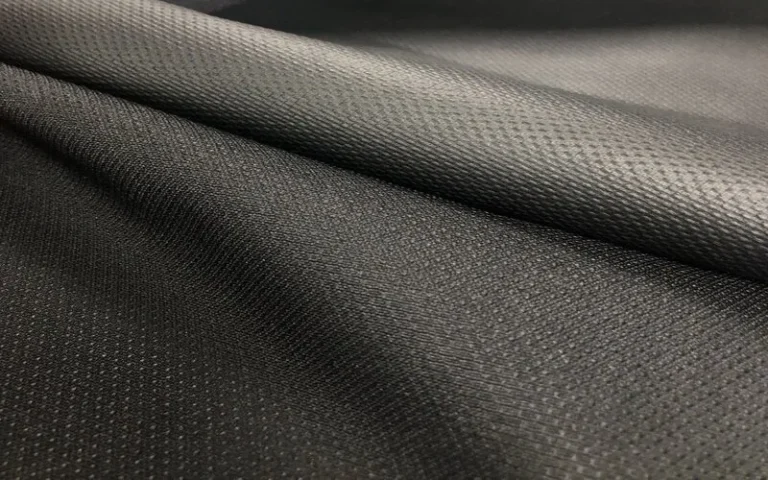
PU Coated Polyester Fabric
1. Main Construction Components
Polyester base layer: Usually made from woven polyester fibers with various thicknesses (measured in D – Denier). The most common types are:
- 600D: Medium-thick fabric, suitable for student backpacks
- 1200D: Thicker fabric, suitable for travel backpacks
- 1680D: Thickest type, commonly used for specialized, high-load backpacks
PU coating layer: A polyurethane layer coated onto the polyester fabric surface through heat pressing or solution coating process. This PU layer creates waterproof capability while also increasing the durability and elasticity of the fabric.
| Component | Main Function | Characteristics |
|---|---|---|
| Polyester base layer | Creates mechanical durability | Good load-bearing, tear-resistant, minimal stretching |
| PU coating layer | Waterproofing | Water-resistant, protects contents inside |
| Combination | Creates complete structure | Lightweight, durable, waterproof, easy to process |
2. Important Technical Specifications
When discussing PU coated polyester fabric for backpack manufacturing, there are several technical specifications to note:
- Thickness (Denier – D): Unit measuring fabric fiber fineness. For example, 600D means 9000m of fabric fiber weighs 600g. Higher D number means thicker and more durable fabric.
- Breaking Strength: Represents the maximum force the fabric can withstand before breaking. PU coated polyester fabric typically has high breaking strength.
- Water Resistance: Measured in mm water column – represents the waterproof capability of the fabric. Quality PU coated polyester fabric usually has water resistance from 1000mm and above.
- Fabric Weight: Measured in g/m², typically ranging from 200-500g/m² depending on fabric thickness.
May Hop Phat specializes in providing various types of PU coated polyester fabric with diverse technical specifications, meeting different production needs from lightweight fashion backpacks to specialized backpacks requiring high durability.
II. OUTSTANDING ADVANTAGES OF PU COATED POLYESTER FABRIC IN BACKPACK MANUFACTURING
PU coated polyester fabric possesses many prominent advantages, making it a top choice in producing high-quality backpacks and bags:
- Excellent waterproof capability: The PU layer creates a barrier preventing water penetration, keeping contents inside the backpack dry even when encountering light rain or snow.
- High mechanical durability: The tightly woven polyester fiber structure combined with the PU layer gives the fabric superior tear resistance and abrasion resistance compared to many other fabric types.
- Lightweight: Despite being durable and waterproof, PU coated polyester fabric maintains relatively light weight, ensuring backpacks don’t create burden for users.
- Easy to shape and maintain form: This fabric type has moderate stiffness, easily shaped during production and maintains backpack form after long-term use.
- Good dirt resistance: PU surfaces typically have properties that resist dust and dirt accumulation, easy to wipe clean, helping backpacks maintain fresh appearance.
- Color diversity: PU coated polyester fabric is easily dyed, creating aesthetic diversity for backpack products.
1. Comparison With Other Materials
To better understand the position of PU coated polyester fabric, let’s compare with some popular materials in the backpack manufacturing industry:
PU Coated Polyester Fabric vs Nylon
| Criteria | PU Coated Polyester Fabric | Nylon Fabric |
|---|---|---|
| Durability | Very good, especially with high weave density | Good, usually more durable than regular poly |
| Waterproof capability | Excellent thanks to PU layer | Good with PU coating, poor without coating |
| Weight | Light to medium | Usually lighter than poly |
| Feel | Slightly stiff, maintains shape | Soft, shinier |
| Price | Medium | Usually higher |
PU Coated Polyester Fabric vs Canvas Fabric
| Criteria | PU Coated Polyester Fabric | Canvas Fabric |
|---|---|---|
| Durability | Good abrasion resistance, minimal scratching | Very durable, but easily absorbs water |
| Waterproof capability | Excellent | Poor, requires additional treatment |
| Weight | Light to medium | Heavier |
| Feel | Modern, technical | Classic, rough |
| Environmental friendliness | Low | Higher, especially cotton canvas |
PU Coated Polyester Fabric vs Faux Leather (Simili)
| Criteria | PU Coated Polyester Fabric | Faux Leather (Simili) |
|---|---|---|
| Durability | Durable over time | Easily peels after few years |
| Waterproof capability | Good | Good |
| Weight | Light to medium | Usually heavier |
| Feel | Technical, sporty | Luxurious, smooth and shiny |
| Application diversity | High | Lower |
From the comparison table above, we can see that PU coated polyester fabric has outstanding advantages in balancing durability, waterproof capability, and weight – core factors when choosing material for high-quality backpacks.
See also:
– ISO standards in backpack and bag manufacturing is one of the factors determining product quality and reputation
– Choosing backpack sewing needles suitable for each fabric material, ensuring durability and aesthetics for products.
III. DISADVANTAGES AND LIMITATIONS
Despite many advantages, PU coated polyester fabric still has some disadvantages to note:
- Poor breathability: Due to the PU coating creating a water-blocking membrane, fabric usually has poor breathability, may cause hot sensation when in contact with user’s back for extended periods.
- Limited PU layer lifespan: Over time, the PU layer may peel, crack (hydrolysis phenomenon), especially when frequently exposed to UV rays or high temperatures.
- Environmental impact: Both polyester and polyurethane are synthetic materials from petroleum, difficult to decompose in nature, causing negative environmental impact.
- Not suitable for designs requiring high softness: PU coated polyester fabric is usually quite stiff, not suitable for designs requiring natural softness and drape.
- May be damaged by solvents: Some strong solvents can damage the PU layer, reducing the waterproof capability of the fabric.
At May Hop Phat, we continuously research to improve these limitations, such as developing PU coated polyester fabrics with better breathability, UV resistance, and more environmentally friendly.
IV. APPLICATIONS OF PU COATED POLYESTER FABRIC IN BACKPACK PRODUCTION
PU coated polyester fabric is widely applied in various backpack types, from regular backpacks to specialized product lines:
1. School and Work Backpacks
This is the most popular segment of PU coated polyester fabric backpacks. With lightweight, high durability, and good waterproof capability, this fabric type is ideal for student and office worker backpacks. May Hop Phat provides many backpack models with 600D thickness, ensuring durability without being too stiff or heavy.
Notable features:
- Durable for daily use
- Protects books and documents from light rain
- Easy to clean when dirty
- Diverse colors, suitable for many users
2. Travel and Outdoor Backpacks
For outdoor activities, PU coated polyester fabric clearly shows advantages in waterproofing and durability. Travel backpacks typically use 1200D or 1680D fabric, combined with thick PU layer to ensure maximum waterproofing and withstand impact and friction when used in harsh conditions.
Characteristics of PU coated polyester travel backpacks:
- Higher waterproof capability, protecting belongings during trips
- Sturdy structure, withstands large weights
- Good tear and abrasion resistance when moving in complex terrain
- Easy to wipe clean after use
3. Specialized Laptop Backpacks
Protecting electronic devices is the top priority for laptop backpacks, and PU coated polyester fabric excellently meets this requirement. The PU layer not only blocks water but also creates a protective cushion for laptops against light impacts.
Features of PU coated polyester laptop backpacks:
- Protects laptop from rain and moisture
- Rigid structure helps maintain shape, protecting devices
- Usually designed with multiple specialized compartments for accessories
- Lightweight, reducing burden when carrying laptop
4. Current PU Coated Polyester Backpack Design Trends
In recent years, PU coated polyester backpack design has seen many notable improvements:
- Minimalist, multifunctional design: Minimalism trend is prevailing with backpacks having neat design but containing many functional compartments inside.
- Technology integration: Many modern backpacks integrate USB ports, specialized shock-resistant compartments, and even anti-theft systems.
- Combining with other materials: To create highlights and overcome breathability disadvantages, many designs combine PU coated polyester fabric with mesh, nylon, or canvas at certain positions.
- Environmentally friendly design: Increasingly more products use recycled PU coated polyester fabric, contributing to reducing environmental impact.
May Hop Phat always updates the latest trends to provide fabric solutions suitable for modern design needs.
VI. GUIDE TO CARING FOR AND USING PU COATED POLYESTER BACKPACKS
To extend the lifespan of PU coated polyester backpacks, proper care and use are extremely important:
1. Proper Cleaning Methods
- Regular cleaning: Use damp cloth to gently wipe backpack surface to remove dirt and dust. With PU coated polyester fabric, this is very simple due to the dirt-resistant surface.
- Handling stubborn stains: Use diluted neutral soap, gently scrub on the stain, then wipe again with damp cloth.
- Avoid machine washing: PU coated polyester backpacks should not be washed in washing machine as it may damage the PU layer and other details like zippers and straps.
- Don’t soak in water: Although waterproof, prolonged water soaking can affect the quality of the PU layer and adhesive in the backpack.
2. Tips to Extend Product Lifespan
- Avoid direct sunlight: UV rays can reduce PU layer lifespan, causing it to age and crack quickly.
- Don’t leave backpack in damp places: Although waterproof, continuous high humidity can affect the PU layer and cause unpleasant odors.
- Store properly: When not in use, hang backpack or place in dry, well-ventilated area, avoid compression causing backpack deformation.
- Don’t carry excessive weight: Respect backpack weight limits to avoid stretching fabric or damaging stitching.
3. How to Fix Minor Damage
- Handling light PU layer peeling: Can use specialized fabric adhesive to patch peeled sections.
- Repairing frayed stitching: Fix immediately when noticing loose stitching to prevent widespread tearing.
- Handling small tears: Use specialized patch pieces or fabric tape for temporary treatment before taking to professional repair.
May Hop Phat recommends customers follow care instructions to optimize the lifespan of PU coated polyester backpacks.
It’s clear that PU coated polyester fabric is an economical choice without compromising quality. With advantages like waterproofing, dirt resistance, and easy cleaning, your products will always maintain fresh appearance. This is the perfect solution for those who want mass production while ensuring high durability. Contact us now to receive the best quotes for custom backpack models without intermediaries.