

 Tiếng Việt
In the context of rising raw material costs, implementing material-saving solutions in backpack production not only helps reduce production costs but also contributes to environmental protection. May Hop Phat will share smart strategies, from pattern optimization to inventory management, helping your business operate more efficiently and sustainably.
I. Overview of Vietnam’s Backpack Production Market 2025
1. Consumer Trends and Market Demand
Vietnam’s backpack market is witnessing strong growth at a rate of 15-20% annually. This creates great opportunities but also poses significant challenges for backpack manufacturing facilities in general and foldable backpack manufacturers in particular.
Consumer Trends
Current consumer trends show that users increasingly prefer sustainable products that are environmentally friendly. Student backpacks, laptop backpacks, and travel backpacks are leading in demand, with high quality and reasonable prices being the two decisive factors.
May Hop Phat observes that business customers increasingly demand quality products with fast delivery times and optimized costs. This requires backpack manufacturing facilities to continuously improve production processes.
2. Raw Material Cost Challenges
Raw material prices are trending upward by 10-15% annually, creating significant pressure on production costs. Polyester fabric, canvas fabric, denim fabric, parachute fabric, and backpack accessories such as YKK zippers and PP webbing straps are all affected by global raw material price fluctuations. Additionally, producing backpacks from recycled materials is also an alternative option that can save costs by 10%.
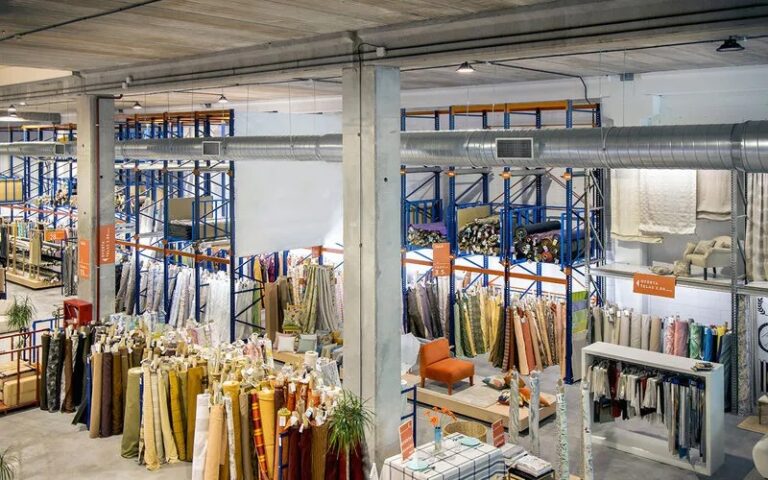
Particularly, competition from imported products with low prices forces domestic backpack production businesses to find ways to reduce costs while ensuring quality. Customer pressure on competitive pricing further increases the urgency of material optimization.
II. Analysis of Material Costs in Backpack Production
1. Professional Backpack Production Cost Structure
To understand the importance of material savings, we need to analyze the cost structure in backpack production:
| Category | Percentage (%) | Details |
|---|---|---|
| Main materials | 45-55% | Canvas, polyester, nylon fabrics |
| Accessories | 15-20% | Zippers, straps, hooks, linings |
| Labor | 20-25% | Cutting, sewing, assembly, inspection |
| Other costs | 10-15% | Electricity, water, machine maintenance |
Main materials account for the largest proportion, so optimizing this category will bring the most obvious economic benefits. May Hop Phat has proven that applying savings methods can reduce 25-40% of this cost.
2. Types of Materials and Characteristics
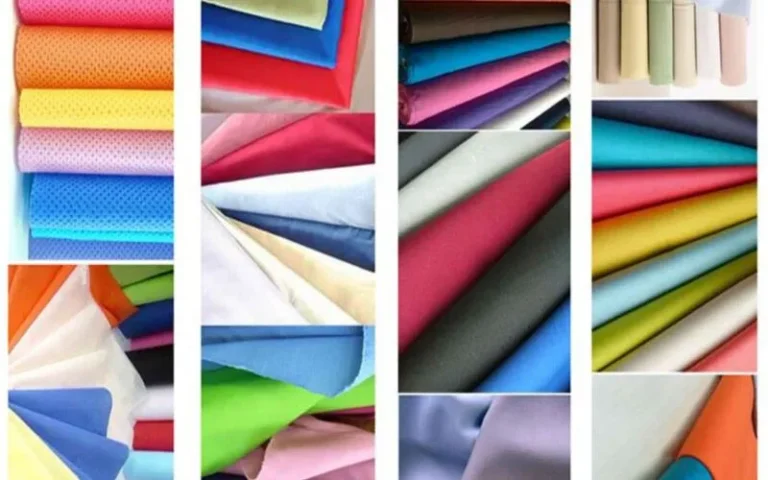
Backpack production materials include various types, each with unique characteristics and different usage levels:
Main Fabrics:
- Polyester 1680D: Durable, water-resistant, suitable for laptop backpacks
- Canvas 12oz: Natural, high aesthetics, used for fashion backpacks
- Denim: Youthful, durable, popular with student backpacks
- Nylon 420D: Lightweight, soft, suitable for travel backpacks
Lining and Padding:
- Taffeta 210T: Interior waterproof lining
- PE foam: Laptop protection padding
- Mesh: Breathable, comfortable
Accessories:
- Zippers: YKK, SBS, KAO
- Straps: PP webbing, polyester
- Hooks and buttons: Plastic, metal
III. 7 Effective Material-Saving Methods
1. Product Pattern Design Optimization
Scientific pattern design is the first and most important step in the material-saving process. May Hop Phat uses specialized CAD software such as Optitex and Lectra to optimize the arrangement of details.
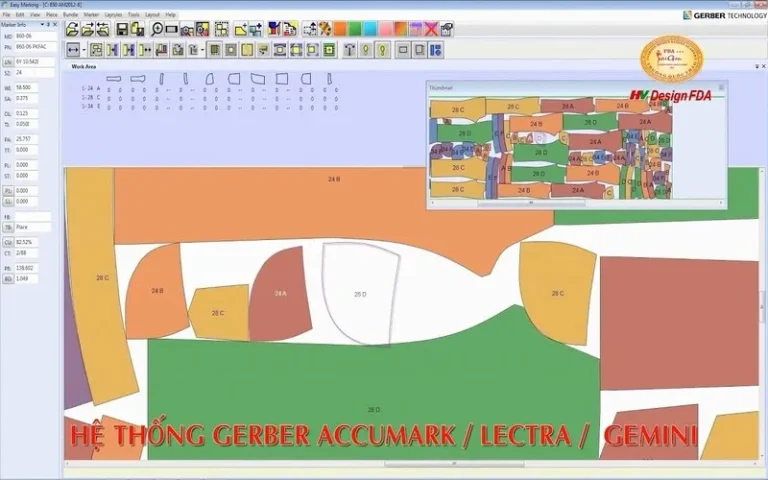
Smart arrangement techniques help reduce waste from 15% down to 3-5%. This means that with 1000m of fabric, instead of wasting 150m, we only waste 30-50m, saving 100-120m of fabric.
Pattern design process includes:
- Analyzing product details
- Calculating optimal dimensions
- Arranging according to interlocking principles
- Checking and adjusting
2. Smart Fabric Cutting Technology
CNC laser cutting machines bring high precision and significant material savings. May Hop Phat invests in automatic cutting systems that help reduce errors and increase production efficiency.
Efficiency comparison:
| Method | Accuracy | Speed | Material Savings |
|---|---|---|---|
| Manual cutting | ±3mm | 100 pieces/hour | Standard |
| Regular machine cutting | ±1mm | 300 pieces/hour | +15% |
| CNC laser cutting | ±0.1mm | 500 pieces/hour | +30% |
Laser cutting technology not only saves materials but also improves product quality thanks to sharp cutting lines and no fraying.
3. Scientific Inventory Management
Inventory management system according to FIFO (First In First Out) standards helps reduce waste due to improper storage. May Hop Phat applies environmental control systems with humidity 45-65% and temperature 20-25°C.

Benefits of scientific inventory management:
- Reduce 5-10% waste from storage
- Increase material lifespan by 20-30%
- Easy quality control of inputs
- Optimize storage space
4. Strategic Supplier Selection
Building partnership relationships with reputable suppliers helps ensure quality and save costs. May Hop Phat cooperates with leading suppliers to purchase materials in bulk and receive attractive discounts.
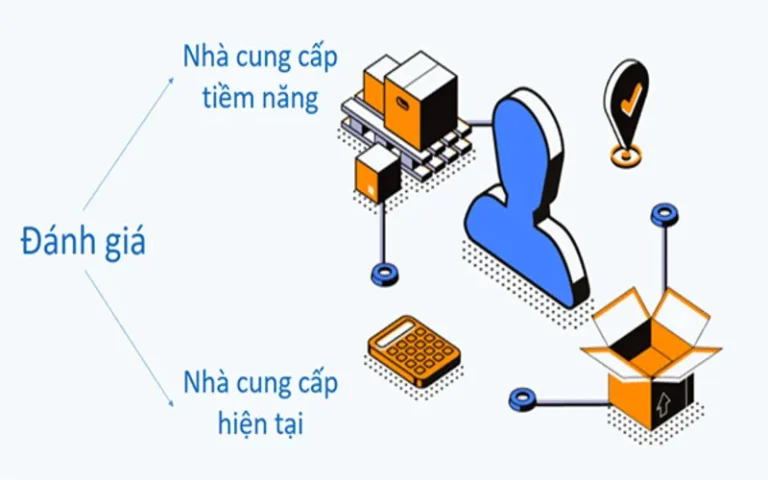
Supplier selection criteria:
- Stable product quality
- Competitive pricing
- Continuous supply capability
- Good after-sales service
- Flexible payment policies
5. Smart Waste Reuse
Applying waste materials to accessory production and by-products helps maximize material value. May Hop Phat develops small backpack lines and accessory bags from excess fabric from large orders.
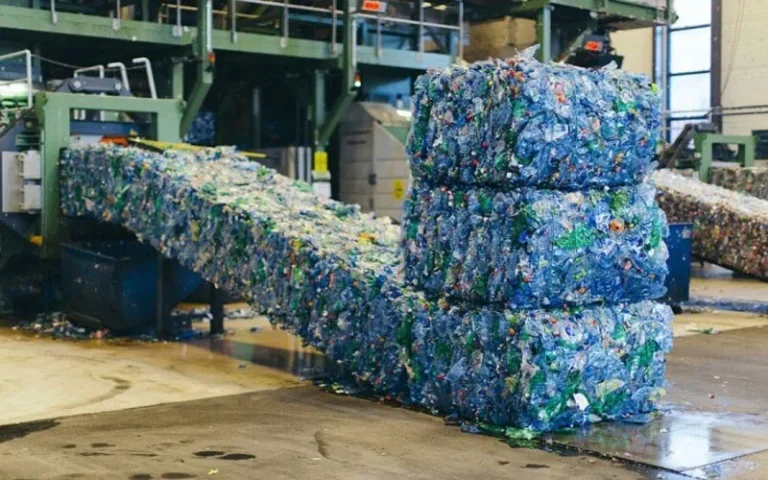
Effective reuse methods:
- Large waste: Produce mini backpacks, shoe bags
- Medium waste: Make auxiliary straps, inner pockets
- Small waste: Labels, product tags
6. Professional Employee Training
Employee skills directly affect material waste rate. May Hop Phat invests in in-depth training programs on precise cutting techniques and saving awareness.

Training program includes:
- Accurate pattern reading techniques
- Efficient machine operation
- Quality control procedures
- Material-saving awareness
7. Input Quality Control
Strict standards for input materials help reduce defect rates and optimize production processes. May Hop Phat applies a 3-layer inspection system to ensure quality.

Quality control process:
- Sample inspection before warehouse entry
- Random inspection during production
- Finished product inspection before factory delivery
IV. Case Study: Success in Saving 35% Material Costs
1. Real Situation at May Hop Phat
May Hop Phat once faced major challenges when material costs accounted for up to 60% of total production costs, higher than the industry average of 45-55%. This seriously affected competitiveness and profits.
Specific problems:
- High waste rate (18-20%)
- Inefficient inventory management
- Lack of standardized processes
- Employees not properly trained
2. Applied Solutions and Achieved Results
May Hop Phat decided to invest 1.2 billion VND to apply 5 out of 7 methods proposed. Results after 12 months exceeded expectations:
| Indicator | Before Improvement | After Improvement | Improvement |
|---|---|---|---|
| Material costs | 60% | 39% | -35% |
| Waste rate | 18% | 4% | -78% |
| Profit | 12% | 28% | +133% |
| Productivity | 100% | 125% | +25% |
Payback period was only 16 months, 8 months faster than initially expected.
V. Technology and Equipment Supporting Savings
1. Modern Machinery for Backpack Production
Investing in modern technology is the key to saving materials effectively. May Hop Phat uses advanced machinery systems to optimize production processes.

Main equipment:
- CNC laser cutting machine: Precision ±0.1mm
- Programmable sewing machine system: Sunstar 340, 380
- Design software: Optitex, Lectra
- Production management system: Integrated ERP
2. Investment and Economic Benefits
Initial investment costs are high but economic benefits are very significant and sustainable:
| Category | Cost (VND) | Annual Benefit |
|---|---|---|
| Laser cutting machine | 800 million – 1.5 billion | Save 400-600 million |
| Design software | 50-100 million | Save 200-300 million |
| Employee training | 20-30 million | Increase efficiency 20-25% |
It can be seen that to maintain competitive advantage, finding material-saving solutions in backpack production is vital. Material optimization not only helps businesses save input costs but also contributes to environmental protection. Don’t hesitate to change processes to achieve higher efficiency. Call 0909 938 333 for consultation and support.