

 Tiếng Việt
ISO 9001 certification in backpack manufacturing is becoming a mandatory requirement for production facilities seeking to compete in international markets. This article provides a detailed analysis of the registration process, benefits, and practical experience from businesses.
I. The Importance of ISO 9001 for the Backpack Manufacturing Industry
1. Enhancing Brand Reputation
ISO 9001 certification acts as a prestigious badge for manufacturing facilities. When customers see the ISO 9001 logo on products, they immediately understand that this is a business with a quality management system that meets international standards. This is particularly important in the backpack manufacturing industry where quality determines product durability and aesthetics.
| Reputation Benefits | Before ISO 9001 | After ISO 9001 |
|---|---|---|
| Brand recognition | Low | High |
| Reliability | Average | Very high |
| Partnership opportunities | Limited | Expanded |
2. Expanding Export Markets
International markets are increasingly stringent about quality standards. Major brands like Nike and Adidas all require suppliers to have ISO 9001 certification. May Hop Phat Backpack & Bag Manufacturing after achieving certification signed contracts with many European and American partners.
3. Optimizing Production Processes
ISO 9001 standards require businesses to establish clear processes for each stage:
- Input material control
- Cutting and sewing process supervision
- Finished product quality assurance
- Efficient warehouse management
II. Specific Benefits of ISO 9001 for Backpack Production
1. Improving Product Quality
Applying the ISO 9001 quality management system helps facilities strictly control each production stage. The defect rate decreases from 8-10% to just 2-3%. Stitching quality becomes more consistent, and product durability increases significantly.
2. Reducing Costs and Increasing Efficiency
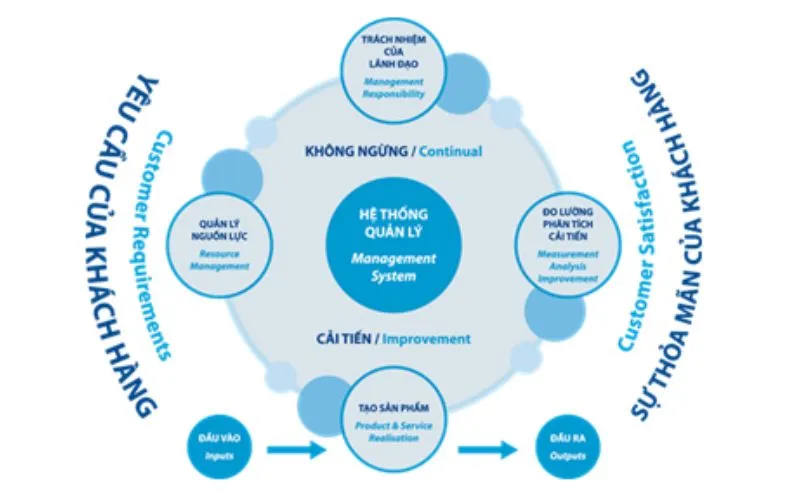
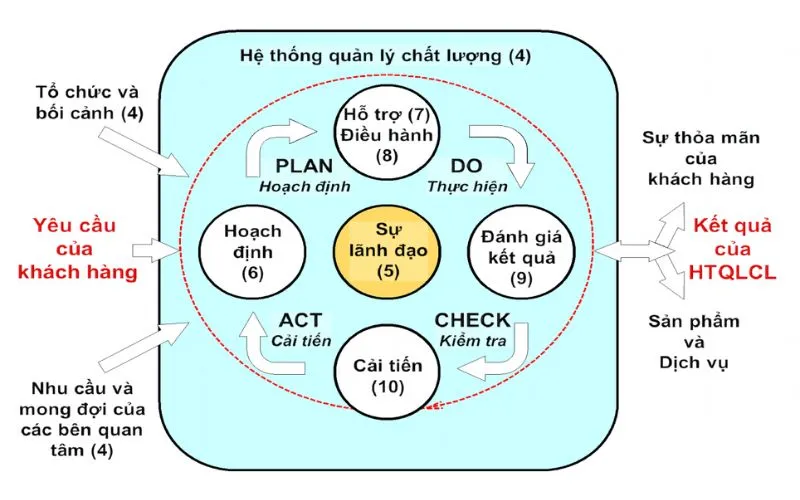
PDCA Cycle (Plan-Do-Check-Act):
Plan → Develop detailed production plans
Do → Execute according to standard processes
Check → Continuously inspect quality
Act → Improve based on feedback
May Hop Phat Backpack & Bag Manufacturing reports saving 15-20% in operating costs after implementing ISO 9001 by reducing waste and increasing productivity.
3. Enhancing Customer Satisfaction
Customers always want to receive high-quality products at reasonable prices. ISO 9001 certification in backpack manufacturing ensures products meet technical requirements and delivery times are on schedule.
III. Implementation Process of ISO 9001 for Manufacturing Facilities
1. Preparing Documents and Records
Required documents include:
- Quality manual
- Standard operating procedures
- Quality inspection forms
- Employee training records

2. Building a Quality Management System
Facilities need to establish a comprehensive QMS system:
Raw Material Management:
- Inspect input fabric quality
- Evaluate accessory suppliers
- Store materials according to standards
Production Process Control:
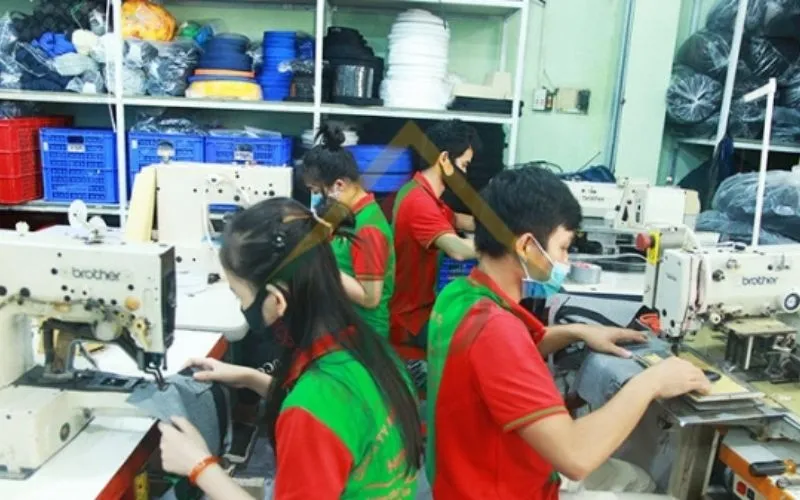
- Establish quality checkpoints
- Train sewing skills for workers
- Maintain machinery periodically
3. Internal Assessment and Improvement
Every month, facilities must conduct internal audits to identify weaknesses and improve. May Hop Phat Backpack & Bag Manufacturing has built a professional internal auditor team.
IV. Implementation Costs and Timeline
1. Cost Estimates by Scale
| Facility Scale | Cost (million VND) | Timeline (months) |
|---|---|---|
| Small (20-50 people) | 30-45 | 6-8 |
| Medium (50-200 people) | 45-70 | 8-10 |
| Large (>200 people) | 70-120 | 10-12 |
2. Return on Investment Analysis
ROI from ISO 9001 certification:
- Revenue increase of 25-40% through market expansion
- Operating cost reduction of 15-20%
- Product price increase of 10-15%
V. Selecting Reputable Certification Organizations
1. Top 5 Leading Certification Organizations
Reputable certification organizations in Vietnam:
- Vinacontrol CE – 67 years of experience
- BSI Vietnam – International standard from UK
- SGS – Global network
- QUACERT – Under Ministry of Science and Technology
- Good Vietnam – Specializing in SMEs
2. Certification Organization Evaluation Criteria
Important factors to consider:
- Recognized by BOA-IAF
- Experience in the garment industry
- Reasonable and transparent costs
- Professional consulting support
VI. Practical Experience from Successful Facilities
1. Lessons from May Hop Phat Backpack & Bag Manufacturing
18-month journey of implementing ISO 9001:
Phase 1 (months 1-6): Document preparation and employee training Phase 2 (months 7-12): QMS system implementation Phase 3 (months 13-18): Audit and certification receipt

Achieved results:
- 35% increase in export orders
- 18% reduction in defect rate
- 40% improvement in customer satisfaction
2. Challenges and Solutions
Common difficulties:
- Employees unfamiliar with new processes
- High initial investment costs
- Extended implementation timeline
Effective solutions:
- Train employees step by step
- Detailed financial planning
- Hire professional consultants
VII. Maintaining and Developing the System
1. Periodic Audits and Continuous Improvement
ISO 9001 certification is valid for 3 years with annual surveillance audits. Facilities must maintain and continuously improve the system to ensure effectiveness.
2. Professional Employee Training
Regular training programs:
- Sewing and quality inspection skills
- Understanding ISO 9001 standards
- Professional work attitudes
3. Integrating Other Standards
After mastering ISO 9001, May Hop Phat Backpack & Bag Manufacturing is implementing additional standards:
- ISO 14001 – Environmental management
- OHSAS 18001 – Occupational health and safety
- WRAP – Social responsibility
Implementing quality management systems according to international standards not only enhances reputation but also expands business opportunities. ISO 9001 certification in backpack manufacturing is the breakthrough for sustainable business development.