

 Tiếng Việt
Detailed Guide to Sewing Simple Backpacks for Children at Home
Sewing backpacks for children is gaining popularity among parents thanks to its high safety and personalization. Hop Phat provides detailed step-by-step instructions helping parents create quality handmade backpacks, from fabric selection to finishing. You’ll save costs, ensure children’s health, and create meaningful gifts.
I. Preparing Materials for Children’s Backpack Sewing
1. Choosing Appropriate Fabric Materials
Selecting suitable fabric determines the durability, aesthetics, and safety of the backpack. Below are popular fabric types when sewing backpacks for preschool children:
| Fabric Type | Characteristics | Application |
|---|---|---|
| Canvas (Duck cloth) | Durable, sturdy, eco-friendly | Main body of backpack |
| Nylon fabric | Lightweight, good water resistance | Outer surface or backpack bottom |
| Polyester | Color-fast, easy to clean | Body and side compartments |
| Lining fabric | Soft, breathable | Inner lining layer |
| Fleece fabric | Soft, easy to shape | Decoration, details |
Important note: Choose fabrics without toxic substances, no strong chemical odors, and with clear origins to ensure children’s safety.
2. Necessary Tools and Accessories
To make sewing school backpacks for children convenient, you need to prepare:
Basic Tools:
- Sewing machine (or needle and thread for hand sewing)
- Specialized fabric scissors
- Measuring tape, fabric chalk
- Pins, safety pins
- Iron
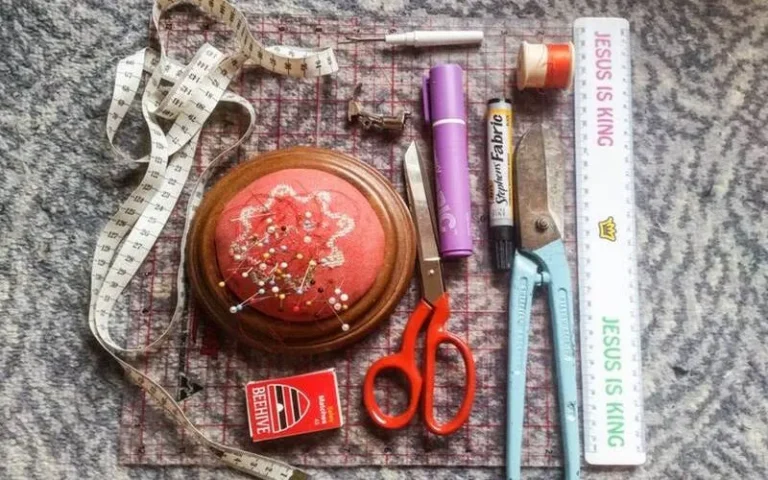
Backpack Sewing Accessories:
- Cotton batting or foam padding
- Webbing for shoulder straps (length approximately 60-80cm)
- Quality zippers (length 25-30cm)
- Strap adjusters, hooks
- Lining fabric, drawstrings (if needed)
Having complete tools helps the process of cutting and sewing children’s backpacks proceed smoothly and quickly.
3. How to Measure and Cut Backpack Patterns for Children
Creating sewing patterns for children’s backpacks needs careful execution to ensure appropriate dimensions. Below are reference measurements:
Standard dimensions for preschool backpacks:
- Height: 25-30cm
- Width: 20-25cm
- Depth: 10-15cm

You can adjust dimensions based on the child’s age and physique. Parents often choose compact backpacks, sufficient for a few notebooks, spare clothes, and children’s personal items.
Pro tip: Before cutting the main fabric, create a trial pattern with newspaper to adjust dimensions and check proportions.
You may also be interested in:
- Fashion backpack designs for women – stylish, simple yet full of personality
- Mass production of student backpacks for business
II. Step-by-Step Guide to Sewing Simple Backpacks for Children
1. Step 1: Prepare Fabric Pieces According to Pattern
This is the first important step in how to sew backpacks for children:
- Cut backpack body:
- 2 main fabric pieces (front and back) rectangular 25x30cm
- 2 lining fabric pieces same size
- Cut bottom and side sections:
- 1 fabric piece for bottom: 25x10cm
- 2 fabric pieces for sides: 30x10cm (each side)
- Corresponding lining fabric pieces
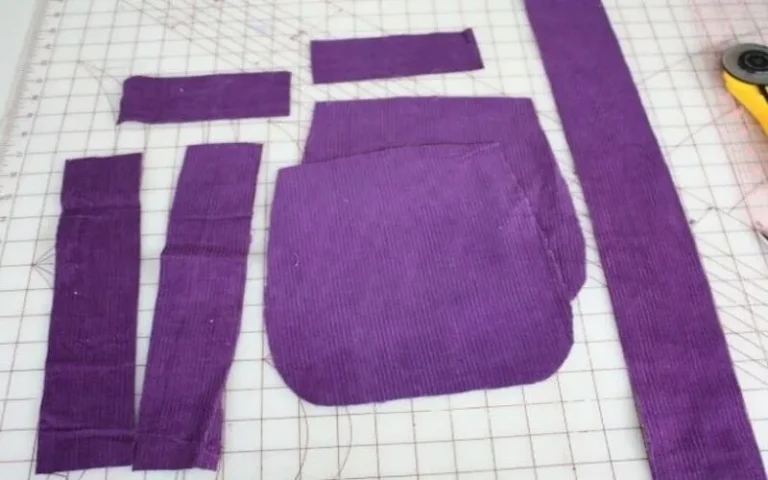
- Cut shoulder straps:
- 2 long fabric strips 40-50cm, width 5cm
- If using webbing, prepare strips about 60-80cm long
- Cut side compartments (if any):
- 1 fabric piece 20x15cm for front compartment
- Appropriate lining fabric and zipper
Note: Always cut fabric wider than actual dimensions by about 1cm for seam allowances and edges.
2. Step 2: Attach Padding and Sew Details
Sewing details
After preparing all fabric pieces, proceed to:
- Attach cotton batting to the wrong side of main fabric:
- Use fabric glue or basting stitches to secure batting
- Ensure batting covers fabric surface evenly
- Cut excess batting, leaving about 1cm for seam allowance
- Sew accessory details:
- If backpack has side compartments, sew zipper into front compartment
- If there are decorative details (like animal shapes, logos), attach them now
- Sew straps to correct positions on backpack back
Strap sewing tip: For sturdy straps, fold fabric double and sew multiple parallel stitching lines. If using webbing, sew an outer fabric layer to increase shoulder comfort.
3. Step 3: Assemble Backpack Components
This is the crucial stage when making backpacks for children yourself:
- Sew lining layer:
- Sew lining fabric pieces together similar to outer fabric
- Leave unturned
- Install zipper:
- Cut a small fabric piece for zipper trim
- Place zipper between front and back body sections
- Secure with straight stitching
- Join body, side, and bottom pieces:
- Start from bottom, sew connecting to front body
- Continue sewing both sides connecting to front body and bottom
- Sew back body to complete backpack frame
- Remember to leave zipper partially open to turn backpack after sewing
- Insert lining layer:
- Place sewn lining inside outer fabric layer
- Sew securing both layers at backpack opening
- Pull zipper, turn backpack right side out
Helpful tip: Pin fabric pieces before sewing to avoid misalignment. For curved seams, sew slowly and adjust fabric position continuously.
4. Step 4: Finishing and Decoration
Small details make the difference for children’s backpacks:
- Process seam lines:
- Trim excess thread ends neatly
- Edge stitch or use zigzag stitching for durability
- Carefully check all zippers and hooks
- Decorate backpack:
- Add cute details like hats, ears, tails (if making animal-shaped backpacks)
- Attach colored fabric pieces creating patterns
- Can embroider name or images children like
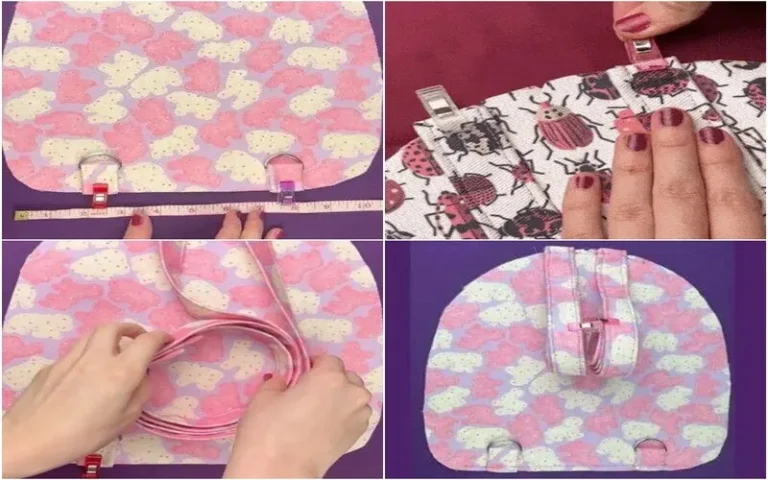
- Final inspection:
- Ensure straps are sturdy and adjustable
- Check zipper operates smoothly
- Place some items in backpack to test capacity
Suggestion: If you lack experience, choose simple decorative shapes or use ready-made fabric appliques instead of complex hand embroidery.
IV. Easy Children’s Backpack Patterns to Sew at Home
1. Adorable Animal-Shaped Backpacks
Animal-shaped backpacks are always loved by children for their cute, charming appearance:
Bear-shaped backpack pattern:
- Add two round fabric pieces as bear ears on top
- Embroider or attach eyes, nose, mouth on front
- Can add small pouch in front as bear belly
Cat-shaped backpack pattern:
- Cut triangular cat ears
- Use embroidery thread to create cat whiskers
- Add small drawstring as tail (if desired)
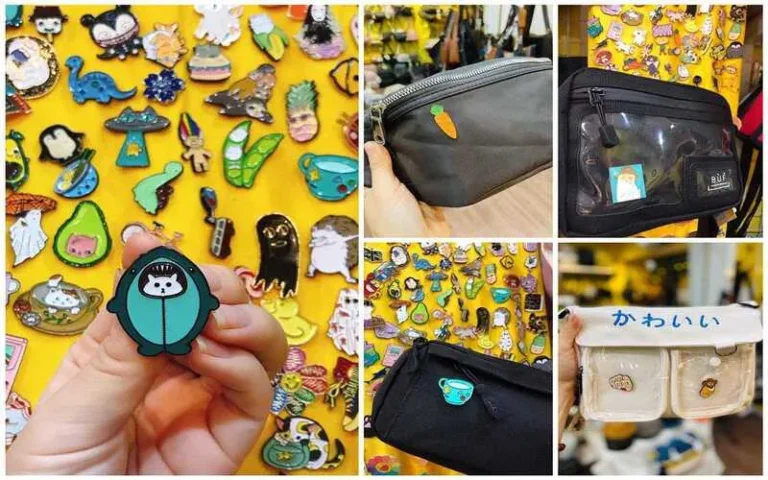
Tips for sewing animal-shaped backpacks:
- Use fabric colors matching the animal
- Details like eyes and nose should be sewn securely to prevent children from accidentally pulling them off
- Choose animals children love to increase interest
2. Simple Multi-Compartment Backpacks
If you want professional children’s backpack factories, multi-compartment backpack patterns are suitable choices:
Basic design:
- Spacious main compartment
- 1-2 front side compartments
- Mesh or small pockets on both sides

Special features:
- Separate water bottle compartment
- Small zippered pocket for valuables
- Name tag sewn inside
Advantages:
- Helps children organize items systematically
- Easy to find needed items
- Develops children’s independence from young age
V. Notes When Sewing Backpacks for Children
1. Safety and Comfort for Children
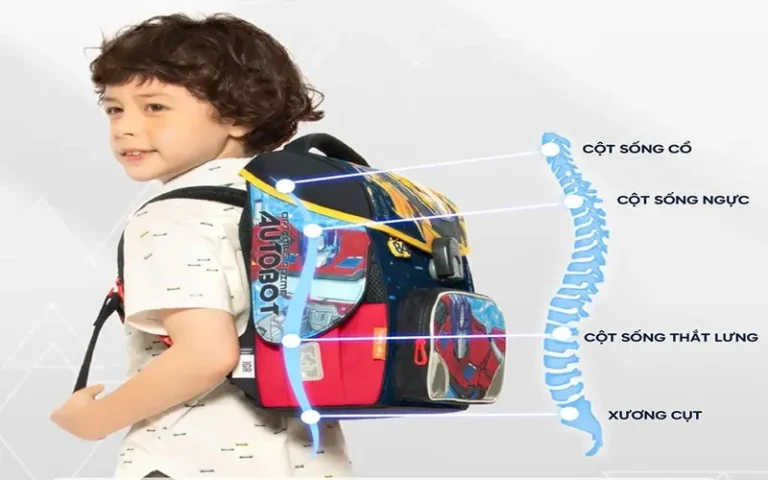
When sewing backpacks for young children, safety must be top priority:
Appropriate strap design:
- Straps width about 3-4cm to distribute pressure on shoulders
- Have soft foam padding at shoulder contact area
- Adjustable length to suit children’s height
Safe zipper selection:
- Use plastic tooth zippers, avoid sharp metal types
- Large zipper pull for children’s easy handling
- Design zipper cover if possible
Safety inspection:
- No sharp corners or edges
- Decorative details sewn securely
- Handle (if any) must bear weight well
2. How to Clean and Maintain Handmade Backpacks
To keep backpacks durable and safe during use:
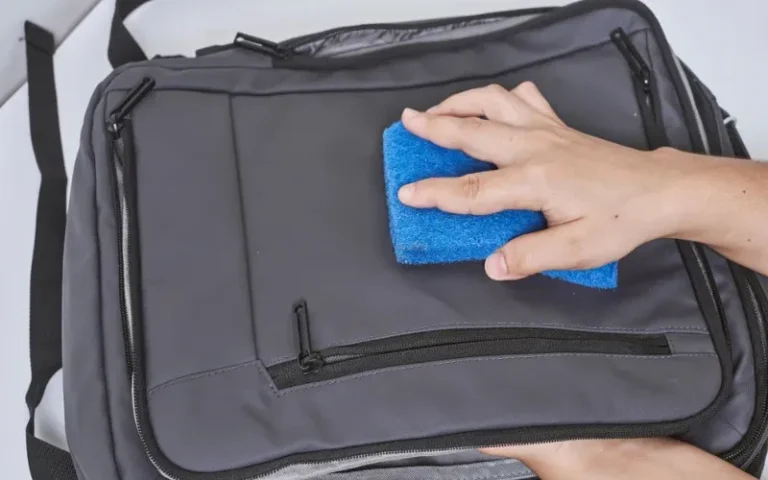
Washing and cleaning instructions:
- Don’t soak backpack in water too long
- Avoid machine washing special fabrics
- Use soft brush and mild soap to clean local stains
- Air dry naturally, avoid direct sunlight
Storage methods:
- Keep backpack in dry, airy place
- Hang backpack on hook instead of leaving on floor
- Don’t store excessively heavy items that deform backpack
- Periodically check seam lines and zippers
Troubleshooting:
- Broken stitching: Re-sew immediately upon discovery
- Stuck zipper: Apply a little candle wax
- Stained fabric: Use diluted vinegar to clean
Hop Phat has shared about sewing backpacks for children at home bringing many benefits from cost savings to ensuring safety. Through detailed instructions from fabric selection to product completion, parents can confidently create unique handmade backpacks. Start sewing backpacks for children now to give children meaningful gifts! Contact 0909.938.333 to order backpack samples.