

 Tiếng Việt
Rolling luggage is an indispensable companion for every trip. However, when needing to replace accessories or make repairs, understanding the internal structure is essential. This article from experts at Hop Phat luggage manufacturing company provides detailed step-by-step instructions on how to assemble rolling luggage simply and accurately. Mastering this technique, you will confidently handle minor luggage issues right at home, saving time and costs.
I. Why Should You Self-Assemble Rolling Luggage?
1. Significant Cost Savings
Self-assembling rolling luggage brings superior economic benefits. When you repair rolling luggage at home, costs are only 20-30% compared to hiring professional technicians.
| Item | Self-Assembly | Hire Technician | Savings | |—|—|—| | Replace wheels | 80,000 VND | 250,000 VND | 170,000 VND | | Fix handle | 120,000 VND | 400,000 VND | 280,000 VND | | Replace zipper | 60,000 VND | 200,000 VND | 140,000 VND |
2. Increased Product Knowledge
When learning rolling luggage assembly guide, you will understand the rolling luggage structure from inside out. This helps you:

- Detect early signs of damage
- Maintain rolling luggage properly
- Extend product life 2-3 times
3. High Flexibility
DIY rolling luggage repair allows you to:
- Repair anytime, anywhere
- Not dependent on store hours
- Replace rolling luggage components immediately when needed
II. Detailed Structure of Rolling Luggage
1. Main Components
Rolling luggage is composed of many important rolling luggage components:
Luggage body and hard frame: Made from luggage shell materials of PC (Polycarbonate), ABS, or aluminum alloy. This is the main load-bearing part, protecting luggage inside.
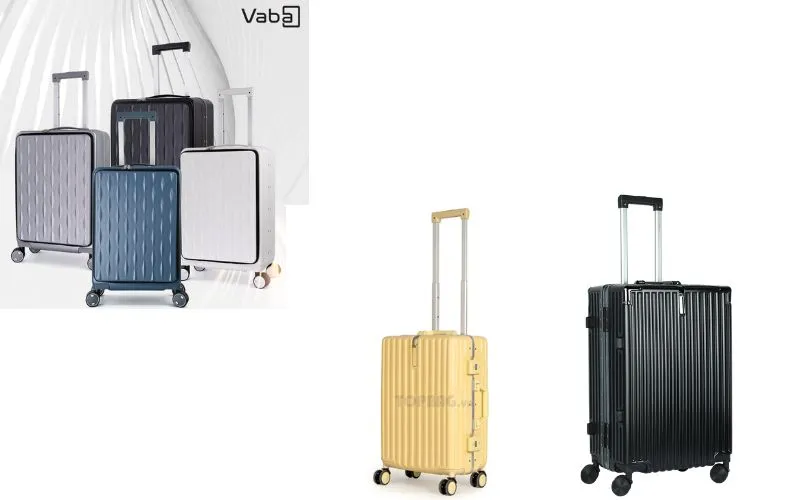
Wheel system: There are two common types:
- 2-wheel: Suitable for pulling behind
- 4-wheel: Allows pushing beside, flexible 360-degree movement
Pull handle and adjustment mechanism: Rolling luggage handle can be adjusted to multiple heights, suitable for user height.
2. Operating Principle
How to replace luggage handle and other parts are all based on simple mechanical connection principles. Rolling luggage accessories are connected through screw systems, joints, and spring mechanisms.
3. Common Materials
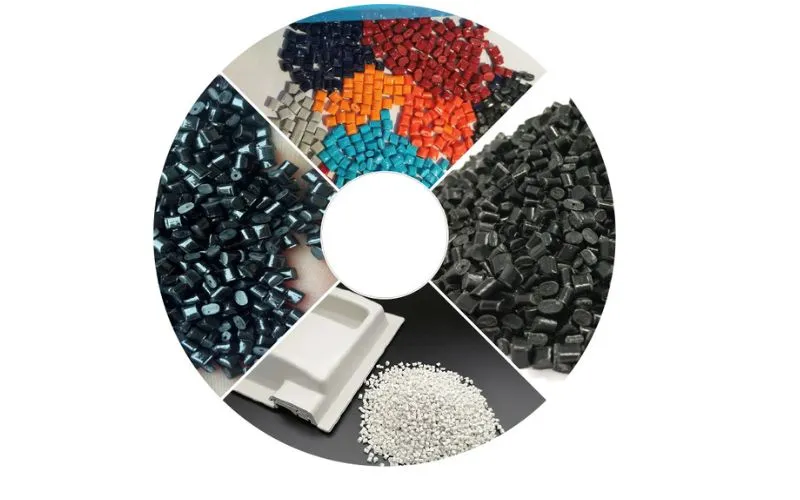
- PC plastic: Ultra-light, good impact resistance
- ABS plastic: Cheap, medium durability
- Aluminum alloy: Premium, extremely durable
- Stainless steel: For high-load details
III. Necessary Tools and Components
1. Basic Tool Set
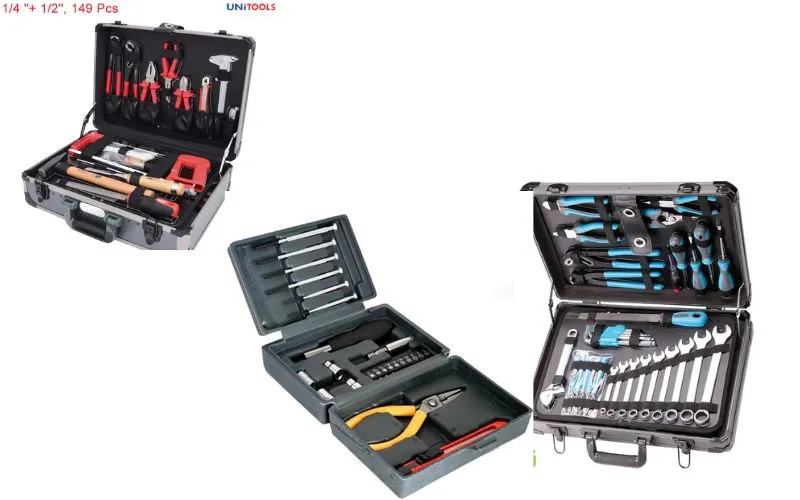
Luggage repair tools include:
- Multi-purpose screwdriver: With Phillips and flat heads
- Small pliers: To fix small details
- Specialized adhesive: Epoxy or super glue
- Lubricating oil: WD-40 or sewing machine oil
2. Common Replacement Components
Rolling luggage wheels: Size from 35mm-75mm, single and double wheel types.
Pull handle: Length from 60cm-120cm, aluminum or steel material.
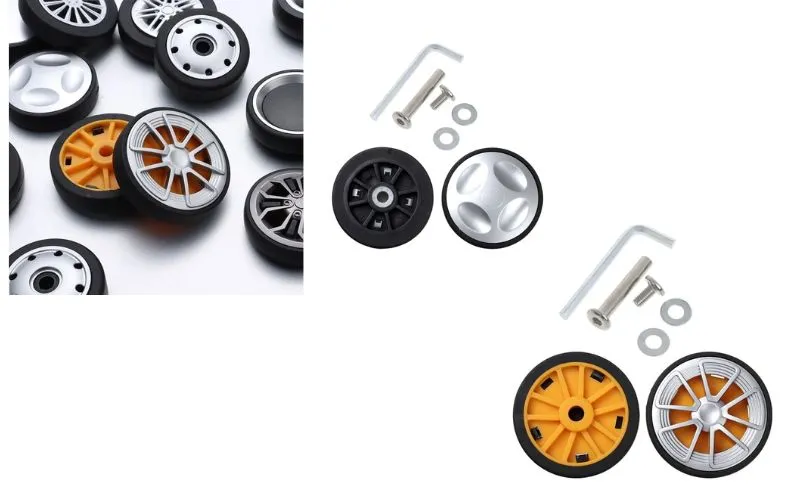
Zipper: Regular type and TSA luggage lock international standard.
3. Reputable Component Purchasing Locations
May Hop Phat recommends buying rolling luggage components at:
- Professional leather goods accessory stores
- Reputable e-commerce websites
- Official brand dealers
See also:
– Luggage injection molding technology creates luggage with superior durability, light weight, and excellent impact resistance
IV. Detailed Step-by-Step Assembly Instructions
1. Preparation and Condition Assessment
Before starting to DIY rolling luggage, you should:
- Thoroughly inspect the entire luggage
- Accurately identify the cause of damage
- Prepare a clean workspace with sufficient lighting
Small tip: Take photos before disassembly to remember part positions!
2. Disassemble Damaged Parts
How to remove rolling luggage wheels:
- Flip the luggage upside down
- Remove the screws securing the wheels
- Gently pull the wheels out of the joints
How to remove handle:
- Fully extend the handle
- Remove screws at the handle base
- Slowly pull the handle out of the luggage body
3. Install New Components
Install new wheels:
- Check size compatibility
- Place wheels in correct position
- Tighten screws clockwise
Install new handle:
- Thread handle into guide groove
- Secure with specialized screw system
- Check extension mechanism operates smoothly
4. Test and Finalize
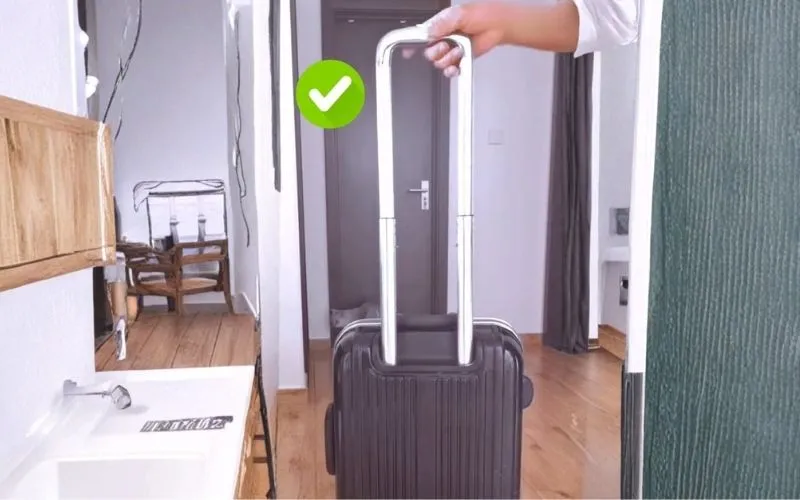
After assembling rolling luggage:
- Check all basic functions
- Try pulling with light load
- Adjust handle height appropriately
5. Regular Maintenance
Rolling luggage maintenance schedule:
- Weekly: Clean wheels, check zipper
- Monthly: Lubricate handle, check screws
- Quarterly: Overall system inspection
V. Handling Common Issues
1. Luggage Doesn’t Pull Smoothly
Cause: Lack of lubricating oil or accumulated dirt.
Solution:
- Clean sliding grooves thoroughly
- Apply small amount of specialized lubricating oil
- Pull multiple times to distribute oil evenly
2. Wheels Stuck or Broken
Identification signs: Luggage won’t roll or rolls unevenly.
Repair method:
- Remove damaged wheel
- Clean joint
- Install new wheel to specifications
3. Handle Loose or Broken
Temporary fix: Use specialized tape to secure.
Complete replacement: How to replace luggage handle guided above.
4. Zipper Broken
Replace new zipper pull:
- Cut off old zipper pull
- Install new zipper pull in correct position
- Check open/close operation
VI. Expert Tips
1. Extend Rolling Luggage Life
May Hop Phat shares secrets:
- Don’t overload beyond permitted weight
- Pull luggage instead of pushing when possible
- Avoid pulling on rough surfaces
2. Identify Quality Components
Signs of good components:
- Smooth surface, no cracks
- Sturdy joints, not loose
- Even color, no fading
3. When to Replace New Luggage
If rolling luggage repair costs exceed 60% of luggage value, consider buying new.
VII. Comparison: Self-Assembly vs Hiring Professionals
1. Advantages and Disadvantages of DIY
Advantages:
- Significant cost savings
- Learn useful skills
- Time flexibility
Disadvantages:
- Requires initial time investment
- May face difficulties with complex damage
2. When to Consult Experts
- Premium luggage still under warranty
- Damage to multiple parts simultaneously
- You don’t have enough time or tools
Thus, through the article, we have delved into the process and important tips about rolling luggage assembly. Understanding the structure helps you use luggage effectively and extend product life. The quality of each component, from wheels to handles, affects the travel experience. If you want to own perfect luggage, call 0909.938.333 with our team of experts to get answers to all questions about quality and luggage production processes.